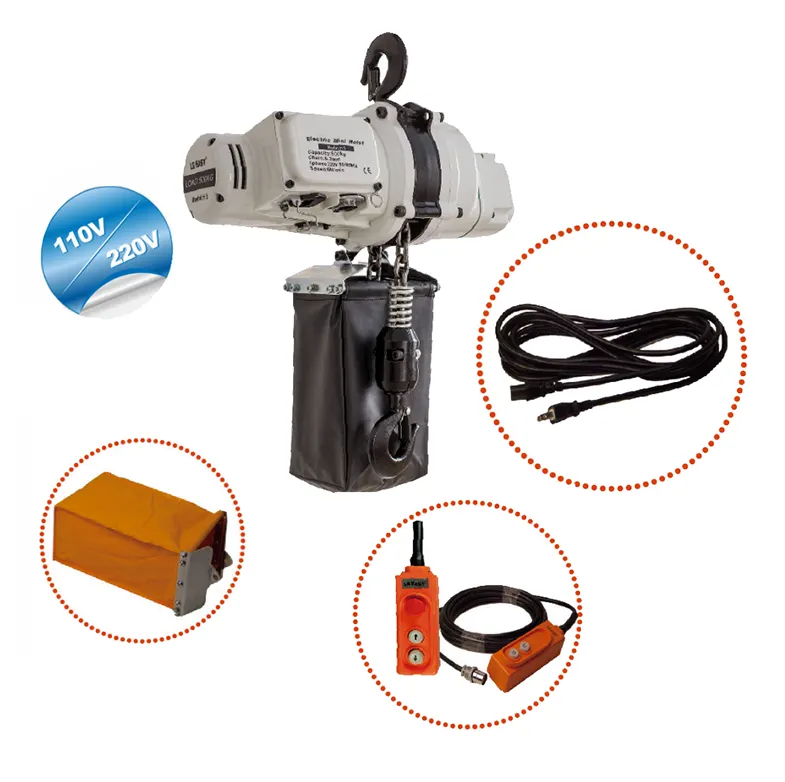
Chain hoists are usually designed for vertical lifting, but many industries run into tasks where a load needs to be pulled sideways rather than straight up. This leads to a common question: can a chain hoist work horizontally? The topic may sound simple, yet it brings several technical concerns—load direction, stress on components, and the right choice of equipment. The following sections break it down clearly, while also showing where Apollo’s KAWASAKI hoist systems fit into real industrial needs.
What Are the Key Considerations When Using a Chain Hoist Horizontally?
Before discussing specific equipment, it’s helpful to understand what really happens when a chain hoist pulls in a direction it wasn’t originally built for. Horizontal motion puts new forces on the internal gears, on the chain, and on the hook body.
Load Stability and Direction Control
When a hoist is used horizontally, the load tries to swing or twist. Instead of hanging straight, it may shift sideways, placing extra pull on the hook. This is why load stability becomes a concern right away. Proper guiding tools—like rollers, tracks, or even basic tow bars—can keep the load moving on the right path.
Friction, Track Support, and Proper Guiding
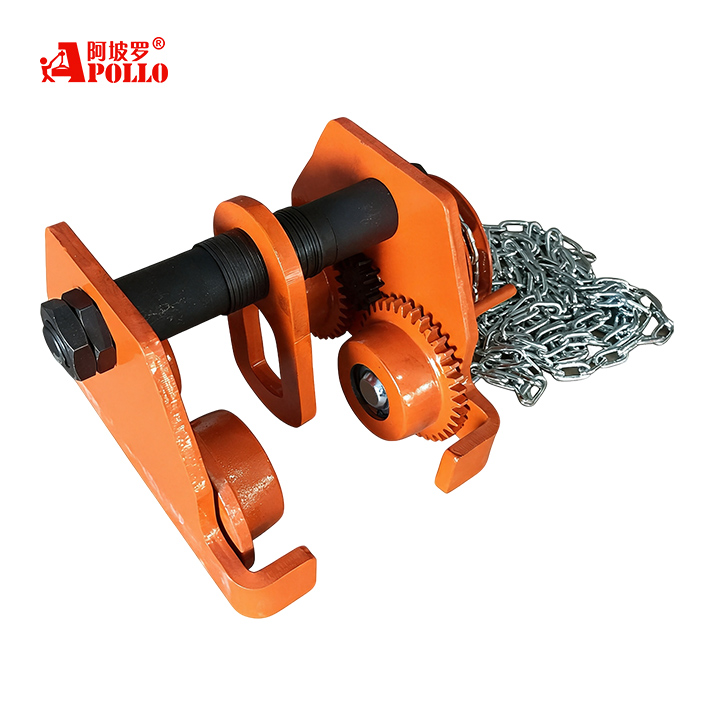
A horizontal pull often needs a surface to support the object, such as a floor, rail, or beam trolley. Without some form of guiding support, the chain may rub or skew, especially if the angle starts to drift. Using trolleys or rails becomes more important here. Apollo’s wide catalog includes beam trolleys and manual trolleys that work smoothly with KAWASAKI hoists, reducing friction and helping the pull stay straight.
Safety Risk Reduction Through Correct Hoist Selection
Not every hoist tolerates side force. Some light-duty units may wear out quickly under sideways pressure. Choosing the right design lowers the risk of chain binding or gear strain. Apollo’s heavy-duty industrial hoists—especially the KAWASAKI DCEK electric chain hoist—offer better internal strength and safer hook alignment than many regular units on the market.
Does Horizontal Operation Affect the Performance of a Chain Hoist?
Horizontal pulling doesn’t just change the direction of movement. It changes how the machine behaves. This section explains the impact so users can judge whether a chain hoist is still the right tool for the task.
Reduced Lifting Efficiency and Higher Mechanical Stress
When a chain hoist isn’t pulling straight down, the internal gears feel extra drag. Over time, this stress slows the machine and may shorten service life. Good equipment makes a difference here. Apollo’s electric wire rope hoists, especially the KAWASAKI Electric Wire Rope Hoist DC, handle horizontal loads better because wire rope systems naturally move in a straight line with less mechanical resistance.
Chain Skewing Risks During Non-Vertical Pulling
Side pulling can make the chain bunch up or slip off the lift wheel. This is one of the biggest reasons technicians hesitate to use chain hoists horizontally. A small angle is usually fine, but large angles create trouble fast. High-grade chains such as the KAWASAKI T80/T100 chain options help reduce binding, and Apollo offers these chains as material customizations across most hoist models.
Motor and Gearbox Protection Through Correct Alignment
Motors and gearboxes are built with a certain direction of load in mind. When they experience sideways tension, the internal bearings work harder. That’s why electric wire rope hoists—like Apollo’s KAWASAKI LES model—are widely used for long pulling distances. Their straight-line drum winding gives the motor an easier job compared to a chain mechanism under the same sideways force.
Which Hoist Types Are More Suitable for Horizontal Pulling Tasks?
Horizontal work doesn’t always rule out a chain hoist, but the right type matters. Three categories stand out depending on the situation.
Electric Wire Rope Systems with Strong Linear Pulling Force
Wire rope hoists naturally handle horizontal motion better because the rope winds in a clean line. Apollo’s KAWASAKI Electric Wire Rope Hoist DC uses a compact body, reliable motor group, and a smooth drum system that reduces side stress. This makes it useful in manufacturing lines, shipyard workshops, or material handling along rails.
Chain Hoists with Enhanced Hook Orientation and Load Control
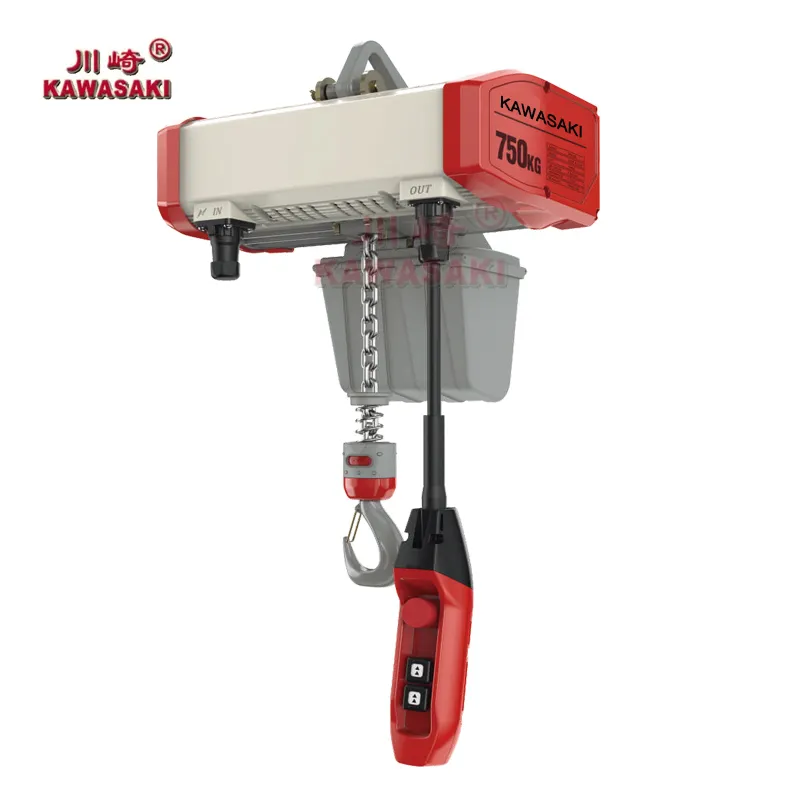
Some chain hoists do handle mild horizontal pulling. Apollo’s KAWASAKI Hook Type Electric Chain Hoist DCEK is one of them. The hook rotates freely, the motor runs steadily, and the build quality—supported by ISO9001 and CE/GS certifications—keeps the chain tracking better even during angled lifting or short-distance pulling.
Heavy-Duty Hoists Designed for Multi-Directional Applications
For tasks that mix vertical and horizontal movement, heavier industrial hoists with reinforced internal components are often used. Apollo’s LES wire rope hoist has strong steel structure, stable running speed, and a motor built to tolerate repeated start–stop cycles. These qualities allow it to perform steady horizontal dragging in workshops, loading platforms, and plant processing areas.
How Can Users Ensure Safety When Attempting Horizontal Hoist Applications?
Safety comes before convenience in any lifting or pulling job. Horizontal movement introduces different risks compared with standard lifting.
Following Manufacturer Guidelines and Load Limits
Every hoist comes with manuals and load charts. Staying within the suggested pulling angle and rated capacity keeps the equipment in good shape. Apollo highlights safe operating ranges for all KAWASAKI hoists, and the after-sales team offers video guidance for special working conditions.
Using Trolleys, Slings, and Anchors for Correct Load Pathing
Extra tools help keep horizontal pulling stable. Beam trolleys support the hoist body, while slings and anchors guide the load. Apollo manufactures a full range of slings, trolleys, lifting clamps, and even magnetic lifters that pair smoothly with its hoists.
Preventing Side Loading Through Proper Equipment Choice
Side loading is one of the main reasons hoists get damaged. Choosing a hoist that can handle occasional angled pulling—like the DCEK chain hoist or DC wire rope hoist—helps avoid unnecessary repair costs or downtime.
When Is It Better to Use a Wire Rope Hoist Instead of a Chain Hoist Horizontally?
Certain tasks simply suit wire rope better, especially over long distances or when the load needs to move steadily.
Superior Linear Pulling Capacity and Smooth Travel
Wire rope stacks neatly on the drum. This creates a clean horizontal travel path, especially during repeated or continuous motion. That’s why the KAWASAKI LES wire rope hoist is popular in assembly lines and machinery workshops.
Better Suitability for Long-Distance and Continuous Motion
A chain hoist can move a load sideways, but not very far. Wire rope hoists, on the other hand, can pull loads over several meters without stressing the mechanism. Apollo’s DC model is designed exactly for this type of scenario.
Lower Risk of Side Load Damage Compared with Chain Mechanisms
Chain wheels and pockets don’t like sideways pressure. Wire rope drums tolerate it better because the rope bends naturally. This gives wire rope hoists a clear advantage in many horizontal jobs.
Final Thoughts
Horizontal pulling is possible, but not always ideal for standard chain hoists. When the job involves short adjustments or minor angle pulls, a strong chain hoist like the KAWASAKI DCEK can handle the work. For longer or heavier horizontal tasks, wire rope hoists—Apollo’s DC and LES models in particular—deliver smoother movement and better long-term durability. With Apollo’s customization options, from voltage and appearance to chain grade and protective features, industries can select equipment that fits both their workflow and safety needs.
FAQ
Q1: Can a chain hoist be used horizontally for long distances?
A: Only for short adjustments. Long-distance pulling usually suits wire rope hoists better, such as the KAWASAKI DC or LES models.
Q2: Does using a chain hoist horizontally damage the chain?
A: It may cause side wear if the angle is too large. Using guides, trolleys, or choosing a model with a stronger hook design reduces this risk.
Q3: Which Apollo hoist is best for combined vertical and horizontal movement?
A: The KAWASAKI DCEK electric chain hoist is often chosen for mixed-direction work thanks to its flexible hook rotation and sturdy motor system.