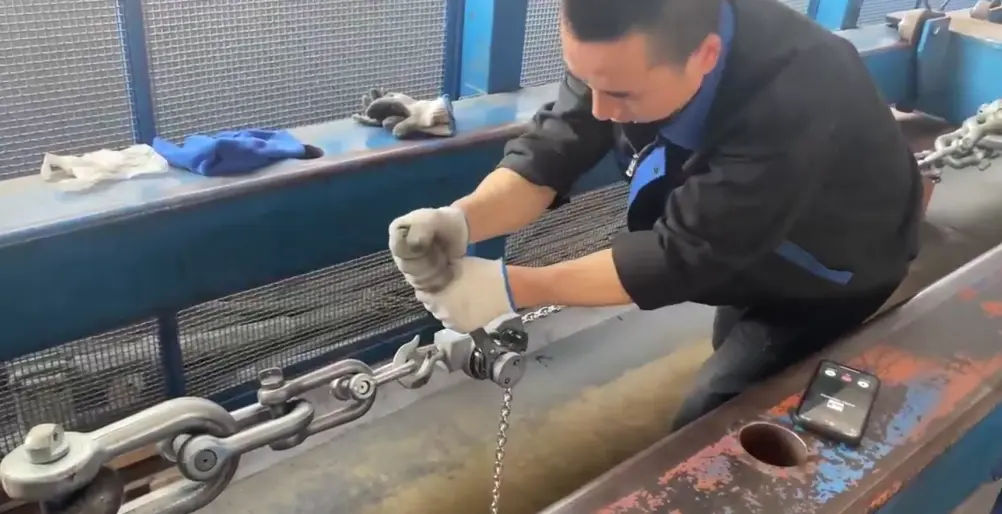
Snatch blocks play a quiet but important role in many lifting and rigging setups. They help redirect load paths, ease the strain on hoists and ropes, and make certain lifting tasks more practical in cramped or awkward job sites. When paired with well-built lifting equipment, a snatch block can open the door to smoother workflows and safer routines, especially in industrial plants, construction jobs, workshops, or warehouse lifting bays.
Apollo, known for its long history of manufacturing under the KAWASAKI brand, provides a dependable range of lifting tools that fit well into these operations. From heavy-duty pulley blocks to electric hoists and manual chain blocks, the product line covers almost every step of a rigging setup. Understanding how these tools work together makes the job easier and reduces the chances of common lifting mistakes.
Why Should a Snatch Block Be Used in Lifting Tasks?
Before picking up a snatch block on the job, it helps to know what advantages it brings. Many operators reach for a snatch block only when they feel the rope angle isn’t ideal, but its value is broader than that.
Load Direction Control
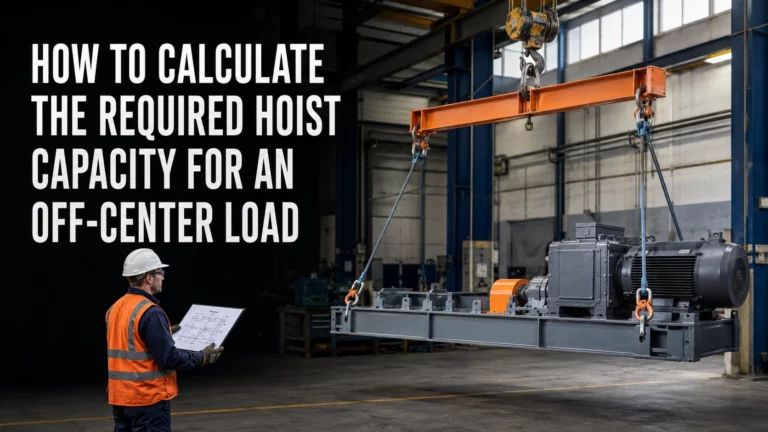
A snatch block lets the operator guide the rope in a different direction without shifting the hoist itself. This becomes useful when the hoist cannot be positioned right above the load. By routing the rope through the block, the load can be pulled sideways, forward, or even around an obstruction.
The KAWASAKI Pulley Block CQ is often used for this purpose because of its strong alloy structure, durable powder-coat finish, and ability to work under harsh site conditions. These blocks help keep the rope running smoothly, even when the rope path is complex.
Transitioning from direction control to load handling, the next benefit is often what riggers value most in heavy-duty lifts.
Lifting Capacity Expansion
One common reason crews use a snatch block is its ability to multiply lifting force. When configured as part of a pulley system, the load can feel lighter to the hoist. This allows smaller hoists to move weights normally reserved for larger equipment.
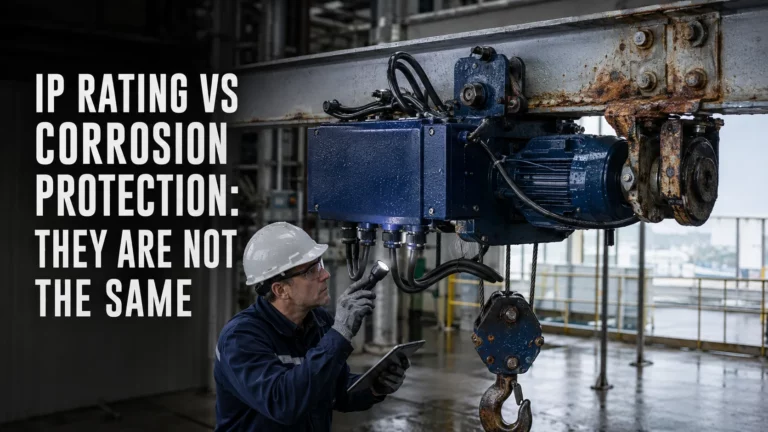
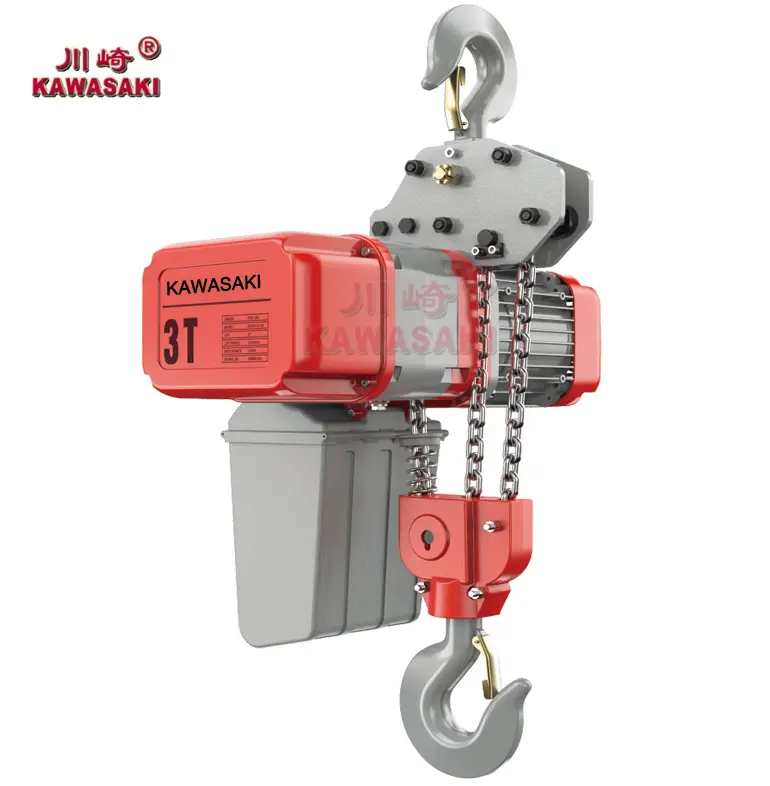
This concept works especially well when paired with Apollo’s electric chain hoists, such as the DCEK or KKBB models, which already offer strong lifting power, stable speed, and high lifting heights. Combining a hoist with a snatch block helps lighten the mechanical demand and reduces wear on both the motor and the load chain.
Wire Rope Protection
Repeating heavy lifts can slowly wear down ropes, especially if the rope rubs against sharp edges or stress points. A snatch block protects the rope by letting it roll over a smooth sheave instead of dragging along a beam or hook.
The KAWASAKI CQ block’s wide load range—from 2MT to 85MT—comes with a four-times safety factor and a one-by-one overload test at 200%. These details matter when rope protection is a concern, because a stable sheave reduces sudden tension spikes and premature rope fatigue.
How to Ensure Safe and Effective Snatch Block Operation?
Using a snatch block looks straightforward at first glance, but safe use requires more than clipping it somewhere on the frame and running a rope through it. Below are several key steps operators follow to keep the system steady.
Correct Snatch Block Selection
The right block begins with matching the load rating to the job. Operators typically choose a block with a higher capacity than the working load to avoid stress during peak tension. With the CQ series offering up to 85MT and a strict ISO9001-based manufacturing process, many lifting jobs find an appropriate option quickly.
Another point is compatibility. The block’s groove size needs to fit the rope diameter, and the hook or shackle must match the existing rigging hardware. Apollo’s systems make these choices easier because the pulley blocks, hoists, and chains share consistent quality standards.
Proper Rigging Configuration
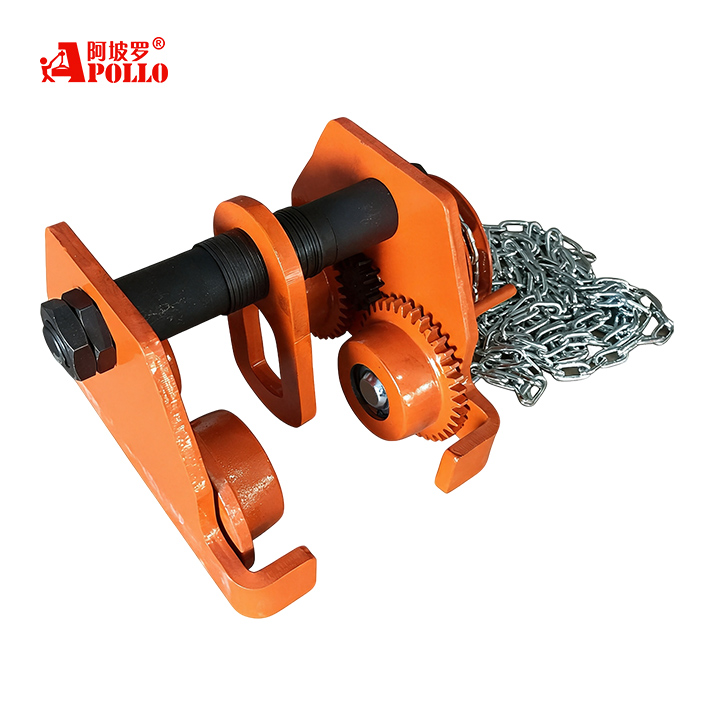
Setting up the rigging determines how smoothly the lift will run. The block must be anchored to a stable point. This may be a beam, a fixed bracket, or a beam trolley—Apollo’s monorail and beam trolley solutions provide reliable anchor mobility for such setups.
When routing the rope, the line should sit squarely in the sheave groove without twisting. Sudden bends or overlaps can cause rope wear or uneven tension. When used with manual hoists like the KAWASAKI CK chain hoist or HBSQ explosion-proof hoist, the snatch block helps maintain a predictable and steady load movement, which is especially helpful for small repositioning tasks.
Routine Inspection and Maintenance
A snatch block works under constant tension, so regular checks keep the equipment safe. Crews look at the sheave rotation, hook latch, side plates, and axle pin to confirm they are intact. Dirt, rust, or deformation can quickly reduce reliability.
Apollo’s quality control—such as whole-machine assembly inspection and detailed performance testing—adds confidence that the block and hoist start off in good condition. However, continued maintenance at the job site remains important. Lubrication on the sheave bearing and a quick rope alignment check before every lift can prevent unnecessary stress.
How to Integrate Apollo Snatch Blocks With Other Lifting Equipment?
A snatch block rarely works alone. It usually forms part of a lifting chain that includes hoists, rigging accessories, and supporting tools.
Snatch Block and Electric Hoist Matching
Electric hoists often take the lead in heavy lifting. When a snatch block is added to the system, it becomes easier to control direction and reduce the hoist’s load strain. For example, pairing the CQ block with Apollo’s electric chain hoists (DCEK / KKBB) creates a strong setup for workshop lifting, manufacturing production lines, or warehouse installations.
These hoists support customization for voltage, appearance, chain material, and functional features like dual speed or dust-proof designs—making them suitable for a wide range of job environments.
Snatch Block and Manual Hoist Application
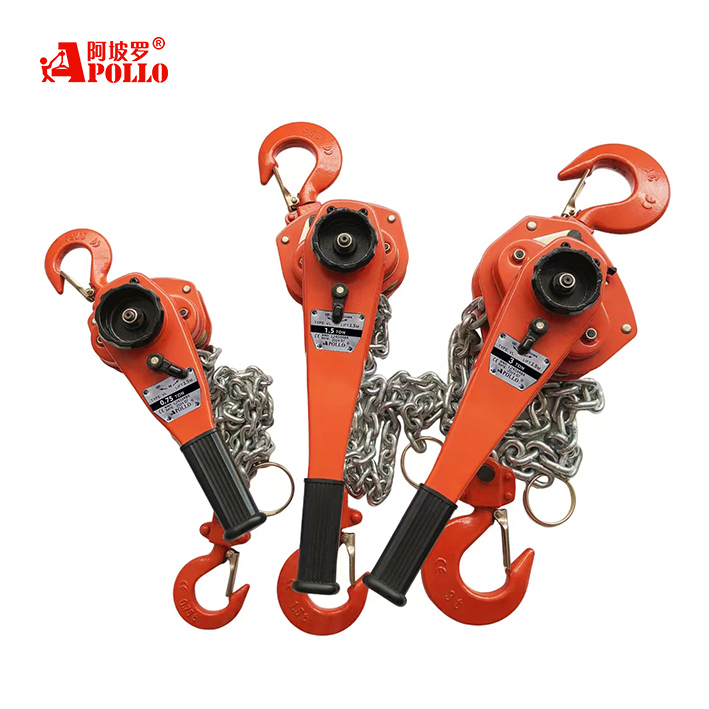
Manual hoists still hold an important place in many jobs where electricity isn’t available or where fine movement control is needed. Apollo’s CK chain hoist series, with 360-degree operation and optional load-limiting functions, pairs smoothly with the CQ pulley block.
In confined spaces, the combination allows operators to move loads inch by inch without sudden drops or jerky motion. The snatch block reduces the required pulling force, making long or repetitive lifts less tiring.
Snatch Block and Rigging Accessories
A full lifting setup typically includes load chains, webbing slings, and shackles. Apollo supplies G80 lifting chains, polyester webbing slings, and various rigging hardware that complement the pulley block.
These accessories help stabilize the load and reduce shifting during operation. By using parts from the same supplier, crews maintain consistent quality and predictable performance—something that matters when the entire lift depends on many small connections.
What Are the Key Safety Practices When Working With Snatch Blocks?
Although snatch blocks improve efficiency, they still require careful handling. A few core practices can help minimize operational risks.
Load Rating Compliance
Every snatch block and hoist comes with a rated capacity. Staying within this limit avoids sudden failures. The CQ series goes through a 200% overload test before packaging, which adds confidence, but overloading is still never acceptable. Operators typically review the load weight, rope tension, and angle before lifting. Even a small miscalculation can lead to sudden shock loading.
Secure Anchor Point Setup
The block’s anchor point must be solid. Weak beams or improvised attachment spots can lead to dangerous swings. In many worksites, operators rely on Apollo’s cargo trolleys or beam trolleys to provide a stable and movable anchor. These devices let the block travel along an I-beam, giving more flexibility in load handling without shifting the hoist itself.
Operational Distance and Monitoring
Keeping a safe distance from the rope path reduces the risk of injury if the rope snaps or the load shifts. A dedicated signal worker often stands aside to monitor movement while others stay clear.
Apollo supports this process with after-sales services such as video guidance, which helps new crews understand proper block and hoist operation. Clear training usually lowers the chance of small mistakes that could lead to bigger issues.
FAQs
Q1: Can a snatch block be used with both wire rope and synthetic rope?
A: Yes, as long as the rope diameter matches the sheave groove and the block is rated for the rope type. Many industrial setups still prefer steel wire rope for heavy loads.
Q2: How often should a snatch block be inspected?
A: A quick check before every lift is common practice. A deeper inspection—looking at bearings, hooks, and side plates—is usually done weekly or when the equipment has been used heavily.
Q3: What size snatch block is suitable for a 1-ton hoist?
A: Most operators choose a block rated above the hoist’s capacity. For a 1-ton hoist, a block in the 2–3MT range offers a safe buffer, though exact sizing depends on rope diameter and lifting angles.