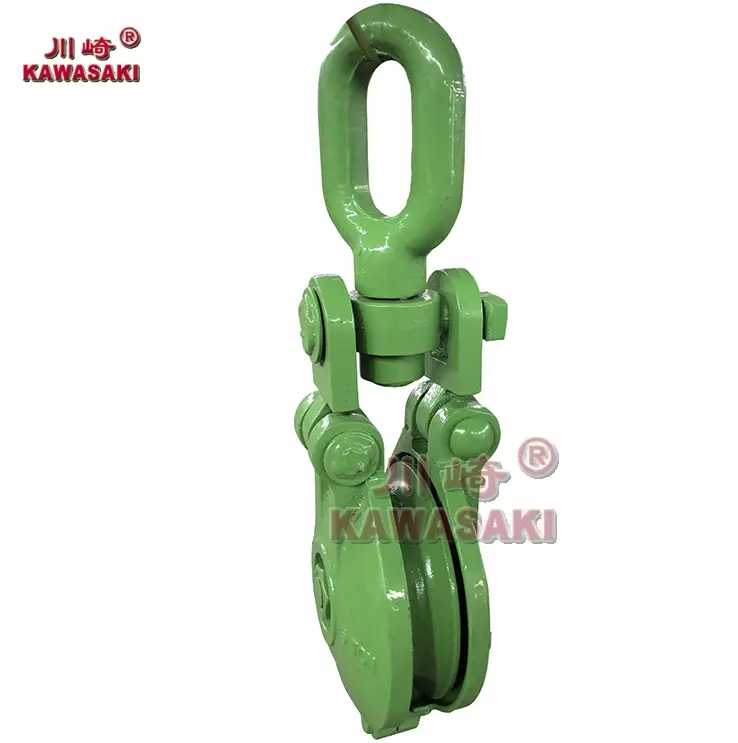
Safety has always been the first thing people look at when choosing a chain block. In factories, shipyards, workshops, construction sites, and warehouses, lifting tasks often run for long hours and under changing conditions. A small problem in the lifting equipment could lead to downtime or even dangerous accidents. This is why many professionals turn to Kawasaki chain blocks from Apollo Hoist. These products are designed with strict structural standards, strong materials, and a long history of manufacturing experience behind them.
Apollo, has been building lifting tools since 1986. The company operates with ISO9001 quality systems and CE/GS certifications while supporting OEM/ODM customization for global customers. Kawasaki-branded chain blocks and pulley blocks follow the same high standards, and each unit is tested before shipment. These characteristics make them widely trusted in Southeast Asia, Japan, South Korea, Europe, and many industrial markets. Below are the top five safety features that truly set Kawasaki chain blocks apart—and why they remain a popular choice for heavy-duty lifting.
What Makes Kawasaki Chain Blocks Structurally Safe?
Every safe lifting operation starts with a solid structure. A chain block must stay reliable even after thousands of cycles, exposure to tough environments, and sudden movement of loads. Kawasaki products are built with this idea at the core, so the structural strength directly affects long-term safety.
High-Strength Alloy Steel Frame Structure
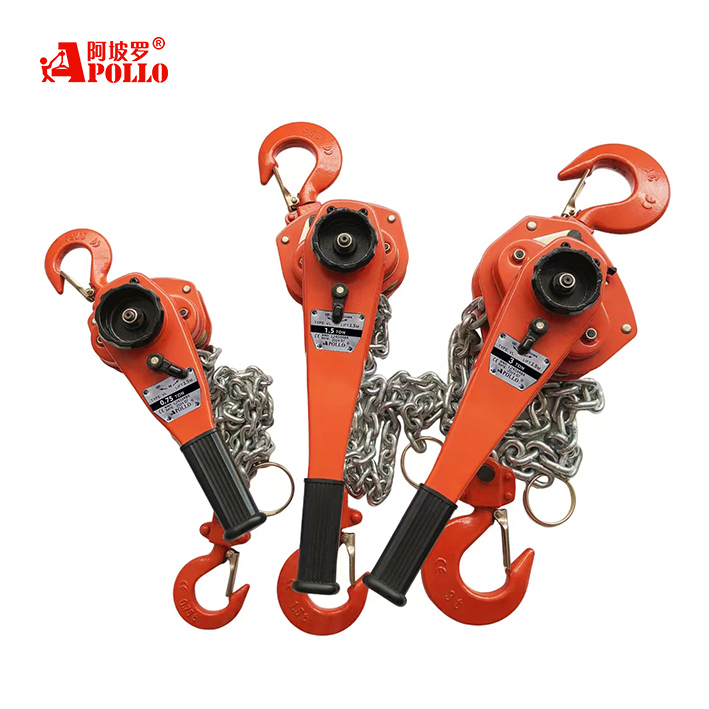
Kawasaki chain blocks and pulley blocks are produced using thick alloy steel components, giving the entire body a strong foundation. For example, the KAWASAKI PULLEY BLOCK CQ uses a durable, powder-coated steel frame that works well in extreme and dusty environments. The heavy-duty frame helps reduce bending or deformation under high loads, which is important when the daily workload demands stable performance.
Precision-Machined Gears for Smooth Operation
Inside the gear system, every component is machined with tight tolerance. Smooth gear movement reduces sudden jerks, noise, and wear. And when gear movement remains consistent, operators can manage load control more confidently. The KAWASAKI PULLEY BLOCK WTS features reinforced gears that go through a heat-treatment process, helping the unit maintain stable rotation even under heavy use.
Heavy-Duty Hooks with Secure Latch Design
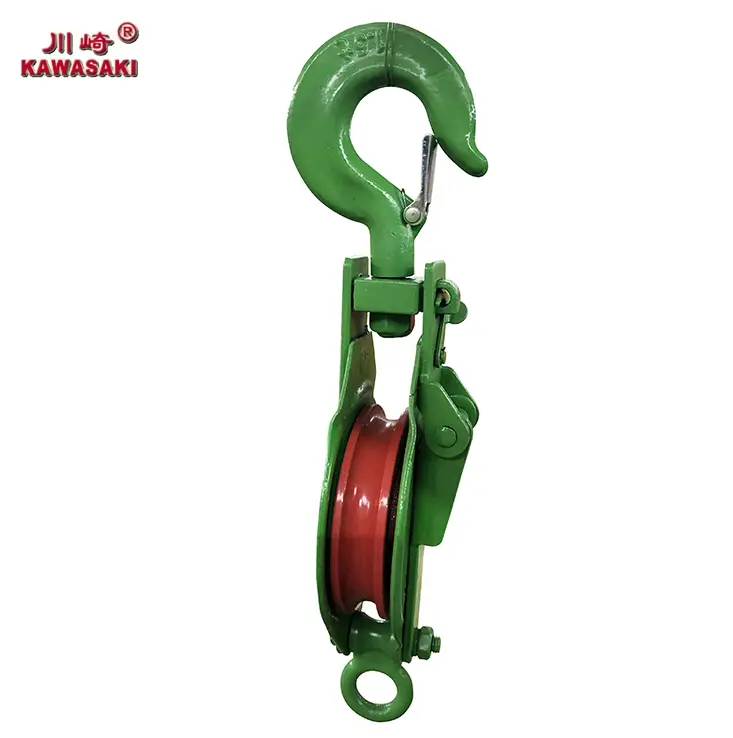
Another important part of safety is the hook. Kawasaki hooks are forged from alloy steel and fitted with a strong latch to keep the load from slipping out. This might sound like a simple detail, but in real working conditions—especially when the angle of force changes—it becomes a key protection point. The hooks used across the Kawasaki line, including the KOREAN TYPE pulley block, are designed to stay firm even during unexpected swings or slight shock loads.
How Do Kawasaki Chain Blocks Prevent Overloading?
Overloading is one of the top causes of chain block accidents. When the operator isn’t certain how heavy the load is or pushes the equipment beyond its limit, the risk increases sharply. Kawasaki chain blocks use multiple layers of protection to reduce this risk.
Strict 200% Overload Capacity Testing
Each KAWASAKI PULLEY BLOCK CQ is tested at 200% of its rated capacity before packaging. This factory test is part of Apollo’s long-standing quality control process, ensuring the block stays stable under maximum expected force. It gives users a comfortable safety margin, especially during peak usage.
4-Times Safety Factor Across Load Components
The Japanese-influenced engineering standards behind Kawasaki products require many core parts—such as the load chain, frame, and lifting components—to meet a four-times safety factor. This means the internal structure is far stronger than the load it is expected to handle daily. The KOREAN TYPE pulley block is one of the models that follows this standard closely.
Integrated Overload Warning and Load Control Design
While manual chain blocks do not always have built-in electronic overload limiters, Kawasaki compensates with mechanical protections. Components like the load chain and gear mechanism are designed to show early signs of tension increase before reaching dangerous levels. The operator can feel this change, making it easier to stop before something goes wrong. This small but useful feedback mechanism is one reason many technicians prefer Kawasaki equipment.
Why Are Braking Systems Critical for Chain Block Safety?
Once a load is lifted, the next challenge is keeping it suspended safely. A reliable braking system can literally hold the entire weight and prevent it from slipping. Kawasaki braking systems are designed for stable holding force and long-term durability.
Reliable Mechanical Brake with Consistent Holding Force
Kawasaki’s hand chain hoists and pulley blocks are built with mechanical brakes that create steady friction when the lifting motion stops. The brake plates are made to maintain grip across repeated cycles, even when the equipment is used all day. This keeps the suspended load from sliding down unexpectedly.
Protected Brake Housing to Prevent Dust Intrusion
In environments like construction sites or metal workshops, dust buildup inside the brake chamber is a major concern. Dust can weaken the brake hold or increase wear on the internal parts. Models such as the KAWASAKI PULLEY BLOCK WTS use a sealed brake housing that keeps dust and moisture out, allowing the brake to work more predictably.
Quick-Response Stopping Mechanism Under Load
A responsive brake gives the operator better control when lifting or lowering. Kawasaki brakes are designed to react quickly, so the load stops as soon as the operator stops pulling the chain. This quick reaction reduces swinging, load shifting, and accidental contact with nearby objects.
How Do Kawasaki Chain Blocks Support Long-Term Durability?
Long-term durability is more than just surviving heavy loads. It involves protection from rust, wear, weather changes, and long hours of work. Kawasaki products are known for lasting longer due to their material quality and manufacturing standards.
Durable Powder-Coated Finish for Corrosion Resistance
Many Kawasaki pulley blocks—including the CQ model—use a powder-coat finish. This coating gives the outer body better resistance to moisture, chemicals, and impact. It also keeps the equipment looking clean even after years of service in challenging environments.
Heat-Treated Gears and Load Chains for Longer Lifespan
Gears and chains that undergo high-temperature heat treatment become stronger and more wear-resistant. Apollo’s Kawasaki line uses alloy steel chains that go through a quenching process. The KOREAN TYPE pulley block is one example where the chain and gear durability play a major role in overall lifespan.
ISO9001-Certified Manufacturing and Quality Control
Apollo’s factory operations follow ISO9001 and international CE safety standards. Each finished product goes through assembly inspection, load tests, and performance checks before being shipped. This level of control helps reduce manufacturing errors and gives each chain block a predictable performance curve.
What Additional Safety Assurances Does Apollo Provide?
Beyond product design, Apollo also gives users extra support through warranty services, accessories, and customization.
CE-Certified Products and International Testing Standards
All Kawasaki hoisting products comply with European CE guidelines and GS safety certification. This gives distributors and business buyers more confidence when supplying to regulated markets.
One-Year Warranty with Full Accessories Support
Apollo offers a one-year warranty for Kawasaki chain blocks and pulley blocks. Replacement accessories, video guidance, and after-sales assistance are available for customers worldwide. These services help users keep downtime low and maintain stable daily operations.
On-Demand OEM/ODM Service for Custom Safety Features
Apollo also provides OEM and ODM support. Customers can request custom colors, logos, load chains (T80/T100), packaging, or even specialized functions like anti-rust finishes, different voltage options for electric hoists, or unique housing colors. This flexibility makes it easier for brands and distributors to build their own product lines without compromising safety.
FAQs
Q1: Are Kawasaki chain blocks suitable for harsh environments?
A: Yes. Models like the CQ and WTS pulley blocks use powder-coated steel and sealed brake systems, making them suitable for dusty, humid, or heavy-duty industrial environments.
Q2: Do the pulley blocks come with test certificates?
A: Each Kawasaki chain block is tested before shipment, including a 200% overload test. Apollo’s production follows ISO9001 and CE standards, so documentation can be provided upon request.
Q3: Can these products be customized for specific applications?
A: Apollo supports a wide range of OEM/ODM customization—from chain materials to product color, packaging, load chains, and special features—making the products easy to adapt for various industries and brand requirements.