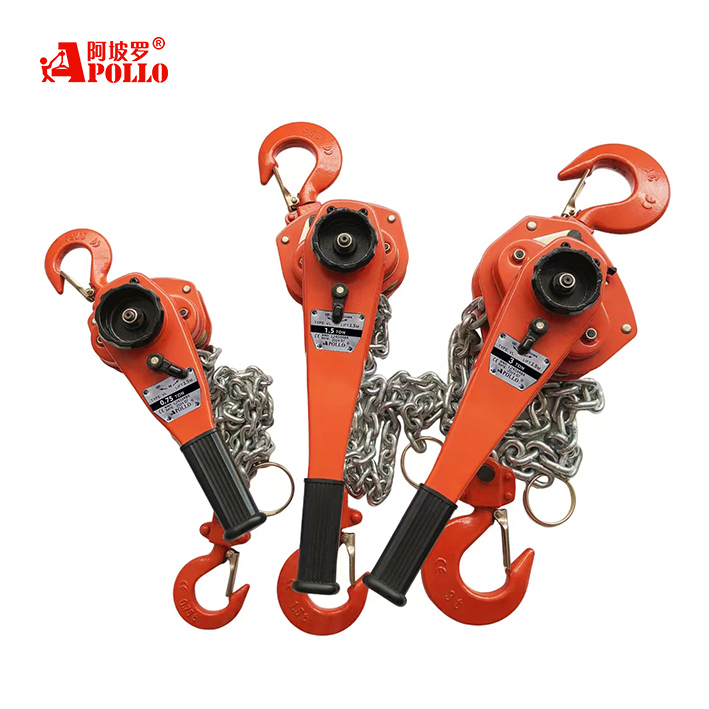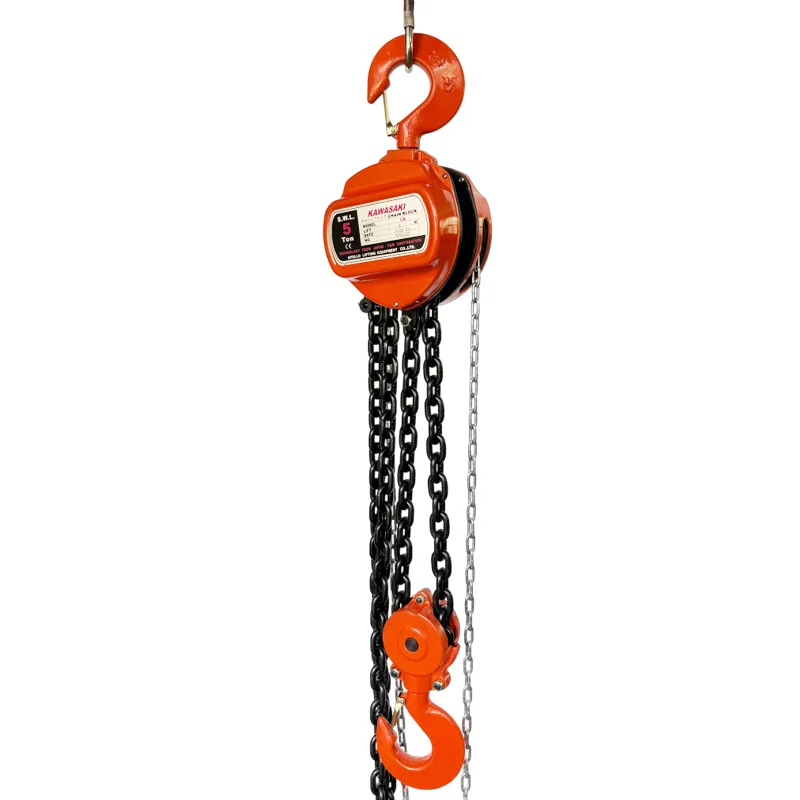
Hand chain hoists, also known as manual chain hoists, are indispensable lifting devices used across various industries such as construction, manufacturing, warehousing, and logistics. These tools provide a reliable means of lifting and moving heavy loads with precision and safety. However, like all mechanical equipment, hand chain hoists are subject to wear and tear over time. Determining when to scrap a hand chain hoist is critical to prevent accidents, ensure operational efficiency, and comply with safety regulations. This article delves into the comprehensive standards for scrapping hand chain hoists, outlining key criteria, inspection protocols, and best practices.
Importance of Scrapping Standards
Establishing clear scrapping standards for hand chain hoists is vital for several reasons. First and foremost, it enhances workplace safety by preventing the use of faulty equipment that could lead to injuries or fatalities. According to occupational safety guidelines, equipment failure is a leading cause of industrial accidents. Secondly, scrapping standards help maintain productivity by ensuring that only functional and reliable hoists are in operation. Using degraded hoists can result in downtime, increased maintenance costs, and reduced efficiency. Lastly, compliance with legal and regulatory requirements, such as those set by OSHA (Occupational Safety and Health Administration) or ISO (International Organization for Standardization), mandates regular inspections and proper disposal of unsafe equipment.
Key Criteria for Scrapping Hand Chain Hoists
The decision to scrap a hand chain hoist should be based on a combination of factors, including physical condition, performance issues, and age. Below are the primary criteria used to evaluate whether a hoist should be taken out of service permanently.
Wear and Tear
Wear and tear is a natural consequence of regular use. Key components to inspect include the chain, hooks, gears, and brake system. The chain should be checked for elongation, corrosion, cracks, or deformed links. If the chain shows signs of stretching beyond the manufacturer’s specified limits (typically 3-5% elongation), it must be replaced immediately. Hooks should be examined for twists, cracks, or throat opening deformation. A hook that has opened more than 15% from its original shape is considered unsafe. Gears and bearings may wear down, leading to slippage or irregular operation. If wear compromises the hoist’s load-bearing capacity, scrapping is necessary.
Structural Damage
Structural damage refers to any physical deformation or breakage in the hoist’s main body, frame, or supporting components. This can result from overloading, impacts, or environmental exposure. Cracks in the housing or welds are red flags, as they can propagate under stress and cause catastrophic failure. Corrosion is another major concern, especially in humid or chemically aggressive environments. Severe rust that weakens structural integrity warrants scrapping. Additionally, if the hoist has been involved in an accident or dropped from height, it should be thoroughly inspected and likely scrapped due to hidden internal damage.
Operational Issues
Operational issues encompass problems that affect the hoist’s functionality. These include erratic braking, difficulty in lifting or lowering loads, unusual noises, or excessive friction. The brake system is critical for safety; if it fails to hold loads securely or shows signs of wear, the hoist must be taken out of service. Similarly, if the chain does not engage properly with the gears or slips under load, it indicates severe internal damage. Regular performance testing under no-load and loaded conditions can reveal these issues. If repairs are not feasible or cost-prohibitive, scrapping is the best course of action.
Age and Service Life
While age alone is not a definitive factor, it plays a role in conjunction with usage history. Manufacturers often specify a service life for hand chain hoists, typically ranging from 10 to 20 years depending on the model and application. However, heavy-duty use in harsh environments can shorten this lifespan. Documentation of maintenance records, load cycles, and inspections helps assess cumulative wear. If a hoist has exceeded its recommended service life and shows signs of deterioration, it should be scrapped even if no immediate defects are visible, as internal components may be fatigued.
Safety Regulations and Compliance
In the realm of material handling equipment, hand chain hoists are indispensable tools that facilitate the lifting and positioning of heavy loads. However, their operation involves significant risks, making adherence to safety regulations and compliance standards not just a legal obligation but a moral imperative. Regulatory frameworks are designed to protect workers, prevent accidents, and ensure equipment reliability. This section provides an exhaustive examination of the safety regulations and compliance requirements governing hand chain hoists, detailing the specific standards, inspection protocols, documentation necessities, and the consequences of non-compliance.
Primary Regulatory Standards and Organizations
Multiple organizations establish and maintain standards for hand chain hoists. Understanding these regulatory bodies and their specific requirements is fundamental to achieving compliance.
Occupational Safety and Health Administration (OSHA)
In the United States, OSHA sets and enforces protective workplace safety and health standards. For hand chain hoists, the most relevant regulation is 29 CFR 1910.179 – Overhead and Gantry Cranes, which includes provisions for manually operated hoists. This standard mandates:
OSHA Compliance Checklist:
- Regular inspection of all hoisting equipment before each shift
- Monthly inspection by a designated person with records maintained
- Annual inspection by a qualified technician
- Load testing for newly installed or altered hoists
- Clear marking of rated load capacity on all hoists
- Immediate removal from service of any hoist showing defects
- Proper training for all personnel operating or maintaining hoists
American Society of Mechanical Engineers (ASME)
The ASME B30 series provides comprehensive safety standards for cableways, cranes, derricks, hoists, hooks, jacks, and slings. Specifically, ASME B30.16 (Overhead Hoists) and ASME B30.21 (Manually Lever Operated Hoists) establish critical requirements for:
| ASME Standard | Scope | Key Requirements |
| ASME B30.16 | Overhead hoists (including hand chain hoists) | Design criteria, construction, inspection, testing, maintenance, and operation |
| ASME B30.21 | Manually lever operated hoists | Safety requirements for hand-operated hoists, including inspection frequency and load testing protocols |
International Organization for Standardization (ISO)
For international operations, ISO standards provide globally recognized guidelines. ISO 4309 addresses crane wire ropes, while ISO 12482 covers crane monitoring. Although not exclusively for hand chain hoists, these standards influence their safe operation, particularly in multinational corporations seeking standardized safety protocols across facilities.
Comprehensive Inspection Requirements
Regular inspection is the cornerstone of regulatory compliance for hand chain hoists. These inspections are tiered based on frequency and depth of examination.
Pre-Use Inspection (Daily or Before Each Shift)
Operators must conduct visual and functional checks before using any hand chain hoist. This includes verifying:
- Proper operation of the brake system
- Condition of the load chain (no twists, knots, or excessive wear)
- Hook integrity (no deformation, cracks, or throat opening increase)
- Smooth operation of the hand chain without binding
- Clear and legible load rating markings
- Absence of unauthorized modifications or repairs
Frequent Inspection (Monthly or Based on Usage)
Conducted by a designated competent person, these inspections require more detailed examination:
- Measurement of hook throat opening compared to original dimensions
- Check for chain wear, including elongation measurement
- Examination of gears for wear or damage
- Verification of proper lubrication
- Inspection of all fasteners and connections
- Functional test under light load conditions
Periodic Inspection (Annual or as Recommended)
Performed by a qualified technician, these comprehensive inspections involve:
- Disassembly of critical components for internal inspection
- Non-destructive testing of high-stress areas
- Load testing to 125% of rated capacity (as required by some regulations)
- Detailed measurement of wear components against manufacturer specifications
- Complete documentation of findings and recommendations
Documentation and Record-Keeping Requirements
Regulatory compliance is not only about conducting inspections but also about maintaining comprehensive documentation. Proper records serve multiple purposes: demonstrating compliance during audits, tracking equipment history, and identifying patterns that might indicate systemic issues.
Essential Documentation Components
A complete compliance documentation system should include:
| Document Type | Contents | Retention Period |
| Inspection Records | Date, inspector name, findings, corrective actions, next inspection due date | Minimum 3 years (OSHA requirement) |
| Maintenance Logs | Detailed records of repairs, parts replacements, lubrication schedules | Life of equipment + 3 years |
| Training Records | Operator and maintenance personnel certifications, refresher training | Duration of employment + 3 years |
| Load Test Certificates | Documentation of initial and periodic load tests with dates and results | Life of equipment |
| Equipment History Files | Manufacturer data, modifications, accident reports, retirement documentation | Life of equipment + 5 years |
Training and Competency Requirements
Regulations universally mandate proper training for personnel involved with hand chain hoists. This includes not only operators but also maintenance technicians, inspectors, and supervisors.
Operator Training Essentials
Comprehensive operator training programs must cover:
- Understanding load ratings and capacity limitations
- Proper rigging techniques and center of gravity principles
- Pre-use inspection procedures
- Safe operating practices and hand signals
- Emergency procedures for malfunction or overload situations
- Recognizing conditions requiring removal from service
Inspector and Maintenance Personnel Qualifications
Persons conducting inspections and maintenance must demonstrate:
- Technical knowledge of hoist design and operation
- Familiarity with applicable regulations and standards
- Ability to identify defects and wear patterns
- Understanding of measurement techniques and tolerances
- Knowledge of proper documentation procedures
Consequences of Non-Compliance
Legal and Financial Penalties
Regulatory agencies can impose significant fines for non-compliance. In the United States, OSHA penalties can reach $15,625 per violation for serious breaches, with willful or repeated violations attracting penalties up to $156,259 per violation. These fines are in addition to potential civil liabilities from accidents.
Increased Accident Risk
Non-compliant equipment significantly increases the likelihood of accidents, including:
- Load drops causing property damage
- Serious injuries or fatalities to personnel
- Structural failures of supporting structures
- Secondary accidents from falling debris or chain reactions
Operational Disruptions
Regulatory violations often result in:
- Immediate shutdown of operations until compliance is achieved
- Mandatory equipment replacement at unexpected times
- Increased insurance premiums or loss of coverage
- Damage to organizational reputation and customer trust
Best Practices for Maintaining Compliance
Beyond meeting minimum regulatory requirements, organizations should adopt best practices to ensure ongoing compliance and safety excellence:
Develop a Comprehensive Hoist Management Program
Create a written program that includes:
- Clear assignment of responsibilities for inspection, maintenance, and training
- Standardized procedures for all compliance activities
- Regular program reviews and updates based on regulatory changes
- Integration with broader workplace safety management systems
Implement a Preventive Maintenance Schedule
Move beyond reactive repairs to a scheduled maintenance approach:
- Follow manufacturer recommendations for maintenance intervals
- Use condition monitoring to anticipate failures before they occur
- Maintain an inventory of critical spare parts to minimize downtime
- Document all maintenance activities in the equipment history file
Conduct Regular Compliance Audits
Periodic internal or third-party audits help identify gaps in compliance:
- Review documentation for completeness and accuracy
- Verify that inspection frequencies meet or exceed requirements
- Assess training records for all relevant personnel
- Evaluate the effectiveness of the overall safety program
Inspection Protocols for Scrapping Decisions
A systematic inspection protocol is essential for making informed scrapping decisions. This involves visual checks, functional tests, and detailed examinations by qualified personnel. Visual inspections should look for obvious signs of damage, wear, or corrosion. Functional tests include operating the hoist under no-load and incremental loads to assess smoothness, braking efficiency, and chain movement. Non-destructive testing (NDT) methods, such as magnetic particle or ultrasonic testing, can detect hidden cracks in critical components. Inspection records must be maintained, and any hoist that exhibits irreparable defects should be immediately removed from service and scheduled for scrapping.
Environmental and Economic Considerations
Scrapping hand chain hoists also involves environmental and economic aspects. Proper disposal is crucial to prevent pollution; components like metal chains and hooks can often be recycled, reducing waste. From an economic perspective, continuing to use a worn hoist can lead to higher costs due to frequent repairs, downtime, and potential liability from accidents. Investing in new equipment may be more cost-effective in the long run. Companies should weigh the costs of maintenance against replacement and consider the hoist’s impact on overall operational efficiency.
Conclusion
Determining when to scrap a hand chain hoist is a critical responsibility that balances safety, compliance, and efficiency. By adhering to established standards—such as monitoring wear and tear, assessing structural damage, evaluating operational issues, and considering age—organizations can mitigate risks and maintain productivity. Regular inspections and a proactive approach to equipment management are key. Ultimately, scrapping a hoist at the right time not only protects workers but also enhances operational reliability and supports sustainable practices through proper disposal and recycling.