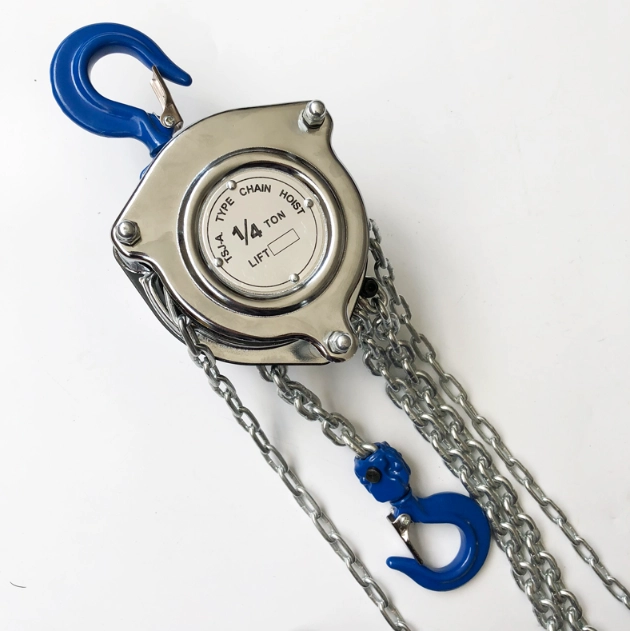
Sideways movement stands out as a regular job in manufacturing plants, repair shops, and setup locations. Tools require careful placement, devices demand precise lining up, and bulky components frequently call for lateral shifts rather than direct upward lifts. Since electric chain hoists remain readily accessible and straightforward to handle, numerous workers understandably wonder if these devices work for sideways movement too.
The response turns out far from a straightforward yes or no. Sideways movement applies notably distinct stresses to a hoist when compared to straight lifting. Grasping the way electric chain hoists function in these setups proves essential for more secure handling and greater device longevity. This overview details the benefits, boundaries, and safety measures, and it also highlights appropriate Apollo hoist options for managed sideways movement operations.
What Is Horizontal Pulling With an Electric Chain Hoist?
Before addressing whether sideways movement suits the task, it proves useful to outline exactly what the phrase signifies in routine factory operations.
Sideways movement involves shifting a weight laterally over the surface or at consistent height, rather than raising it straight up. This might entail dragging a device foundation into place, easing a form into proper line, or towing gear over a limited span in the course of assembly.
Definition and Typical Use Scenarios
Typically, sideways movement takes place in confined areas where lift trucks or overhead lifts prove impractical. Repair groups commonly depend on chain hoists for such roles because they provide reliable command and can attach nearly everywhere. Assembly areas, dock sites, storage facilities, and processing facilities all deal with these circumstances frequently.
That said, one must remember that the majority of chain hoists get built mainly for straight lifting. Putting them to use laterally alters the paths that stresses follow through the chain, attachment, and stopping mechanism.
How Load Direction Affects Hoist Performance
In straight lifting, the pull of gravity flows directly along the chain and weight attachment. But with sideways movement, lateral stresses emerge, and these can lead to chain bending, irregular damage, plus additional pressure on the mechanisms and stopping parts. Eventually, such factors could shorten the operational span or create hazardous setups.
Recognizing this structural variation becomes crucial prior to choosing how to apply any hoist in sideways tasks.
Why This Application Is Often Misunderstood
Countless incidents occur not due to device breakdowns, but rather because operators presume a hoist operates identically across all angles. Sideways movement appears basic, yet it forces the equipment beyond its standard range. Such confusion explains why producers frequently release firm operation rules.
Can an Electric Chain Hoist Be Used for Horizontal Pulling?
Having covered the fundamentals, the core inquiry gains sharper focus. Do electric chain hoists manage sideways movement in any capacity, or is it wiser to steer clear entirely?
The workable reply relies on weight magnitude, span, configuration, and user expertise.
Manufacturer Guidelines and Load Ratings
The bulk of electric chain hoists, encompassing KAWASAKI variants provided by Apollo, hold ratings solely for straight lifting. The specified capacity presumes direct-path raising with suitable positioning. Applying that identical weight rating to sideways movement lacks practicality.
Across various field scenarios, sideways movement proceeds with lowered weights and limited spans, and adhering to producer directives while decreasing the operational weight always gets advised.
Mechanical Stress on Chain and Brake System
Sideways movement imposes irregular strain on the weight chain, and the stopping system could encounter stresses it lacks preparation to sustain over time. This implies no immediate collapse for the hoist, although damage accumulates more rapidly should these scenarios turn habitual.
Particularly for electric hoists, where engines and stops function in tandem, any lateral weight introduces opposition that might escape initial notice.
When Horizontal Pulling Is Conditionally Acceptable
Sideways movement can prove feasible if executed with caution, employing direction wheels or rolling units to reroute stresses, and the essential aspect involves maintaining the chain as aligned as feasible while steering away from abrupt turns. Limited drags, modest weights, and effective tying methods create substantial improvements.
What Are the Advantages of Using a Chain Hoist for Horizontal Pulling?
Even amid the constraints, plenty of industry experts continue selecting chain hoists for sideways movement, and practical motives support that selection.
Precise Control for Short-Distance Positioning
Chain hoists enable gradual, consistent motion, which assists greatly when devices require adjustment to within millimeters, and relative to pullers or lift trucks, these hoists deliver superior sensation and halt command.
Compact Design for Confined Workspaces
Electric chain hoists feature a small footprint and attach to supports, structures, or interim bases, so in busy facilities or repair spaces, this adaptability frequently determines the outcome.
Compatibility With Trolleys and Pulley Systems
Coupled with support carriers or wheel assemblies, a chain hoist attains broader versatility, and channeling the drag path via appropriate tying lessens lateral pressure while enhancing protection.
What Are the Risks and Limitations of Horizontal Pulling?
Sound choices necessitate an honest examination of the drawbacks, since sideways movement carries inherent dangers when employing lifting tools.
Increased Chain Wear and Misalignment
Lateral loading hastens chain deterioration, so gradually, chains might elongate unevenly or warp, and should checks get overlooked, this degradation remains undetected until issues surface in use.
Reduced Brake Effectiveness
Stopping components in electric hoists get engineered to secure straight weights, yet during sideways movement, their action might seem altered, particularly if weights move abruptly, which could catch novice users unaware.
Higher Safety Requirements for Operators
Sideways movement requires heightened vigilance, as users need to monitor chain positioning, weight shifts, and secure points simultaneously, and effective dialogue along with adequate preparation remains vital.
Which Apollo Hoists Are Suitable for Horizontal Pulling Applications?
Selecting fitting tools renders sideways movement both safer and simpler to oversee, and Apollo provides an extensive selection of KAWASAKI hoists that align with diverse operational environments.
KAWASAKI Explosion-Proof Hoist HBSQ 3T
The KAWASAKI Explosion-Proof Hoist HBSQ 3T gets crafted for tough settings like processing facilities and fuel operations, and its sturdy build combined with dependable electrical management renders it apt for directed sideways movement when combined with suitable direction setups.
Professionals frequently opt for this variant when protection standards prove rigorous and operational demands intensify.

KAWASAKI Manual Chain Hoist CK 2T
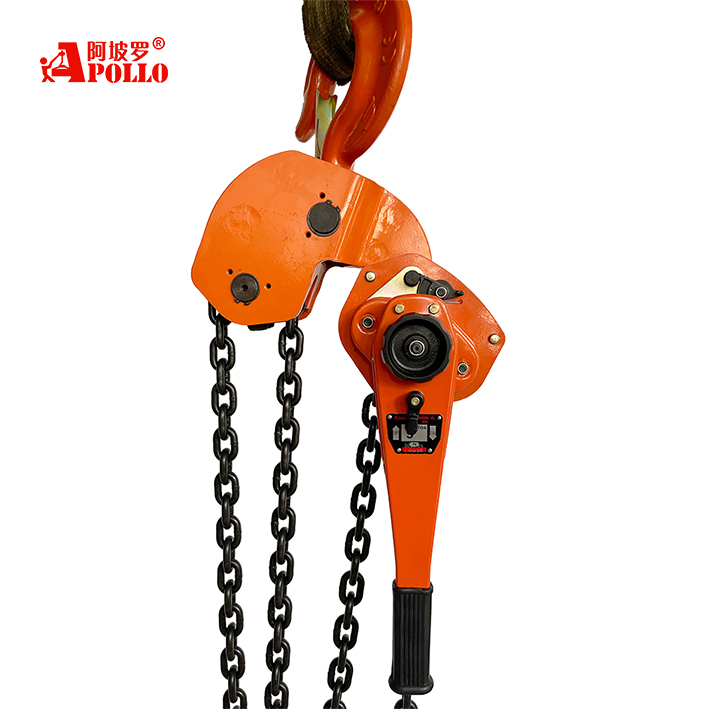
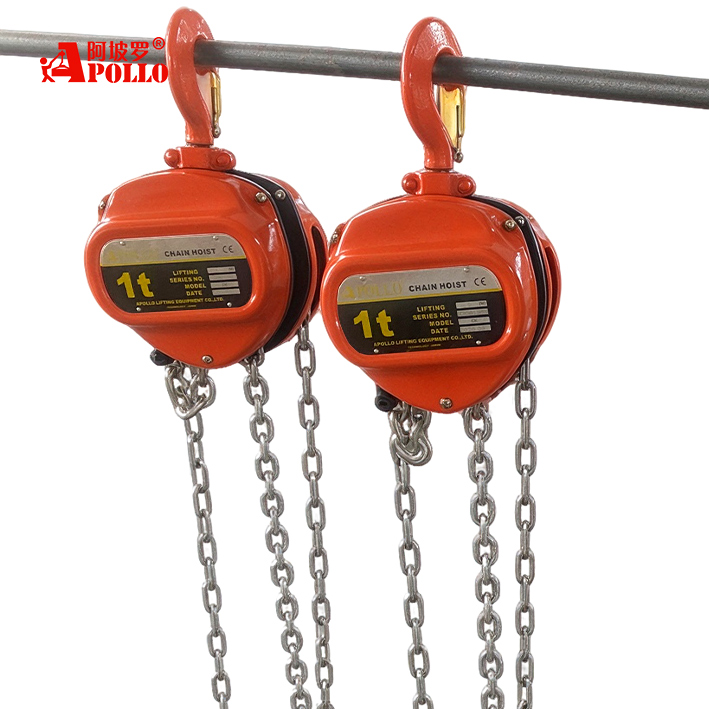
In assembly spaces and repair groups, the KAWASAKI Manual Chain Hoist CK 2T delivers a basic framework and reliable command, since hand control furnishes users with immediate response, which plenty favor for brief sideways drags.
Its resilience and adaptable attachment positions render it a frequent pick for positioning duties.
KAWASAKI Manual Chain Hoist Mini
This Mini edition suits modest operations and narrow zones, as it transports effortlessly, assembles rapidly, and commonly serves interim roles, so for minor tool placement, it presents a sensible option devoid of excess intricacy.
How Can Horizontal Pulling Be Done More Safely?
Protection ought to serve as the ultimate priority in conversations about unconventional hoist uses.
Use of Guide Pulleys and Proper Rigging
Direction wheels assist in preserving chain positioning and minimizing lateral strain, while accurate tying distributes stresses uniformly and safeguards both the hoist and the weight.
Strict Load Control and Reduced Working Load
Diminishing the operational weight counts among the easiest protection measures, and remaining considerably under the specified capacity provides additional leeway while easing pressure on elements.
Regular Inspection and Operator Training
Standard checks remain indispensable, so chains, attachments, and stops warrant examination prior to and following sideways movement activities, and instructing users to identify initial damage indicators further aids in averting interruptions and incidents.
Conclusion
Electric chain hoists do not primarily get designed for sideways movement, but through solid comprehension and thoughtful configuration, they can apply in supervised instances, and awareness of boundaries, choice of fitting tools, and adherence to secure procedures alter the results significantly.
Apollo, serving as a dedicated lifting tool distributor, furnishes KAWASAKI hoists that accommodate extensive factory requirements, so with the proper hoist and suitable strategy, sideways movement can proceed both securely and effectively.
FAQs
Q1: Is horizontal pulling with an electric chain hoist allowed by manufacturers?
A: The majority of producers specify hoists for straight lifting exclusively, yet sideways movement might receive approval in supervised scenarios featuring decreased weights and correct tying.
Q2: Should the load rating be reduced during horizontal pulling?
A: Yes, operational weights should consistently fall beneath the designated lifting capacity to offset lateral stresses and supplementary pressure.
Q3: Are manual chain hoists safer than electric hoists for horizontal pulling?
A: Hand-operated hoists provide more immediate command for limited drags, which certain users favor, although protection hinges primarily on configuration, weight management, and user proficiency rather than energy source independently.