Picking the best lifting gear is a routine choice in various workshops, repair shops, and factory service areas. People often put hydraulic lifts and jack systems next to each other for comparison, but these tools fit into quite distinct work styles and job needs. When you grasp how each one works in everyday shop settings, you can cut down on delays, boost safety levels, and manage ongoing expenses more effectively.
In places dealing with car repairs, machine setup, or brief load raises, the decision usually boils down to mobility against automatic operation. This overview examines hydraulic lifts and jack systems from a hands-on viewpoint, and it also highlights reliable jack options from Apollo Hoist under the KAWASAKI brand.
What Are The Key Differences Between Hydraulic Lifts And Jack Systems?
Prior to choosing gear, it’s useful to go past mere weight limits and pay attention to how these devices perform right on the shop floor. Hydraulic lifts and jack systems operate on separate principles, which in turn shape their usefulness in daily tasks.
Fundamental Operational Differences
Hydraulic lifts use fluid force along with motorized setups to hoist items straight up. They tend to be stationary setups, made for frequent raise-and-lower cycles that need little hands-on effort. After setup, running them is simple, usually via switches or pedal controls.
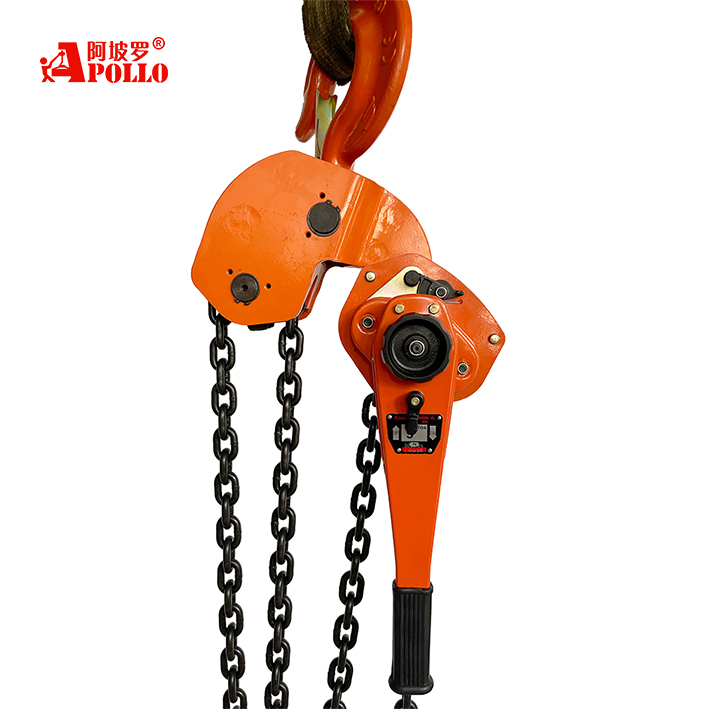
Jack systems, by contrast, consist of manual or partly manual devices. Operators apply effort via mechanical advantage, grips, or small hydraulic parts inside movable frames. These jacks react right away to the user’s input, so they suit jobs that call for minor tweaks instead of nonstop hoisting.
Such a contrast makes hydraulic lifts seem steadier and more hands-free, whereas jacks come across as more direct and quick to respond. In numerous shops, that personal touch isn’t a downside; rather, it turns into a regular plus.
Typical Use-Case Scenarios In Workshops
Hydraulic lifts find common use in raising whole vehicles, assembly lines, or spots where the work repeats throughout the day. Once placed, they remain fixed and shape the way tasks move around them.
Jack systems come into play when jobs shift frequently. For instance, they help lift one part of a device, fine-tune its position, or prop up a weight for a short time. In fix-it shops, technicians often shift jacks from one spot to another, which gives them greater adaptability in hectic spaces.
For sites tackling varied assignments rather than a single steady routine, jack systems usually align better with the actual rhythm of the workday.
Safety And Stability Characteristics
Both options can stay secure if handled right, yet hazards show up in varying forms. Hydraulic lifts count on gaskets, lines, and energy sources. If upkeep slips, damage or drips might cause abrupt force drops.
Jack systems depend on sturdy build, firm footing, and correct weight positioning. Well-made jacks featuring auto-locking brakes and tough platforms, like those KAWASAKI models from Apollo Hoist, manage to keep weights firm even amid brief halts or shifts.
In spots where workers keep eyes on the weight constantly, jack systems often seem more foreseeable and simpler to rely on.
Why Should You Consider Jack Systems For Certain Workshop Tasks?
Not all hoisting jobs demand a permanent platform or electric setup. In plenty of actual shop situations, basic approaches save both time and funds.
Faster Setup And Portability
Jack systems need hardly any assembly. They work immediately from the shelf, and that counts a lot for pressing jobs or tight quarters. Relocating a jack for a fresh assignment takes just moments, not lengthy efforts.
This mobility proves extra handy in service areas where setups vary or when fixing big pieces that won’t fit into a set lift zone.
Cost-Effective Solutions For Routine Lifting
Next to hydraulic lifts, jack systems bring down initial outlays and skip setup fees. There’s no call for ground changes, power connections, or drawn-out startup waits.
For modest and mid-sized shops, this savings gap often decides coverage for multiple lift spots. Rather than sinking money into a single big lift, a few jack systems can spread out to various zones.
Space-Saving Advantages
Hydraulic lifts claim steady floor room, even idle. Jack systems tuck away neatly when not needed, thus opening up key shop space for other activities.
In packed shops, that extra room smooths out processes and cuts odds of bumping into gear by mistake.
How Do Handle-Type Mechanic Jacks Stand Out?
Of the various jack styles, handle-type mechanic jacks hold steady appeal for their mix of command, power, and user-friendliness. They are basic devices, yet smartly crafted versions make a real impact.
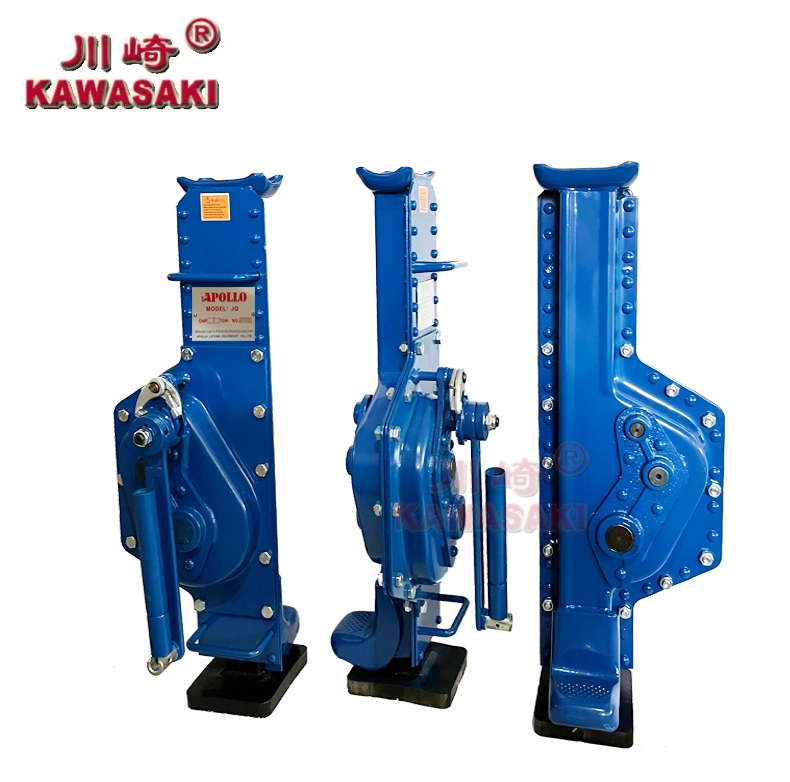
Kawasaki Handle-Type Mechanic Jack JQ Features
The KAWASAKI Handle-Type Mechanic Jack JQ, offered by Apollo Hoist, uses strong alloy steel plus a beefed-up base. A deeper slot boosts weight grip, and the auto-brake for loads secures the spot right after raising ends.
Its foldable grip setup eases packing and shifting, which helps in shops where gear gets passed among crews. These traits aren’t showy, but they tackle common gripes that techs face each day.
Ideal Applications For Handle-Type Jacks
Handle-type jacks suit device upkeep, car fixes, and gear fitting where straight-up raising occurs over brief distances. They often raise parts only enough for checks, swaps, or realignments.
Since the raise happens step by step, users can pause anytime and tweak things without haste.
Benefits In Everyday Shop Use
During regular runs, dependability outweighs quickness. The plain mechanics of handle-type jacks limit breakdown spots and allow simple reviews. Lots of shops favor devices that permit easy sight checks over those with buried parts.
For groups that prize toughness and plain operation, this jack style blends right into standard duties.
When Is A Toe Jack The Better Choice?
Certain weights rest too close to the ground for usual lift aids. That’s when toe jacks step in as key tools, particularly in factory-like spots.
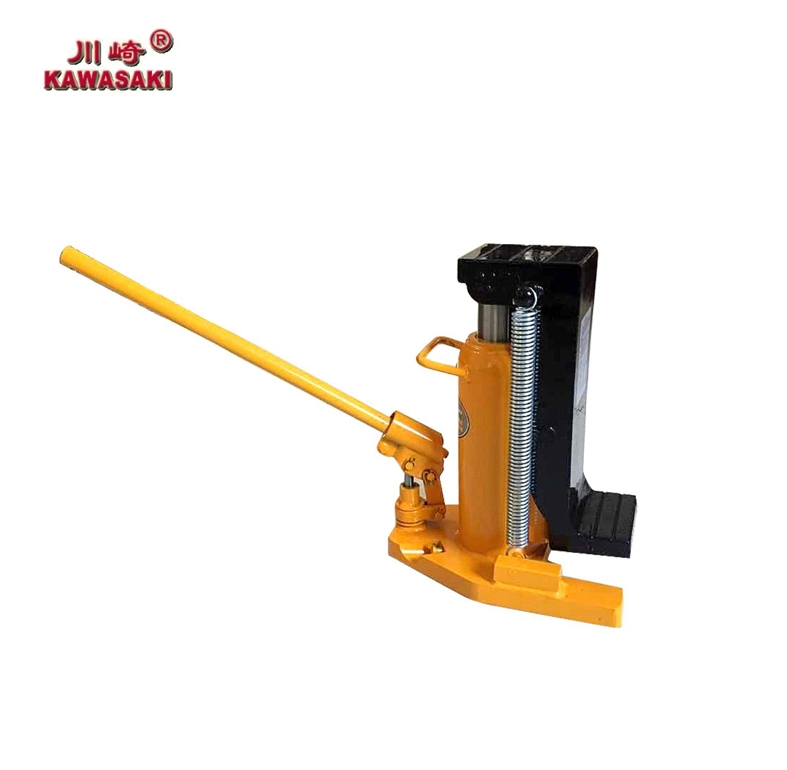
Kawasaki Toe Jack MHC Highlights
The KAWASAKI Toe Jack MHC, provided via Apollo Hoist, targets raising weights with scant floor gap. Its small toe slips beneath machine feet or metal frames where regular jacks can’t go.
Made for tough jobs, the MHC line keeps balance solid while hoisting from near-ground levels. This build cuts back on added props or unsafe shortcuts.
Lifting Low-Profile Loads With Ease
Toe jacks see broad use in machine setup, moves, and leveling. For hefty gear that requires just inches of lift to add wheels or shift stance, toe jacks offer managed raising without too much rise. This steady motion drops tilt dangers and builds worker trust in exact tasks.
Compatibility With Heavy Equipment
Shops managing presses, CNC units, or big factory machines frequently turn to toe jacks as backup aids instead of main hoisters. Paired with load carts or wheels, they create a versatile shift setup.
The power and tight form of the KAWASAKI Toe Jack MHC render it a solid pick for these challenging areas.
What Safety And Efficiency Factors Should Workshops Prioritize?
Selecting lift gear goes beyond weight specs. Over the long haul, security and productivity hinge on habits and vendor backing.
Proper Load Rating And Jack Placement
Sticking to the right weight limit is fundamental, though errors persist. Weights must remain under the max rating, and spots need to be even and firm. Sloped grounds or slanted touch areas raise hazards, no matter the gear’s caliber. Top-notch jacks simplify right positioning with solid bases and smart touch zones.
Inspection And Maintenance Best Practices
Regular checks ensure jack systems stay trusty. Looking for damage, bends, or odd pushback in use spots issues soon. Unlike intricate hydraulic setups, mechanical jacks permit fast eye scans without fancy gear. This ease aids safer routine handling, above all in fast-paced shops.
Apollo Support And Warranty Considerations
Apollo Hoist delivers KAWASAKI lift gear with straightforward warranty details and expert help. Steady item standards, approved build processes, and follow-up care let shops keep faith in their tools as time goes on.
For firms that lean on lift aids daily, solid sourcing and aid count as much as the device.
FAQs
Q1: Are jack systems suitable for heavy industrial workshops?
A: Yes. High-quality jack systems, including handle-type and toe jacks from KAWASAKI, are widely used in heavy industrial settings for positioning, alignment, and short-range lifting tasks.
Q2: Can jack systems replace hydraulic lifts completely?
A: Not always. Hydraulic lifts are better for repetitive full-height lifting. Jack systems are better suited for flexible, task-based lifting where portability and control matter more.
Q3: Why choose Apollo Hoist for workshop lifting equipment?
A: Apollo Hoist offers proven KAWASAKI products with certified quality, practical designs, and reliable after-sales support, making them a dependable partner for long-term workshop operations.