Lifting chains form the core of numerous factory tasks, building sites, and shipping centers. If someone picks the wrong size chain or checks it badly, the danger goes beyond simple delays; it could lead to broken tools, failed checks, or major accidents. Thus, learning the right way to size lifting chains turns into an essential safety step, not just some minor tech point.
This overview covers how to size lifting chains for weight handling and rule following, which elements count most in routine work, and how Apollo Hoist’s KAWASAKI LIFTING G80 CHAIN works well in tough hoisting spots where dependability stands firm.
What Factors Affect Lifting Chain Load Capacity?
Before grabbing a gauge or looking at a weight table, it pays to know what truly sets the safe weight a lifting chain can manage. Weight handling never relies on one figure alone, for it stems from various physical and rule-based elements that combine.
Chain Grade And Material Properties
All lifting chains do not match in quality. Chain grade ranks among the top items that checkers and designers examine first. Greater grades offer stronger pull resistance and firmer hold against tiredness from ongoing weights.
KAWASAKI LIFTING G80 CHAIN comes from solid alloy steel and follows Grade 80 rules. With a base break point near 800 MPa and a usual safety buffer of 4:1, this chain gains wide use in factory hoisting jobs. That mix of power and bend makes Grade 80 a sensible pick for hand and machine winches.
Material buildup also shapes how a chain acts as time passes. Lesser steel might clear a first weight trial but fade quicker in actual job settings. Alloy steel chains with right heat work keep their form longer and display damage more steadily, which aids during reviews.
Diameter And Link Geometry
Chain thickness ties straight to weight handling, yet it should never get eyed roughly. A tiny shift in thickness can alter the safe load bound a lot.
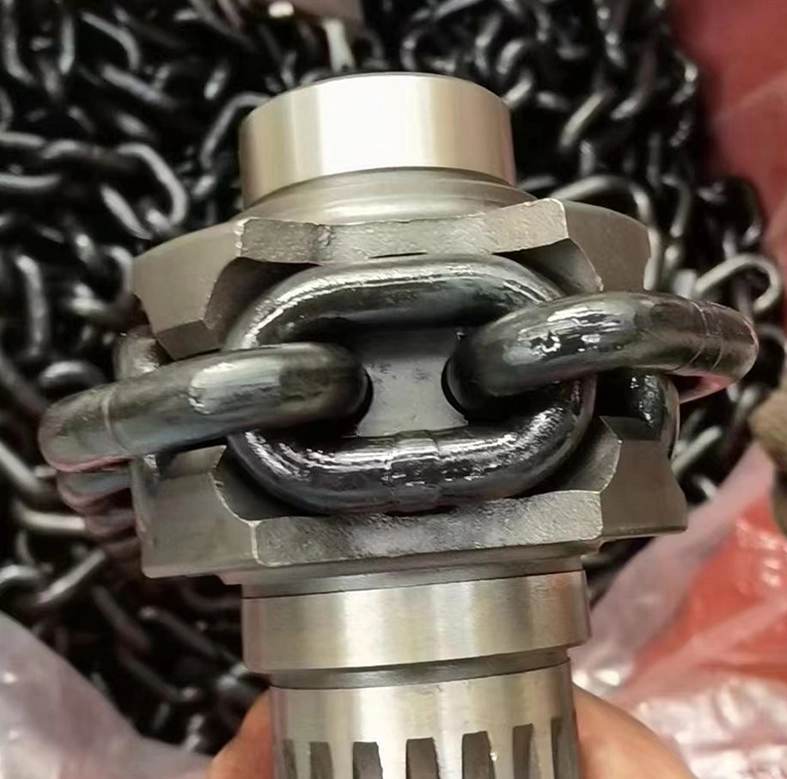
Link shape matters just as much. Compact-link lifting chains, like ones in KAWASAKI G80 builds, spread weight better and mesh smoother with chain gears and grabs. Badly formed links might form weak spots, causing patchy damage or quick breakdowns.
In hands-on ways, exact sizing of thickness and spacing proves key before trusting any weight math.
Working Load Limit Standards
Working Load Limit (WLL) stands as a set value from rules like EN, ISO, or local hoisting laws. WLL builds in a safety cushion, so it must never get topped in standard runs.
Apollo Hoist offers lifting chains that match global rules and face load trials prior to shipping. For the KAWASAKI LIFTING G80 CHAIN, every set gets tested at weights far over its marked WLL, which eases audit passes for builders and site heads with less worry.
How Do You Measure A Lifting Chain For Load Capacity?
After grasping the main elements, real sizing gains real sense. Sizing a lifting chain avoids guesses or basic tools; instead, it calls for steady steps and ties to maker info.
Measuring Link Diameter And Pitch
Sizing often begins with link thickness. A tuned gauge measures the chain metal width over the link, skipping rubbed or pressed zones. One should check multiple links to find a mean figure.
Spacing, or the inside span of one link, gets sized too. Wrong spacing might lead to loose fits in winch slots, speeding damage to both chain and hoisting gear.
Apollo’s KAWASAKI G80 chains stick to set compact-link sizes, so they pair well with many hand and electric winches from Apollo Hoist.
Evaluating Chain Wear And Elongation
Damage sizing holds equal weight to starting sizes. As time goes, rubbing and weight rounds can shrink link thickness or stretch the chain.
Stretch gets sized by eyeing a set number of links and matching the span to the base spec. If stretch tops permitted bounds, often near 2–3%, the chain needs pulling from duty.
Since KAWASAKI lifting chains receive heat treatment and stem from managed alloy steel, damage signs stay more even. Thus, upkeep crews can catch flaws soon rather than find them in a bust.
Referencing Manufacturer Load Charts
No sizing wraps without eyeing the maker’s weight table. Thickness by itself does not set WLL. Chain grade, build method, and trial rules all play roles.
Apollo Hoist gives plain weight info for KAWASAKI LIFTING G80 CHAIN, so users can link chain scale to job wants surely. This skips chancy guesses and aids buying teams in picking right chains without extra specs that raise prices.
How To Ensure Lifting Chain Safety Compliance?
Right sizing backs rule keeping, but rule keeping also rests on how chains get picked, noted, and cared for as time runs.
Inspection Criteria For Wear And Damage
Steady checks form a core need in most hoisting rules. Checkers seek splits, rust, warped links, heavy damage, and heat harm.
Grade 80 chains with dark coat, such as ones from Apollo, offer clear sight lines, so surface flaws show easier. This minor trait frequently cuts time in standard looks.
Any chain with plain twists or splits must get pulled at once, even if sizes seem fine still.
Matching Load Limits With Application Needs
A usual slip lies in choosing a chain just on top weight, ignoring lift slant, jolt weights, or site states.
In actual runs, moving forces might top still weights. For that reason, many builders favor G80 chains with solid safety buffers and steady build acts. Apollo Hoist’s hoisting fixes often get picked for plants, stores, and build sites where weights shift often and spots stray from perfect.
Documentation And Regulatory Standards
Rule keeping covers more than gear. Notes count too. Trial papers, material tracks, and check logs often come up in reviews.
Apollo Hoist aids this by giving chains built under ISO-set systems and trialed pre-ship. For firms working over areas, this steadiness eases meeting varied rule needs.
Why Choose Apollo’s Lifting Chains For Heavy Duty Applications?
Among various lifting chains available, selecting a trusty provider shifts daily tasks and lasting cost handling notably.
KAWASAKI LIFTING G80 CHAIN Performance Features
KAWASAKI LIFTING G80 CHAIN suits hard hoisting work. Strong pull force, set alloy makeup, and compact-link build all add to firm act under weight.
Each chain faces proof trials and builds to meet known hoisting rules, fitting both hand winches and powered setups from Apollo Hoist.
Durability And Corrosion Resistance Benefits
Lasting power goes beyond just might. Coat work and heat steps shape how a chain faces wet, grit, and steady rub.
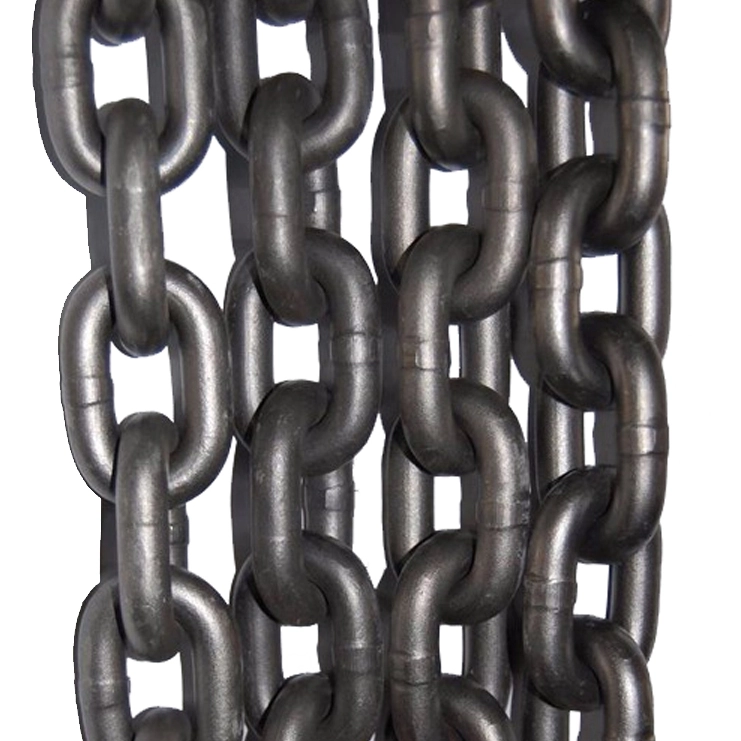
The common dark coat on many KAWASAKI G80 chains gives basic rust hold while easing checks. For rougher spots, Apollo can back custom coat works via its OEM and ODM skills.
Compatibility With Hoists And Rigging Gear
A lifting chain ought to pair smooth with grabs, gears, and winch wheels. Bad pairing brings sound, shakes, and quicker damage.
As Apollo Hoist gives full hoisting systems, from chain winches to tie gear, KAWASAKI chains build to blend easy with linked tools. This full setup cuts wrong fits and eases care plans.
How To Maintain And Extend The Life Of Your Lifting Chains?
Even top lifting chains fail soon if care gets skipped. Solid steps keep chains safe and running longer.
Proper Lubrication And Storage Practices
Chains need clean keeps and light oil to cut rub between links. Too much oil pulls grit, while bare chains damage faster.
Storing counts as well. Chains on wet floors or open to chems rust quicker. Right hanging and shielding from bad spots lengthens use time clearly.
Routine Safety Inspections Schedule
Check pace ties to use rate, but steady looks always beat swaps after breaks. Many sites take daily eye checks and deeper monthly ones.
As G80 chains show damage signs plainly, checkers decide quicker and surer.
Training For Operators And Maintenance Staff
Even fitting chains can get used wrong. Training runners to honor weight bounds, skip jolt weights, and note odd signs early stops many troubles.
Apollo Hoist frequently aids buyers not only with goods, but with use tips, so teams gain more from their hoisting gear. If you have such needs, please contact us.
FAQ
Q1: How often should lifting chains be measured and inspected?
A: In most industrial settings, visual inspections should happen before each use, while detailed measurements are typically done monthly or according to local regulations. High-use environments may require more frequent checks.
Q2: Can a Grade 80 lifting chain be used for overhead lifting?
A: Yes, Grade 80 chains like the KAWASAKI LIFTING G80 CHAIN are commonly approved for overhead lifting when used within their rated working load limit and inspected regularly.
Q3: What is the main sign that a lifting chain should be replaced?
A: Visible cracks, bent links, excessive wear, or elongation beyond allowed limits are clear signs. If there is any doubt, removing the chain from service is always the safer option.