Introduction
In 2026, reports about global industrial accidents revealed a concerning trend. Nearly 38% of lifting-related incidents linked to gear that failed to follow guidelines or lacked proper care. These issues resulted in major drops in production. They also led to serious harm and loss of life. As sectors move toward intelligent plants and automatic material transport, organizations such as OSHA and ISO have strengthened regulations for hoisting devices. Fresh guidelines emphasize IoT-driven oversight, safeguards against excessive weight, and certified instruction for workers.
Meanwhile, the electric chain hoist sector is expanding quickly. Analysts forecast a steady CAGR of approximately 6.7% for the electrical chain hoists market through 2034 (with chain-type variants reaching up to 7.1% in certain analyses), driven by automation, stricter safety regulations, and industrial expansion in emerging markets. This rise indicates growing demands for exact lifting in locations like workshops, depots, and construction zones. Such areas need both power and reliable security measures.
“KAWASAKI” products adhere to the purpose of providing customers with high quality, high efficiency, reasonable price, excellent service and the most satisfactory after-sales service. Through Apollo’s distribution network, the Kawasaki electric chain hoist has become a trusted solution for companies seeking compliance without sacrificing performance. Built under ISO9001 and CE/GS certifications, these hoists combine advanced safety features with durable engineering to minimize operational risk while meeting global standards. In an era where compliance isn’t optional but essential for survival, reliable equipment like the Kawasaki electric chain hoist represents not just a tool—but a safeguard for people, assets, and reputation.
The High Cost of Non-Compliance
Failure to comply in hoisting jobs creates issues far larger than mere penalties from regulations. If an electric chain hoist fails due to inadequate maintenance or outdated structure, the resulting halt can stop entire assembly lines. OSHA penalties for serious violations can reach up to $16,550 per infraction (as adjusted for 2025-2026 inflation), with willful or repeated violations up to $165,514. However, indirect expenses, such as missed contracts, increased premiums, and eroded confidence, usually surpass those direct costs by a wide margin.
In 2026, industrial safety authorities implemented stricter norms for automation security. These norms demand real-time weight monitoring and electronic logs of examinations for every motorized lifting device. The updates stemmed from a surge in mishaps caused by overloads and fatigue in unmonitored setups. Businesses unable to verify adherence faced brief closures until they applied fixes and received verifications.
Exposure to lawsuits is increasing too. Harm from non-standard hoists frequently triggers extended legal battles or settlements that can devastate small firms. Damage to reputation endures even more. Customers increasingly request evidence of CE or ISO approvals before granting projects.
Apollo has achieved ISO9001 quality management certification and European Community CE/GS safety certification. These certifications aren’t just formalities—they are shields against operational risk. A certified Kawasaki electric chain hoist from Apollo aligns with these evolving requirements by integrating overload protection systems and limit switches that prevent unsafe operation.
Moreover, halts from unsuccessful reviews can cost big producers thousands each hour in missed production. To avoid these setbacks, firms need suitable hardware. They also require steady records of upkeep tasks. Apollo’s post-purchase assistance aids clients in this smoothly via video tutorials and parts supply.
Common Compliance Failures in Chain Hoists
Despite straightforward regulations, numerous facilities fall short of complete adherence due to ongoing troubles like:
| Compliance Failure | Description | Risk Level |
| Overloading | Exceeding rated capacity during lifts | Extremely High |
| Poor Maintenance | Lack of lubrication or inspection | High |
| Unqualified Operators | Insufficient training or supervision | Moderate |
| Chain Wear/Failure | Undetected cracks or corrosion | Severe |
Overloading remains the top cause of equipment breakdowns. Employees frequently exceed the defined limits of manual chain hoists during peak periods. They fail to notice the constant pressure on internal components.
Inadequate care worsens these threats. Chains without lubrication or exposed to tough conditions deteriorate faster than anticipated. Untrained personnel heighten the peril. They could ignore warnings or bypass protective mechanisms intended to stop hazardous actions.
This is where Kawasaki’s engineering philosophy makes a difference.
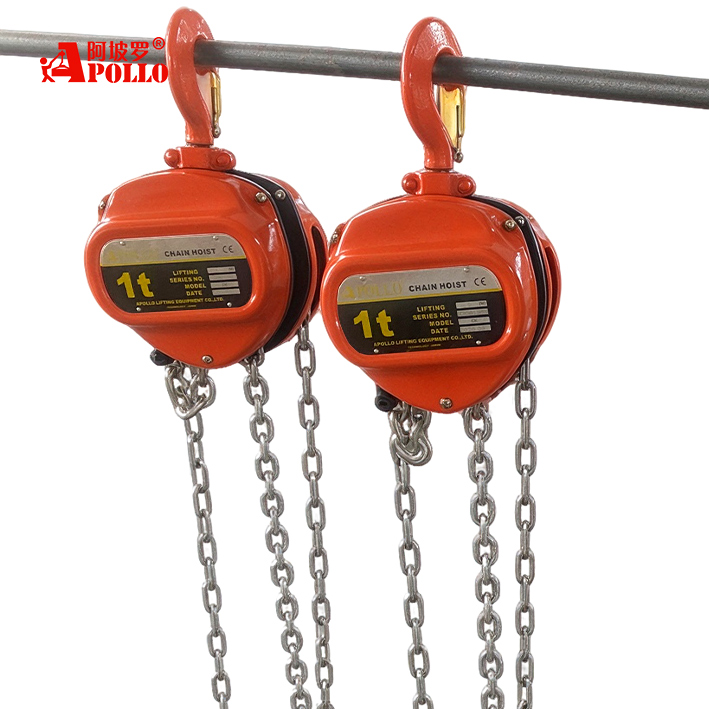
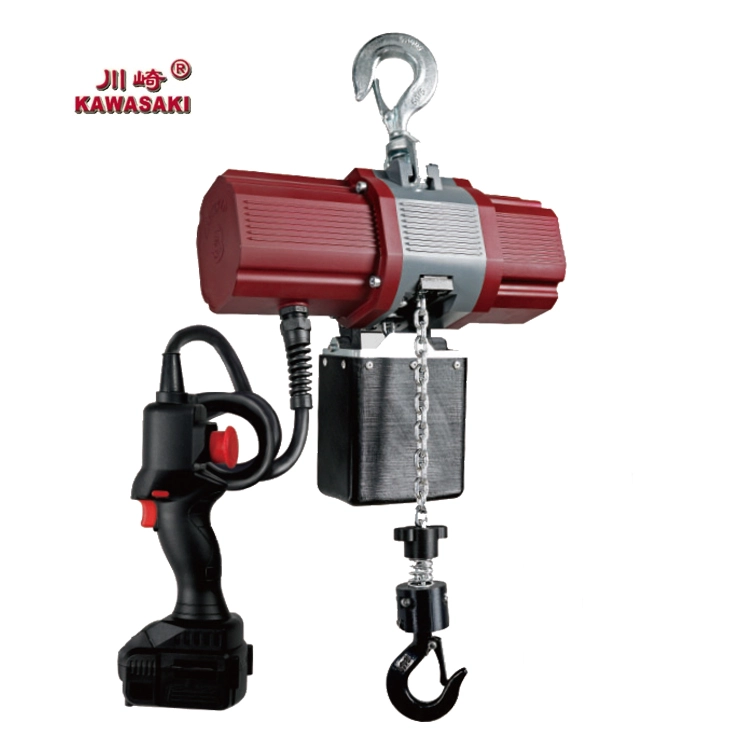
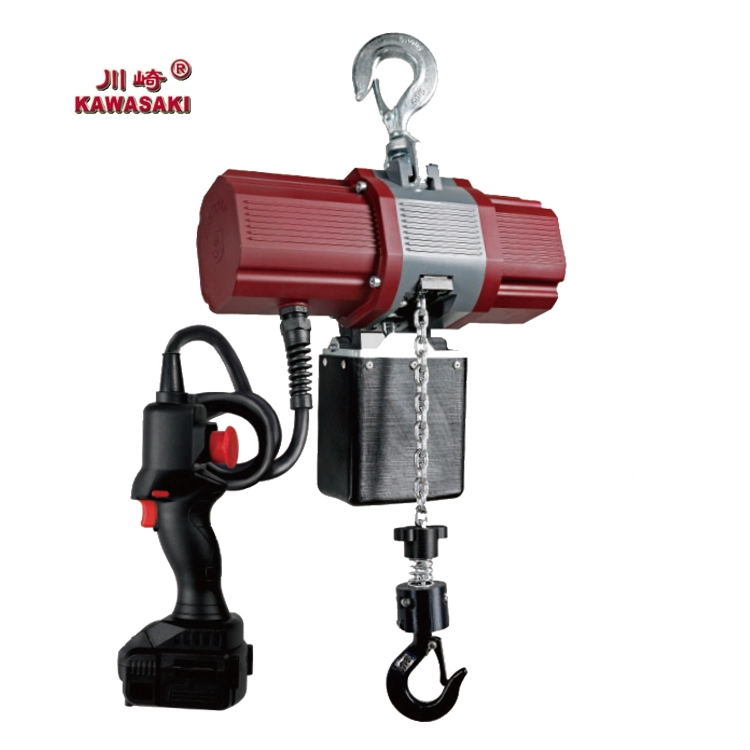
KAWASAKI brand series products include: chain electric hoist, wire rope electric hoist, hand chain hoist The Kawasaki electric chain hoist integrates dual braking systems for redundancy and aluminum heat-dissipating shells that extend motor life under continuous use. Waterproof control housings protect internal circuits from dust and humidity—critical features for outdoor construction sites or coastal warehouses.
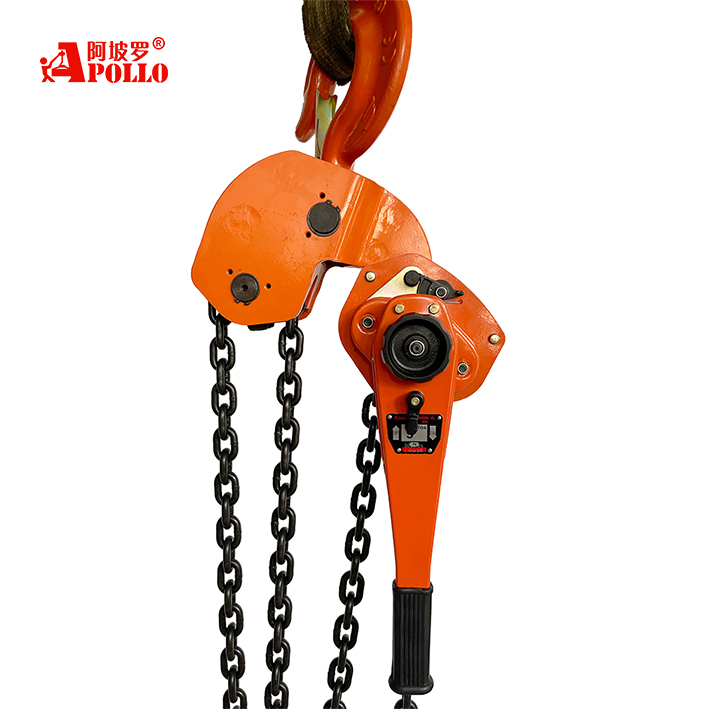
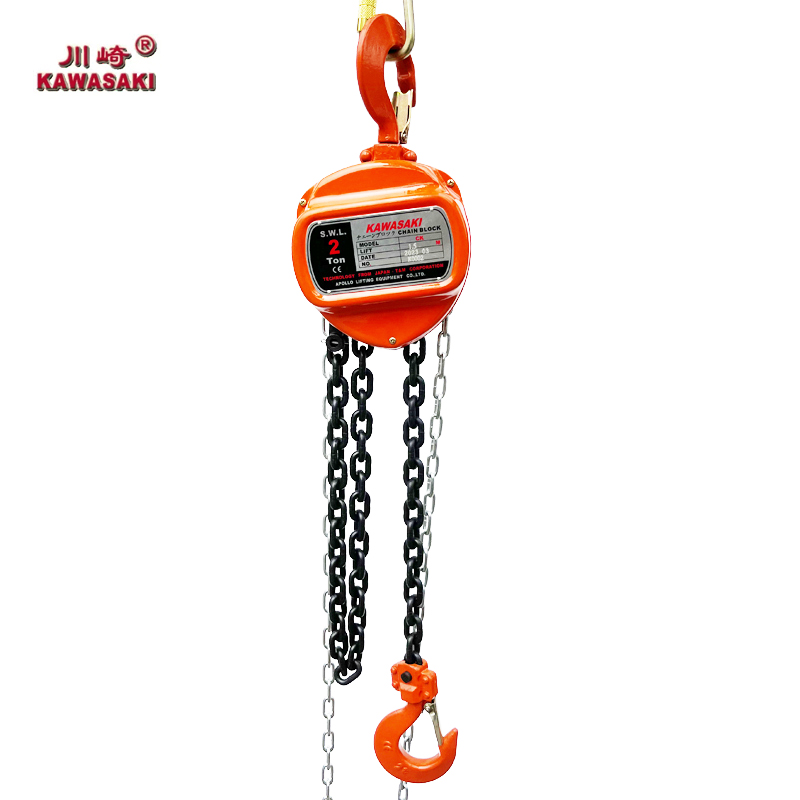
For hybrid setups combining manual backup systems with powered units, Apollo offers complementary Kawasaki manual chain hoists featuring load-limiting functions and 360° operation capability. KAWASAKI MANUAL HOIST CHAIN HOIST CK Function customization: 360° operation load limiting function riot-proof, rust-proof. Together they form a cohesive system that maintains compliance even when power sources fluctuate or specialized handling is required.
How Kawasaki Electric Chain Hoists Ensure Compliance
Adherence begins at the planning stage. Kawasaki’s electric chain hoists follow that approach. Every version undergoes rigorous evaluations prior to shipment:
“Whole machine assembly inspection: Strictly inspect the assembly process of the whole machine to ensure that the performance of the whole machine meets the design requirements.” “Factory performance testing: Conduct comprehensive testing on the performance of the entire machine including lifting capacity, operational stability, safety performance”
Such assessments guarantee consistent output from each produced item. This matters greatly when devices must satisfy international inspections.
Key Compliance Features
- Overload Protection:Automatically halts operation when loads exceed rated limits.
- Dual Brake System:Provides redundancy during power loss.
- Limit Switches:Prevents over-travel at upper/lower lift points.
- Heat-Dissipating Aluminum Shell:Maintains optimal temperature under continuous duty.
- Waterproof & Dustproof Design:Suitable for harsh industrial environments.
- CE/ISO Certification:Meets European Community CE/GS safety standards.
Apart from structural dependability, versatility stands out. Function customization: such as explosion-proof, dust-proof, rain-proof, frequency conversion, two-speed This adaptability enables fitting into automated assembly lines. There, adjustable speed management delivers accurate placement. It meets demands from recent automation safety rules.
Real-World Scenarios
Manufacturing Plants: A metalworking facility upgraded to Apollo’s Kawasaki DCEK hook-type electric chain hoists with frequency conversion options for precise speed control. This upgrade reduced cycle times noticeably while maintaining detailed compliance records through integrated overload monitoring and limit switch data—ensuring full alignment with evolving OSHA and ISO requirements.
Logistics Warehouses: In humid environments like Southeast Asian distribution centers, the waterproof and dustproof designs on Kawasaki models (including sealed controls) prevented common electrical faults seen in older equipment, significantly cutting unplanned downtime and supporting consistent regulatory audits.
Construction Sites: Portable Kawasaki electric chain hoists equipped with weather-resistant features allowed reliable performance during adverse conditions, such as rain, without compromising safety protocols or triggering compliance violations. These examples demonstrate how Kawasaki’s compliance-focused engineering—backed by Apollo’s exclusive OEM customization—delivers uninterrupted operations, competitive advantages, and enhanced worker confidence in high-stakes industrial settings.
Best Practices and Maintenance Checklist
Even top-quality devices demand ongoing attention to remain in line with norms. Standard review procedures ought to blend into routine activities:
Step-by-Step B2B Checklist
- Visual Inspection (Daily):Check chains for wear or deformation; confirm hooks rotate freely.
- Lubrication (Weekly):Apply manufacturer-approved oil along full chain length.
- Load Test (Quarterly):Verify rated capacity using calibrated weights.
- Brake Check (Monthly):Engage emergency stop under no-load condition.
- Record Keeping (Continuous):Maintain digital logs accessible for audits.
- Operator Training (Annual):Certify staff on updated OSHA/ISO protocols.
Apollo bolsters this approach with focused after-sales help:
“Can provide video guidance on how to use the product” and “Provide accessories services.”
For business customers needing particular setups—like voltage customization from single-phase 110V–240V to three-phase 380V–575V (depending on model and region)—Apollo’s OEM tailoring service adjusts each piece exactly:
Voltage customization: single phase three phase 110V–575V.
Regular following of these steps not only lengthens device durability but also supplies proof paths vital for rule checks or coverage assessments.
Conclusion
Industry mishaps tied to hoisting tools that ignore standards continue to hinder worldwide safety improvements. However, individuals can prevent them completely through wise investments in certified technology and consistent maintenance routines. The Kawasaki electric chain hoist from Apollo embodies this balance between innovation and responsibility through its CE-certified engineering, overload safeguards, and adaptable OEM options suitable across sectors from logistics hubs to heavy manufacturing plants.
Organizations seeking long-term reliability and compliance should reach out to Apollo today for a customized consultation or quotations on compliant Kawasaki electric chain hoists designed around modern regulatory frameworks.
FAQs
Q1: What makes a Kawasaki electric chain hoist compliant with international standards?
A: Each unit carries CE/GS certification under ISO9001 quality management systems and includes built-in overload protection plus limit switches aligned with current OSHA/ISO requirements.
Q2: How often should manual chain hoist maintenance be performed?
A: Daily visual checks combined with weekly lubrication are recommended; more intensive inspections every three months help detect early signs of wear before they compromise compliance.
Q3: Can Apollo customize electric chain hoists for different voltages or environments?
A: Yes—voltage customization ranges from single-phase 110V up to three-phase 575V along with explosion-proof or dust-proof configurations depending on site conditions.
Q4: What are common causes of non-compliance in lifting operations?
A: Overloading beyond rated capacity, poor record keeping, skipped inspections, and untrained operators remain top contributors according to recent industrial audits.
Q5: Why is investing in compliant lifting equipment financially beneficial?
A: Beyond avoiding fines or shutdowns, compliant systems reduce downtime risk and improve worker confidence—ultimately driving higher productivity across operations while protecting corporate reputation.