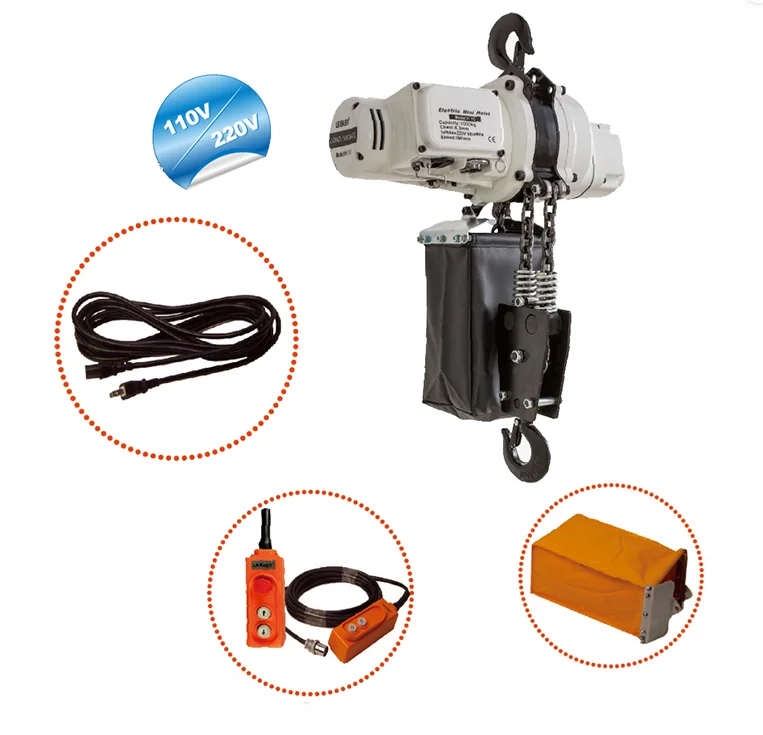
Introduction: The Paradox of the Lightweight Hoist
When sourcing lifting equipment for industrial applications, procurement managers and plant engineers often encounter a puzzling phenomenon: two electric hoists with identical rated tonnage — say, 2 tons — can have drastically different weights. One model may feel surprisingly portable, while another is noticeably heavier and more robust. This raises critical questions: Why do some electric hoist manufacturers produce unusually lightweight models for the same capacity? And what hidden costs — in performance, safety, or service life — come with that reduced weight?
At Hangzhou Apollo Lifting Equipment Co., Ltd. , with decades of experience as a trusted name among heavy lifting hoist suppliers, we have analyzed hundreds of hoist designs across global markets. This article provides an objective, engineering-driven guide to understanding lightweight electric hoists, the trade-offs involved, and how to make informed decisions that balance portability with reliability. Whether you are evaluating electric chain hoist options for a warehouse or specifying wire rope hoist suppliers for mining operations, the principles below will help you separate genuine innovation from risky shortcuts.
Part 1: Why Are Some Electric Hoists Lighter Than Others?
The primary drivers of weight reduction in same-tonnage hoists fall into three categories: material selection, structural design philosophy, and component downsizing.
1.1 Material Substitution: Aluminum vs. Cast Iron
Traditional hoist frames and gearboxes are made from high-strength cast iron or fabricated steel, which provide excellent damping, rigidity, and impact resistance. Lightweight models often replace these with aluminum alloys or engineering plastics (e.g., nylon-reinforced composites for housings). While aluminum reduces weight by 40–60%, it has lower fatigue strength and higher thermal expansion, which can affect gear alignment under continuous duty.
1.2 Reduced Safety Margins in Structural Design
Reputable hoist manufacturers and suppliers typically apply safety factors of 5:1 or higher for load-bearing components (chain, hooks, gears). Some lightweight designs adopt a minimum acceptable factor of 3:1 or 4:1 to shed kilograms. This is permissible under certain standards (e.g., FEM, H4) but directly impacts tolerance to shock loads and overloads.
1.3 Compact Motor and Gearbox Integration
Lightweight hoists often use high-efficiency, high-speed motors with integrated planetary gearboxes — smaller in physical size but running at higher RPMs. While this reduces weight, it increases internal heat generation and demands precision lubrication. Lower-quality versions from less experienced electric hoist suppliers may suffer from premature bearing wear.
1.4 Reduced Chain or Wire Rope Diameter
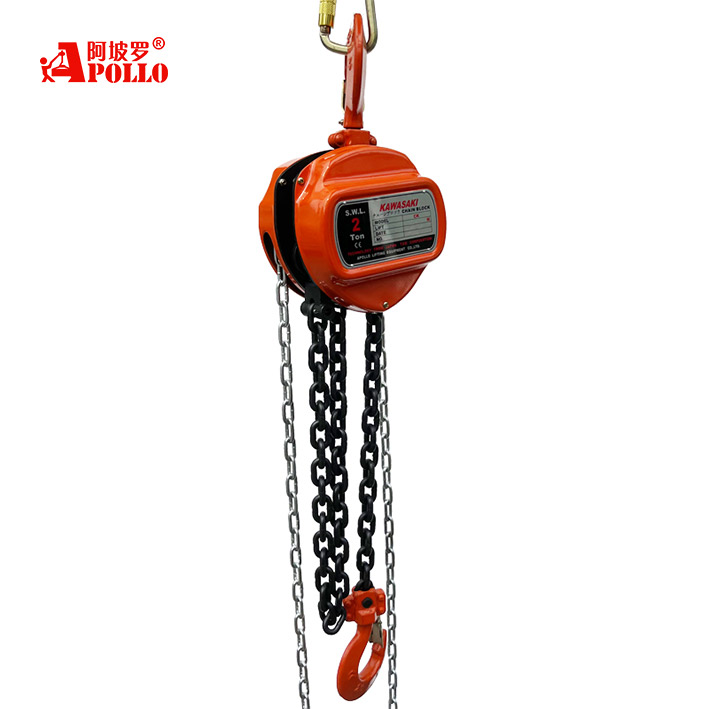
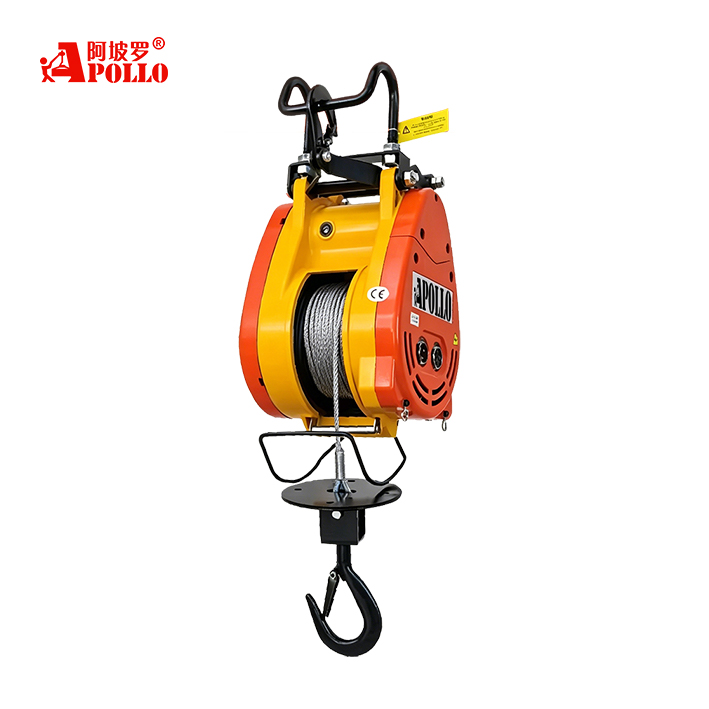
For electric chain hoists, some manufacturers use a smaller pitch chain (e.g., 5mm vs. 7mm for a 2-ton capacity) made from higher-grade steel. This saves weight but reduces wear life and makes the chain more susceptible to elongation and corrosion. Similarly, wire rope hoist suppliers may specify thinner ropes with higher tensile strength but lower abrasion resistance.
Part 2: What Performance and Lifespan Are Sacrificed?
Lightweight design is not inherently bad — for many applications, it offers real advantages in portability, installation ease, and cost. However, the sacrifices must be clearly understood.
2.1 Duty Cycle and Thermal Capacity
The most significant trade-off is continuous operation capability. A standard industrial electric hoist from leading top hoist manufacturers is often rated for FEM 2m or 3m (medium to heavy duty), meaning it can run for 30–60% of the hour without overheating. Lightweight designs — especially those with compact motors and reduced cooling fins — typically fall into FEM 1Bm (light duty), suitable for intermittent use only. Exceeding this leads to thermal shutdown, insulation breakdown, or motor burnout.
Example: In a mining operation requiring frequent lifts over an 8-hour shift, a lightweight hoist may fail within weeks, while a purpose-designed electric hoist for mining operations from a reputable crane hoist manufacturer would last years.
2.2 Structural Fatigue Life
Aluminum housings and thin-wall steel components are more prone to stress cracking under dynamic loading. Laboratory tests show that a lightweight hoist frame may survive 100,000 cycles at full load, whereas a traditional cast-iron frame exceeds 500,000 cycles — a 5x difference. This directly impacts the hoist’s service life before requiring major overhauls or replacement.
2.3 Chain and Hook Wear Rates
Lighter chains (reduced link cross-section) and smaller-diameter hooks accelerate wear. For chain hoist manufacturers, the standard wear limit for chain is 5–10% of original diameter. Lightweight chains can reach this limit 2–3 times faster, especially in dusty or corrosive environments. Similarly, lightweight hooks often lack the thickened throat section that resists bending.
2.4 Stability Under Off-Center Loads
Weight reduction often means a narrower chassis or smaller mounting footprint. This reduces the hoist’s resistance to tilting when loads are not perfectly centered — a common scenario with manual rigging or uneven lifting points. In overhead crane applications, this can cause the hoist to drift along the beam, increasing wear on trolley wheels and track.
2.5 Maintenance Accessibility and Repairability
Many lightweight designs use custom, non-modular components (e.g., integrated motor-brake units, sealed gearboxes without drain plugs). While this saves weight, it increases repair costs and downtime. Standard designs from established hoist manufacturers and suppliers prioritize modularity, allowing quick replacement of common parts like contactors, brake discs, or gear sets.
Part 3: Comparative Analysis — Lightweight vs. Standard Duty Hoists
| Feature | Lightweight Electric Hoist | Standard Industrial Electric Hoist |
|---|---|---|
| Typical FEM Class | 1Bm (light duty) | 2m – 4m (medium to heavy duty) |
| Motor insulation class | F (155°C) | H (180°C) or higher |
| Gear material | Sintered metal or plastic composite | Hardened alloy steel, ground teeth |
| Chain safety factor | 4:1 | 5:1 to 8:1 |
| Recommended working cycles/hour | ≤ 30 | 60 – 150 |
| Expected overhaul life (years) | 3–5 (intermittent use) | 10–15 (continuous use) |
| Suitable environments | Clean, light assembly, home workshops | Factories, warehouses, shipyards, mines |
Part 4: Best Practice Recommendations for Buyers
As one of the leading electric hoist suppliers with a global service footprint, Hangzhou Apollo Lifting Equipment Co., Ltd. advises customers to base their hoist selection on actual duty cycle, environmental conditions, and total cost of ownership — not just upfront price or portability.
4.1 Define Your Application Duty Cycle
Use the FEM/ISO classification system. If your hoist will operate more than 150 starts per hour or run continuously for over 30 minutes, avoid lightweight “economy” models. Instead, choose a heavy lifting hoist supplier that offers documented duty ratings.
4.2 Inspect Key Components Before Purchase
Ask your hoist manufacturers and suppliers for specifications on:
-
Chain grade (e.g., Grade 80 vs. Grade 100) and link dimensions
-
Motor insulation class and thermal protection type
-
Gear material and heat treatment
-
Housing material (cast iron FCD450 is preferred over aluminum for daily use)
4.3 Consider Total Cost of Ownership (TCO)
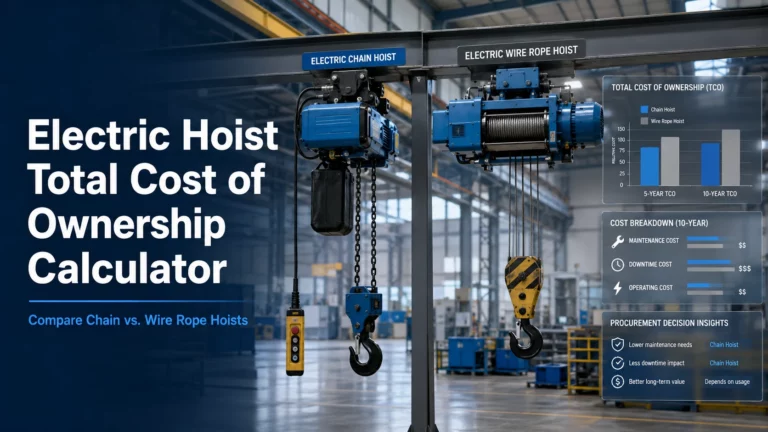
A lightweight hoist may cost 30–40% less initially, but if it requires replacement in 3 years due to worn chain or motor failure, while a standard hoist lasts 10+ years, the lightweight option is actually more expensive per lift. For warehouse overhead crane or industrial crane applications with regular daily use, invest in proven durability.
4.4 Do Not Overlook Safety Certifications
Reputable top hoist manufacturers will provide third-party certifications such as CE, ISO 4301, or ASME B30.16. Lightweight hoists from unknown crane suppliers sometimes lack these, or carry counterfeit marks. Always verify.
4.5 Customization for Special Environments
For harsh conditions — e.g., electric hoist for mining operations, marine docks, or foundries — standard lightweight hoists are rarely suitable. Hangzhou Apollo specializes in custom-engineered solutions, including corrosion-resistant coatings, explosion-proof enclosures, and high-temperature lubrication. Our team works with clients to specify the right balance of weight and ruggedness.
Part 5: Future Trends in Hoist Lightweighting
The industry is moving away from “cheap lightweight” toward intelligent lightweighting — using advanced materials and design optimization without sacrificing core performance. Key developments include:
5.1 High-Strength Alloys and Composites
Carbon-fiber-reinforced polymers and high-strength nodular cast irons allow weight reduction while maintaining fatigue life. Several crane hoist manufacturers are testing hybrid housings that are 30% lighter than cast iron but with similar damping properties.
5.2 Additive Manufacturing (3D Printing)
Complex, topology-optimized brackets and gearbox housings can now be printed in metal, removing material from non-stressed areas. This approach, used by leading hoist lift manufacturers, achieves weight savings without reducing safety margins.
5.3 Integrated Smart Sensors
Lightweight doesn’t have to mean fragile. By embedding load cells, vibration sensors, and thermal monitors, next-generation electric chain hoist suppliers enable predictive maintenance — alerting operators before a lightweight component fails. This bridges the reliability gap.
5.4 Modular Lightweight Designs
Instead of a one-size-fits-all lightweight hoist, modular systems allow users to select a lightweight frame for portability but upgrade to heavy-duty chain, motor, or gearbox modules when needed. This is a growing focus for innovative hoist manufacturers and suppliers.
Hangzhou Apollo is actively researching these technologies, ensuring that our product line — from manual hoist suppliers offerings to heavy-duty wire rope hoist suppliers solutions — evolves with engineering best practices rather than marketing gimmicks.
Conclusion: Make an Informed Choice, Not a Compromised One
The existence of lightweight electric hoists in the same tonnage class is not a scam — it is a legitimate engineering response to applications where portability and low frequency of use are priorities. However, the trade-offs in thermal capacity, structural fatigue, chain wear, and overall lifespan are real and measurable. As a responsible buyer, you must match the hoist’s design intent to your operational reality.
Hangzhou Apollo Lifting Equipment Co., Ltd. stands among the top hoist manufacturers precisely because we are transparent about these trade-offs. Whether you need a nimble electric chain hoist for a machine shop, a rugged overhead crane manufacturer solution for a steel mill, or specialized lifting clamp manufacturers accessories, we provide full documentation on duty class, materials, and expected service life. Our global network of crane suppliers and hoist suppliers ensures you get the right tool for the job — not just the lightest one.
Before your next purchase, ask your electric hoist manufacturers three questions:
-
What is the FEM/ISO duty classification of this lightweight model?
-
What is the expected chain replacement interval under my actual cycle load?
-
Can you provide third-party fatigue test reports?
If the answers are vague or absent, consider switching to a heavy lifting hoist supplier like Hangzhou Apollo — where engineering integrity outweighs short-term savings. After all, in lifting, what you sacrifice in weight today may cost you in downtime tomorrow.
For expert guidance on selecting the optimal hoist for your specific application — from warehouse crane types to large crane manufacturers for port operations — contact Hangzhou Apollo Lifting Equipment Co., Ltd. Our engineers provide free duty-cycle analysis and total-cost-of-ownership comparisons.