Introduction
Wire rope hoists form the core of many lifting tasks in construction sites, factories, and shipping yards. They manage big loads with care and speed. This makes them key for safe and smooth work. But even strong hoist setups can hit snags. These range from power glitches to part wear. Such problems cut into performance and safety. Quick fixes stop expensive delays. They also help equipment last longer.
Apollo stands out as a solid wire rope hoist maker. The firm earns praise for smart engineering and user-friendly builds. Apollo stresses toughness, accuracy, and flexibility. That’s why its hoists win trust from factory workers who need steady heavy lifting.
Overview of Wire Rope Hoists
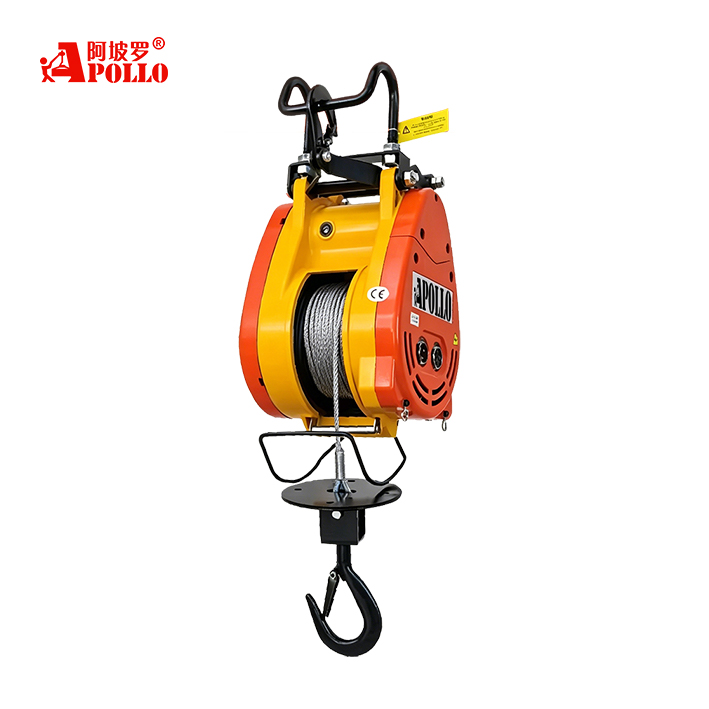
A wire rope hoist is an electric lifting tool. It uses a motor-turned drum with tough steel wire rope to lift or drop loads. The setup turns power into motion. It does this through teamwork among its main parts.
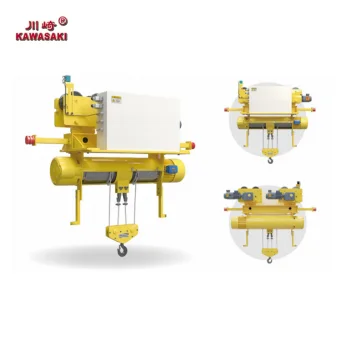
Key Components
- Motor– Delivers the force to raise or drop loads well.
- Wire Rope– A strong steel cable that holds the load’s weight.
- Drum– Spins to wind or unwind the wire rope without jerks.
- Hook Block– Links the load firmly while in use.
- Control System– Lets operators handle speed, path, and safety tools.
Typical Applications
Wire rope hoists see heavy use in several spots:
- Construction:To shift big items like steel beams or cement forms.
- Manufacturing:For grabbing machine pieces and line parts.
- Warehousing and Logistics:To pile up pallets or load goods on trucks.
These jobs call for dependability in tough spots. Apollo’s builds aim to provide that day in, day out. Take a busy shipyard, for instance. There, hoists like these handle tons of cargo without a hitch, based on what they have been seen in field reports.
Common Problems in Wire Rope Hoists
Hoist Not Lifting or Lowering
If a hoist won’t budge the load, power issues often play a role. Think shaky voltage or loose wires. Bad motors or glitchy brakes can stop things too. And control pendant mix-ups might block signals.
Unusual Noise During Operation
Grating or screeching sounds point to beat-up gears, dry spots without oil, or off-kilter shafts. Brush these off, and wear speeds up. That leads to full breakdowns eventually. In one factory case, skipping lube checks caused a $5,000 repair bill.
Wire Rope Wear or Damage
Watch for frayed spots, twists, or snapped wires on the cable. Overloading, spotty upkeep, or bad winding on the drum often cause this. It’s a real headache in dusty sites where ropes take extra abuse.
Overheating Issues
Running non-stop without breaks heats up motors fast. Too much weight or clogged air paths add to the problem. This warmth cuts short the life of parts. Data from industry logs shows overheating accounts for about 20% of hoist failures.
Load Slipping or Brake Failure
A load that slides when it shouldn’t signals worn brake pads or oily grime. Wrong brake tweaks weaken the grip. This creates big safety worries in lifting jobs. Operators in steel mills, for example, flag this early to avoid close calls.
Effective Troubleshooting Solutions
Electrical System Checks
Begin with a look at all power links for wiggles or rust. Use a multimeter to confirm steady voltage. Test the control pendant for solid signals in every mode. Swap out bad relays or contactors right away. It’s straightforward, but it saves headaches down the line.
Mechanical Inspection
Look over gears and bearings for clear damage signs often. Fix any drum-to-motor shaft mismatch quickly. Stick to lube schedules with the right grease from the maker. This cuts down on drag. From experience, weekly checks in high-use spots prevent most mechanical woes.
Wire Rope Maintenance
Eye the ropes each day for bends or rust. Swap them if over 10% of strands break in one lay length. When rewinding, keep tension even over layers. This stops inner fiber harm from messy winding.
| Inspection Frequency | Task | Notes |
| Daily | Visual check for kinks/frays | Replace if damaged |
| Weekly | Lubricate rope surface | Use compatible wire rope lubricant |
| Monthly | Check drum grooves | Ensure smooth winding |
Brake System Adjustment
Try braking under light loads before going full tilt. Tweak spring pull if stops take longer than usual. Change out beat linings at once. Clean oily brake faces with solvent cleaners. In practice, this keeps things reliable, especially after a few hundred cycles.
Prevent Overheating
Don’t push past rated run times without pauses. Give cool-down time after long hauls. Clear dust from air vents. This matters a lot in gritty construction areas full of debris. One tip from old-timers: a quick fan check monthly goes far.
Preventive Maintenance Best Practices
A clear upkeep plan keeps wire rope hoists safe and running:
- Daily:Eye hooks, limit switches, and control cables.
- Weekly:Look at gearboxes for drips; confirm brake hold.
- Monthly:Gauge insulation strength; run load tests as required.
Training operators is key too. Plenty of breakdowns come from misuse, not bad builds. Keep service notes to spot wear patterns. This aids following rules like ISO9001 upkeep standards. Kawasaki gear gets tough factory tests before shipping. Apollo follows suit. Each unit hits strict checks before real jobs.
Why Choose Apollo Wire Rope Hoists
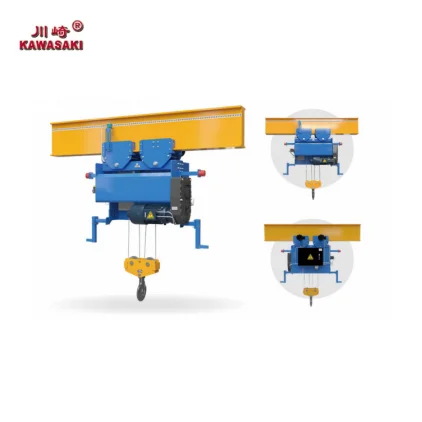
Apollo’s wire rope hoists shine with strong build and exact work fit for rough spots like docks and metal shops. The firm adds smart safety bits. These include overload guards and two-speed setups for better control on different weights. Honestly, in a pinch, that dual speed has saved more than a few awkward lifts.
Our company’s goods offer solid quality and sharp looks. They draw buyers from near and far. Apollo keeps this up with fresh designs. Plus, strong support teams supply parts globally.
Additionally, our company has passed ISO9001, ISO2000 quality system certification, and obtained European Community CE/GS safety certification. Such approvals give factory buyers peace of mind. Apollo’s items match world benchmarks. They stay affordable via custom OEM choices like those from top brands.
Conclusion
Fixing wire rope hoists calls for know-how and steady watchfulness. This covers circuit scans to brake tests under weight. Routine looks stop minor flaws from growing into big stops that stall lines. Active upkeep boosts safety. It also ups value over long use. Not every day is perfect, though—sometimes a surprise kink pops up, but that’s part of the game in heavy work.
For fields needing trusty lift tools with solid engineering and quick help crews, Apollo wire rope hoists prove a go-to pick. They suit building sites, plant floors, and cargo spots with daily heavy pulls. For expert support or product inquiries, contact Apollo to find the right hoisting solution.
FAQs
Q1: What causes a wire rope hoist to stop working suddenly?
A: Abrupt halts often tie to power glitches like fused wires or flipped breakers. Motor heat safeguards can kick in too, from steady overloads in tough lifts.
Q2: How often should wire ropes be inspected or replaced?
A: Quick looks happen daily before starts. Swap ropes once wear tops maker limits—usually over 10% strand harm in one lay length.
Q3: Why is my hoist making unusual noise during operation?
A: Odd sounds typically stem from worn gears short on oil or crooked bearings in the gear box. This hits older setups without regular care.
Q4: What are the signs of brake failure in a hoist?
A: Red flags cover longer stops with loads, slides at rest, scorch smells by brake parts, or spotty holds after many runs.
Q5: How can I extend the lifespan of a wire rope hoist?
A: Follow upkeep plans closely—think steady lube reviews—and skip overloads. This stretches gear life while holding repair bills in check over years.