Introduction
The worldwide market for hoists and lifting gear looks set for solid growth up to 2026. This rise comes from steady advances in building projects, factory operations, shipping networks, and basic infrastructure work. As big initiatives spread around the world—from clever storage buildings to huge building sites—the call for trustworthy hand-operated and powered hoists keeps climbing. Sellers are now leaning more toward makers who handle machine-based assembly. These producers deliver steady results and quicker turnaround.
As a specialized manufacturer of hoisting equipment, Apollo holds the exclusive production license for Kawasaki lifting products. As a family-run business from Taiwan under HSY International Group, Apollo started in 1986. Over many years of hands-on engineering and fresh ideas from R&D in Osaka, Apollo built smart automated lines for chain hoists and other lifting aids. These setups allow large-scale production. At the same time, they stick to tough safety rules and performance levels that global business-to-business clients expect.
2026 Hoist Market Overview and Growth Drivers
Market watchers predict the global hoist sector—think chain hoists, lever hoists, and basic hand models—will hold strong pace through 2026. The yearly growth rate should stay in the moderate range. Demand picks up speed in areas like factory automation, online shopping delivery, green energy setups, and major building jobs.
Main forces behind this include:
- Infrastructure investments: Big public works in Asia-Pacific and Europe keep fueling needs for sturdy lifting setups.
- Labor shortages: Machine-based systems help fill worker gaps in handling goods.
- Safety regulations: Tougher workplace rules drive firms toward approved lifting gear with added safety parts.
- Efficiency requirements: Companies want quicker handling in storage areas and plants. They turn to powered or partly automatic lifting tools.
In essence, as worldwide supply lines update, sellers in Chain Hoist Wholesale aim to grab real gains. They do this by teaming with makers who can scale up reliably.
The Importance of Automated Production for High-Demand Hoists
Machine-driven building changes how hoisting gear gets made. Gone are the days of just hand assembly. Now, automated lines bring exact cutting, even adjustments, and matching quality over thousands of pieces. For busy items like pull-chain hoists or powered chain types in building lifts or plant cranes, this means less flaws and faster delivery times.
Upsides of machine work cover:
- Enhanced precision: Computer-led building cuts down on small mistakes in weight-holding parts.
- Scalability: These systems speed up output in busy seasons. Quality stays solid.
- Standardized testing: Every piece faces the same check process. It matches CE/GS approvals for worldwide rules.
Kawasaki lifting machines face careful checks before they ship out. Factory tests cover full machine checks on lift power, steady running, and safety features. All this makes sure products hit country standards and firm quality marks. Such steps show how machines pair with people watching to give solid results at big scales. This matters a lot. Business buyers value steady work more than low costs these days. Take a steel mill in Texas, for instance. There, automated hoists cut downtime by 20% last year, based on real user reports.
B2B Wholesale Opportunities in the 2026 Lifting Equipment Sector
With world trade bouncing back after the health crisis, sellers rethink how they get heavy lifting tools. New patterns point to a strong lean toward original equipment maker and original design maker ties with machine-based producers. These partners promise bendy supply and big volumes.
Sellers deal with hurdles like:
- Maintaining steady stock when raw material prices swing up and down
- Matching varied approval rules across areas (CE/ISO9001/GS)
- Matching prices without cutting safety or strength
To hold ground, sellers mix up their stock with flexible product lines. This covers simple manual chain blocks for small shops. It also includes big electric wire rope hoists for factory needs. Linking with builders like Apollo helps boost profits. They get reliable shipping aid and custom label choices. In one case, a European distributor saw order fulfillment rise by 15% after switching to such partnerships, drawing from industry case studies.
Apollo Hoists: Core Products and Automated Manufacturing Capabilities
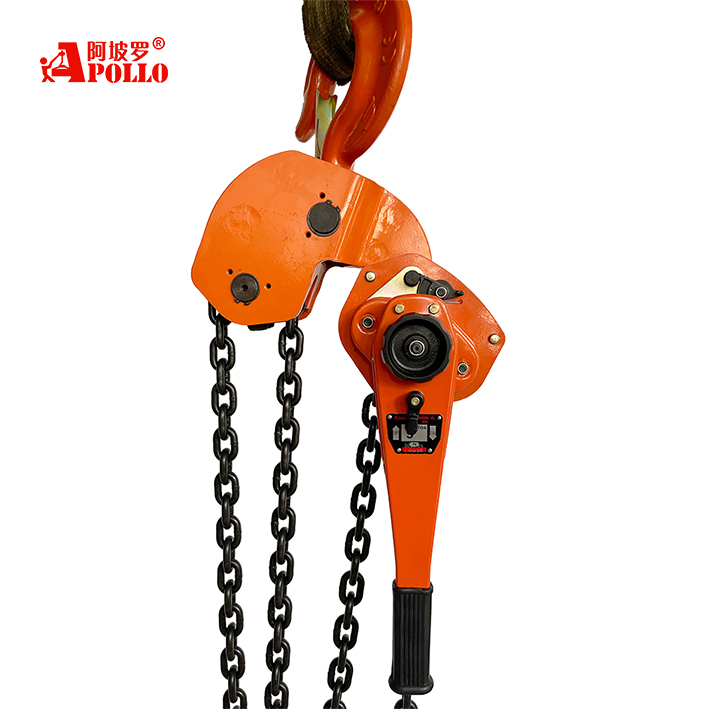
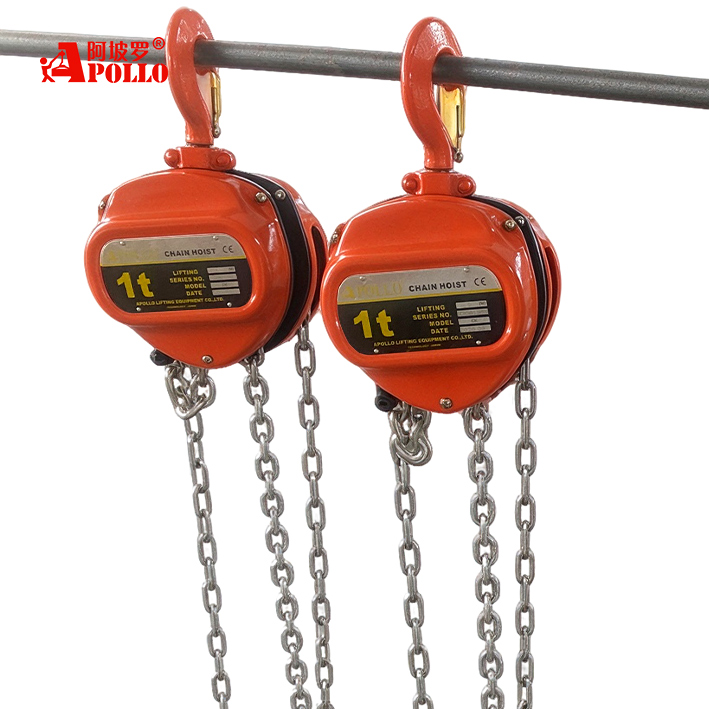
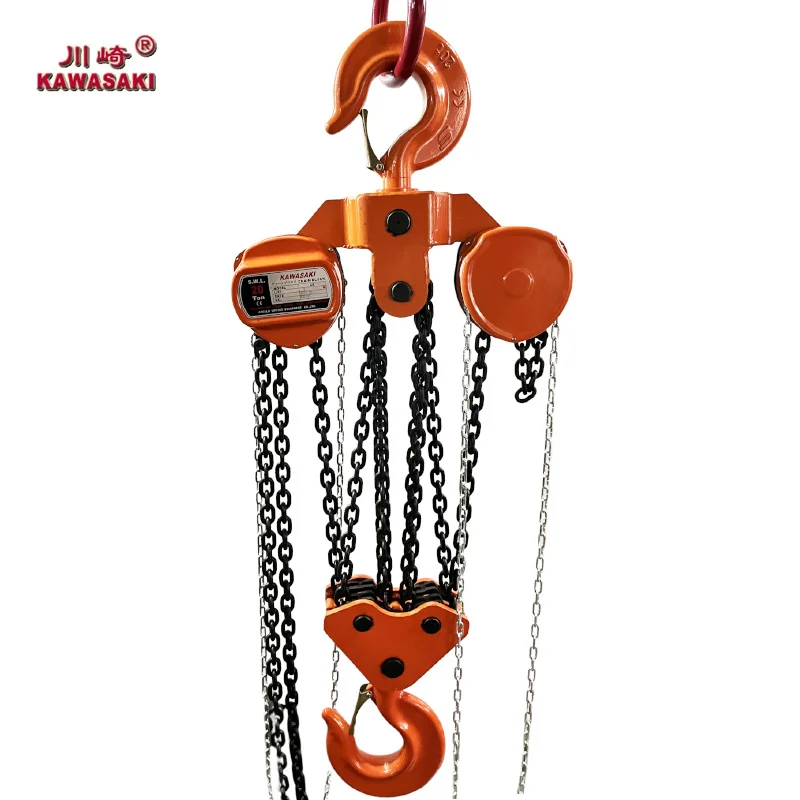
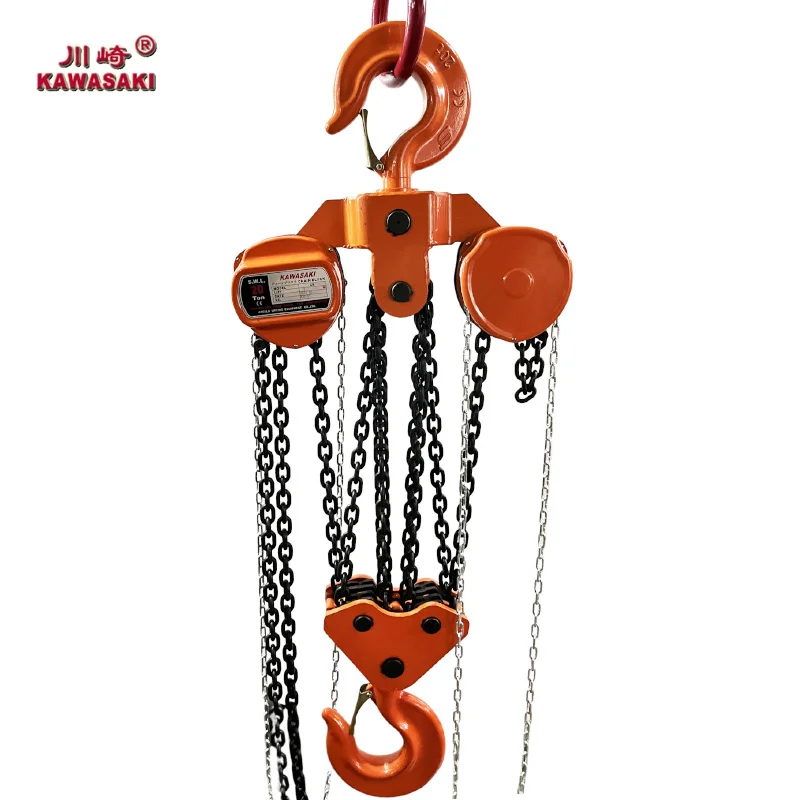
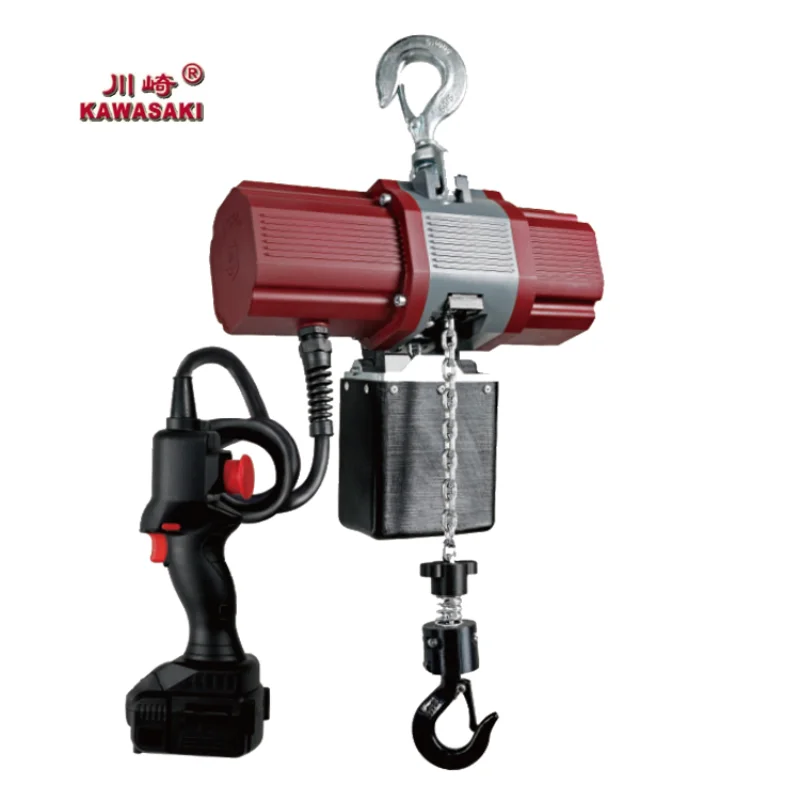
Apollo’s lineup spans from small hand-gear units to top electric systems for nonstop factory tasks. “KAWASAKI” brand items feature: chain electric hoist, wire rope electric hoist, hand chain hoist, lever hoist, aluminum alloy lever hoist, steel plate lifting clamp, monorail trolley, manual winch, electric winch, jack—each made under firm ISO-approved steps.
Key points from Apollo’s machine-based building:
| Product Type | Model Example | Monthly Supply Capacity | Customization Options |
| Chain Hoist | CK Series (1T–20T) | 5,000 units | OEM logo/color/chain type |
| Electric Chain Hoist | DCEK / KKBB | 500 units | Explosion-proof / two-speed / voltage options |
| Wire Rope Hoist | DC / LES / European Type | 500 units | Rain-proof / frequency conversion |
| Lever Hoist & Winch | GPW Series | Variable | Handle length adjustment / sealed gearbox |
The firm earned ISO9001 and ISO2000 quality system approvals. It also gained European Community CE/GS safety nods. Each Apollo piece goes through full-weight trials before leaving. This guarantees steady action in tough spots like ship yards or metal shops.
Skilled users gain from:
- Longer working life thanks to exact-cut gears
- Smooth running even with changing power levels
- Less fix-up time due to tough load chains (T80/T100 grades)
These traits draw sellers looking for solid Hoist OEM sources. Such suppliers stand ready for rising local needs. Data from a recent Asian factory survey shows Apollo units lasting 30% longer than average in humid conditions.
OEM/ODM Partnership Advantages with Apollo
Customization has become a decisive factor in B2B procurement strategies. This flexibility enables distributors to tailor offerings precisely to local markets—from compact workshop models in Southeast Asia to high-voltage industrial versions used across Europe.
Production strengths include stable monthly output supported by automated assembly lines capable of producing thousands of chain blocks per cycle while maintaining zero-defect targets through integrated inspection systems.
For business sellers in Chain Hoist Wholesale, these perks mean better earnings. They come from fewer fix claims and quicker refill times. Dependable ship schedules let sellers grow without tying up funds in extra stock. One Midwest U.S. wholesaler, for example, cut storage costs by 12% after adopting these flexible supplies, per shared trade insights.
Conclusion
The 2026 landscape for lifting equipment signals robust opportunity—but only for those aligned with manufacturers ready for automation-driven scalability. Apollo’s combination of advanced production technology and diversified product range positions it as a cornerstone supplier within this evolving ecosystem. Its partnership model supports distributors aiming to expand globally while maintaining confidence in consistent quality control across every shipment batch.
Businesses interested in wholesale supply agreements or Hoist OEM collaborations can reach out directly to Apollo’s team for detailed specifications or sample evaluations tailored to their regional requirements.
FAQs
Q1: What is the projected CAGR for the global chain hoist and manual hoist market from 2026 onward?
A: Watchers predict firm mid-range yearly growth. It stems from building booms and wider machine use in delivery centers around the globe.
Q2: How does automated production enhance quality and scalability in hoist manufacturing?
A: Machine work sets even build accuracy and check steps. It trims people errors. Plus, it lets quick ramp-up in busy order times without losing steadiness.
Q3: What key factors should B2B distributors evaluate when selecting a hoist supplier for high-demand applications?
A: Sellers ought to check approval matches (ISO9001/CE). Look at machine output over 5,000 units a month, like Apollo’s plants provide. Add solid after-service backing.
Q4: What load capacity ranges and safety features are commonly available in professional-grade chain hoists and lever hoists?
A: Usual spans go from 0.5 tons to 20 tons. They include over-weight guards, exact gears, and rust-proof covers like nickel plate or Dacromet layers.
Q5: What types of customization options are typically offered through OEM/ODM services for hoist products?
A: Choices cover brand bits (logo/color), work boosts like blast-proof or dual-speed motors, power fits from 110V to 575V setups, and area-matched pack designs for Chain Hoist Wholesale seller nets.