1. Introduction: Why Electric Hoist Safety Is a Critical Industrial Question
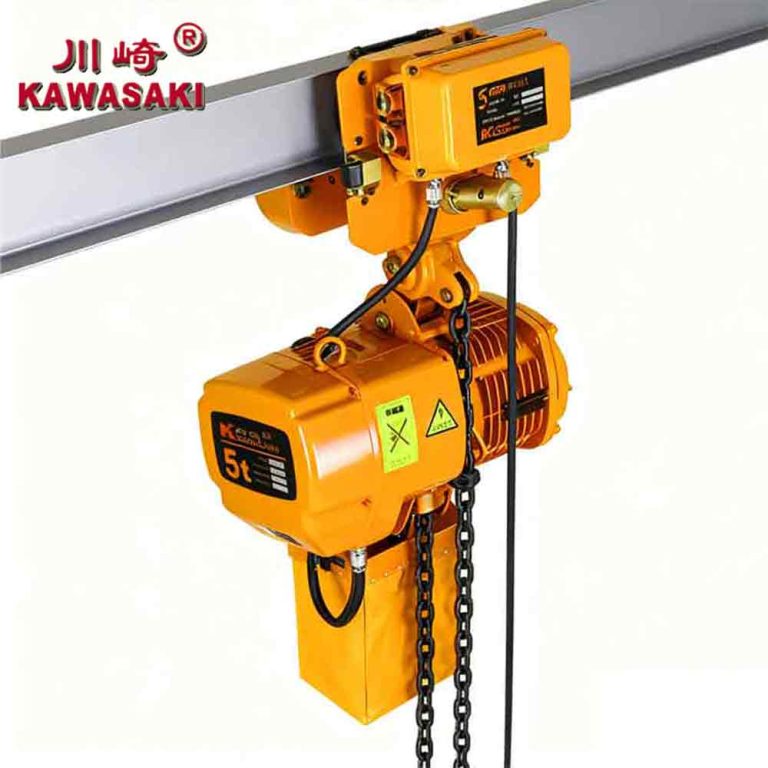
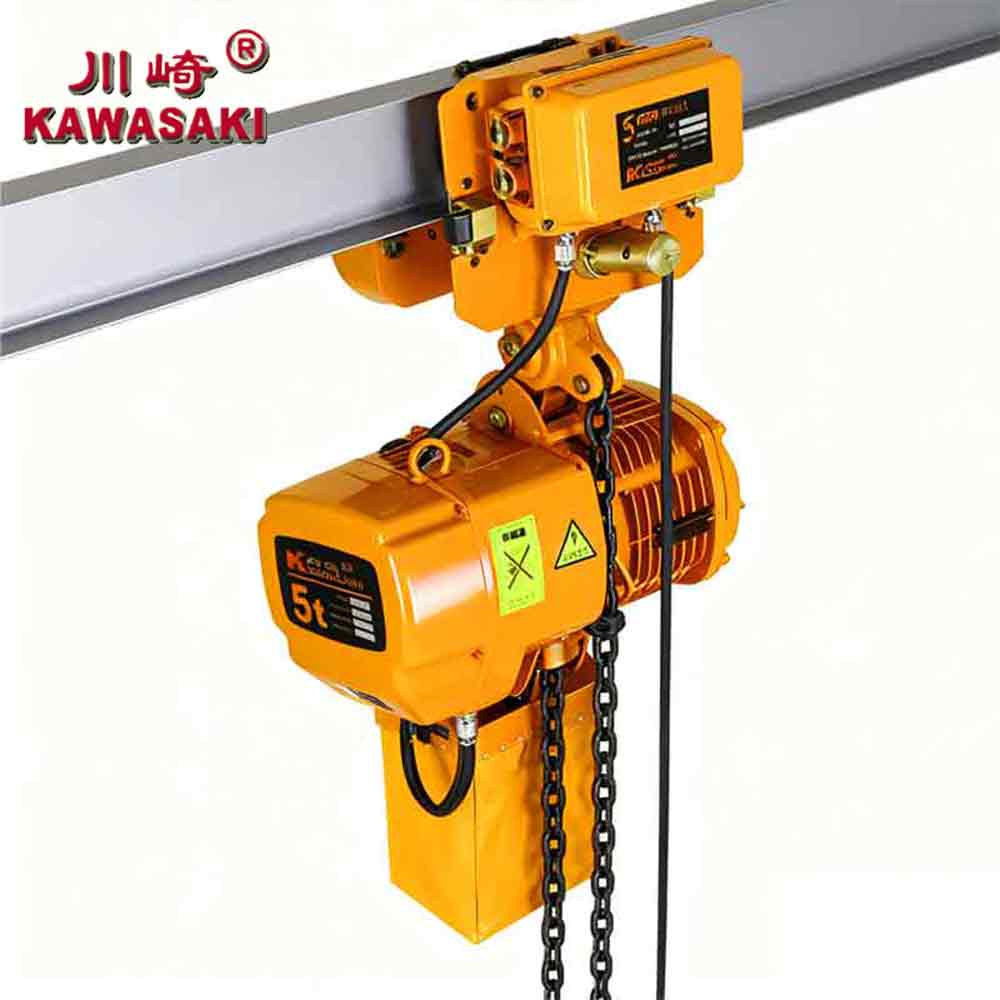
Electric hoists have become indispensable components of modern industrial lifting crane systems. From manufacturing plants and warehouses to mining operations and construction sites, the electric chain hoist and electric wire rope hoist enable efficient, repeatable, and precise material handling.
However, a fundamental concern remains among procurement managers, plant engineers, and safety officers:
If the power suddenly goes out or the hoist malfunctions while a load is suspended, will the load fall?
This question is not theoretical. It directly affects:
-
Worker safety
-
Asset protection
-
Regulatory compliance
-
Operational continuity
As one of the experienced electric hoist manufacturers, Hangzhou Apollo Lifting Equipment Co., Ltd. has encountered this concern across global markets. This article provides a technical, standards-based, and experience-driven explanation of how modern electric hoists are designed to prevent catastrophic failure.
2. Understanding the Basic Operating Principle of an Electric Hoist
To evaluate safety, it is essential to understand how an electric hoist works.
2.1 Core Components of an Electric Hoist System
Whether produced by leading hoist manufacturers and suppliers or integrated by crane hoist manufacturers, a typical electric hoist consists of:
-
Electric motor
-
Gear reduction system
-
Load chain or wire rope
-
Load brake (mechanical and/or electromagnetic)
-
Limit switches
-
Suspension or trolley system
Unlike manual hoists or industrial manual hoists, electric hoists rely on controlled electromechanical systems designed with fail-safe logic.
3. Will the Load Fall If Power Goes Out? The Short Answer
No. A properly designed and compliant electric hoist will not allow the load to fall freely during a power failure.
This is not a marketing claim—it is an engineering requirement enforced by international standards and implemented by reputable electric hoist manufacturers.
4. The Most Critical Safety Feature: The Load Brake System
4.1 Fail-Safe Mechanical Brakes Explained
Modern electric chain hoist and wire rope hoists use spring-applied, power-released brakes.
How it works:
-
When power is supplied, the brake is electrically released.
-
When power is cut (intentionally or accidentally), the spring force automatically engages the brake.
This principle ensures:
-
No reliance on electricity to hold the load
-
Immediate stopping of motion
-
Zero free-fall risk
This braking philosophy is standard among top-tier electric wire rope hoist manufacturers and crane hoist manufacturers.
4.2 Dual Brake Systems for Heavy Lifting Solutions
For critical or heavy-duty applications, especially in:
-
Mining
-
Steel production
-
Port handling
-
High-risk industrial lifting crane systems
Manufacturers implement dual braking systems, such as:
-
Primary mechanical load brake
-
Secondary electromagnetic or motor brake
This redundancy is a hallmark of Heavy lifting solutions engineered for maximum risk mitigation.
5. What Happens During Mechanical Malfunction?
5.1 Common Malfunction Scenarios
Typical failure scenarios include:
-
Gear wear
-
Motor overheating
-
Control circuit failure
-
Overloading beyond rated capacity
Reputable hoist manufacturers and suppliers design systems to respond predictably.
5.2 Overload Protection Devices
Most modern electric hoists include:
-
Mechanical overload clutches
-
Electronic load limiters
If the rated capacity is exceeded:
-
Lifting motion stops automatically
-
The brake remains engaged
-
Structural components are protected
This is especially critical in electric hoist for mining operations, where dynamic loads are common.
6. Role of Limit Switches in Preventing Runaway Conditions
Upper and lower limit switches:
-
Prevent over-travel
-
Stop the motor before chain or rope damage occurs
-
Protect the load path
These devices are mandatory in compliant products supplied by responsible electric hoist suppliers and chain hoist manufacturers.
7. Manual Lowering and Emergency Load Control
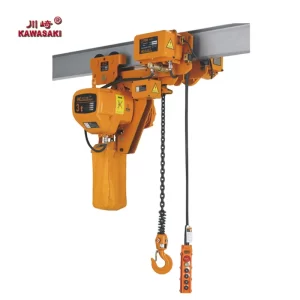
Some advanced electric hoists offer:
-
Controlled emergency lowering mechanisms
-
Manual brake release (under strict procedures)
This allows safe recovery without sudden load release—another reason why industrial users rely on professional hoist manufacturers and suppliers rather than low-grade equipment.
8. Comparison: Electric Hoists vs Manual Hoists in Safety Context
While industrial manual hoists and hand winch manufacturers still serve niche applications, they rely heavily on operator skill.
Electric hoists provide:
-
Consistent braking force
-
Automated protection systems
-
Reduced human error
This makes them preferable for crane used in industry environments requiring repeatable safety performance.
9. Integration with Overhead Cranes and Industrial Systems
Electric hoists are rarely standalone devices. They are integrated into:
-
warehouse overhead crane systems
-
industrial crane manufacturers solutions
-
Customized material handling lines
Safety performance therefore affects the entire crane system, reinforcing the need to source from experienced crane suppliers and crane hoist manufacturers.
10. International Safety Standards Governing Electric Hoist Design
Reputable manufacturers comply with:
-
ISO standards
-
CE directives
-
FEM classifications
-
ANSI / ASME standards
Compliance ensures:
-
Mandatory fail-safe braking
-
Structural safety margins
-
Verified performance under fault conditions
Hangzhou Apollo Lifting Equipment Co., Ltd. designs products in accordance with these frameworks, ensuring global applicability.
11. Best Practices for Buyers and Engineers
When selecting an electric hoist:
-
Verify brake type and redundancy
-
Confirm overload protection mechanisms
-
Request test certifications
-
Evaluate manufacturer experience
Avoid sourcing solely on price. Trusted electric hoist manufacturers deliver long-term operational safety.
12. Future Trends in Electric Hoist Safety Technology
Emerging innovations include:
-
Real-time load monitoring
-
Smart brake wear diagnostics
-
IoT-based predictive maintenance
These developments further strengthen the safety profile of electric chain hoist systems used in modern industrial lifting crane environments.
13. About Hangzhou Apollo Lifting Equipment Co., Ltd.
As an experienced participant among global hoist manufacturers and suppliers, Hangzhou Apollo Lifting Equipment Co., Ltd. focuses on:
-
Custom-engineered lifting solutions
-
Rigorous quality control
-
International compliance
-
OEM and ODM manufacturing
-
Long-term global partnerships
Our approach emphasizes engineering integrity over short-term cost, delivering Heavy lifting solutions that customers can trust under real-world conditions.
14. Conclusion: Electric Hoists Are Safe—When Engineered and Used Correctly
Electric hoists do not allow loads to fall during power outages or malfunctions when they are:
-
Properly designed
-
Correctly installed
-
Maintained according to standards
By selecting qualified electric hoist manufacturers, industrial users ensure safety, reliability, and peace of mind.