A small manufacturing workshop does not always have room for a large crane system. Machines sit close to benches. Finished parts share space with raw materials. A forklift may be somewhere in the building, but it is not always useful when a motor has to be lifted onto a repair bench or a die needs to be placed gently near a machine.
This is where an electric chain hoist becomes a practical part of the workshop layout. It gives the operator a controlled lifting point above the job, without taking floor space away from production. For distributors, it is also a steady B2B opportunity. Small workshops rarely buy a full lifting system at once. They usually start with one work area, then add a beam trolley, lifting clamp, webbing sling, manual chain hoist, lever hoist, or spare parts as the shop grows.
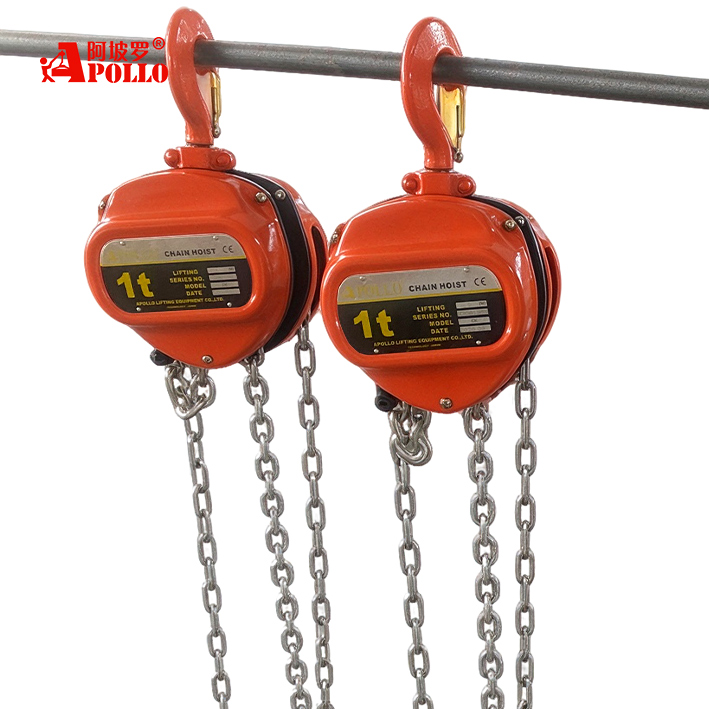
Apollo’s lifting equipment range includes electric hoists, chain blocks, lever hoists, lifting clamps, beam trolleys, winches, jacks, and related workshop lifting equipment. That range makes it easier to build a practical workshop lifting solution instead of selling only one hoist model.
Why Small Manufacturing Workshops Need Practical Lifting
The lifting jobs in a small workshop often look simple on paper but turn awkward on the floor. A 500 kg gearbox beside a lathe may be harder to handle than a heavier load in an open warehouse. A welded frame may only need to move a few meters, but it still has to clear a bench, avoid a machine guard, and land without damaging the surface.
Typical loads include motors, pumps, tooling, dies, shafts, fixtures, fabricated frames, and small assemblies. Some are compact and heavy. Some are long and unbalanced. Some need to be held in the air while a technician lines up bolts or checks a mounting face.
A compact electric chain hoist helps with these everyday jobs. It reduces hand lifting, shortens waiting time, and lets one workstation keep moving when the forklift is busy elsewhere. In a repair shop, the hoist may lift motors all day. In a fabrication shop, it may move parts from welding to inspection and then to packing. It is not a showpiece, but the time saved adds up.
Where an Electric Chain Hoist Works Best
An electric chain hoist is most useful when the workshop repeats similar lifting tasks. It may not need long travel. Sometimes one well-placed lifting point above a bench is enough.
Motor, Pump, and Gearbox Repair
Repair areas need controlled lifting more than speed. A pump body, motor, or gearbox may have a small footprint, but the weight is not always easy to balance. The operator needs the load to rise cleanly, stay steady, and settle onto the bench without a rough drop.
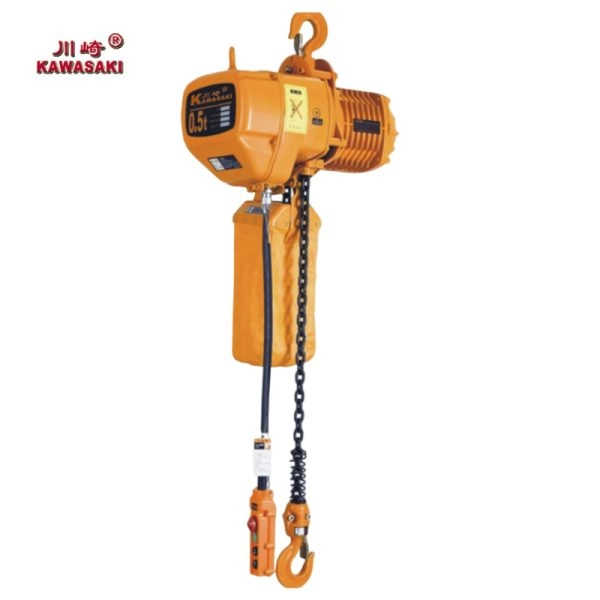
Apollo’s electric chain hoist line includes KKBB, DCEK, DCER, and ultra-low running types for different installation conditions and workshop requirements. For many light-to-medium workshop jobs, the KKBB electric chain hoist is a practical fit because it combines a compact body with safety-focused components.
Tooling and Die Handling Near Machines
Tooling areas need careful placement. A die, mold, or fixture can damage a machine table if it is dropped or dragged. Manual lifting also increases the risk of bumping guide rails, cutting edges, or finished surfaces.
A hoist above the machine area gives operators better control during lifting and lowering. Small details matter here: pendant feel, brake response, hook movement, chain condition, and available hook clearance. These are the things buyers notice after the hoist is installed.
Welding and Fabrication Workstations
Fabrication work rarely stays in one fixed spot. A steel frame may move from welding to grinding, then to checking, then to packing. A fixed hoist helps at one point; a beam trolley makes that lifting point useful across a wider work area.
In many small fabrication shops, the trolley becomes the feature operators appreciate most. The hoist lifts the load. The trolley keeps the part moving without putting another machine on the floor.
Building a Workshop Lifting Setup Around Apollo Hoists
A bare electric chain hoist solves one lifting problem. A better setup solves the whole work corner.
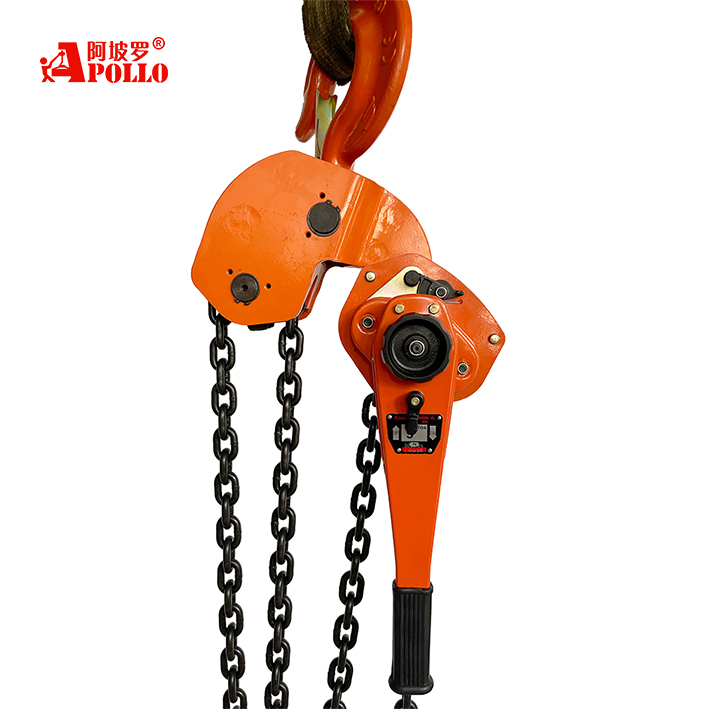
For a repair bench, a distributor may pair an electric chain hoist with a webbing sling, spare hook latch, and a manual chain hoist for backup. For a fabrication bay, the stronger package may be an electric chain hoist with a beam trolley, lifting clamp, webbing sling, and rigging accessories. For a maintenance team, a lever hoist is useful because many jobs involve pulling and positioning, not only vertical lifting.
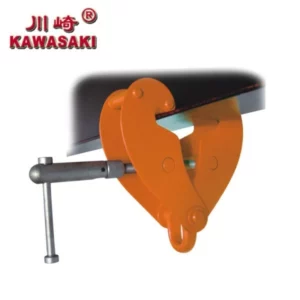
Apollo lifting clamps are useful for steel handling and fabrication work, especially when plates, frames, or flat materials need a safer gripping method. Webbing slings also help when the part needs surface protection or a wider contact area during lifting.
Electric Chain Hoist with Beam Trolley
A fixed hoist is useful when the job always happens in one spot. In many small workshops, the load does not stay that convenient. A motor may come off a bench, move toward a test stand, then wait near packing. A welded frame may need to slide from the table to inspection without bringing a forklift into the aisle.
That is where a beam trolley makes the electric chain hoist more useful. It lets one lifting point cover a short working path along an I-beam. The setup is common in repair bays, welding corners, assembly cells, and small machine shops where floor space is already tight.
Before quoting this package, the beam should be checked early. Width, headroom, hook clearance, lifting height, trolley type, voltage, and support condition all affect the final fit. Older workshops can be tricky. Some beams look convenient but were never planned for lifting. Checking this early helps avoid installation delays after delivery.
Manual Hoists Still Matter
Electric lifting handles the jobs that happen every day. Manual hoists cover the jobs that do not happen neatly under the main lifting point.
A manual chain hoist is still useful in a small workshop because work moves around. One day the lift is at the repair bench. The next day it is outside near a truck, beside a machine, or in a corner without power. A lever hoist also earns its place when a part needs to be pulled, aligned, or held while bolts come loose.
These backup tools are easy to overlook, but maintenance teams notice when they are missing. They are not added for looks. They are added because repair work is uneven, and not every load waits under the electric chain hoist.
Choosing Capacity Without Guesswork
A buyer may ask for a “one-ton hoist,” but that number is only the start. The right choice depends on the regular load, lifting height, lift frequency, beam condition, and the way the load is attached.
A compact motor and a long welded frame can weigh the same, but they behave differently under the hook. The frame may swing more. The motor may need a balanced sling angle. A die may need slower placement. These details affect the final package.
For workshop projects, distributors should confirm:
- maximum load weight
- lifting height
- voltage and phase
- fixed or trolley-mounted installation
- beam size and support condition
- lifting frequency
- load shape
- working environment
- clamps, slings, or rigging accessories
This is not paperwork for the sake of paperwork. It is the information that keeps the wrong hoist from landing in the customer’s shop.
Workshop Packages by Buyer Type
Different workshops buy for different reasons. A metalworking shop wants movement and load control. A repair shop wants lifting access around machines. An assembly line wants repeatable handling all day.
Metal Fabrication Shops
A useful package can include an electric chain hoist, beam trolley, lifting clamp, webbing sling, and rigging accessories. This setup fits steel plates, welded frames, brackets, and parts that move between welding, checking, and packing.
Machinery Maintenance Shops
A maintenance package can include an electric chain hoist, manual chain hoist, lever hoist, spare hook latch, and chain accessories. This works for pumps, motors, gearboxes, and components that need both lifting and positioning.
Small Assembly Workshops
An assembly package can include an electric chain hoist, beam trolley, pendant control, webbing sling, and spare parts kit. This works well when the same parts move through the same path every shift.
Safety Details Buyers Notice After Installation
Price may start the conversation, but installation brings out the real questions. Will the hook reach low enough? Does the trolley fit the beam? Is the brake response steady? Can the operator stand in a safe position while guiding the load?
The KKBB electric chain hoist includes practical features such as a dual mechanical brake, limit switch, aluminum alloy heat-dissipating shell, waterproof push button, safety hook, and FEC80 heat-treated alloy chain. These details are especially useful in workshops where loads are handled near machines, operators, and finished parts.
A good lifting setup is not only the hoist. It is also the beam, hook, chain, sling, clamp, operating space, and daily inspection habit around it. For distributor projects, quality control, consistent product testing, and certifications such as ISO9001, CE, and GS can also help buyers compare lifting equipment more confidently.
Selling a Work-Area Solution
Small workshop buyers often compare unit prices first. That is normal. But a stronger distributor proposal explains how the lifting point will actually work.
A good quote should not only list the hoist model. It should explain the load path, beam condition, required accessories, spare parts, and installation limits. This feels more useful than a short price list, especially for buyers who are adding lifting equipment to an existing workshop.
For Apollo distributors, the workshop market can grow beyond the first electric chain hoist order. Trolleys, lifting clamps, webbing slings, load chains, spare parts, and additional lifting points can follow once the customer sees where the next bottleneck is.
Conclusion
In a small workshop, a good lifting setup usually starts with one very specific problem: a motor that is hard to place, a frame that needs to move across a bench, or a repair task that keeps pulling workers away from production.
Apollo electric chain hoists give that job a steady lifting point, and the right trolley, sling, clamp, or manual hoist can make the setup fit the rest of the work area. For distributors, the best next step is to match the package to the customer’s real workflow.
Communicate with Apollo regarding load weight, lifting height, voltage, beam dimensions, installation space, and application details to find a suitable workshop lifting solution.
FAQ
Q1: What electric chain hoist capacity is suitable for small manufacturing workshops?
A: It depends on load weight, lift height, and frequency. Many workshops use light-to-medium hoists for motors, pumps, dies, and tooling.
Q2: When should a workshop add a beam trolley?
A: Add one when loads need to move along an I-beam between benches, machines, repair bays, or packing stations.
Q3: What Apollo products fit metal fabrication shops?
A: Electric chain hoists, beam trolleys, lifting clamps, webbing slings, load chains, and rigging accessories fit many fabrication jobs.
Q4: Are manual chain hoists still useful with electric hoists?
A: Yes. They help with backup lifting, positioning, outdoor work, and occasional maintenance jobs away from the powered hoist.
Q5: What details are needed for a workshop hoist quotation?
A: Load capacity, lift height, voltage, beam size, trolley type, work frequency, environment, accessories, and order quantity are usually needed.