Introduction
Apollo Wire Rope Winches have turned into a key part in current building work. They offer strong lifting force and exact handling. As building jobs grow higher and more complex, the need for dependable, electric-powered hoisting setups is rising fast. These winches are made to handle tough lifting jobs with great speed and safety. This makes them a vital tool in big infrastructure efforts and tall building plans.
Looking forward to 2026, the building field is set for a big change toward automated and electric-driven tools. This move comes from the push to boost green practices, cut expenses, and raise worker protection. Apollo’s ongoing updates match these shifts. As a result, its wire rope winches stand out as necessary items for the coming wave of building tasks.
Our company has a long history of work in Taiwan. It holds deep knowledge in making and checking the quality of lifting goods. This base helps Apollo’s steady progress in product setup. In turn, it ensures each winch hits worldwide marks for output and trust.
Key Applications in Construction
Building Elevation & Heavy Lifting
Wire rope winches play a main role in upright building duties. For example, they lift steel beams, concrete slabs, or ready-made units to high spots. In tall projects where accuracy counts a lot, Apollo Wire Rope Winches give steady command over load shifts. They cut down on sway and shake during lifts.
Unlike old-style mechanical hoists that depend on hand work or fuel-run engines, electric wire rope winches provide even speedup and slowdown. This is key when placing items at set heights. Such command not only boosts correctness but also lessens damage to building parts during setup.
Material Handling in Challenging Environments
Building sites often show tough settings. These include narrow areas, rough ground, or tight indoor spots where regular cranes fail to work well. Apollo Wire Rope Winches are built to beat these issues through small build and varied fixing choices. They can fit on scaffold frames, hanging beams, or moving bases without losing steadiness or load strength.
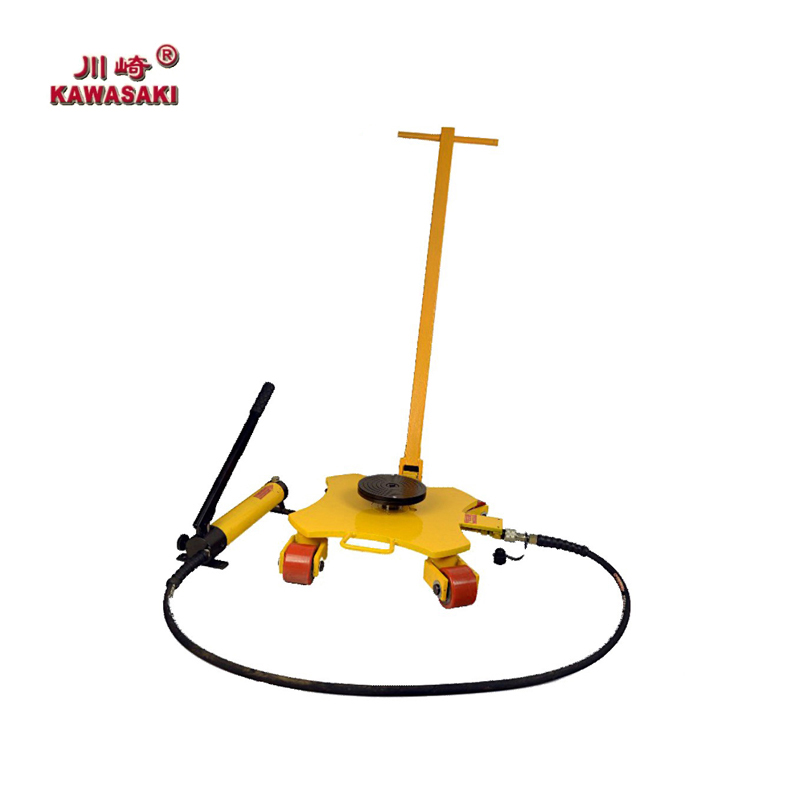
For certain manual tasks, integrating a high-performance hand winch can further enhance site flexibility. The gear box and braking setup use a closed design to stop outside bits from getting in. This keeps them from harming normal function. Such a trait makes Apollo winches well-suited for dusty or wet places where upkeep is hard to reach.
Automation Trends
Automation is changing how building groups handle lifting jobs. By linking Apollo wire rope systems with programmable logic controllers (PLCs) or far-off checking tools, builders can set up repeated lifting rounds on their own. At the same time, they keep tight safety rules. The outcome is less mistakes from people and better steadiness over many work times.
This linking also allows forward upkeep. Sensors watch motor heat, load stress, and brake work right away. Thus, project leaders can plan fixes before problems start.
Technological Advancements for 2026
Electric & Automated Winches
The worldwide switch to electric-run machines shows care for the environment and smart money choices. Apollo’s electric hoisting setups use less power than hydraulic or diesel types. Yet, they give more twist force per unit of power used. Their motors are set for ongoing work rounds common on large building areas.
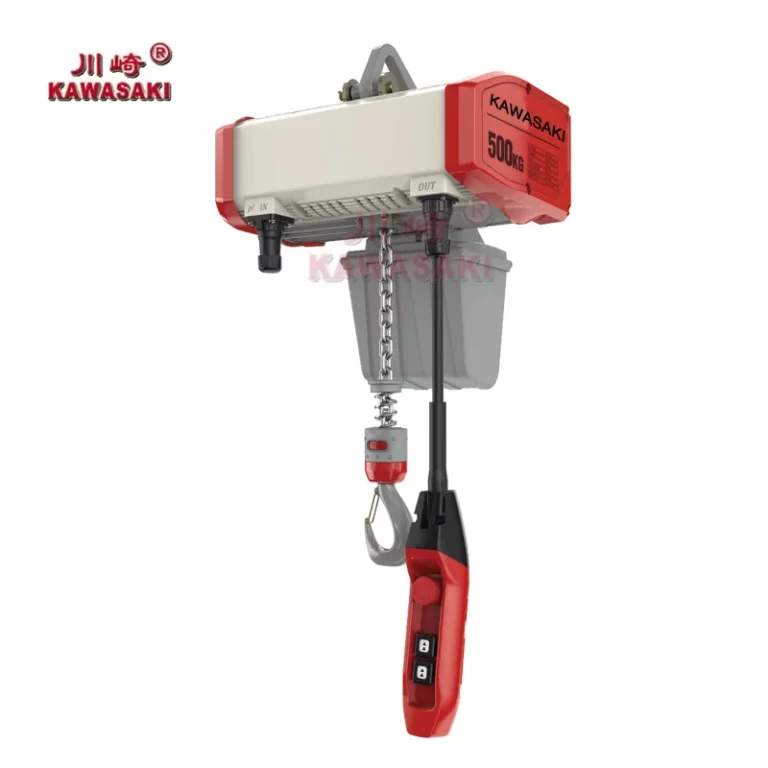
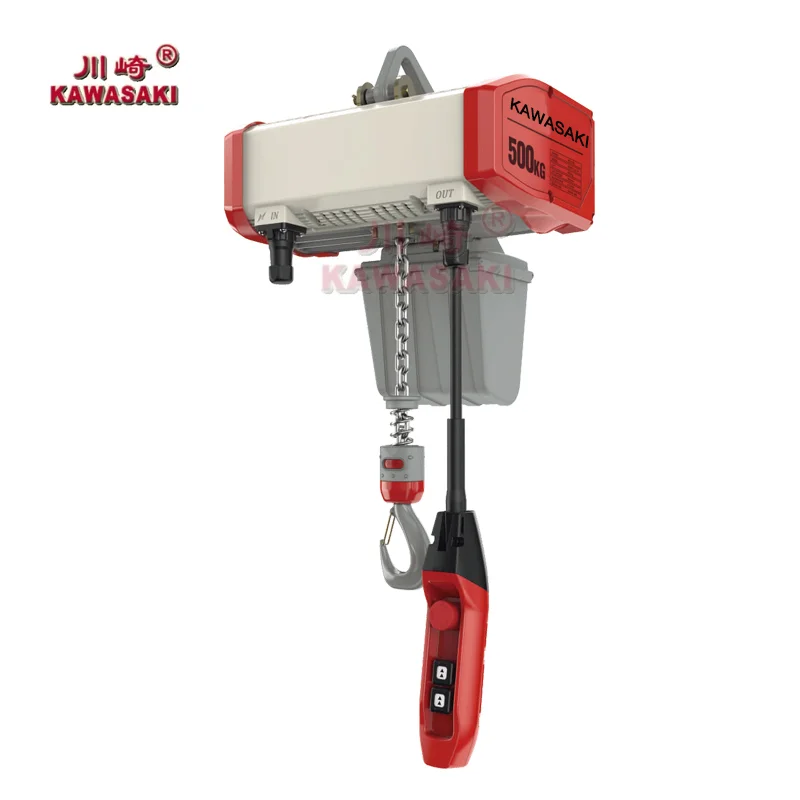
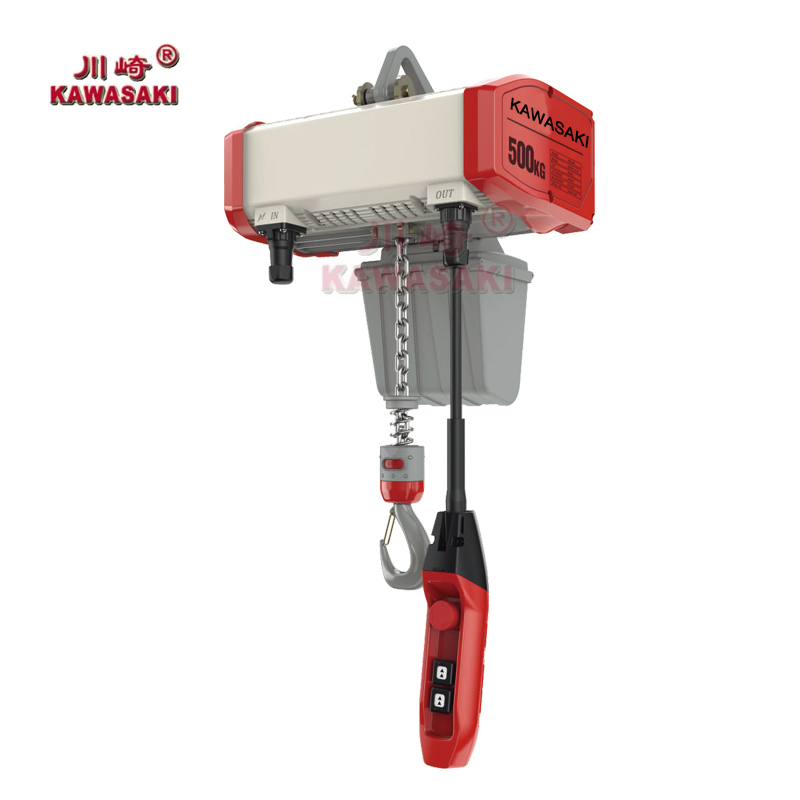
Electric hoists hold these pluses over hand chain hoists: Bigger lifting strength…Greater work speed…More automation…Better safety. These ideas apply straight to Apollo’s fresh wire rope winches planned for 2026 tasks.
Remote Control & IoT Integration
The addition of IoT-ready tech lets building bosses watch many winches from one main screen. They track load weights, running hours, and system checks in the moment. Workers can guide heavy lifts from a safe spot with wireless units. This cuts the dangers of mishaps linked to hand work near hanging loads. Such addition boosts site safety and work flow.
Also, far-off command aids teamwork among groups at various site levels. This is vital during joint lifts or matched setup jobs.
Safety & Precision
Apollo wire rope winches come with improved braking systems that hold full strength, even if power drops suddenly. Plus, load stoppers halt actions on their own if the winch goes over its set limit. This adds extra guard for workers and tools.
Kawasaki brand lifting machinery must undergo strict testing before leaving the factory. Similarly rigorous testing protocols are applied to Apollo’s production line—covering performance stability, overload resistance, and emergency response reliability—to guarantee safe deployment in critical environments.
Benefits of Using Apollo Wire Rope Winches in 2026 Projects
| Feature | Benefit |
| Electric Drive System | Lower energy consumption compared to hydraulic models |
| IoT Connectivity | Real-time monitoring for preventive maintenance |
| Compact Design | Ideal for restricted spaces or modular installations |
| Advanced Safety Mechanisms | Reduced risk of overload or free-fall incidents |
| Customizable Configurations | Tailored voltage options (110V–575V) for diverse site requirements |
Cost Efficiency
Moving to electric-powered winches cuts ongoing running costs by dropping fuel bills and reducing wear from burning engines. Plus, automation lowers the need for people in repeated lifts. This leads to clear savings over project times.
Durability & Reliability
Apollo’s products are made from top-grade alloy steel parts that stand up to rough settings like dust, rain, or heat changes. Our company has passed ISO9001, ISO2000 quality system certification, and obtained European Community CE/GS safety certification. These certifications reinforce the brand’s commitment to producing durable equipment capable of continuous heavy-duty use without failure.
Ease of Operation
Simple controls make training easy for new workers. At the same time, they keep the exact handling needed by experts. Changeable speed settings allow tuned moves, whether raising fine building parts or large items like rebar sets.
In use, this brings quicker setup at each building stage—from base work to last outer setup. Thus, it speeds up full project timelines.
Conclusion
As the building field heads toward smarter, more useful setup answers by 2026, picking dependable electric hoisting systems turns key for staying ahead. Apollo Wire Rope Winches blend tough strength with new digital smarts. They link old mechanical power with current automated ways. Their use in many tasks makes them a smart choice for builders aimed at green growth and top safety rules.
For coming huge projects needing exact lifts under short deadlines, using Apollo Wire Rope Winches brings gains in output and lasting cost savings. Please contact us to learn more about how our hoisting solutions can be tailored to your specific project needs.
FAQs
Q1: What are the key advantages of Apollo wire rope winches over traditional hoists?
A: Apollo wire rope winches offer higher lifting capacities, smoother control through electric drive systems, and better integration with automated platforms compared to conventional manual hoists.
Q2: How do electric winches benefit construction projects in terms of energy savings?
A: Electric models consume significantly less power than hydraulic alternatives while maintaining consistent torque output; this efficiency lowers both energy costs and carbon emissions on-site.
Q3: Can Apollo wire rope winches be used in heavy-duty construction environments?
A: Yes. Built from reinforced alloy materials with sealed gearboxes and corrosion-resistant finishes, they perform reliably even under extreme weather or dusty industrial conditions.
Q4: What is the lifespan of Apollo wire rope winches under typical construction site conditions?
A: With regular maintenance schedules supported by IoT diagnostics, these units typically operate efficiently for many years without major component replacement needs.
Q5: Are Apollo winches compatible with automation and remote control systems?
A: Absolutely—they’re engineered with PLC compatibility and wireless control interfaces that enable seamless integration into modern automated site management networks.