

A Comprehensive Guide to Chain Modification and Extension in Hoisting and Lifting Systems
In industrial lifting applications, one of the most common and technically sensitive questions is: Can the chain be modified or extended? This question arises frequently across manufacturing plants, warehouses, construction sites, mining operations, and logistics centers where lifting height, load reach, and operational flexibility are critical.
Whether the equipment is sourced from electric hoist suppliers, chain hoist manufacturers, or crane manufacturers, chain modification is never a purely mechanical consideration. It involves load calculations, safety standards, equipment compatibility, and long-term operational reliability. This article provides an in-depth examination of whether chains can be modified or extended, under what conditions it is permissible, and how different hoisting and crane systems address this requirement.
Understanding the Role of the Chain in Hoisting Systems
Why the Chain Is a Critical Load-Bearing Component
In an electric chain hoist or industrial manual hoists, the load chain is the primary load-bearing element. Unlike accessories such as hooks or lifting clamps, the chain directly supports the full rated load during lifting, holding, and lowering operations.
Electric hoist manufacturers design chains to precise specifications, including:
- Material grade and heat treatment
- Chain pitch and diameter
- Tensile strength and fatigue resistance
- Compatibility with the hoist’s load wheel and braking system
Because of this, any modification or extension must align strictly with the original design parameters set by hoist manufacturers and suppliers.
Chain vs. Wire Rope in Lifting Equipment
It is important to distinguish chain-based systems from wire rope systems. Electric wire rope hoist manufacturers typically allow more flexibility in rope length adjustment, as wire rope hoists are often designed for custom drum capacities. By contrast, electric chain hoist manufacturers must account for chain storage, load wheel engagement, and mechanical efficiency, making chain modification more complex.
Can the Chain Be Modified or Extended?
The Short Answer: Yes, But With Strict Conditions
In most cases, chains can be extended or replaced with longer chains, but only when:
- The modification is approved by the hoist manufacturer
- The replacement chain matches the original specifications exactly
- The hoist’s lifting height, duty cycle, and load rating remain within design limits
Reputable hoist suppliers and electric chain hoist suppliers generally offer factory-approved chain extension kits or custom lifting height options to ensure safety and compliance.
Unauthorized chain modification is one of the leading causes of hoist failure and is strongly discouraged by top hoist manufacturers.
Manufacturer-Approved Chain Extension Options
Factory Customization at the Time of Purchase
Many chain hoist suppliers and electric hoist suppliers offer custom lifting heights at the time of order. This is the safest and most cost-effective approach, especially for:
- Warehouse overhead crane systems
- Machine shop cranes
- Material lift manufacturers serving vertical storage facilities
By ordering a hoist with the correct chain length from the beginning, users avoid later retrofitting risks.
Post-Installation Chain Replacement or Extension
In some cases, operational requirements change. For example:
- A warehouse expands racking height
- A crane for warehouse operations is relocated
- An electric hoist for mining operations is reassigned to a deeper shaft
Under these conditions, many hoist manufacturers and suppliers can provide:
- Certified replacement chains
- Extension links manufactured to original specifications
- Technical documentation and installation guidelines
This work should always be performed by trained technicians or authorized service partners.
Technical Considerations When Extending a Chain
Load Rating and Safety Factor
The rated capacity of an electric chain hoist is determined not only by motor power but also by chain strength and safety factor. Extending the chain does not increase load capacity and may reduce safety margins if not properly engineered.
Heavy lifting hoist suppliers emphasize that extended chains must retain the same working load limit and fatigue life as the original configuration.
Motor and Brake Performance
Longer chains increase total suspended mass, which affects:
- Motor startup torque
- Brake holding force
- Heat generation during extended duty cycles
Electric chain hoist manufacturers often specify maximum lifting heights to prevent motor overload and premature brake wear.
Chain Storage and Space Constraints
Unlike wire rope hoists, chain hoists must store unused chain in a chain bag or container. Extending the chain requires adequate storage space to prevent:
- Chain tangling
- Abrasion against structural components
- Uneven load wheel engagement
This is particularly important in compact installations such as small cranes manufacturers design for workshops and garages.
Compliance With Standards and Regulations
International and Regional Standards
Chain modification must comply with applicable standards, such as:
- ISO and EN standards for hoisting equipment
- ASME and ANSI standards in North America
- Industry-specific mining and construction regulations
Crane manufacturers and crane hoist manufacturers often require documented compliance before approving modifications.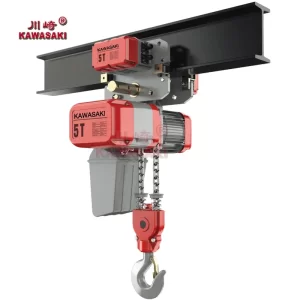
Impact on Warranty and Certification
Unauthorized chain modification typically:
- Voids manufacturer warranties
- Invalidates load test certificates
- Creates liability exposure for operators and facility owners
Leading crane manufacturers and hoist lift manufacturers strongly recommend using only original parts sourced directly from hoist suppliers or crane parts suppliers.
Chain Modification in Different Lifting Applications
Warehouses and Logistics Centers
In warehouses, lifting height changes are common due to evolving storage layouts. Warehouse crane types such as overhead bridge cranes or monorail systems frequently use electric chain hoists.
In these environments, extending the chain is feasible when coordinated with warehouse overhead crane designers and crane hoist suppliers to ensure system compatibility.
Manufacturing and Machine Shops
Machine shop cranes often operate in confined spaces with precise lifting requirements. Extending chains without recalculating hook travel limits can result in floor contact issues or safety hazards.
Top hoist manufacturers serving this sector typically recommend replacing the entire hoist assembly when lifting height requirements increase significantly.
Mining and Heavy Industry
Electric hoist for mining operations face harsher conditions, including dust, moisture, and continuous duty cycles. Chain extensions in these environments must meet stricter material and corrosion-resistance requirements.
Heavy lifting solutions in mining are often integrated with industrial lifting crane systems rather than standalone hoists, requiring close coordination with crane suppliers and industrial crane manufacturers.
Manual Hoists and Chain Extension
Manual Chain Hoists
Manual hoist suppliers and industrial manual hoists often allow greater flexibility in chain length, as human-powered systems are less sensitive to motor and brake constraints.
However, chain pitch, hardness, and grade must still match manufacturer specifications. Industrial hand winch systems follow similar principles.
Hand Winches and Industrial Hand Winch Systems
Hand winch manufacturers and hand winch suppliers typically allow rope or strap length customization. However, when chains are used, load rating and mechanical advantage must remain unchanged.
Manual systems may seem simpler, but improper chain extension can still lead to mechanical failure.
Chain Extension vs. Alternative Lifting Solutions
When Chain Extension Is Not the Best Option
In many cases, extending the chain is not the most efficient solution. Alternatives include:
- Switching to a wire rope hoist from wire rope hoist suppliers
- Upgrading to an overhead crane system from overhead crane manufacturers
- Using a crane used in industry with higher hook travel
- Installing a construction crane for sale suitable for vertical reach
Large crane manufacturers and port crane manufacturers often recommend system-level changes rather than modifying individual components.
Integrated Heavy Lifting Systems
For large-scale operations, industrial lifting crane solutions may incorporate:
- Electric chain hoists for auxiliary lifting
- Electric winch suppliers for horizontal pulling
- Magnetic lifter suppliers and industrial lifting clamps for specialized loads
In such systems, chain modification is just one element of a broader lifting strategy.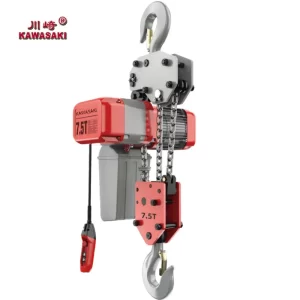
Role of Accessories and Load Handling Devices
Lifting Clamps and Magnetic Lifters
Extending a chain changes the load dynamics, which can affect lifting clamp manufacturers’ rated performance. Industrial lifting clamps and magnetic lifters must be reevaluated for stability and safety.
Hooks, Trolleys, and Crane Integration
Crane hoist manufacturers design hooks and trolleys to work within specific travel ranges. Extending chains without adjusting end stops or limit switches can cause mechanical collisions.
Crane used in construction environments are particularly sensitive to these issues due to dynamic loads.
Supplier Selection and Technical Support
Choosing the Right Supplier
When chain modification or extension is required, working with reputable suppliers is essential. This includes:
- Electric chain hoist suppliers
- Hoist manufacturers
- Crane hoist supplier networks
- Crane parts suppliers
Leading crane manufacturers and hoist suppliers provide engineering support, documentation, and testing services to ensure safe implementation.
Importance of After-Sales Service
Reliable after-sales support ensures that:
- Chain extensions are properly installed
- Load testing is conducted
- Maintenance schedules are updated
Car hoist manufacturer networks and material lift manufacturers often emphasize service quality as much as product quality.
Practical Recommendations for End Users
Best Practices
- Always consult the original manufacturer before modifying or extending a chain
- Use only certified replacement chains and components
- Recalculate lifting height, load rating, and duty cycle
- Conduct load testing after modification
- Update maintenance and inspection procedures
When to Upgrade Instead of Modify
If operational changes are significant, upgrading to a different hoist or crane system is often safer and more economical. Options include:
- Small cranes manufacturers for compact spaces
- Loader crane manufacturers for mobile applications
- Industrial crane manufacturers for heavy-duty operations
Understanding the types of crane in industry helps users select the most appropriate equipment.
Conclusion
So, can the chain be modified or extended? The answer is yes—but only within strict technical, safety, and regulatory boundaries. Chain extension is a viable solution when executed with manufacturer approval, proper engineering analysis, and certified components.
From electric chain hoist manufacturers to crane suppliers and hoist manufacturers, the industry consistently emphasizes safety, compliance, and system integrity. Whether the application involves a warehouse crane, a mining hoist, or a construction crane, chain modification should never be treated as a simple adjustment.
By working closely with experienced hoist suppliers, crane manufacturers, and heavy lifting solutions providers, end users can ensure that any chain modification supports long-term reliability, operational efficiency, and, above all, workplace safety.