

When talking about lifting tools used in factories, workshops, construction sites, or repair jobs, chain hoists and chain blocks often show up together. They look similar at first glance, yet they work in different ways and fit different kinds of tasks. Many buyers, especially those comparing manual and electric systems, want a clear explanation of how they are different and which one fits certain work conditions better. With Apollo’s long history in lifting equipment manufacturing and the Kawasaki product line trusted in Asia and overseas, the comparison becomes even more meaningful.
What Defines the Core Operational Difference Between a Chain Hoist and a Chain Block?
Although both tools lift loads using a chain and gear system, the way they are powered separates them completely. This is usually the first thing buyers consider before choosing between the two.
Mechanical vs. Powered Lifting Mechanism
Before diving deeper, it helps to look at how the lifting motion is created. A chain block, often called a hand chain hoist, moves the load through a manual pull on a hand chain. The worker uses repeated pulling to rotate the gears inside, which slowly raises the load. It is simple, predictable, and doesn’t rely on electricity.
Electric chain hoists, on the other hand, use an electric motor to lift with much less physical effort. This gives them a clear advantage in speed and consistency. Apollo’s KAWASAKI ELECTRIC HOIST ELECTRIC CHAIN HOIST KKBB is a good example of this approach — its motor-driven system is built for jobs that need stable output and long cycles.
Load Capacity and Lifting Efficiency Levels
Moving from mechanics to performance, the load capacity and lifting speed also differ. Manual chain blocks tend to suit lighter or mid-range loads. They can lift heavy items too, but that takes more time and effort from the operator. In contrast, electric chain hoists are built for heavy-duty lifting. Because the motor handles the force, they usually finish the job quicker and with steady rhythm. This becomes very important when the work is repetitive or placed on a production line.
Apollo’s Kawasaki Electric Chain Hoist KKBB for High-Demand Operations
To connect the difference with real equipment, the Kawasaki KKBB electric model stands out. It offers fast lifting, multiple customization options for voltage and chain type, and stable performance even under long operating hours. The KKBB series also supports OEM branding and protective features like dust-proof and rain-proof designs, fitting both indoor and tough outdoor sites. For buyers planning large-volume lifting or continuous shifts, KKBB is often the more practical pick.
How Do Operation Methods Affect Performance in Daily Lifting Tasks?
After understanding the basic mechanics, the next question is how these tools behave in actual everyday working conditions. The operation method changes user experience, work rhythm, and handling style.
Manual Pull-Chain Operation for Precise, Low-Frequency Use
Before naming advantages, it helps to picture the work scenario. When the job involves occasional lifting, small adjustments, or slow installation tasks, a manual chain block performs reliably. The pulling action gives the operator tight control over each inch of movement. It is often used in maintenance work, equipment installation, pipe fixing, and smaller workshops where workers need to feel the load while adjusting it.
Electric Motor-Driven Lifting for Continuous Work Cycles
When the work requires fast cycles or long shifts, electric lifting becomes the standard. The motor not only saves physical effort but also keeps the lifting speed more even. For warehouses, assembly lines, machining centers, and busy loading areas, an electric chain hoist cuts down waiting time between lifts. This difference becomes more obvious after using it for a couple of weeks — workers get less tired, and the output stays more stable.
Automation-Ready Features in Apollo’s KKBB Electric Chain Hoist
Apollo’s KKBB model also supports various functional upgrades such as dual-speed control, frequency conversion, and automatic stopping features. These adjustments help users match the lifting pattern to their workflow. The hoist can also be customized in appearance, materials, and packaging according to OEM project needs. This flexibility makes the KKBB one of Apollo’s most adaptable electric models.
Where Does a Chain Block Fit Better Compared With an Electric Chain Hoist?
Even though electric hoists are strong and efficient, manual chain blocks keep their place in many industries. Their simplicity sometimes works even better than automation.
Cost-Effective Manual Lifting for Light to Medium Loads
Looking at budgets first, manual chain blocks are usually more affordable. Companies that don’t need heavy-duty cycles often prefer them. Jobs like small equipment moves, workshop repairs, and home garage setups do not always require a motor-driven system. For these tasks, a manual pulley block does the job without unnecessary investment.
Simplified Structure for Harsh or Remote Working Environments
There are many places where electricity is unstable or not available at all — construction sites, outdoor installations, emergency repair areas, or high-altitude work. A chain block’s simple structure makes it dependable in such places. No batteries, no wiring, less chance of failure. This is one reason why chain blocks remain popular even when electric models are widely available.
Apollo’s Kawasaki Pulley Block Options for Versatile Manual Handling
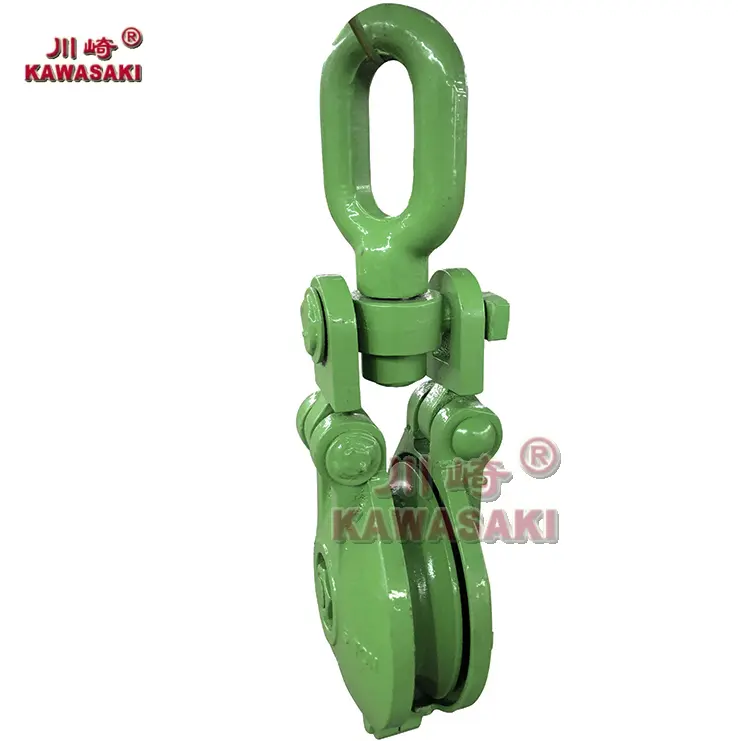
Apollo offers two well-known manual pulley block options under the Kawasaki brand:
Both models are designed with heavy-duty steel bodies, stable gears, and smooth rotating mechanisms. They are widely used in industrial sites in Southeast Asia and the Middle East due to their durability and stable manufacturing quality. These pulley blocks fit users who want long-term value from a simpler tool.
How Do Safety and Quality Assurance Compare Between These Two Systems?
Safety is a common concern in lifting work, and both manual and electric systems approach it differently. Apollo’s background in quality control adds another dimension worth considering.
Built-In Electric Protection Systems in Modern Hoists
Electric hoists often include multiple protective parts: limit switches to stop movement at the top or bottom, braking systems to hold the load instantly, and overload protection that prevents strain on the motor. These help reduce operational mistakes. A well-designed electric hoist like the Kawasaki KKBB offers these features as standard or optional functions.
Durable, Low-Failure Manual Gear Structure in Chain Blocks
Chain blocks follow a different safety logic. Because the structure is simple and has no electrical parts, the risk of sudden electronic failure drops. If the gears and chain are well-maintained, the tool can run smoothly for years. Regular lubrication and visual inspections are usually enough to keep them safe.
Apollo’s ISO-Certified Quality Standards and Safety Testing Process
Apollo’s lifting equipment is produced under ISO9001 and CE/GS safety certifications, based on strict factory inspections and testing routines. Each product undergoes assembly evaluation and performance tests covering lifting force, stability, and overload checks. Many users choose Apollo equipment because of this long-standing emphasis on stable quality and clean production records.
Which Option Delivers the Best Value for Different Industrial Applications?
The last part of the comparison comes down to matching the tool with the application. Each type has strengths that fit specific work patterns.
High-Frequency Industrial Lifting with Electric Chain Hoists
For manufacturing, warehouse loading, mold handling, or long shifts, electric hoists are the practical choice. They move quickly, lift heavier loads, and reduce physical effort. When combined with Apollo’s OEM options such as custom chain grades, customized colors, or explosion-proof functions, the equipment fits not only the job but also the branding or safety requirements of many end users.
Flexible, Portable, Multi-Site Handling with Chain Blocks
Chain blocks remain a favorite for field work, moving jobs, construction tasks, and general-purpose lifting. Their portability and independence from electrical power keep them useful in situations where electric models would be inconvenient.
Tailored OEM/ODM Solutions from Apollo for Both Electric and Manual Lifting Systems
Apollo also provides OEM/ODM services across its Kawasaki product range. Buyers can request custom packaging, color, chain materials, special functions, and even one-off design adjustments. This level of personalization helps distributors and brands develop their own identity in the lifting equipment market.
FAQ
Q1: Can a manual chain block lift the same weight as an electric chain hoist?
A: Some manual blocks can reach high tonnage, but the effort needed makes them less suitable for heavy or repeated lifting. Electric hoists are preferred for larger loads.
Q2: Are electric chain hoists suitable for outdoor or dusty environments?
A: Yes. Apollo’s Kawasaki electric hoists can be customized with dust-proof, rain-proof, or explosion-proof features to fit tougher work areas.
Q3: How often do chain blocks need maintenance?
A: Maintenance is usually simple—regular lubrication and chain checks. Most users perform quick inspections before each use and a more careful check every few months.
