
Chain blocks remain a trusted lifting tool in factories, workshops, construction sites, and many other heavy-duty settings. They look simple, yet every component inside works under enormous pressure. A small oversight in upkeep may slowly wear down the machine and eventually affect lifting safety. In many industrial environments, that risk is simply unacceptable. That’s why regular, thoughtful maintenance matters.
Apollo, a long-established lifting equipment manufacturer from Taiwan with its KAWASAKI brand, has spent decades refining manual hoists, chain tools, and pulley blocks used worldwide. With a few practical maintenance habits, these tools can support smooth lifting for years.
Why Is Regular Chain Block Maintenance Critical for Safe Operation?
Before getting into detailed steps, it helps to understand why routine maintenance holds so much weight in daily operations. Chain blocks often work in dusty, humid, or high-impact surroundings. Even small bits of grit can work their way into moving parts. Over time, this affects how the chain feeds, how the gears mesh, and how the brake system reacts under load.
A short transition is needed here because the first concern usually appears on the chain itself.
Regular Checkups on Chain Wear and Hook Condition
Chains stretch slowly under repeated loads. Hooks may also twist or show tiny gaps in the latch. Simple observations, such as slight stiffness or unusual sounds, can signal trouble. Checking both parts before work helps avoid hidden dangers like chain binding or hook slippage.
Higher Durability With KAWASAKI PULLEY BLOCK Series
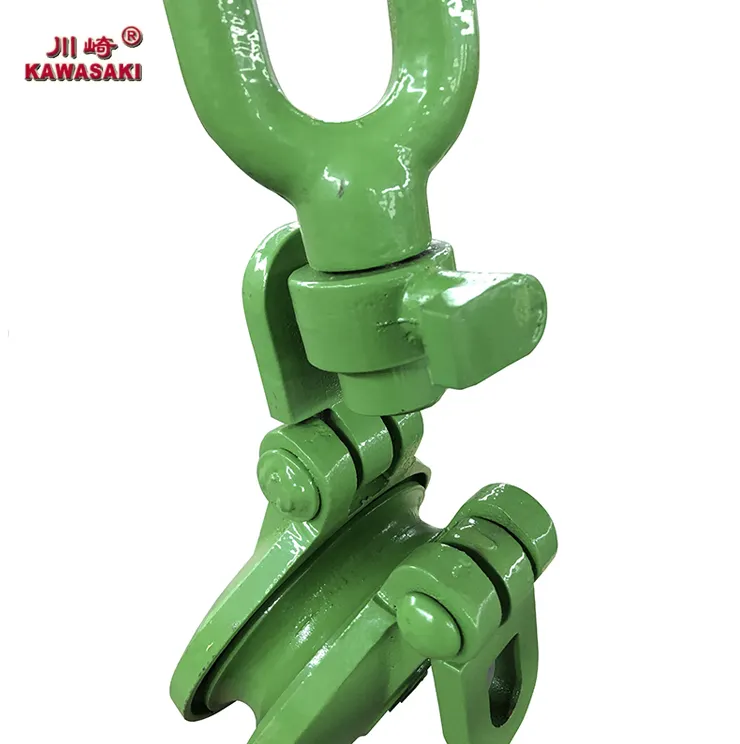
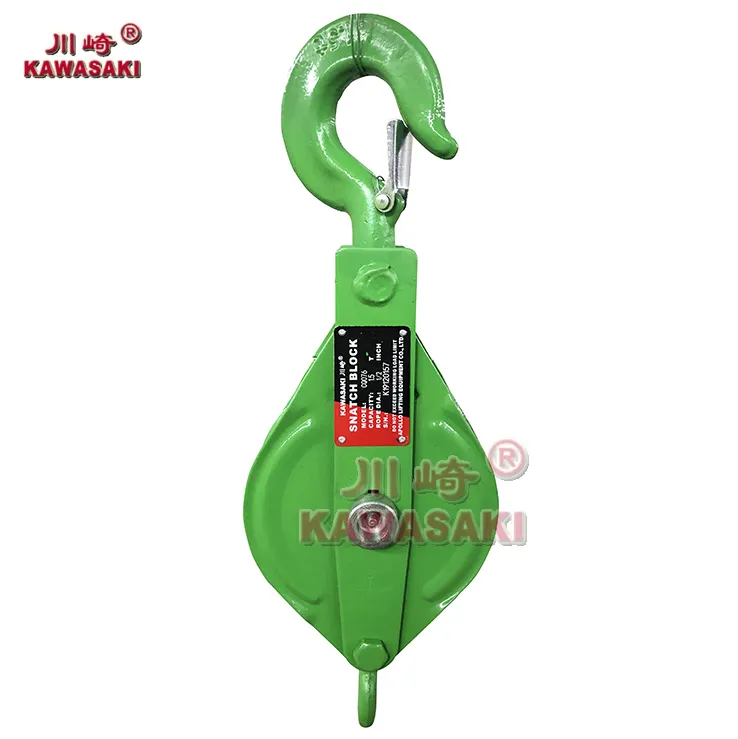
Apollo’s pulley blocks come with features designed for long service life: a thick powder-coat finish, forged alloy steel, a 4:1 safety factor, and load testing before packaging. Whether using the CQ, Korean Type, or WTS version, the equipment handles tough conditions better than many lightweight alternatives. This, combined with maintenance, keeps operations steady.
Reduced Downtime and Longer Equipment Lifespan
Regular upkeep may look like extra work, but it saves time in the long run. A clean chain block works smoother and needs fewer replacements. This also reduces machine downtime, which matters in busy workshops and job sites.
How Can Users Keep Chain Blocks Clean and Free From Damage?
Cleaning procedures often get ignored because chain blocks seem rugged enough to withstand anything. Yet dirt, moisture, and steel dust shorten the life of internal mechanisms if left unattended. Keeping the equipment clean does not require complicated tools—just consistency.
Basic Cleaning Steps for Chain, Housing, and Internal Areas
After use, wiping down the outer shell helps remove dirt and oils. If the chain feels sticky or coated in grime, a quick wash with proper cleaning fluid helps. When the block is used in windy or sandy areas, light brushing prevents grit from settling inside the chain pocket.
Rust Prevention and Lubrication for Better Smoothness
Even high-quality steel can rust when exposed to moisture, especially in coastal regions. Applying a thin layer of lubricant helps the chain move smoothly and reduces metal fatigue. This small habit makes lifting feel lighter and prevents jerky movement.
Using Apollo’s Powder-Coated, Wear-Resistant PULLEY BLOCKS for Longer Service
Apollo’s pulley blocks, including the KAWASAKI PULLEY BLOCK CQ, are coated with a durable finish that resists rust and weather damage. This means the equipment stays cleaner for longer, especially when used outdoors or in high-humidity spaces.
What Steps Help Ensure the Lifting Chain Remains in Optimal Condition?
Chains hold the full load, so their condition directly affects safety. Most chain-related accidents come from unnoticed wear or metal fatigue. Paying attention to small changes helps prevent big failures.
Chain Stretch, Tension Levels, and Link Inspection
A stretched chain is usually longer than standard length. When the block struggles to pull smoothly, the links may already be thinning. Visual checks help spot elongated links or sharp edges.
High-Strength Chain Materials Such as KAWASAKI G80 for Stronger Lifting
Apollo supplies chains in T80 and T100 materials, as well as G80 lifting chains known for high strength. These chains withstand heavy loads without deforming easily, reducing the chances of sudden failure during long-term use.
Clear Replacement Rules When Cracks, Kinks, or Binding Occur
Once cracks or twisted links appear, replacement must follow immediately. Trying to “stretch its life” may cost more in the long run, especially if the chain jams while under load.
How Should the Brake System and Mechanical Components Be Maintained?
The brake system is the heart of any chain block. It controls the load, stops it from dropping, and keeps the user safe. Mechanical parts inside the block work constantly, even during small lifts.
Brake Pads, Gears, and Pawl Examination
Brake pads wear out like those in cars. Gears may pick up dirt. A quick look during scheduled maintenance helps catch these issues early. A slipping brake, for example, should never be ignored.
Apollo’s ISO-Certified Quality Helps Improve Component Reliability
Apollo follows strict inspection routines, including full assembly checks and load tests. The brake systems in KAWASAKI products follow ISO9001 standards and CE/GS safety certifications, giving users stable performance even in demanding environments.
Heat-Treated Gears in KAWASAKI PULLEY BLOCK WTS for Longer Life
The KAWASAKI PULLEY BLOCK WTS features high-temperature-quenched gears. These gears hold up better against heavy daily loads, reducing wear and keeping lifting movements smooth.
When Should Components Be Replaced to Avoid Operational Failures?
No piece of lifting equipment lasts forever. Safe operations depend on knowing when parts have reached their limit. Replacement is not only a repair decision—it’s also a safety habit.
Parts Replacement Cycles for Hooks, Pins, and Side Plates
Hooks may show tiny bends before fully deforming. Pins may loosen. Side plates may develop micro-cracks. These subtle changes indicate the right time for swapping parts.
Higher Safety With CE/GS Certified KAWASAKI PULLEY BLOCKS
KAWASAKI pulley blocks undergo 200% overload testing before leaving the factory. This higher safety margin helps users trust the equipment during demanding lifting tasks.
OEM/ODM Spare Parts and After-Sales Support From Apollo
Apollo provides replacement parts, video guides, and OEM-compatible accessories. This support helps users keep chain blocks in proper working condition without long delays.
FAQs
Q1: How often should a chain block be inspected?
A: Most users check their chain blocks before and after each workday. Heavier industrial use may require weekly or monthly detailed inspections.
Q2: Can damaged lifting chains be repaired instead of replaced?
A: Chains should never be repaired by welding or reshaping. Any visible crack, twist, or severe wear means the chain must be replaced.
Q3: What is the advantage of choosing Apollo’s KAWASAKI pulley blocks?
A: They come with strong alloy steel bodies, strict ISO testing, durable coatings, and a proven safety factor, making them suitable for long-term industrial use.