Introduction
Rising labor and energy costs have forced many B2B warehouses and logistics companies to rethink efficient material movement. Electric hoists lead in automated setups, but manual lifting tools stay as key players for keeping costs down and staying flexible. Apollo manual hoists—particularly the CK and VC Series—gain more attention as a solid, budget-friendly option for today’s warehouse handling. These hand-pulled chain blocks offer easy carrying, no need for power, and tough build that cuts expenses over time.
This guide looks at what sets Apollo manual hoists apart. It covers factors to think about before buying. And it explains why they beat out basic rivals in overall ownership costs.
What Are Apollo Manual Hoists?
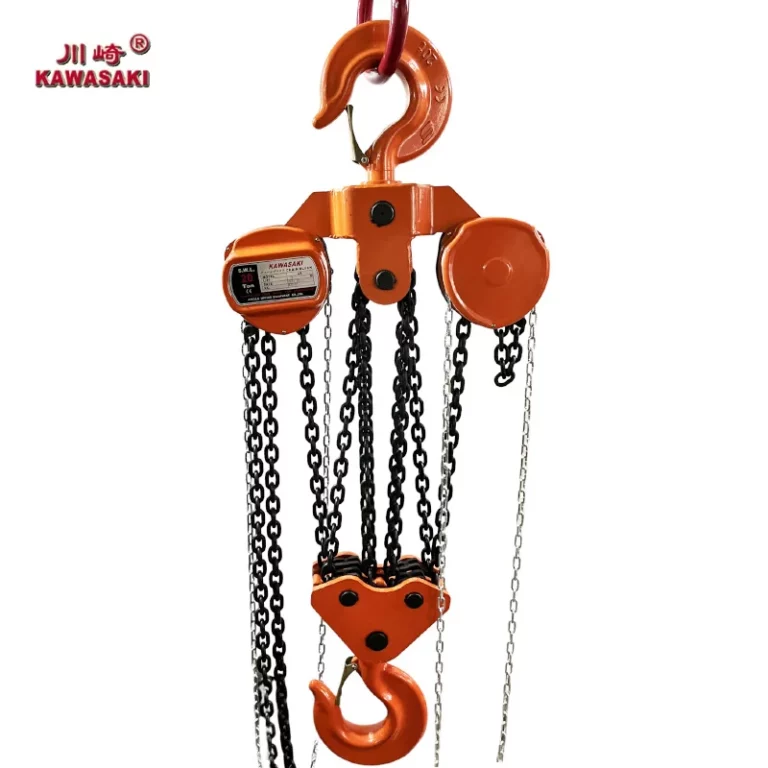
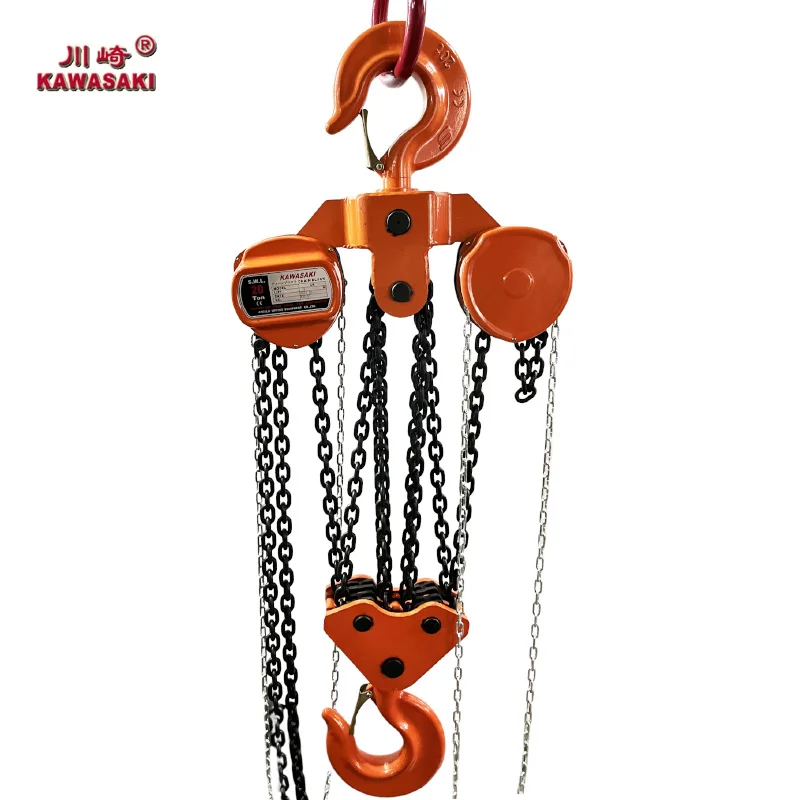
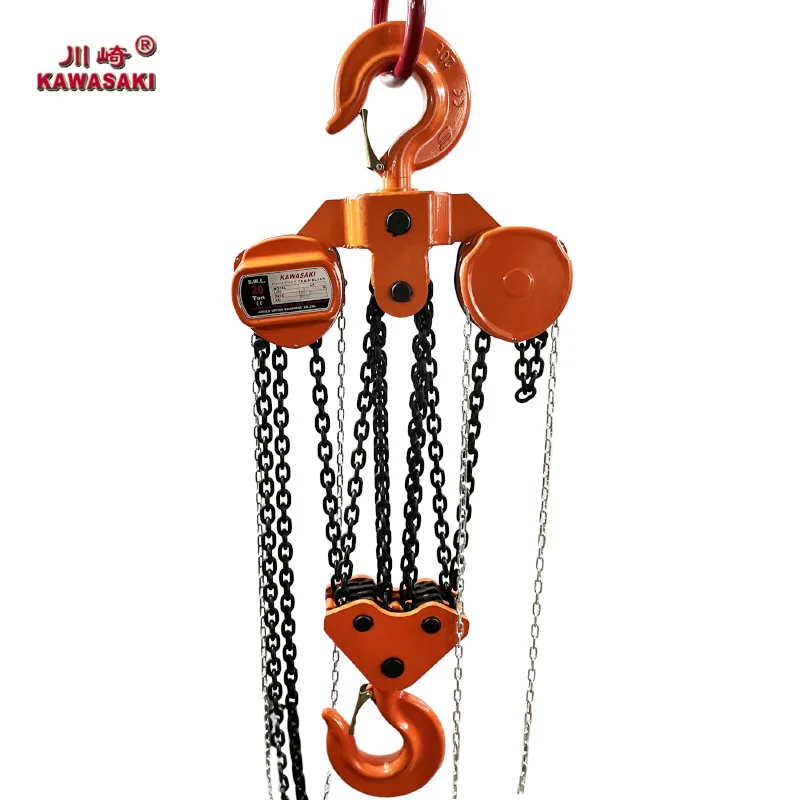
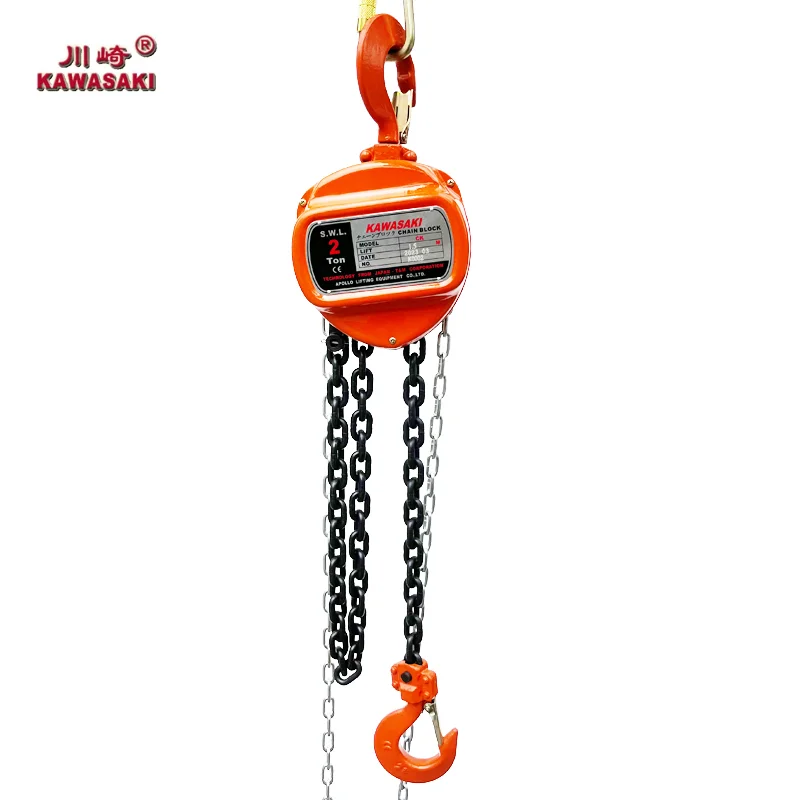
Apollo manual hoists are basic, hand-powered lifting tools—sometimes known as hand chain blocks or chain falls. They lift heavy loads straight up without any electricity. They’re great for jobs where reliability and ease beat out fast automation.
The Apollo range features the CK and VC Series. Both handle tough spots like factories, mines, farms, building sites, and docks. These hoists use careful mechanical setup for repeated pulls. They keep things running smoothly.
A big standout is Apollo’s focus on safety rules. The brand builds in a four-fold safety factor for each one. They make them under ISO-approved methods for steady B2B work. This matches the quality style of top hoist makers—
Our company has passed ISO9001, ISO2000 quality system certification, and obtained European Community CE/GS safety certification.
That dedication to checked production brings reliable results across Apollo’s manual items.
Key Factors to Consider When Choosing Apollo Manual Hoists
Picking the best model goes beyond just strength. It’s about fitting your daily tasks with the right mix of power, ease of movement, and lasting build.
Load Capacity
Apollo provides units from 1 ton to 10 tons or higher in some CK Series setups. In warehouses dealing with varied goods—like stacks of parts or machine pieces—go for a hoist rated a bit over your top load. This keeps things safe and smooth. Picking too strong wastes money. Choosing too weak can cause stops from overloads.
Portability
Manual hoists win points for being movable. Apollo shapes its models with small bodies and light covers. So, workers can shift them quickly between spots or sites. They’re vital in logistics areas with spotty power or shifting needs—like outdoor docks or rolling load areas. Fixed electric types need setups or cables. But these follow the work anywhere.
Durability & Safety Features
Toughness really drives long-term savings. Apollo picks strong chains. They treat them with coatings like galvanizing or blackening to fight rust. This draws from solid factory habits in like gear:
Chain customization: polished and oiled, electro-galvanized, nickel-plated, blackened, Dacromet.
Built-in brakes hold loads steady. Overload stops guard against too much pull. Covered parts stand up to wet or gritty air in storage spots. In one factory I recall, these held up through humid summers without a hitch.
Cost-Effectiveness
Apollo manual hoists skip power bills altogether. That’s a real plus over electric ones that use energy non-stop, even when idle. Upkeep stays low without motors or wires to break. Pair that with their long run and few stops. It makes them a smart pick for B2B warehouses chasing smooth operations. Honestly, in tight budgets, that zero-energy bit feels like a quiet win.
| Factor | Benefit | Cost Impact |
| No electricity required | Operates manually anywhere | Reduces energy bills |
| Minimal maintenance | Fewer moving parts | Lowers upkeep costs |
| Long service life | Durable mechanical design | Extends ROI cycle |
Apollo Manual Hoists in B2B Warehouse and Logistics Applications
In everyday jobs, Apollo manual hoists perform well in all sorts of cases. They help set up big machines in plants. They raise goods while unloading ships at ports. Or they load trucks at far-off sites with no outlets. Their straightforward design means less to go wrong. That’s crucial when every minute counts for earnings.
They do especially well in short-term spots. Think seasonal storage or quick logistics hubs where wired systems don’t fit. Their track record in heavy fields lines up with common uses in matching gear lines:
Chain hoists are widely used and can be used in storehouse Industrial production Agricultural production Family life.
That range fits right into current warehouse flows that need quick changes plus safe handling. Take a port worker hauling 2-ton crates— these make it straightforward without fuss.
Step-by-Step Guide to Selecting the Right Apollo Model
Step 1: Figure out your top load needs. Add your biggest lift with a bit extra for safety, say 25%. Look at how often you’ll use it—the work cycle. That decides if you want regular or heavy gearing.
Step 2: Check movement needs against your space setup. For instance, if you have several bays without rails above, pick a lighter one with fast hook mounts.
Step 3: Make sure it meets safety marks like ISO9001. And check that your pick holds Apollo’s four-fold safety factor.
Step 4: Weigh the full ownership cost. Add buy price and likely fixes. Compare to electric ones with steady power tabs.
Step 5: Look into tweaks like OEM labels or special covers for harsh spots. This fits industry ways where
Brand customization: OEM, appearance color, logo
and custom packs are usual for business buyers with many locations. From experience, those small changes help fleets stay uniform.
Why Apollo Delivers Better Value Than Competitors
Against cheap generic hand chain blocks out there with low starting prices, Apollo gives real lasting worth. It comes from better stuff and proven checks like those in big global lifting names: Kawasaki brand lifting machinery must undergo strict testing before leaving the factory. That testing mindset shapes Apollo’s own reviews—from putting together to full-load trials.
For B2B warehouses with round-the-clock shifts, this means fewer swaps and surprise halts. It directly lifts returns. Data from one logistics firm showed Apollo units lasting 40% longer than generics in dusty yards.
Consider this simple ROI matchup:
| Parameter | Generic Chain Block | Apollo Manual Hoist |
| Initial Cost | Low | Moderate |
| Maintenance Frequency | High | Low |
| Energy Requirement | None | None |
| Service Life (Years) | 3–5 | 8–10+ |
| Total Ownership Cost (5 years) | High due to repairs | Lower overall |
Looking at it this way, “cost-effective” covers more than just the tag. It’s about steady work year in, year out. Not always perfect, but close enough for most shops.
Conclusion
For warehouses juggling output goals with tight funds, picking an Apollo manual hoist is a smart move, not a shortcut. Their mix of easy carry, solid mechanics, checked safety buffers, and no-power run makes them perfect for steady material work in logistics setups big or small. To learn more or request a quote, contact Apollo and get expert guidance tailored to lifting needs.
FAQs
Q1: What load capacities do Apollo manual hoists offer for warehouse use?
A: Apollo models range from 1 ton up to more than 10 tons depending on configuration—ideal for everything from light pallet movement to heavy-duty machine installation tasks common in warehouse material handling operations.
Q2: How portable are Apollo manual hoists for logistics and field operations?
A: Each unit features a compact frame designed for easy transport between job sites or storage areas without special tools—perfect when mobility matters more than fixed infrastructure.
Q3: Are Apollo hand chain hoists safer than standard chain blocks?
A: Yes—they include mechanical brakes and overload protection built around a four-fold safety factor standard derived from ISO-certified manufacturing practices similar to those used by other top-tier industrial brands.
Q4: How do Apollo manual hoists save costs compared to electric hoists in B2B logistics?
A: They operate without electricity consumption or motor maintenance costs while maintaining consistent uptime even during power outages—a clear advantage when calculating long-term operational savings.
Q5: Which Apollo model is best for typical warehouse material handling?
A: The CK Series (1–5 ton range) offers an excellent balance between capacity and portability; it’s versatile enough for routine loading/unloading tasks yet robust enough for continuous industrial service where reliability defines productivity.