
Introduction
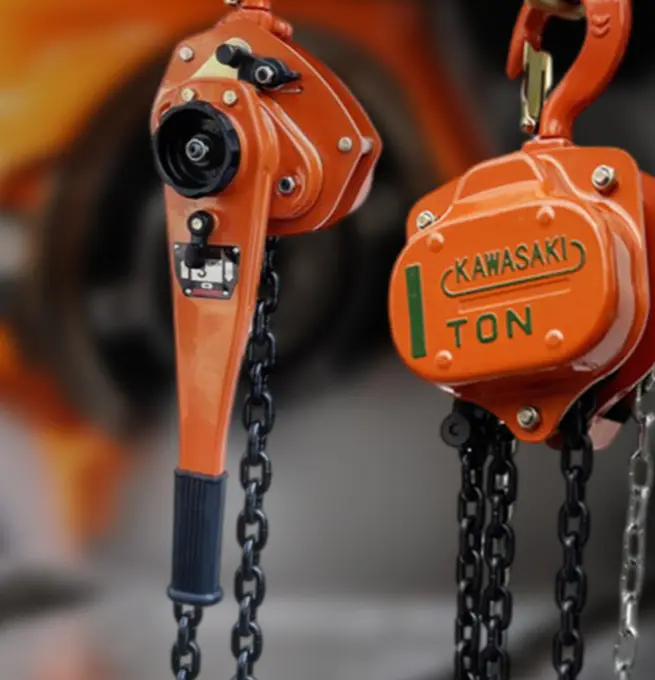
Manual chain hoists are indispensable tools in various industries, including construction, manufacturing, and warehousing, due to their ability to lift and move heavy loads with precision and ease. However, like any mechanical device, they are susceptible to wear and tear, with brake failure being one of the most critical safety concerns. A malfunctioning brake can lead to uncontrolled load descent, posing severe risks to personnel, equipment, and overall operational integrity. This article aims to provide a detailed, step-by-step guide on what to do if a manual chain hoist experiences brake failure or load slippage. Additionally, we will explore preventive measures and highlight how our company’s innovative hoist designs incorporate advanced safety features to mitigate such risks. By understanding these aspects, users can enhance workplace safety and optimize the performance of their lifting equipment.
Understanding Brake Failure and Slippage in Manual Chain Hoists
Brake failure in manual chain hoists occurs when the braking mechanism fails to hold the load securely, resulting in unintended descent or slippage. This can be caused by several factors, including mechanical wear, improper maintenance, overloading, or environmental conditions such as moisture and corrosion. The brake system typically relies on friction components, such as discs or pads, which degrade over time. Slippage might manifest as a gradual drift or a sudden drop, both of which can lead to accidents if not addressed promptly. Recognizing the signs of impending brake issues—such as unusual noises, reduced braking efficiency, or visible damage—is crucial for proactive intervention. In this section, we delve into the common causes and symptoms, emphasizing the importance of regular inspections to identify potential problems before they escalate into emergencies.
Immediate Actions to Take During Brake Failure
Step 1: Maintain Composure and Assess the Situation
When brake failure occurs, the natural reaction may be panic, but this must be controlled immediately. Take a deep breath and quickly assess:
- The rate of descent of the load (gradual slippage vs. rapid fall)
- The weight and nature of the load
- The distance to the ground or nearest stable surface
- Potential impact zone below the load
- Position of other personnel in the vicinity
This assessment should take no more than 2-3 seconds but is critical for determining your subsequent actions.
Step 2: Alert Personnel and Secure the Area
Immediately shout a clear, loud warning such as “LOAD FALLING!” or “BRAKE FAILURE!” to alert anyone in the potential impact zone. Use established emergency signals if available. The goal is to ensure all personnel move away from the danger area immediately. If possible, designate someone to cordon off the area to prevent others from entering.
Step 3: Never Attempt to Stop the Load Manually
Under no circumstances should you or any other personnel attempt to physically stop the falling load or slow its descent by grabbing the chain, load, or hoist body. The forces involved can cause severe crushing injuries, amputations, or fatalities. The kinetic energy of a falling load increases exponentially with height, making manual intervention extremely dangerous.
Step 4: Utilize Secondary Safety Features (If Available)
If your hoist is equipped with secondary safety systems, now is the time to engage them:
- Load Arrestors:Some hoists feature automatic load arrestors that engage when descent exceeds safe limits.
- Backup Braking Systems:Certain models have redundant braking systems that can be manually or automatically engaged.
- Emergency Locking Pins:If accessible and safe to reach, these can be engaged to halt movement.
Only attempt to engage these systems if you can do so without placing yourself in the line of danger.
Step 5: Controlled Lowering Techniques
If the load is descending gradually and you judge it safe to do so, you may attempt to control the descent:
- Maintain a firm grip on the hand chain, but do not attempt to stop the descent completely
- Apply gradual, increasing resistance to slow the rate of descent to the safest possible speed
- Keep your body positioned to the side of the load path, never directly underneath
- If the load begins to descend too rapidly, release pressure immediately to avoid injury
This technique requires significant judgment and should only be attempted if the alternative is uncontrolled rapid descent onto critical equipment or in a high-risk area.
Step 6: Guide the Load to a Safe Landing Zone
If possible, use tag lines (if attached) or other means to guide the load away from personnel, equipment, or fragile items. The priority is to direct the load to the clearest, most impact-absorbing surface available. Do not put yourself at risk while attempting to guide the load.
Step 7: Secure the Area After Descent
Once the load has reached the ground or a stable position:
- Ensure the load is stable and won’t shift or roll
- Maintain the cordoned-off area until the situation is fully assessed
- Do not attempt to move the load or hoist until a thorough inspection is conducted
Step 8: Isolate the Equipment
Clearly tag the hoist with “OUT OF SERVICE – DO NOT USE” and include the date, your name, and the reason (brake failure). If possible, physically lock out the hoist to prevent unauthorized use. This is a critical step to prevent the equipment from being used before repairs are made.
Step 9: Report the Incident
Immediately notify your supervisor, safety officer, and maintenance personnel. Provide a detailed account of:
- When the failure occurred
- What you were lifting (weight, type of load)
- The height from which the load descended
- The manner of descent (gradual slippage vs. free fall)
- Any unusual sounds or behaviors noted prior to the failure
- Any injuries or damage that resulted
Emergency Preparedness: Before Failure Occurs
Proper preparation can significantly reduce risks associated with brake failure:
Pre-Operation Planning
- Always identify clear escape routes and safe zones before beginning any lift
- Establish and communicate emergency procedures with all team members
- Ensure proper personal protective equipment (PPE) is worn, including hard hats and steel-toed boots
- Inspect the hoist thoroughly before each use, paying special attention to braking mechanisms
Equipment Selection Considerations
- Choose hoists with redundant braking systems for critical lifts
- Consider using hoists with automatic load arrestors for overhead lifting
- Ensure hoists are appropriately rated for the loads being lifted
- Select equipment with emergency descent control features when available
Preventive Measures and Best Practices
1. Comprehensive Inspection Protocols
Daily/Pre-Use Inspections
Before each use, operators should perform these visual and functional checks:
- Examine the load chain for stretching, twisting, wear, nicks, gouges, or corrosion
- Check hook latches for proper function and security
- Inspect hooks for deformation, cracks, or throat opening increases
- Test brake function by attempting to lift a light load (no more than 50% capacity)
- Verify smooth operation of the hand chain without binding or hesitation
- Look for loose or missing parts, fasteners, or components
- Check for visible damage to the hoist body or housing
- Ensure proper chain alignment and seating in sprockets
Periodic Formal Inspections
In addition to daily checks, formal inspections should be conducted at regular intervals:
| Frequency | Inspection Type | Key Components to Check |
| Monthly | Frequent Inspection | Brake mechanism, load chain wear, hook deformation, operational tests |
| Quarterly | Periodic Inspection | Disassembly of key components, detailed brake examination, measurement of critical wear points |
| Annually | Comprehensive Inspection | Complete disassembly, NDT of critical components, verification of all safety systems |
2. Proper Lubrication Practices
Correct lubrication is critical for smooth operation and preventing premature wear:
Lubrication Schedule and Specifications
- Load Chain:Lubricate monthly with manufacturer-approved chain lubricant. Apply while moving the chain to ensure complete coverage.
- Brake Mechanism:Use only lubricants specified by the manufacturer. Avoid over-lubrication which can attract contaminants.
- Pivot Points & Bearings:Lubricate according to manufacturer intervals with appropriate grease.
- Gearing:Inspect and lubricate during periodic maintenance using approved gear lubricants.
3. Correct Operational Procedures
Proper Lifting Techniques
- Always center the load directly under the hoist to prevent side loading
- Avoid shock loading by lifting gradually and smoothly
- Never exceed the rated capacity of the hoist
- Ensure the load is properly balanced and secured before lifting
- Use appropriate slings, rigging, and attachments rated for the load
- Lift the load only a minimal distance necessary for the task
- Never use the hoist to lift people under any circumstances
- Never leave a suspended load unattended
Environmental Considerations
Operating environment significantly impacts hoist maintenance requirements:
| Environment | Special Considerations | Maintenance Frequency Increase |
| High Humidity/Corrosive | Use corrosion-resistant components, increased lubrication, protective coatings | 2x standard frequency |
| High/Dusty Particulate | Enhanced sealing, more frequent cleaning, air filtration if possible | 2-3x standard frequency |
| Extreme Temperatures | Special lubricants, more frequent inspection of materials subject to embrittlement | 1.5-2x standard frequency |
| Chemical Exposure | Chemical-resistant materials, immediate cleaning after exposure | 3x standard frequency |
4. Load Management and Capacity Awareness
Load Weight Calculation
Properly calculating load weight is essential for safe operation:
- Weigh loads whenever possible rather than estimating
- For calculated weights, account for all components including rigging
- Consider weight distribution and center of gravity
- When in doubt, use a hoist with higher capacity rating
Multiple Hoist Lifts
When using multiple hoists for a single load:
- Ensure all hoists have adequate capacity for their share of the load
- Use coordinated lifting procedures with clear communication
- Designate a single lift director to coordinate the operation
- Use hoists of similar design and capacity when possible
5. Brake System Specific Maintenance
Brake Testing Procedures
Regular brake testing should include:
- Daily:Functional test with light load to verify holding capability
- Weekly:Test with incremental loads up to rated capacity in a controlled area
- Monthly:Disassembly and inspection of brake components for wear
- Annually:Complete brake system overhaul by qualified personnel
Common Brake Problems and Solutions
| Problem | Possible Causes | Corrective Actions |
| Load Creep | Worn brake pads, contaminated friction surfaces, weak spring tension | Replace worn components, clean friction surfaces, adjust/replace springs |
| Excessive Hand Chain Pull | Insufficient lubrication, misalignment, worn gears | Lubricate properly, realign components, replace worn gears |
| Brake Chatter/Vibration | Glazed friction surfaces, uneven wear, loose components | Resurface or replace friction components, tighten all fasteners |
| Failure to Hold Load | Severely worn brake components, broken springs, oil contamination | Immediately remove from service, complete brake overhaul |
6. Training and Qualification Requirements
Properly trained personnel are essential for safe hoist operation and maintenance:
Operator Training Elements
- Principles of hoist operation and capacity limitations
- Pre-use inspection procedures and documentation
- Proper rigging techniques and load calculation
- Emergency procedures including brake failure response
- Hands-on operational training with supervision
- Written and practical competency evaluation
Maintenance Personnel Qualifications
- Manufacturer-specific training on hoist systems
- Understanding of mechanical systems and safety devices
- Competency in inspection protocols and documentation
- Authorization to perform specific maintenance tasks
- Continuous education on updated procedures and standards
7. Record Keeping and Documentation
Comprehensive documentation provides a maintenance history and ensures accountability:
| Document Type | Content Requirements | Retention Period |
| Inspection Records | Date, inspector, findings, corrective actions, next due date | Equipment service life + 1 year |
| Maintenance Logs | Work performed, parts replaced, technician, date completed | Equipment service life |
| Training Records | Personnel trained, training date, content, evaluator, competency assessment | Duration of employment + 3 years |
| Incident Reports | Date, description, contributing factors, corrective actions, personnel involved | Permanent record |
8. Replacement Parts and Repair Standards
Critical Replacement Intervals
| Component | Replacement Indicators | Maximum Service Life |
| Load Chain | 10% diameter reduction at any point, visible stretching, twisting | As needed based on inspection |
| Hooks | 15% throat opening increase, >10° twist from plane, any cracking | As needed based on inspection |
| Brake Pads/Linings | Worn to minimum thickness, contamination, glazing | Per manufacturer specification |
| Hand Chain | Visible wear, distortion, difficulty in operation | As needed based on inspection |
How Our Products Ensure Safety and Reliability
At our company, we prioritize safety through innovative engineering and rigorous testing of our manual chain hoists. Our products feature advanced brake systems designed with redundancy and durability in mind. For instance, we incorporate automatic load-holding brakes that engage instantly in case of primary brake failure, providing an extra layer of protection. The materials used in our hoists are selected for their resistance to corrosion and wear, ensuring consistent performance even in harsh conditions. Furthermore, our hoists undergo extensive quality checks and comply with international safety standards, such as ISO and OSHA requirements. We also offer comprehensive training resources and support services to help clients maintain their equipment effectively. By choosing our products, you invest in not just a tool but a commitment to workplace safety, reducing downtime and enhancing operational efficiency.
Conclusion
Brake failure in manual chain hoists is a serious issue that demands immediate action and proactive prevention. By understanding the causes, responding effectively during emergencies, and adhering to maintenance best practices, users can significantly mitigate risks. Our company’s dedication to safety is reflected in our product designs, which incorporate robust features to prevent such failures. We encourage all users to prioritize regular inspections and training to ensure safe operations. Remember, a well-maintained hoist is not only more reliable but also contributes to a safer work environment. For more information on our products and safety initiatives, visit our website or contact our support team. Together, we can build a culture of safety that protects both people and assets.