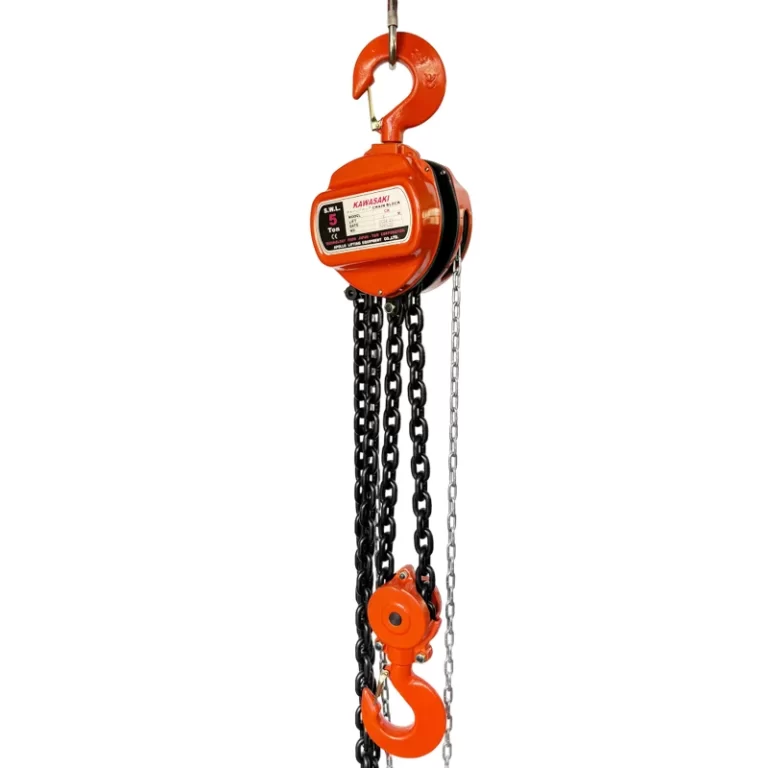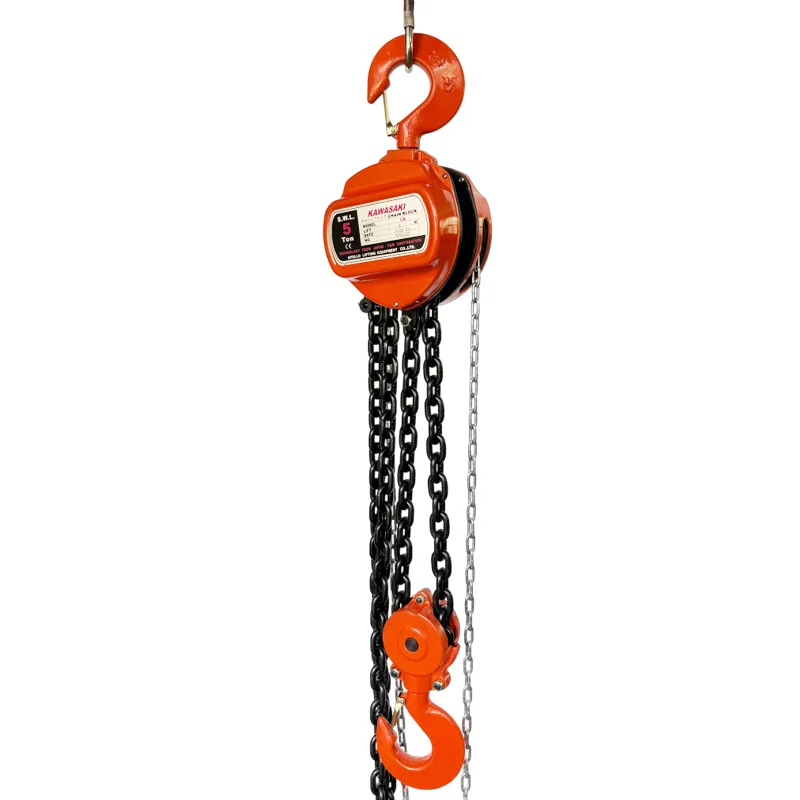
Introduction
In the demanding world of industrial lifting, safety is not merely a feature; it is the foundational principle upon which every reliable operation is built. For leading crane manufacturers and electric wire rope hoist manufacturers, engineering excellence is measured by the unwavering reliability and inherent safety of their equipment. From a robust crane for warehouse logistics to the immense power of port crane manufacturers’ giants, the commitment to integrating advanced safety systems and adhering to stringent international standards is what distinguishes premium lifting solutions.
This article explores the multi-layered engineering approach that ensures safety across all types of crane in industry, detailing the critical physical safeguards and the comprehensive compliance frameworks that protect personnel, assets, and productivity.
The Multi-Layered Safety Architecture in Modern Hoists
Safety in industrial lifting equipment is achieved through a philosophy of redundancy and intelligent prevention. Top-tier hoist lift manufacturers and material lift manufacturers design systems where multiple, independent safety components work in concert to mitigate risk.
1. The Core of Control: Advanced Braking Systems
The braking system is the primary guardian against uncontrolled movement. Modern designs go far beyond a single brake. A typical high-performance electric wire rope hoist incorporates a multi-stage braking system:
- Primary Electromagnetic Brake:This failsafe brake is spring-applied and electrically released. In the event of a power loss, it automatically engages to hold the load securely.
- Motor-Integrated Braking:The hoist motor itself often provides additional braking torque, offering precise control during regular operation.
- Emergency / Secondary Brake:For critical applications or higher duty cycles, an independent mechanical brake acts as a final backup, ensuring safety even under extreme conditions.
This layered approach is essential for all crane used in industry, whether it’s a precision machine shop cranes or a heavy-duty industrial lifting crane.
2. Preventing Catastrophic Failure: Overload Protection
Exceeding a crane’s rated capacity is a primary cause of structural failure. To prevent this, large crane manufacturers and suppliers of construction crane for sale equip their products with sophisticated overload limit devices. These systems, often load cell-based, continuously monitor the weight on the hook. If the load approaches a predefined safe limit (typically 110% of the rated capacity), the system will first issue an audible and visual alarm. If the overload persists, it will automatically cut power to the hoist motion, preventing a dangerous lift. This protection is vital for loader crane manufacturers and port crane manufacturers where load weights can vary significantly.
3. Defining Safe Boundaries: Limit and Anti-Collision Devices
To prevent over-travel and collisions, precise limit switches are non-negotiable. Upper and lower limit switches automatically halt the hoist at its safe operational extremes. For cranes operating on runways, such as a crane for warehouse or a large crane used in construction, additional safety is provided by:
- Travel Limit Switches:To define the bridge and trolley’s operational area.
- Anti-Collision Systems:Using sensors or radar, these systems prevent multiple cranes or the crane and the wall from colliding, a critical feature for port crane manufacturers and in dense industrial settings.
Commitment to International Standards: The Framework of Trust
1. ISO 9001: The Bedrock of Systematic Quality Management
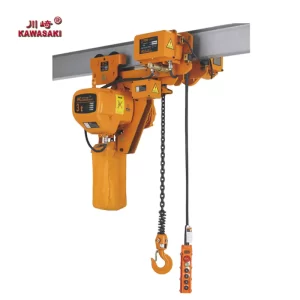
ISO 9001 certification is the universal baseline for quality assurance. It provides a structured framework for consistent design, production, installation, and service. For clients evaluating small cranes manufacturers or large crane manufacturers alike, this standard offers critical assurance:
- Process-Driven Consistency:It verifies that every industrial lifting crane or crane for warehouse use is produced under a system of controlled, documented, and continuously improved processes.
- End-to-End Traceability:From raw material sourcing to final testing, every component’s journey is documented, enabling precise quality control and accountability.
- Customer-Centric Focus:The standard mandates systematic handling of customer requirements and feedback, ensuring that the equipment from material lift manufacturers genuinely solves end-user challenges.
This framework is indispensable for any serious crane hoist supplier operating in international markets, providing clients with confidence in the manufacturer’s operational maturity.
2. EN 13157 & The Machinery Directive: The Specific Blueprint for Safety
While ISO 9001 governs the management system, product-specific standards like EN 13157 (“Safety requirements for manually propelled load lifting equipment”) provide the exact technical blueprint for safe design. Compliance with this and related directives (under the broader CE marking umbrella) is non-negotiable for market access in Europe and is recognized globally as a mark of safety.
Key Technical Mandates of EN 13157 include:
- Design Calculations & Safety Factors:Strict formulas for structural integrity, ensuring cranes can handle not just the rated load but also dynamic forces and fatigue over their lifecycle.
- Material Specifications:Defined requirements for steels, welds, hooks, and wire ropes, ensuring components used by loader crane manufacturers or port crane manufacturers have the necessary mechanical properties.
- Protective Measures Integration:The standard explicitly mandates the integration of the safety devices discussed previously—brakes, overload protectors, and limit switches—as intrinsic elements of the design.
- Rigorous Testing Protocols:Prescribed tests for static load (e.g., 1.5x rated load), dynamic operation, and function of all safety devices before a unit leaves the factory.
3. CE Marking: The Legal Declaration of Conformity
The CE mark is often misunderstood as a quality seal. In reality, it is a manufacturer’s legally binding declaration that the product complies with all applicable European Union legislation, primarily the Machinery Directive 2006/42/EC.
The process to legitimately affix the CE mark is exhaustive and forms the core of the trust framework:
- Comprehensive Risk Assessment:The manufacturer must systematically identify all potential hazards associated with the crane used in industry or construction crane for sale and document how the design mitigates them.
- Technical Construction File (TCF):This dossier is the product’s “safety passport,” containing all design calculations, test reports, risk assessments, manuals, and certificates for components. It must be maintained for at least 10 years.
- Declaration of Conformity (DoC):This signed legal document, provided with each machine, states the applicable standards and directives with which the product complies. It is the final, accountable link in the chain of trust.
4. The Competitive Advantage of Standardization
For a crane hoist supplier, this commitment to international standards is a powerful market differentiator. It provides:
- Global Market Access:Compliance facilitates entry into regulated markets worldwide, from Europe to Southeast Asia.
- Reduced Liability Risk:Documented compliance is the primary defense in the event of an incident, demonstrating due diligence.
- Enhanced Client Confidence:For engineers specifying a crane used in construction or procurement officers evaluating leading crane manufacturers, valid certifications simplify the vetting process and reduce perceived risk.
Ultimately, when a port crane manufacturers‘ product bears the CE mark and is backed by ISO 9001 and EN 13157 compliance, it communicates a clear message: every aspect of its safety and performance has been scrutinized, tested, and documented against the world’s most rigorous benchmarks. This is the true framework of trust that enables safe and efficient operations across all Types of crane in industry, fostering long-term partnerships built on proven reliability.
Safety Engineered for Every Application
1. Light Industrial & Warehousing: Precision in Repetition
In environments utilizing a standard crane for warehouse operations or automated storage and retrieval systems (AS/RS), the primary safety challenges revolve around high-frequency cycling, operator precision, and integration with other automated systems. Safety engineering here focuses on:
Ergonomics and Control: Smooth, variable-speed control systems (often using advanced frequency drives) from material lift manufacturers prevent load swing, allowing for precise placement and reducing strain on both the equipment and the operator.
Collision Avoidance: In aisles with multiple cranes, sophisticated anti-collision systems using laser or radio-frequency guidance are essential to prevent accidents and ensure uninterrupted workflow.
Duty Cycle Durability: Equipment from reputable small cranes manufacturers for these applications is engineered for endurance, with components selected to withstand thousands of cycles annually without degradation of safety functions.
2. Manufacturing & Machine Shops: Versatility and Integration
The crane used in industry for tasks like CNC machine feeding, assembly line support, or parts handling requires exceptional versatility and interfacing capability. Machine shop cranes and industrial lifting crane solutions in these settings often feature:
Low Headroom Designs: Maximizing usable vertical space in facilities with height restrictions, without compromising on lifting capacity or safety system integrity.
Specialized End Effectors: Safety engineering extends to the interface point—custom hooks, grabs, or vacuum lifters designed to secure unique loads safely.
Environmental Resilience: Protection against contaminants like metal particulates, coolants, or oils that are common in manufacturing, ensuring brakes and electrical systems remain fully functional.
3. Construction & Heavy Fabrication: Ruggedness and Reliability
When sourcing a construction crane for sale or equipment for steel fabrication, the paramount concerns are extreme load handling, exposure to the elements, and site-based operational challenges. Leading large crane manufacturers and loader crane manufacturers address these with:
Enhanced Structural Integrity: Designs incorporate higher safety factors and redundancy for critical structural welds and components.
All-Weather Protection: Motors, brakes, and electrical panels are housed in high Ingress Protection (IP) rated enclosures to resist rain, dust, and temperature extremes.
Robust Overload Protection: Systems are calibrated not just to prevent overloading, but to account for the dynamic, shock-loaded nature of construction site lifts.
4. Ports, Logistics & Heavy Industry: Scale and Automation
The operational scale for port crane manufacturers and suppliers of mega-project industrial lifting cranes introduces challenges of immense scale, 24/7 operation, and remote or automated control. Safety engineering here achieves monumental reliability through:
Predictive Monitoring: Integration of IoT sensors and Condition-Based Monitoring (CBM) to predict maintenance needs on brakes, wire ropes, and motors before a failure can occur.
Fail-Operational Systems: Redundancy is engineered into every critical system. For example, dual independent brake systems on a single hoist, or multiple power supply paths, ensuring a single component failure does not cause a total shutdown.
Advanced Driver-Assist & Automation: Systems like automatic skew correction for container handling, GPS-guided trolley positioning, and fully automated stacking crane cycles enhance both safety and efficiency by removing potential for human error in repetitive, precise tasks.
Conclusion: The Uncompromising Standard of Modern Lifting Safety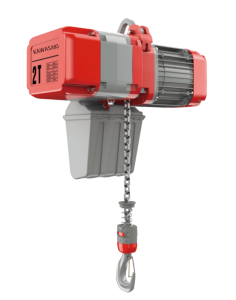
In conclusion, the journey through the sophisticated safety architecture of modern hoists and cranes underscores a fundamental industry truth: true operational excellence is inseparable from unwavering safety. For discerning clients—whether sourcing a compact material lift for light-duty tasks or engaging with leading crane manufacturers for a multi-ton industrial lifting crane —the evaluation criteria must extend beyond mere capacity and price.
The integration of multi-layered braking systems , intelligent overload protection , and precise limit devices represents a proactive engineering philosophy aimed at eliminating failure points. This intrinsic safety-by-design is what allows a versatile crane for warehouse operations and a robust construction crane for sale to perform reliably in their respective demanding environments. Furthermore, adherence to globally recognized frameworks like ISO 9001 , the specific machinery safety directives of EN 13157 , and the legal rigor of CE marking provides the essential external validation of this commitment. It transforms safety from a marketing claim into a verifiable, documented assurance.
Ultimately, partnering with electric wire rope hoist manufacturers and crane hoist suppliers who champion this holistic approach is an investment in more than just equipment. It is an investment in risk mitigation, operational continuity, and workforce confidence. From the precision of machine shop cranes to the monumental scale of port crane systems, the most critical lift a business will ever make is the decision to choose a partner for whom safety is the deeply engineered, non-negotiable foundation of every product.