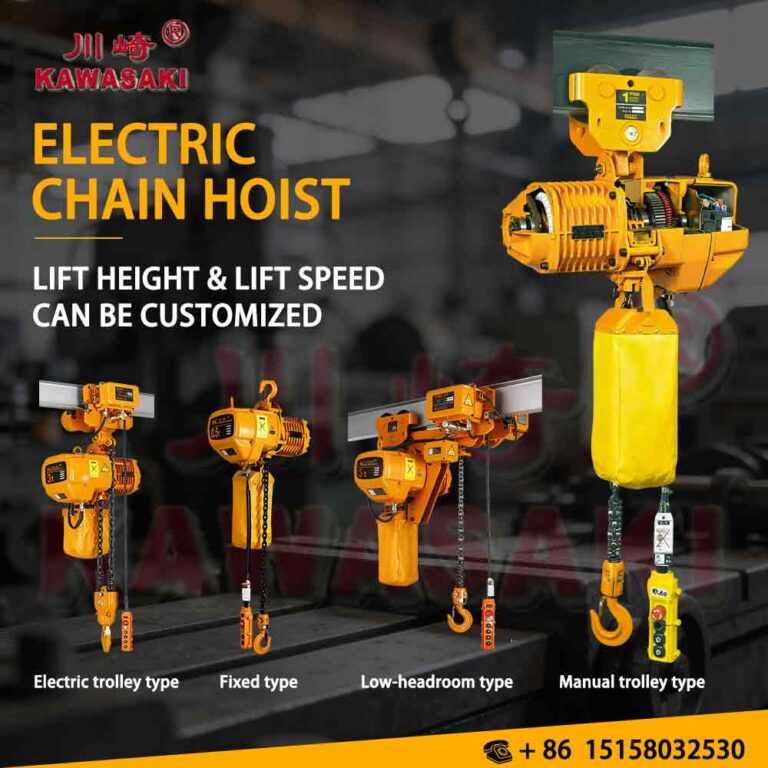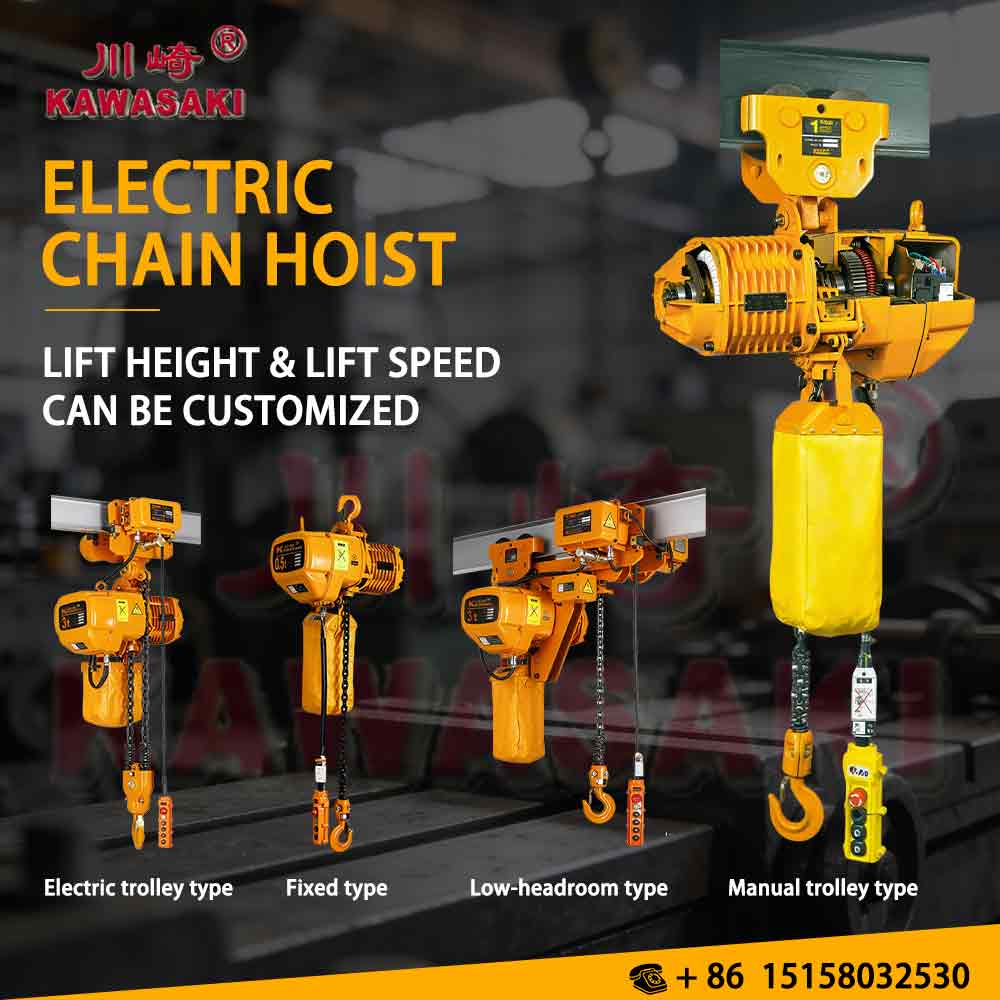
Introduction: The Overlooked Critical Component
In the world of industrial material handling, professionals often focus heavily on the mechanical specifications of lifting equipment—the tensile strength of the wire rope, the durability of the chain, or the precision of the control system. However, one of the most frequently overlooked yet critical components of any lifting operation is the power supply infrastructure.
As a professional with years of experience in the industry, I have witnessed numerous operational delays, equipment failures, and even safety hazards stemming from a simple mistake: using the wrong power cable or socket. At Hangzhou Apollo Lifting Equipment Co., Ltd. , we emphasize that a hoist is only as reliable as the energy source that powers it. For procurement managers and plant operators, understanding the nuances of electrical selection is not just about compliance—it is about ensuring uptime, safety, and the longevity of your investment.
This guide serves as a comprehensive technical resource for selecting the appropriate power cables and sockets for your electric hoists, ensuring that your heavy lifting solutions operate at peak efficiency without electrical bottlenecks.
1. Voltage and Phase: Matching the Hoist to the Grid
Before calculating cable thickness, you must identify the electrical characteristics of the hoist. Electric hoists generally fall into two categories, and misidentifying this is the primary cause of electrical failure.
Single-Phase (110V/120V or 220V/230V)
Common in small cranes manufacturers produce for light-duty workshops or home garages, single-phase hoists are typically portable and rated for lower tonnages. They are convenient because they can plug into standard industrial outlets, but they draw higher current for the same power output compared to three-phase systems.
Three-Phase (220V, 380V, 400V, 415V, 460V)
This is the standard for industrial lifting crane applications. Three-phase motors are more efficient, offer smoother starts (reducing mechanical shock), and are mandatory for frequent or heavy-duty operations. When sourcing from electric hoist manufacturers, it is vital to confirm the voltage compatibility with your facility’s grid. A mismatch here will cause immediate motor burnout or failure to start.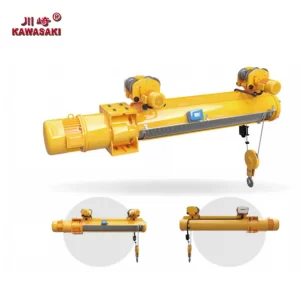
2. Current Carrying Capacity (Ampacity): The Core Calculation
Once voltage is determined, the next step is calculating the Full Load Amperage (FLA) . This determines the minimum thickness (gauge) of the cable. An undersized cable acts like a resistor: it heats up, causes voltage drop, reduces motor torque, and ultimately melts the insulation, leading to short circuits or fire.
The Critical Formula:
I=P×1000V×Power Factor
(Where I is current in Amps, P is Power in kW, V is Voltage)
For a standard 5-ton wire rope hoist suppliers might provide a 7.5kW motor running on 380V three-phase. This would draw approximately 15-20 Amps under full load.
Cable Selection Standards:
-
Up to 10 Amps: 1.5 mm² (14 AWG) — Suitable for small manual hoist conversions or portable micro-hoists.
-
10–20 Amps: 2.5 mm² (12-10 AWG) — Standard for most 1-3 ton industrial hoists.
-
20–35 Amps: 4–6 mm² (8 AWG) — Required for heavy-duty hoists or long cable runs.
-
Above 35 Amps: 10 mm² (6 AWG) and above — Typical for large overhead crane manufacturers installations or dual-speed hoists.
3. Cable Type and Flexibility: Rubber vs. PVC
When consulting with hoist manufacturers and suppliers, you will notice they specify a specific type of cable. The industrial standard is rubber-insulated flexible cable (e.g., H07RN-F or equivalent) .
-
Rubber (Neoprene) Sheath:
This is the gold standard for electric hoist suppliers. It remains flexible in cold temperatures, resists oil, grease, and UV radiation, and is incredibly durable against the abrasion that occurs when cables drag across concrete floors or steel beams. For electric chain hoist applications, where the pendant control cable moves constantly, rubber is mandatory to prevent cracking. -
PVC Sheath:
While cheaper, PVC hardens in winter and becomes brittle over time. It is generally only suitable for fixed installations where the cable does not move, such as the main power feed to a crane runway, rather than the hoist’s traveling cable.
4. Socket and Plug Types: Industrial-Grade Reliability
A standard household plug has no place on an industrial crane. When dealing with heavy lifting solutions, the connection point must be robust, weather-sealed, and capable of handling high inrush currents.
Industrial CEE (IEC 60309) Connectors
These are the universal standard for industrial applications. They come in color-coded formats that prevent voltage mismatching:
-
Yellow: 110V (often used in construction sites).
-
Blue: 230V (single-phase).
-
Red: 400V (three-phase).

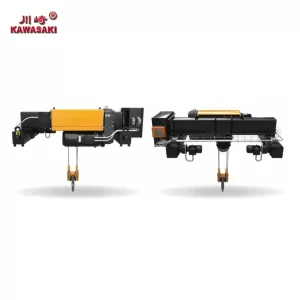
These plugs are splash-proof, provide a tight locking mechanism to prevent accidental disconnection during lifting, and are rated for continuous high current. For warehouse overhead crane systems or construction crane for sale models, ensuring the power inlet is fitted with a CEE socket is a non-negotiable safety standard.
5. Environmental Factors and Special Conditions
The environment dictates the cable material and protection level.
-
High Temperature / Metallurgy:
In steel mills or foundries, standard rubber cables will degrade. You require silicone-insulated or glass-fiber braided cables that can withstand radiant heat. As a leading crane manufacturers in this sector, we often see failures caused by neglecting this specific requirement. -
Mining and Aggregates:
For electric hoist for mining operations, the power supply cable faces extreme abrasion against rock faces and heavy machinery. Here, reinforced reeling cables with heavy-duty polyurethane jackets are required. They are designed to be spooled on cable reels without twisting or kinking. -
Explosive Atmospheres:
In chemical plants or grain silos, a standard plug sparking during insertion could be catastrophic. Explosion-proof hoists require specially sealed conduit systems or intrinsically safe plugs that prevent any arc from escaping. When sourcing electric hoist manufacturers for such environments, verify the ATEX or IECEx certification extends to the entire electrical path, including the plug and socket.
6. Voltage Drop: The Silent Performance Killer
One of the most common issues we troubleshoot at Hangzhou Apollo Lifting Equipment Co., Ltd. is voltage drop caused by excessive cable length.
If your hoist is installed 100 meters away from the distribution board, the resistance in the cable will reduce the voltage arriving at the motor. A 400V supply might drop to 360V at the hoist under load. This results in:
-
Reduced lifting capacity.
-
Slower lifting speed.
-
Overheating of the motor windings.
-
Failure of the electromagnetic brake to release fully.
Best Practice:
If the cable run exceeds 50 meters, you must upsize the cable gauge by at least one level (e.g., from 2.5mm² to 4mm²) to compensate for voltage drop. Top hoist manufacturers will provide voltage drop charts in their installation manuals—always consult these before finalizing the power supply layout.
7. Safety Integration: Grounding and Residual Current Devices (RCD)
A power cable is not just a live and neutral wire; the ground (earth) wire is arguably the most important safety feature.
-
Grounding:
Ensure the cable is a 3-core (for single-phase) or 5-core (for three-phase) configuration. The ground wire must be connected to the hoist body. In the event of a winding short circuit, this ensures the breaker trips rather than electrifying the hoist and the load. -
Residual Current Device (RCD):
For portable or manual hoist applications, the power feed should be protected by an RCD (GFCI). This device detects current leakage to ground and cuts power in milliseconds, preventing electrocution.
8. Best Practices: Implementation Checklist
To ensure you are selecting the right components, follow this checklist:
-
Verify Certification: Ensure cables carry local certification marks (e.g., CE, UL, CSA) and are rated for the specific voltage and amperage.
-
Use Strain Relief: The point where the cable enters the hoist or the plug is the most common failure point. Use a high-quality cable gland (PG gland) to secure the cable and prevent internal wires from pulling loose.
-
Avoid Adapters: Never use “step-down” adapters to force a three-phase hoist into a single-phase outlet. This causes irreversible motor damage.
-
Inspect Regularly: Cables are wear items. Implement a pre-shift inspection to check for cuts, crushed sections, or discoloration (indicating overheating).
-
Consider Festoon Systems: For moving cranes, avoid letting cables drag on the floor. Use festoon systems (trolleys on a wire rope) or motorized cable reels to manage the power cable safely.
9. Future Trends: Smart Power Management
The lifting industry is evolving. Modern crane hoist manufacturers are integrating IoT (Internet of Things) capabilities into their power systems.
We are now seeing the rise of:
-
Smart Plugs: These track energy consumption, motor runtime, and predict maintenance needs. They can alert a facility manager if the current draw exceeds normal parameters (indicating mechanical binding or overload).
-
Integrated Busbars: Instead of trailing cables, some modern warehouses are moving towards insulated conductor bars (busbars) for warehouse crane types. This eliminates cable wear entirely, providing a safer and more reliable power feed for high-cycle applications.
Conclusion
Selecting the correct power cable and socket for an electric hoist is a critical engineering decision that directly impacts safety, operational efficiency, and equipment lifespan. It is the invisible infrastructure that supports every lift, and cutting corners here often leads to costly downtime or dangerous failures.
At Hangzhou Apollo Lifting Equipment Co., Ltd. , we understand that every job site is unique. With decades of experience as trusted electric hoist manufacturers, we don’t just provide the hardware; we offer heavy lifting solutions tailored to your specific electrical environment. Whether you require a standard electric chain hoist for a machine shop, a rugged electric hoist for mining operations, or specialized industrial lifting crane systems, our engineering team ensures that your power supply matches the durability and precision of our equipment.
By adhering to the technical standards outlined in this guide, you protect your investment and ensure that your lifting operations remain as safe and efficient as the world-class hoist manufacturers and suppliers intended them to be.
For more information on selecting the right hoist and power configuration for your specific application, contact our technical support team at Hangzhou Apollo.