- Introduction
A mini electric hoist is a compact, electrically powered lifting device designed for light to medium-duty material handling applications. Compared with traditional industrial hoisting systems, mini electric hoists emphasize small footprint, ease of installation, and cost efficiency while maintaining reliable lifting performance. As global manufacturing, warehousing, and maintenance operations increasingly demand flexible and space-saving equipment, the mini electric hoist has become an essential component within modern heavy lifting solutions.
From the perspective of hoist manufacturers and suppliers, a mini electric hoist bridges the gap between manual lifting tools and large-scale industrial crane systems. It provides powered lifting capability without the structural complexity or capital investment required by full-size overhead cranes. This makes it particularly attractive for workshops, warehouses, machine shops, light construction sites, and maintenance departments.
With over 30 years of experience in lifting equipment design and manufacturing, Hangzhou Apollo Lifting Equipment Co., Ltd. has observed a steady increase in global demand for compact electric hoisting solutions that balance safety, performance, and affordability. Understanding what a mini electric hoist is—and how to select the right one—is therefore critical for procurement managers and engineers alike.
- Core Components and Working Principles of a Mini Electric Hoist
2.1 Primary Structural Components
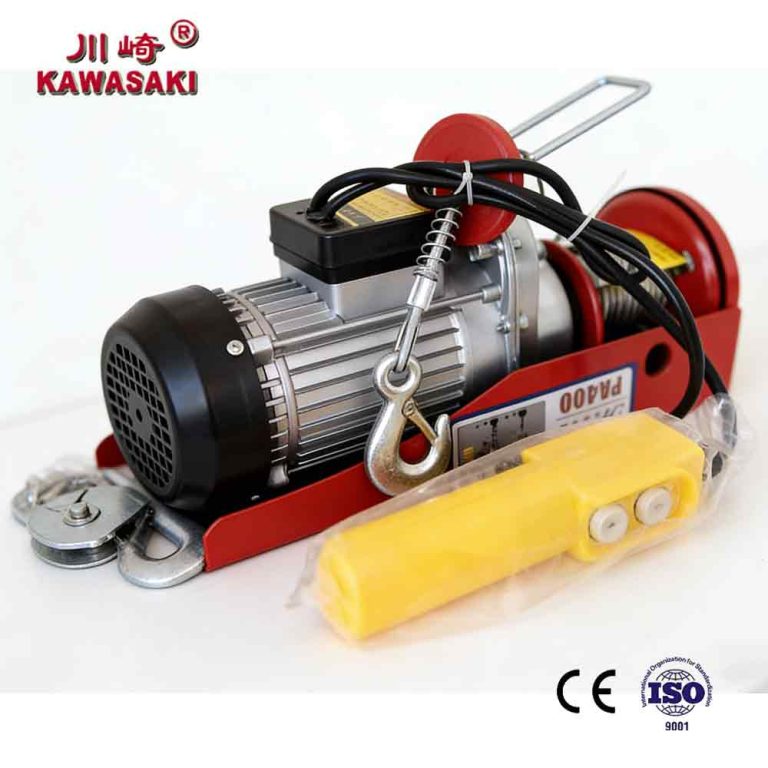
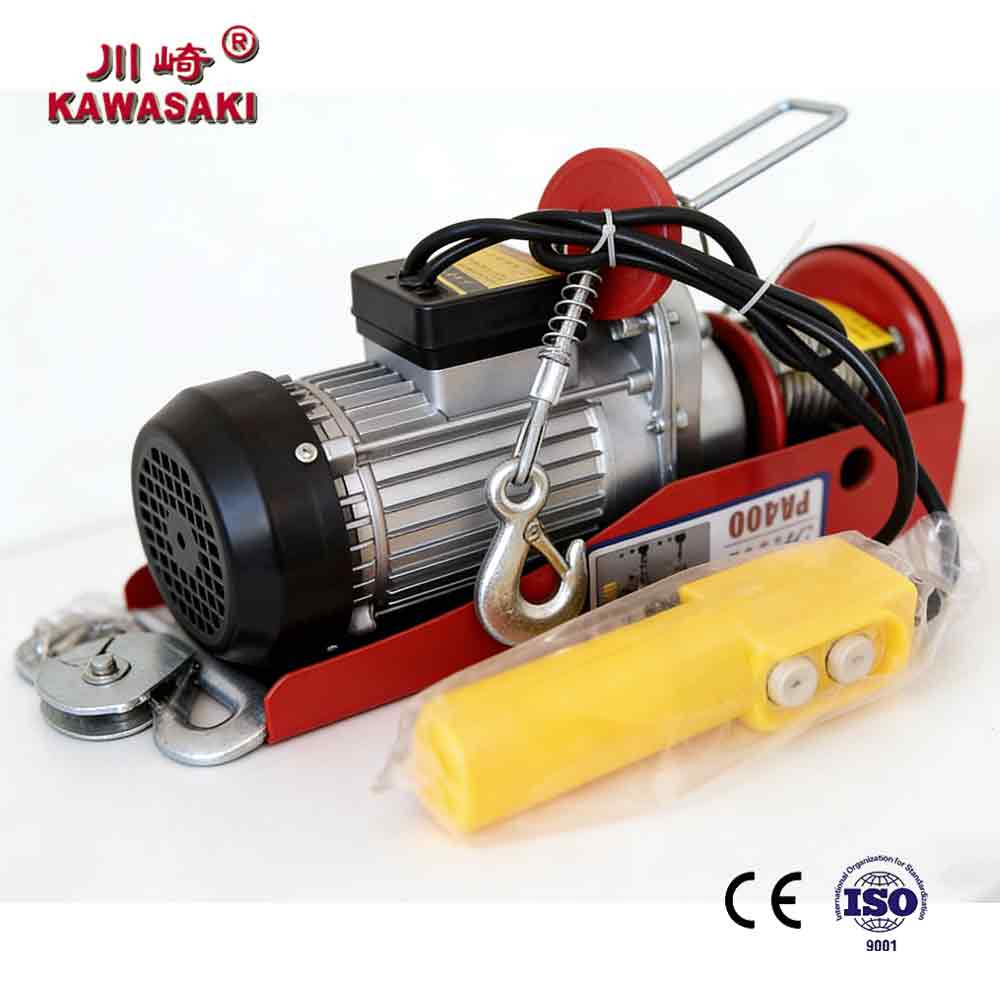
A mini electric hoist typically consists of several essential components working together to ensure stable and controlled lifting:
• Electric motor: Provides the driving force for lifting and lowering operations. • Gear transmission system: Reduces motor speed while increasing torque. • Lifting medium: Usually a steel wire rope or load chain, depending on the design. • Hook and safety latch: Securely connects the load to the hoist. • Braking system: Prevents uncontrolled load descent during power loss. • Control pendant or remote controller: Enables precise operator control.
Electric chain hoist designs are more common in industrial environments due to their durability and consistent lifting speed, while wire rope configurations—often supplied by wire rope hoist suppliers—are favored for smoother operation and higher lifting heights.
2.2 Operating Principle
The operating principle of a mini electric hoist is straightforward yet highly reliable. When the operator activates the control switch, electrical energy powers the motor, which drives the gear assembly. This rotational motion is transferred to the chain or wire rope drum, lifting or lowering the load in a controlled manner. Integrated braking systems engage automatically when power is cut, ensuring load stability and safety.
This simple yet robust mechanism explains why electric hoist manufacturers continue to refine mini hoist designs for enhanced efficiency and reduced maintenance requirements.
- Key Performance Characteristics and Technical Parameters
3.1 Rated Lifting Capacity
Mini electric hoists typically offer rated capacities ranging from 100 kg to 1,000 kg. While these limits are significantly lower than those of industrial lifting crane systems, they are well suited for routine handling tasks such as equipment installation, spare parts lifting, and light material transfer.
3.2 Lifting Height and Speed
Standard lifting heights usually range between 6 and 30 meters. Lifting speed is generally fixed, although advanced models may offer dual-speed or variable frequency options for enhanced control—an important consideration when handling delicate components.
3.3 Duty Cycle and Working Class
Most mini electric hoists are designed for intermittent operation rather than continuous heavy-duty cycles. Buyers should carefully evaluate duty cycle ratings to ensure alignment with operational demands, particularly when comparing products from different electric hoist suppliers.
- Mini Electric Hoist vs. Other Lifting Solutions
4.1 Comparison with Manual Hoists
Compared with industrial manual hoists and industrial hand winch systems, mini electric hoists significantly reduce operator fatigue and improve productivity. While manual hoist suppliers continue to serve low-frequency applications, electric solutions are increasingly preferred in efficiency-driven environments.
4.2 Comparison with Full-Scale Crane Systems
Unlike overhead crane manufacturers’ large installations, mini electric hoists require minimal structural support. They can be mounted on beams, brackets, or light-duty trolleys, making them ideal for facilities where installing warehouse overhead crane systems is impractical.
4.3 Integration with Small Cranes
Mini electric hoists are often paired with products from small cranes manufacturers, such as jib cranes or portable gantry systems. This combination offers flexible material handling without the complexity of large crane used in industry setups.
- Typical Application Scenarios
5.1 Warehousing and Logistics
In warehouse crane types and material handling operations, mini electric hoists are widely used for lifting cartons, machinery parts, and tools. They complement crane for warehouse systems by providing localized lifting capability.
5.2 Manufacturing and Machine Shops
Machine shop cranes and localized hoisting points frequently rely on compact electric chain hoist solutions to handle molds, fixtures, and assemblies.
5.3 Construction and Maintenance
Although not a replacement for construction crane for sale categories or port crane manufacturers’ heavy-duty equipment, mini electric hoists play a vital role in equipment installation and maintenance tasks.
- Selection Criteria: How to Choose the Right Mini Electric Hoist
6.1 Load Characteristics
Understanding load weight, dimensions, and center of gravity is essential. Overloading is a common cause of premature failure and safety incidents.
6.2 Installation Environment
Environmental factors such as dust, humidity, and temperature influence material selection and protection class. For harsh conditions, consultation with experienced hoist manufacturers is strongly recommended.
6.3 Compliance and Certification
Reputable hoist manufacturers and suppliers ensure compliance with CE, GS, and ISO standards. Hangzhou Apollo Lifting Equipment Co., Ltd. integrates rigorous quality control processes throughout production to ensure consistent compliance.
- Safety Considerations and Best Practices

7.1 Operational Safety
Operators should receive proper training and follow load rating guidelines strictly. Routine inspection of hooks, wire ropes, and electrical components is essential.
7.2 Maintenance Strategy
Preventive maintenance significantly extends service life. Leading crane manufacturers and electric hoist manufacturers emphasize scheduled inspections to minimize downtime.
- Industry Trends and Future Development
The future of mini electric hoists is closely linked to automation, intelligent control systems, and energy efficiency. Integration with smart factory environments and modular crane systems is becoming increasingly common across industrial crane manufacturers.
Frequency-controlled motors, improved braking systems, and lightweight materials will further enhance performance while reducing operational costs.
- Why Work with Hangzhou Apollo Lifting Equipment Co., Ltd.
As one of the experienced hoist lift manufacturers in the global market, Hangzhou Apollo Lifting Equipment Co., Ltd. combines in-house design capability, strict quality management, and flexible OEM/ODM services. Our expertise spans electric chain hoist systems, wire rope solutions, and customized lifting configurations tailored to diverse industries.
By collaborating with trusted crane suppliers and component partners, we deliver reliable, compliant, and cost-effective heavy lifting solutions to customers worldwide.
- Conclusion
A mini electric hoist is a practical, efficient, and versatile lifting solution for modern industrial environments. Positioned between manual tools and large-scale crane systems, it offers significant advantages in flexibility, safety, and cost control. By understanding its structure, applications, and selection criteria, buyers can make informed decisions that enhance operational efficiency.
Partnering with experienced electric hoist manufacturers such as Hangzhou Apollo Lifting Equipment Co., Ltd. ensures access to proven technology, professional support, and long-term value—key factors in today’s competitive industrial landscape.