In ports, warehouses, steel yards, and fabrication shops, lifting is not just about moving heavy loads from point A to point B. Weight data matters. Operators rely on digital crane scales to confirm load limits, prevent overload, and keep daily operations moving without guesswork.
On paper, most digital crane scales look similar. Accuracy is often listed as a percentage, usually something like ±0.1% or ±0.2% of full scale. In real lifting jobs, though, accuracy depends on far more than a number on a datasheet. Load behavior, environment, calibration habits, and scale design all play a role.
This article looks at how accurate digital crane scales really are in day-to-day lifting work, and how Apollo’s KAWASAKI CRANE SCALE OCS and KAWASAKI CRANE SCALE OSC are designed to deliver stable, usable readings in the field, not just in a test room.
What Factors Determine The Accuracy Of Digital Crane Scales
Before comparing models or brands, it helps to understand what accuracy actually depends on during lifting operations. Several factors stack together, and ignoring any one of them can lead to readings that drift away from reality.
Load Cell Quality And Design
At the center of every digital crane scale is the load cell. This is the part that converts force into an electrical signal. Better load cells respond evenly to stress, recover quickly after unloading, and show less signal noise.
In real lifting jobs, loads are rarely perfectly still. Steel coils sway, machinery shifts slightly, and hooks never hang at a textbook vertical angle. A well-designed load cell handles these small movements without jumping numbers all over the display. Lower-grade sensors may technically meet accuracy specs, but only when the load is calm and centered.
KAWASAKI crane scales used by Apollo Hoist are built around industrial-grade load sensors designed for suspended loads, not static bench weighing. That difference shows up when readings stay stable even as the load settles.
Calibration Frequency And Traceability
Accuracy does not stay locked in forever. Over time, metal fatigue, shock loads, and temperature cycles slowly change how a load cell behaves. Calibration brings the scale back in line with a known standard.
In real operations, missed calibration is one of the most common reasons crane scales lose accuracy. A scale that was perfect two years ago may now read heavy or light without anyone noticing. Regular calibration, with traceable weights, is what keeps accuracy claims meaningful.
Both KAWASAKI OCS and OSC are designed with straightforward calibration procedures, making routine checks easier for maintenance teams instead of something that gets delayed again and again.
Environmental Influences On Scale Performance
Job sites are rarely friendly to electronics. Heat from furnaces, cold winter mornings, humidity near docks, and dust from raw materials all affect how a scale behaves.
Temperature changes can cause signal drift. Moisture can creep into key components. Poor sealing often leads to display failures long before the load cell itself wears out.
Apollo Hoist supplies KAWASAKI crane scales with sealed housings and waterproof panels, built for outdoor and semi-outdoor lifting where conditions change daily.
How Do Kawasaki Crane Scale OCS And OSC Ensure Accurate Readings
Understanding theory is one thing. Seeing how a product handles real lifting work is another. The KAWASAKI CRANE SCALE OCS and KAWASAKI CRANE SCALE OSC are designed specifically for industrial environments where accuracy must survive rough handling.
Advanced Load Sensor Technology
Both OCS and OSC use high-precision load sensors matched to their rated capacities. This matching matters. A scale that is oversized for the job may show poor resolution at lower loads. One that runs near max capacity every day may wear faster.
Apollo Hoist offers multiple capacity options so users can choose a scale that fits actual working loads instead of guessing. That alone improves real-world accuracy more than many operators realize.
The internal signal processing also plays a role. Readings are filtered to reduce jumpiness caused by normal load movement, while still reacting fast enough for safe lifting decisions.
Built In Overload Warning And Resolution Switch
Overloading is a silent accuracy killer. Even brief overload events can permanently affect a load cell. KAWASAKI crane scales include overload warning functions that alert operators before limits are crossed.
The resolution switch is another practical feature. Higher resolution is useful for lighter loads, while lower resolution can give steadier numbers for heavier lifts. Being able to switch resolution helps operators read the scale correctly instead of chasing flickering digits.
These are small details, but in daily lifting work, they reduce misuse and protect long-term accuracy.
Waterproof And Durable Construction
Accuracy means nothing if the scale fails after a few months. OCS and OSC models are built with sealed enclosures and waterproof control panels to handle rain, spray, and washdown environments.
Strong housings also protect internal alignment. When a scale survives drops, bumps, and vibration, calibration stays closer to where it should be. That directly supports consistent readings over time.
Why Does Calibration Matter For Accuracy In Real Lifting Jobs
Calibration is often treated as paperwork. In practice, it is one of the biggest accuracy factors that operators can control.
Maintaining Traceable Standards
A digital crane scale is only as accurate as the reference used to set it. Calibration should be done with certified test weights or load systems that trace back to recognized standards.
For companies selling by weight or managing safety-critical lifts, traceability is not optional. It protects both the operation and the people involved.
Apollo Hoist supports customers by supplying crane scales that are compatible with standard calibration tools used by service providers worldwide.
On Site Vs Lab Calibration Differences
Lab calibration offers controlled conditions, but real lifting does not happen in a lab. Many operators prefer on-site checks to confirm performance under actual working conditions.
KAWASAKI crane scales are designed so that basic accuracy checks and adjustments can be performed without shipping the unit away for weeks. That keeps equipment in service and reduces downtime.
Scheduling Regular Calibration Intervals
There is no universal calibration interval. Heavy daily use, frequent shock loading, or harsh environments shorten the time between checks.
A common practice is annual calibration, with more frequent checks for high-risk operations. The key is consistency. A regular schedule keeps accuracy predictable instead of uncertain.
How Do Real World Conditions Affect Digital Crane Scale Accuracy
Even the best crane scale faces challenges once it leaves the box. Real lifting jobs introduce variables that spec sheets rarely mention.
Temperature And Humidity Effects
Rapid temperature changes can affect electronic signals. A scale moved from a warm indoor area to a cold yard may drift slightly until temperatures stabilize.
Sealed designs, like those used in KAWASAKI OCS and OSC, reduce moisture entry, which helps maintain stable readings in humid or coastal environments.
Dynamic Loads And Swinging Loads
Crane scales measure force, not mass. When a load swings or accelerates, force changes. That is physics, not a defect.
Experienced operators know to wait for the load to settle before reading the display. Scales with good signal filtering make this easier by calming the display without hiding real overload risks.
Improper Rigging And Load Placement
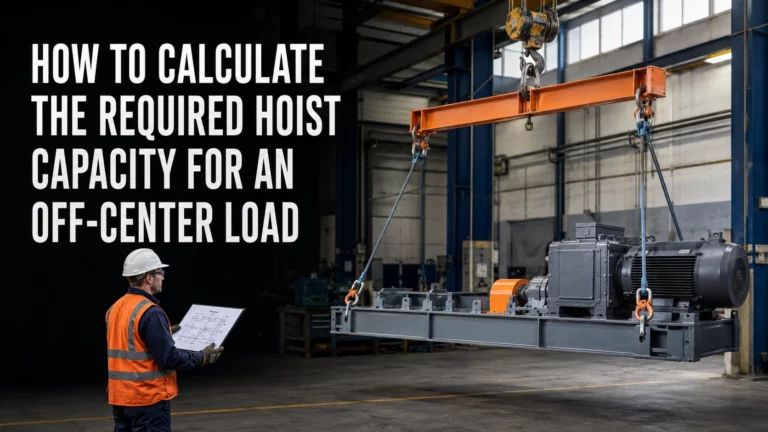
Off-center loads introduce side forces that affect accuracy and safety. No crane scale can fix poor rigging.
Clear displays, hold functions, and stable readings help operators spot problems early. This is another area where design supports real-world accuracy beyond raw sensor specs.
How Should You Choose A Digital Crane Scale For Your Application
Accuracy is not just about buying the highest spec number. It is about choosing a scale that fits the job.
Matching Capacity And Resolution To Job Requirements
Selecting the right capacity improves usable accuracy. A scale that operates in the middle of its range most of the time will read more reliably than one pushed to its limits.
Apollo Hoist’s KAWASAKI crane scale lineup covers a wide capacity range, making proper matching easier for warehouses, yards, and lifting contractors.
Considering Apollo Hoist Service And Support Options
Hardware alone does not guarantee accuracy. Access to spare parts, documentation, and technical support matters over the life of the scale.
Apollo Hoist focuses on long-term industrial supply, not one-off sales. That approach supports customers who need consistent performance year after year.
Evaluating Long Term Total Cost Of Ownership
A cheaper scale that drifts, fails, or needs replacement often costs more in the long run. Stable accuracy reduces rework, disputes, and safety risks.
Investing in durable models like KAWASAKI OCS and OSC supports reliable weighing without constant adjustment or replacement.
FAQ
Q1: Are digital crane scales accurate enough for safety-critical lifts?
A: Yes, when properly selected, calibrated, and used correctly. Features like overload warning and stable signal processing play a key role.
Q2: How often should a digital crane scale be calibrated?
A: Most operations follow an annual schedule, but heavy use or harsh conditions may require more frequent checks.
Q3: What is the difference between KAWASAKI CRANE SCALE OCS and OSC?
A: Both are designed for industrial lifting. The choice usually depends on capacity range, display preferences, and specific application needs rather than accuracy alone.