In industrial lifting and material handling, weight data serves as more than just a basic figure. It directly impacts safety choices, production schedules, transport expenses, and regulatory compliance. A crane scale that produces unsteady or wrong measurements can subtly introduce hazards throughout an entire setup. Because of this, numerous lifting experts emphasize not only acquiring a crane scale but also operating it properly for the long haul.
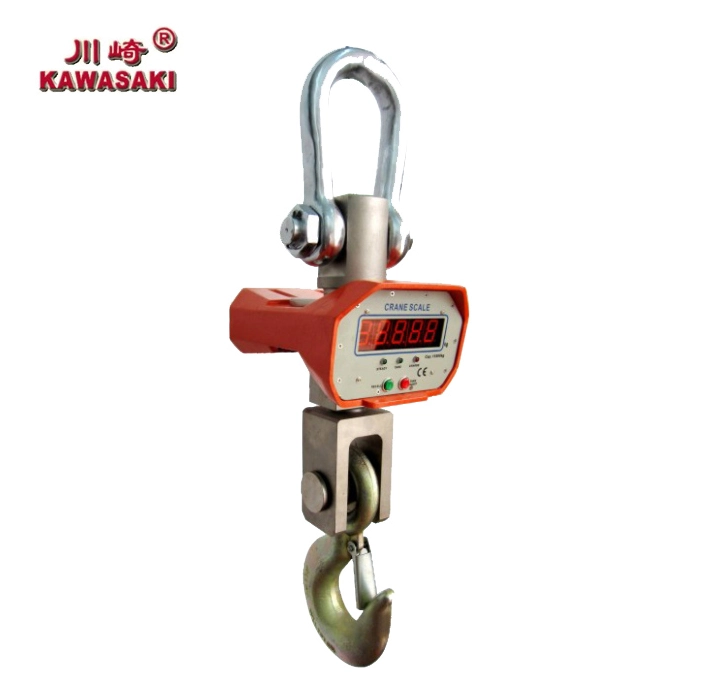
Apollo Hoist offers KAWASAKI crane scales that see frequent use in shops, docks, storage areas, and assembly facilities. Versions like the KAWASAKI Crane Scale OCS and KAWASAKI Crane Scale OSC suit everyday industrial weighing, where toughness and clear visibility count as much as precision. Grasping how to pick, care for, and run these scales right is vital for obtaining trustworthy outcomes over the years.
How Do You Choose the Right Crane Scale for Your Application?
Picking a crane scale ought to begin with actual job conditions, rather than merely the listed capacity on a datasheet. The kind of load, how often you weigh, and the surroundings all shape which type will work best in routine tasks.
Prior to examining particular traits, it pays to consider how various crane scale builds aid different work needs. Apollo’s KAWASAKI lineup gives straightforward choices for folks who seek easy handling while keeping dependability intact.
Product Strengths of KAWASAKI Crane Scale OCS
The KAWASAKI Crane Scale OCS centers on a combined load setup, which cuts down on fragile joint spots and boosts ongoing steadiness. This build proves handy in places where the scale gets attached and detached often.
A big 20 mm LCD screen lets users spot readings from the floor, even in low-light storage spots or open yards. The water-resistant cover guards inner circuits against dirt and dampness, which frequently lead to shifting numbers as time passes. Handy options like zero and tare, unit changes, overload alerts, and automatic shutoff aid routine jobs without added preparation.
For workers needing adaptability, the extra portable reader enables weight info to be viewed from a secure spot. This comes in useful when handling bulky items or when sightlines to the hook prove tricky.
Product Strengths of KAWASAKI Crane Scale OSC
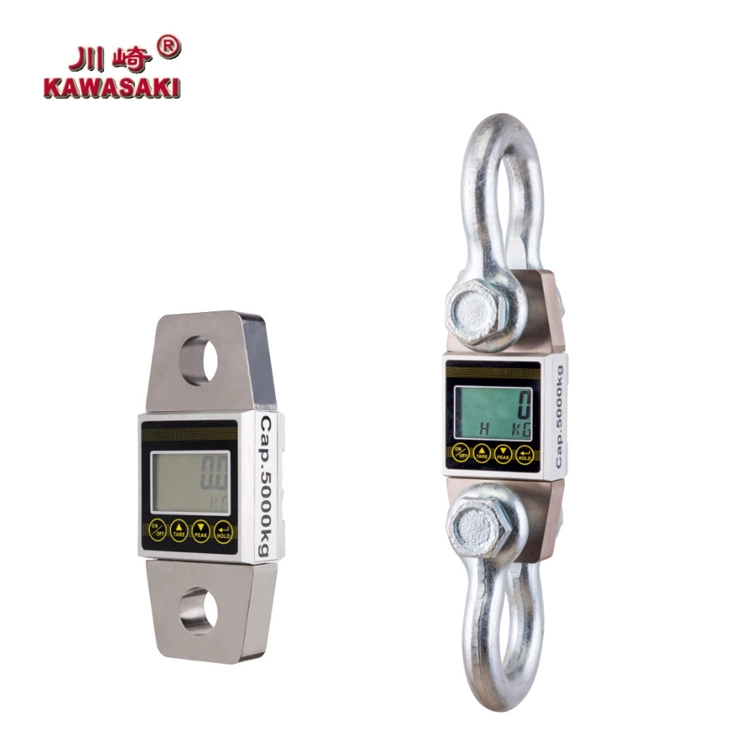
The KAWASAKI Crane Scale OSC fits those who desire comparable weighing results in a somewhat varied shape. It handles firm readings amid active hoisting scenarios and holds steady when weights get applied multiple times in a workday.
Similar to the OCS version, the OSC comes with overload alerts, reading freeze, power level shows, and precision adjustments. These tools prove beneficial in actual tasks, beyond mere checks. The straightforward layout cuts down on misreads, particularly when staff face tight deadlines.
In facilities that handle varied weights all day, the OSC delivers reliable figures without constant re-tuning, provided you stick to core upkeep guidelines.
Matching Crane Scale Features to Load Testing Needs
Deciding between OCS and OSC typically hinges on usage patterns, not which one appears superior in specs. For portable weighing jobs, outside work, or regular hoist shifts, sturdy build and screen sharpness should rank highest. For set routines with recurring weights, uniformity and simple controls carry more weight.
Apollo Hoist aids buyers by pairing crane scale types to genuine site setups, instead of pushing a universal suggestion. This method lets users skip unnecessary purchases or unused extras.
What Calibration and Maintenance Steps Are Essential for Accuracy?
Even a top-notch crane scale might drop in precision if you overlook calibration and upkeep. Weight sensing setups rely on firm load cells and neat mechanical links, both requiring steady checks.
A basic care plan usually wards off most precision problems well before they show up in everyday figures.
Regular Calibration Procedures for Apollo Crane Scales
Calibration needs to stick to a set timetable tied to how much you use it and the weight levels involved. For scales in daily action, routine tuning with approved test masses stands as a strong suggestion. This aligns figures with sector norms and in-house quality reviews.
Apollo Hoist recommends tuning post-setup, after big jolts, and at fixed gaps based on job load. Since KAWASAKI crane scales offer precision shifts, you can verify tuning across varied sensitivity points to ensure even output.
Inspection and Cleaning Protocols for Long-Term Reliability
Grime, oil, and metal bits can gather near hooks and weight paths. In time, this alters force flow to the load cell. Standard sight checks help catch damage early on.
Wiping ought to target outer parts and active components, avoiding blasts of water or solvents into protected zones. The water-resistant cover shields the screen, yet routine attention still lengthens lifespan and reading firmness.
Record Keeping and Schedule Management for Consistent Performance
Maintaining a straightforward record of tuning times, checks, and odd figures simplifies fixing issues. If a scale begins yielding uneven values, upkeep logs often reveal the root quicker than hunches.
For sites with several crane scales, tidy records aid in upholding uniform rules among crews and shifts.
How Can You Minimize Operational Errors During Weighing?
Plenty of weighing mistakes stem from user practices, not gear flaws. Even a finely tuned crane scale can yield confusing outcomes if handled wrong.
Defined rules and simple drills cut these dangers better than depending solely on the tools.
Operator Training and Standardized Measurement Techniques
Staff training should cover smooth load application and steering clear of abrupt bumps. Swaying items or lopsided hoists create brief stresses that skew figures. Pausing a moment for the screen to settle frequently yields a clear improvement.
Set routines for resetting to zero and subtracting tare must occur each time, particularly with sling or fixture swaps.
Environmental Controls and Safe Load Handling Practices
Breezes, shakes, and heat shifts all influence weighing precision. Though you can’t always remove them, knowing their effects aids staff in judging figures more soundly.
Sticking to rated limits on crane scales and dodging overload spots safeguards both precision and build safety. Overload signals on KAWASAKI crane scales serve as timely notices, beyond mere final warnings.
Utilizing Scale Indicators and Alerts Effectively
Tools like reading lock and unit swaps get overlooked too often. The lock feature captures figures when the weight steadies, even if it can’t hold still perfectly for extended periods.
Plain signals lessen misreads and assist various staff in hitting alike outcomes under matching setups.
What Should You Monitor to Ensure Long-Term Scale Performance?
Precision isn’t a single win. It relies on steady watching and minor tweaks as days go by.
Through tracking main performance signs, users of crane scales can detect initial trouble hints and act before stops happen.
Monitoring Load Cell Health and Structural Integrity
Load cells form the core of a crane scale. Any bending, rust, or strange sounds amid hoisting demand prompt attention. Frequent checks of hooks and weight routes both guard reading precision and worker safety.
Tracking Software Diagnostics and Connectivity Status
For types with portable readers or outer screens, power levels and link firmness need regular reviews. The power show aids in dodging unexpected cutoffs amid weighings.
Firm circuits back firm info, especially during extended work periods.
Periodic Verification Against Known Weights and Standards
Even amid official tunings, fast tests with familiar reference masses confirm the scale acts as usual. Brief verifications save effort over fixing major gaps down the line.
How Do Apollo’s Products Support Reliable Data and Safety?
Apollo Hoist stresses workable lifting fixes over intricate setups. This outlook shows in the build of KAWASAKI crane scales.
From frame design to screen ease, each part backs steady application in true factory settings.
Built-In Safety Features and Overload Protection
Overload notices, solid hooks, and unified frames lower misuse odds. These elements shield not just the scale but also the hoist, the weight, and those nearby.
Real-Time Data Display and Connectivity for Decision Making
Bright screens and optional portable readers ease weight info sharing among groups. True figures back sharper calls in shipping, building, and quality reviews.
Durable Design for Harsh Industrial Environments
Water-resistant covers, closed circuits, and tough casings let KAWASAKI crane scales function in tough spots. This sturdiness backs firm readings where weaker types falter.
FAQs
Q1: How often should a crane scale be calibrated for industrial use?
A: Tuning frequency varies with use. For routine industrial weighing, set schedule tunings plus extra reviews after strong hits or overload cases make sense.
Q2: Can crane scales be used outdoors without accuracy loss?
A: Yes, if the scale suits outdoor spots. Types like the KAWASAKI Crane Scale OCS have water-resistant covers and strong builds that manage dirt and wetness effectively.
Q3: What is the most common cause of inaccurate crane scale readings?
A: User patterns like swaying weights, bypassing zero or tare actions, and neglecting care plans cause more issues than gear breakdowns.