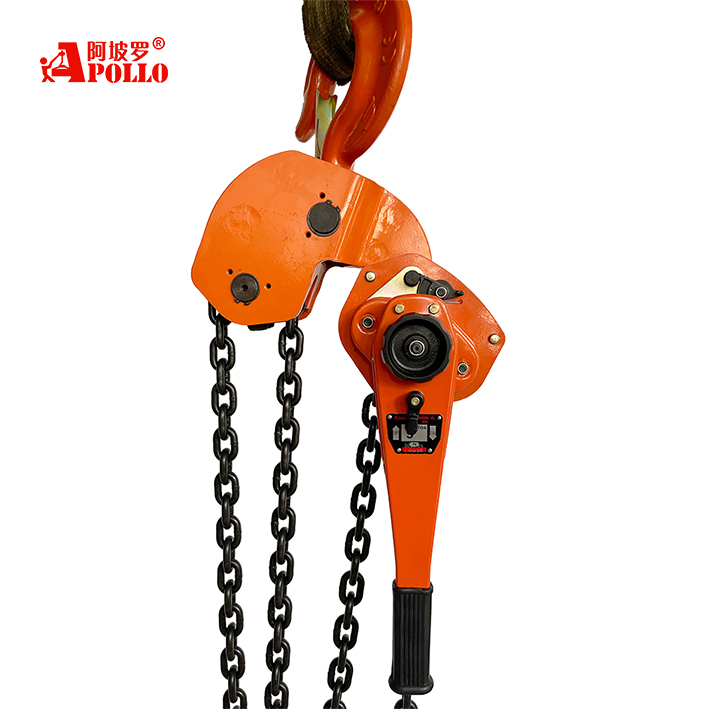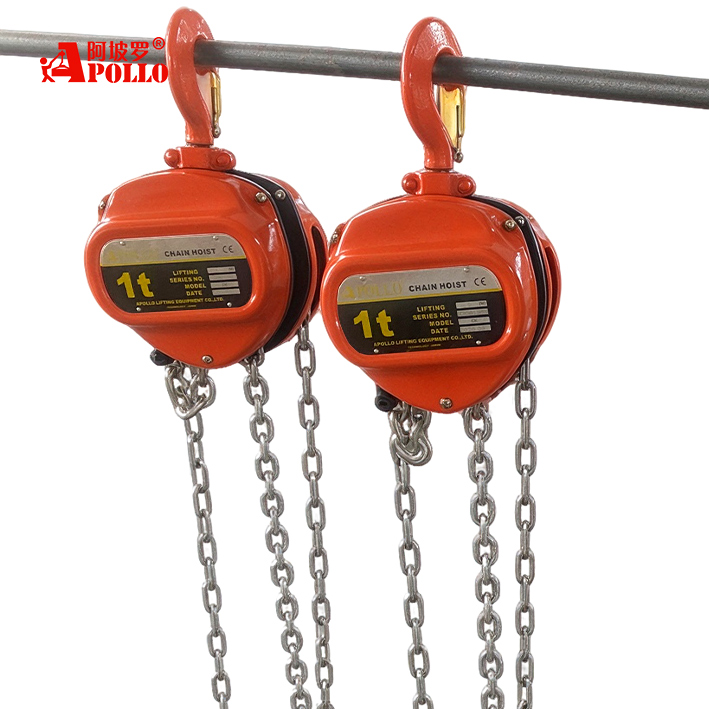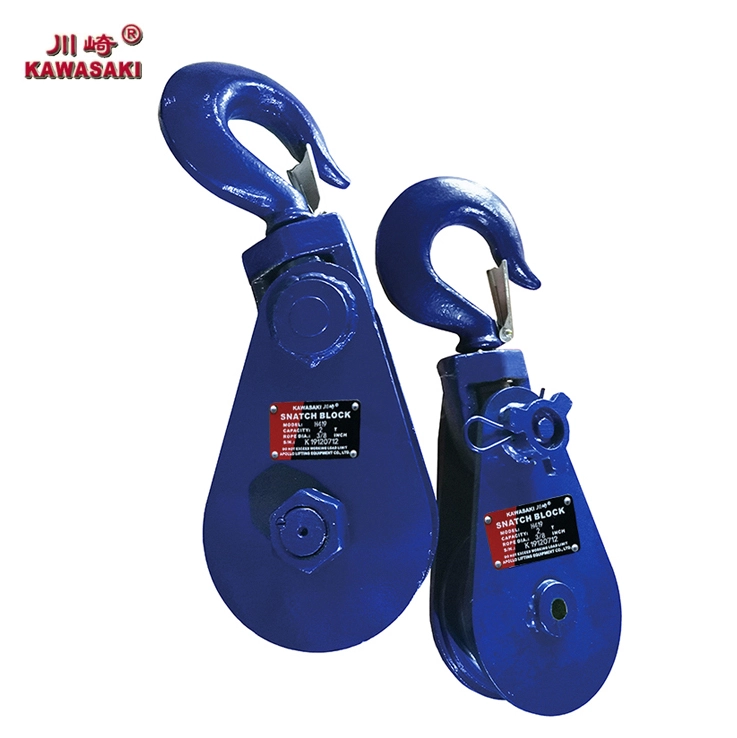
Picking the proper pulley block goes beyond simply selecting a load rating from a list. In actual hoisting tasks—such as those in building sites, docks, plants, or repair areas—the pulley block influences security, productivity, and ongoing expenses. A poor fit can result in quicker damage, shaky hoisting, or even major incidents.
Apollo Hoist, serving as a dedicated provider of KAWASAKI lifting gear, provides a full lineup of pulley blocks tailored to various job settings. Knowing how to pick the correct type allows purchasers to achieve steady operation rather than repeated swaps.
The parts that follow outline the main points to consider when choosing a pulley block and show how Apollo’s KAWASAKI pulley blocks suit diverse hoisting requirements.
What Are The Key Factors When Choosing A Pulley Block?
Prior to reviewing certain types, it pays to grasp the main elements that determine if a pulley block fits a particular task. Numerous hoisting problems arise from overlooking fundamental picking guidelines, rather than from the gear’s build quality.
Load Capacity And Safety Requirements
The initial and most vital aspect remains load capacity. A pulley block must operate strictly within its specified working load boundary, not the breaking point. In factory hoisting, safety buffers prove essential and non-optional.
KAWASAKI pulley blocks from Apollo come with a 4:1 safety factor and undergo individual testing at 200% overload before packaging, which builds user trust when handling variable load shifts or slanted pulling directions.
During use, opting for a pulley block with added capacity eases pressure on the wheel, attachment, and supports, and this choice avoids extra costs while cutting breakdowns and extending usability.
Rope Type And Compatibility
A frequent problem involves rope incompatibility. The wire rope’s thickness, makeup, and bendability all impact pulley function, and a mismatch in size can lead to faulty pathing, rapid rope deterioration, or unsteady hoisting.
KAWASAKI pulley blocks feature exact groove shaping to accommodate common wire ropes in factory hoisting, ensuring the rope rests correctly in action, even with substantial weights.
In situations involving varying rope thicknesses, choosing a pulley block with broader fitting options cuts down on later swap expenses.
Operating Environment And Durability
Hoisting does not always occur inside. Plenty of pulley blocks serve in tough spots like seaside zones, metal mills, or open building areas.
Grime, wetness, and heat variations can cut gear lifespan if outer shielding lacks strength, but Apollo’s KAWASAKI pulley blocks employ durable powder-coated finishes alongside robust steel frames, fitting them for extended service in challenging setups.
Selecting a pulley block built for genuine surroundings, beyond perfect scenarios, frequently marks the line between easy running and ongoing fixes.
Why Does Load Capacity Matter For Pulley Blocks?
Load capacity gets viewed as merely a figure on the tag, yet in practical hoisting efforts, it touches on much more than security alone, affecting damage rates, steadiness, and even worker output.
Ensuring Safe Working Load Limits
Running near the top rated load every day applies steady strain to the pulley setup, and gradually, this causes bending, support tiredness, and attachment harm.
KAWASAKI pulley blocks supplied by Apollo range from 2MT up to 85MT, spanning simple repair tasks to major factory hoisting, so buyers can pick the right size without forcing a smaller one past its safe range.
A fittingly rated pulley block also lessens abrupt weight changes, boosting general site security.
Matching Capacity With Lifting Tasks
Weights do not all act identically. Fixed weights, shifting machines, and hanging goods each exert unique pressures on the pulley block.
For regular hoisting rounds or active weights, picking a pulley block with greater capacity than the real weight supports even motion, and this holds special value in making settings where hoisting repeats all day.
Apollo’s background in delivering pulley blocks for plants and building works aids clients in dodging low-spec picks that seem fine in writing but underperform in routine tasks.
Preventing Equipment Wear And Failure
Too much damage usually signals that load capacity got undervalued, leading to uneven wheel wear, hot supports, and early wire rope harm.
Through choosing a pulley block with enough capacity and a suitable safety buffer, users extend working years and minimize stoppages, which in turn drops swap costs and keeps hoisting predictable over time.
Which Kawasaki Pulley Blocks Does Apollo Offer?
Apollo Hoist delivers various KAWASAKI pulley block types, each crafted for specific hoisting demands, and grasping their distinctions aids buyers in making sharper choices.
Kawasaki Pulley Block CQ Specifications And Uses
The KAWASAKI Pulley Block CQ suits intense factory uses where toughness and trustworthiness stand key.
This version includes a firm steel frame, lasting powder coating, and tight quality checks under ISO9001 rules, with load ratings from 2MT to 85MT that handle diverse hoisting jobs, like gear setup to big building efforts.
The CQ lineup sees common use in plants, harbors, and building ventures where reliable action outweighs small dimensions.
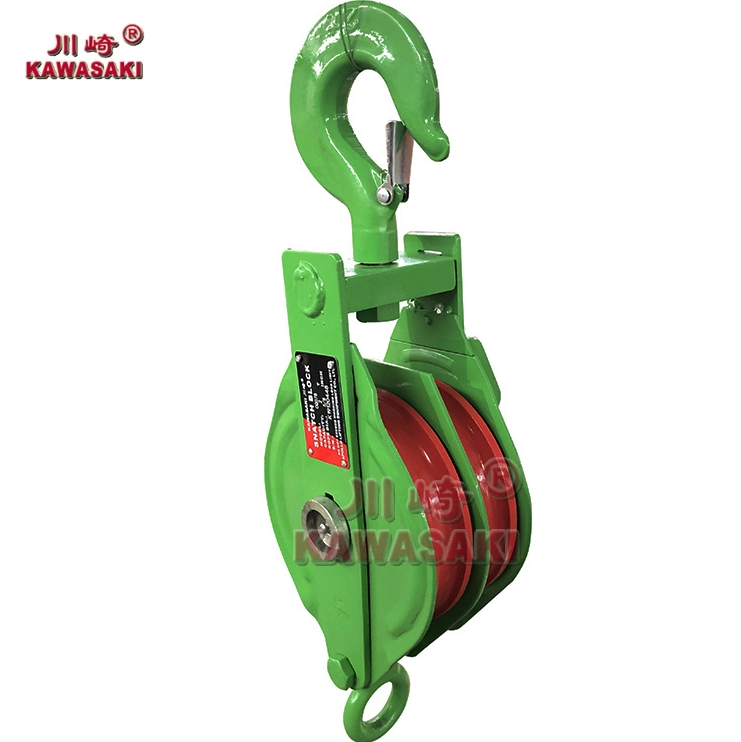
Kawasaki Pulley Block Korean Type Features
The KAWASAKI Pulley Block Korean Type earns note for its even build and broad fitting range, offering solid weight management while keeping a tighter form than bulkier versions.
This pulley block works well for everyday hoisting, upkeep jobs, and moderate factory tasks, and it gets picked often when room stays tight yet power stays vital.
For those seeking a sensible and budget-friendly fix, the Korean Type delivers trustworthy results without added layers.
Kawasaki Pulley Block WTS Advantages
The KAWASAKI Pulley Block WTS gets made for often-repeated use where fluid running counts, and improved inner setup plus even wheel turning cut down on rub during nonstop hoisting loops.
This type often suits making lines, shops, and daily hoisting spots, as lower rub eases load on the pulley block and wire rope alike.
In setups prizing steadiness and lasting dependability, the WTS lineup serves as a firm pick.
How To Match A Pulley Block To Your Lifting Task?
Despite having top-grade pulley blocks, wrong pairing can cause waste, and picking should always begin with true job conditions, not guesses.
Analyzing Your Load Types And Weights
Grasping the true weight means more than its measure. Form, evenness, and shift during hoisting all play roles.
Extended or off-balance weights might generate side pulls on the pulley block, so in such instances, going for a sturdier frame like the KAWASAKI CQ lineup aids in keeping straight lines and lessening damage.
Solid weight review guides to stronger gear output and fewer site shocks.
Considering Frequency Of Use And Work Cycle
A pulley block in weekly action faces varied needs from one used hourly, as frequent hoisting builds extra warmth and damage.
For ongoing hoisting, types such as the KAWASAKI WTS offer easier running and greater lasting power, which helps ease tiredness on gear and staff.
Overlooking use rate commonly brings early swaps, even with load rules followed.
Evaluating Site Conditions And Space Constraints
Workplace design also shapes picking. Narrow areas call for smaller pulley blocks, whereas wide factory spots permit bigger, weightier types.
Open-air workplaces require superior outer shielding against dampness and dirt, and Apollo’s KAWASAKI pulley blocks get built with lasting coatings to tackle actual conditions over managed ones.
Pairing the pulley block to workplace traits supports even output across its working span.
How Can You Maintain Your Pulley Block For Long Life?
The finest pulley block still requires decent upkeep. Steady care holds output firm and stops abrupt breakdowns.
Regular Inspection And Lubrication
Standard reviews spot early damage clues. Supports, wheels, and attachments need frequent looks, particularly in heavy-use spots.
Oil application cuts rub and warmth rise, aiding the pulley block to function more evenly as time goes on, and such basic steps frequently extend gear years.
Checking Rope Wear And Alignment
Wire rope state ties straight to pulley block output. Wrong lining or worn paths boost rope harm and cut hoisting firmness.
Swapping damaged ropes soon guards the pulley block and the hoisted weight both.
Addressing Corrosion And Environmental Damage
In damp or outside setups, rust poses a usual threat. Wiping and simple outer care ward off lasting harm.
Apollo aids clients with post-sale tips, guiding users to tend KAWASAKI pulley blocks rightly rather than by chance.
FAQs
Q1: How do I choose between different KAWASAKI pulley block models?
A: Picking relies on load capacity, use rate, and job surroundings. Intense tasks fit the CQ lineup, standard hoisting pairs with the Korean Type, and frequent operations gain from the WTS lineup.
Q2: Can KAWASAKI pulley blocks be used outdoors?
A: Yes. They feature lasting powder-coated finishes and solid builds, suiting them for open-air and factory surroundings.
Q3: Does Apollo Hoist provide after-sales support for pulley blocks?
A: Apollo provides a one-year warranty, parts aid, and handling tips to support clients in upholding lasting gear output.