Introduction
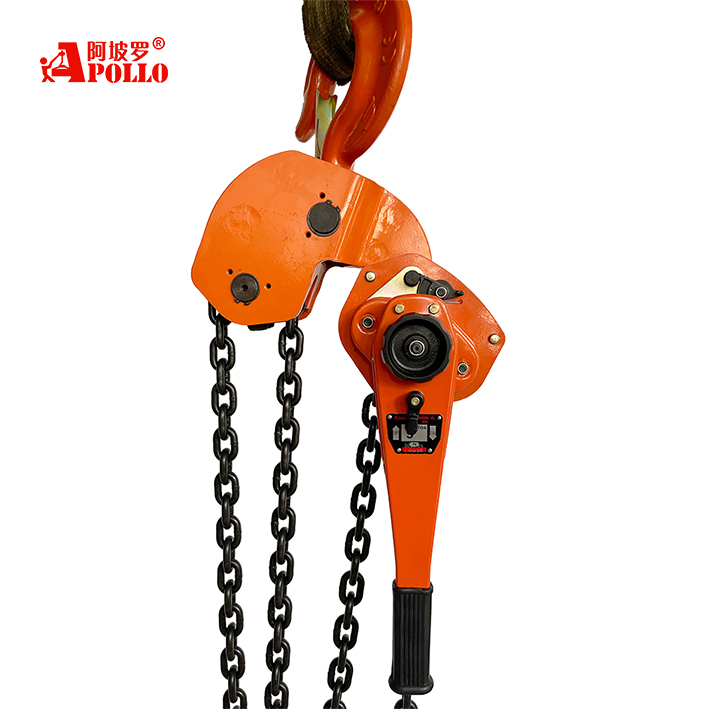
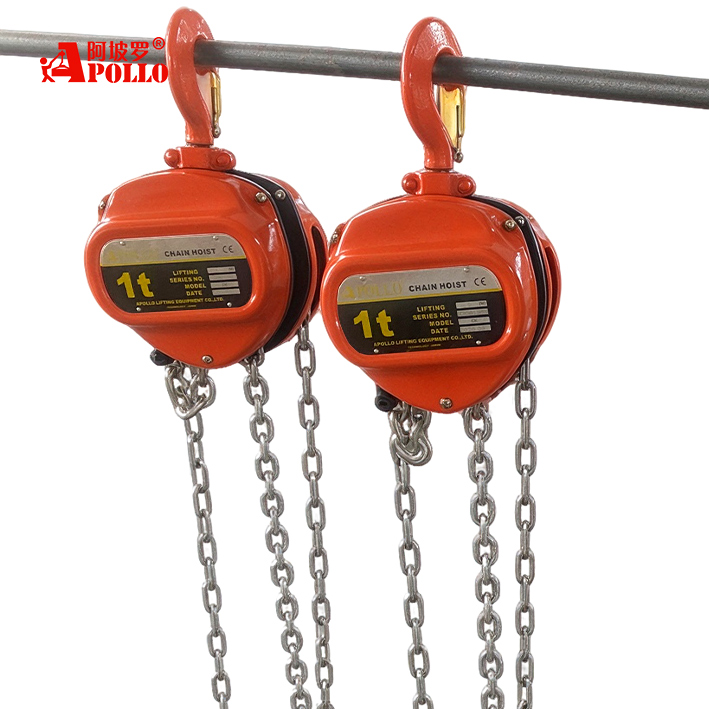
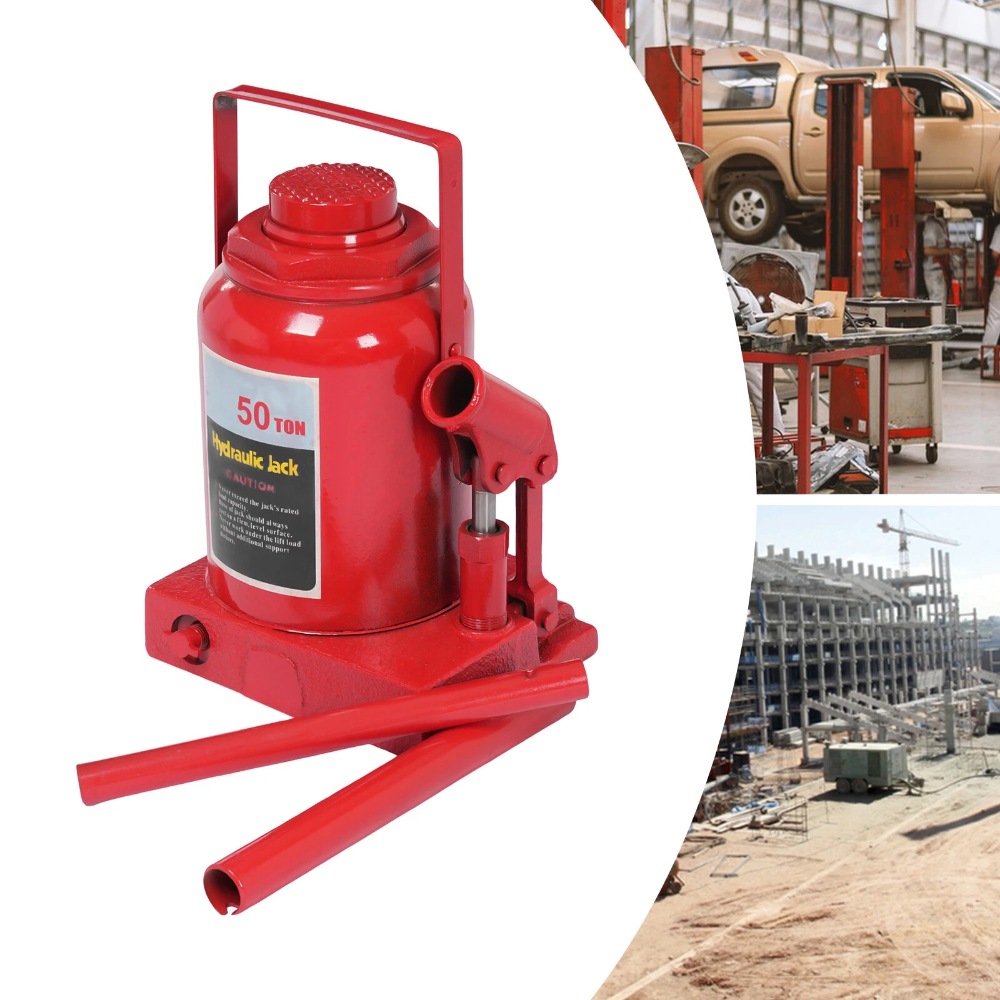
Apollo Jacks are designed lifting tools made to handle needs in automotive shops and heavy industry work. These items are not only about raw power—they mix careful building with strong materials to give steady results in work settings. Picking the correct jack kind is key for safety and speed, mainly in business deals where stops can lead to lost money. Unlike many rivals, Apollo focuses on toughness, user-friendly shapes, and proven trust, making sure each version works well under stress.
Apollo has built a solid name for making top lifting gear through strict checks and exact building. This same drive for quality shows in Apollo’s full set of hydraulic jacks and mechanical lifting setups. The main point here is clear: understanding the various kinds of Apollo jacks and their uses aids business buyers in choosing wisely for car fixes, factory tasks, or industry upkeep jobs.
Overview of Apollo Jacks
Apollo Jacks blend solid load limits with improved safety parts like overload valves and strong bases. Their builds use good steel, coatings that fight rust, and handles that are easy to grip for even action.
For business users—such as repair shops or factory workers—the key gains include:
- Reliability: Each jack gets tested at the plant for steady work.
- Ease of Use: Even hydraulic moves cut down on worker tiredness.
- Longevity: Made with top materials to hold up in tough spots over time.
Every Apollo jack goes through tough plant tests to confirm steady work and safety before it ships out. This strict control shows Apollo’s steady promise to offer trusty lifting tools for pro users.
Types of Apollo Jacks
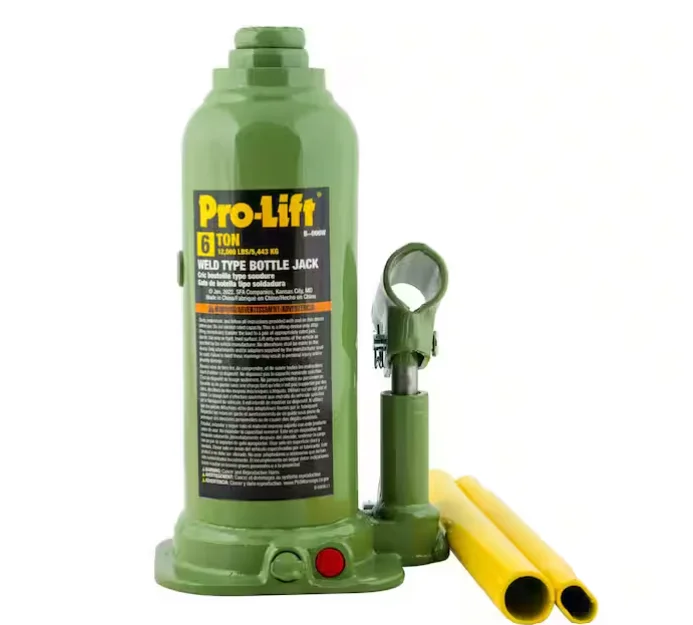
Apollo provides a broad choice of lifting jacks built for various lifting tasks:
| Jack Type | Key Features | Ideal Applications |
| Hydraulic Bottle Jacks | Compact vertical design, 2T–50T capacities, portable | Tight spaces, roadside repairs, general lifting |
| Floor Jacks (Service Jacks) | Low-profile design, wide base, smooth hydraulic action | Automotive workshops, car dealerships, fleet service |
| Toe Jacks | Low-clearance toe plate for engaging under loads | Industrial machine positioning, heavy equipment installation |
| Screw / Mechanical Jacks | Manual operation, no hydraulic fluid needed, excellent stability | Long-term support, maintenance, static lifting |
| Specialty Jacks | Air-hydraulic and high-lift models | Construction vehicles, mining, outdoor field maintenance |
Each kind is built to tackle certain work issues in car and industry spots.
Applications in Automotive Lifting
In car fix shops, Apollo hydraulic jacks make common jobs easier. These include tire swaps, brake work, and checks under vehicles. Fleet centers depend on strong floor jacks for trucks and SUVs. Dealerships use them for checks before sales or fix checks.
By adding Apollo’s hydraulic jacks to daily tasks, shops get quicker finishes and safer work. This comes from built-in overload guards and steady base builds.
A common case: a medium shop with two 3-ton floor jacks can lift cars safely all day. It avoids hot seals, unlike low-cost options.
Applications in Industrial Lifting
In factory plants, Apollo’s lifting jacks manage machine setups or moves of heavy CNC gear with fine accuracy. Building teams use toe jacks for bridge fixes or structure line-ups where room is short but steadiness is vital.
Storage tasks gain from small bottle jacks when fixing pallet shelves or shifting heavy forms between lines. In the power field—especially mining—air-hydraulic types give steady work even in dusty open areas.
Apollo’s mechanical and hydraulic jacks include better safety parts like auto load stops, strong bases, and tough materials. These parts help stop slips and keep steady work under big or long loads. And this is a main reason Apollo jacks are trusted in hard industry spots.
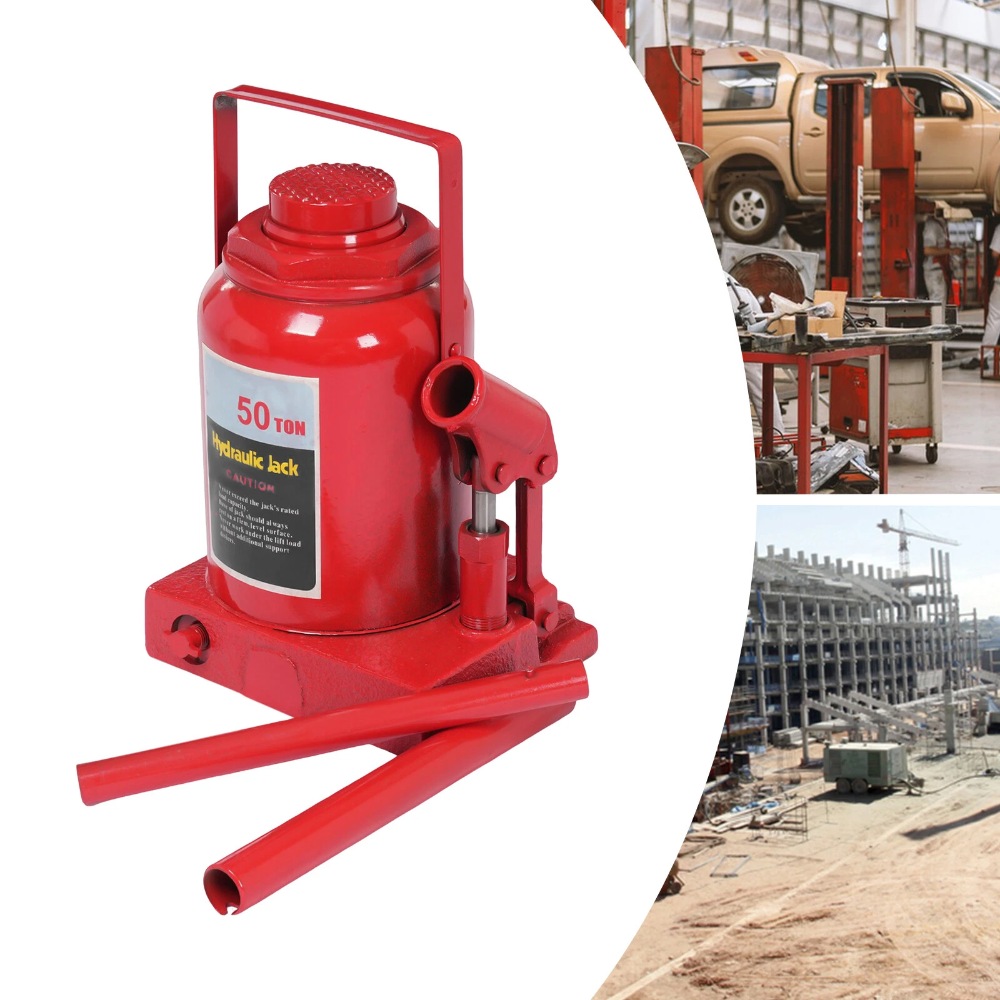
How to Choose the Right Apollo Jack for Your Needs
When picking a jack for your work, think about these points:
- Load Capacity: Match rated capacity with your heaviest expected load plus a safety margin (usually 25%).
- Lift Height: Ensure sufficient clearance between ground level and lift point—especially important in automotive work where vehicle profiles vary widely.
- Terrain/Environment: For uneven floors or outdoor use, wider-base models provide stability against shifting loads.
- Frequency of Use: High-volume workshops should invest in professional-grade hydraulic units designed for continuous duty cycles.
From a compliance standpoint, all professional-grade Apollo models meet ASME PALD standards and CE requirements for industrial safety certification.
For business buyers handling many sites in different areas, using one jack type makes training and parts handling simpler. It also keeps safety rules the same.
Best Practices for Safe Operation and Maintenance
Right use boosts both work and life span:
- Conduct pre-use checks on seals, handles, and release valves before every shift.
- Always position the jack on solid ground; never exceed rated capacity limits.
- Distribute loads evenly using jack stands during prolonged lifts—never rely solely on hydraulic pressure retention.
- Keep piston rods lubricated lightly with anti-corrosion oil after use to prevent rust buildup.
Easy care steps like removing trapped air from hydraulic systems every few months can stop uneven lifts. This small action helps over years of use.
Apollo provides durable packaging options — including cartons, wooden crates, and barrels — to ensure jacks arrive safely at customer sites and remain well-protected during storage and transport. Proper packaging is an important but often overlooked aspect of long-term equipment reliability.
Conclusion
Apollo’s lineup shows range across car fix areas and heavy industry places—from small bottle jacks used by traveling workers to strong toe jacks holding tons of machines during setup jobs. Their mix of user-friendly shapes, tough build materials, and hard tests shows years of growth in the lifting gear field.
Businesses looking to boost safety and speed in car fixes or industry lifts can check Apollo’s full set of jacks online. Or they can reach our tech team for tips fitted to their exact needs.
FAQs
Q1: What is the difference between bottle jacks and floor jacks from Apollo?
A: Bottle jacks use a vertical cylinder ideal for confined spaces or fieldwork; floor jacks have horizontal frames allowing low-profile access under vehicles—perfect for automotive service bays requiring frequent lifts.
Q2: Which Apollo jack is best suited for heavy-duty truck maintenance?
A: For trucks or buses exceeding 10 tons GVW, air-hydraulic bottle jacks offer rapid lift times with minimal manual effort while maintaining precise control under heavy loads.
Q3: Are Apollo jacks suitable for industrial machine lifting?
A: Yes—industrial lifting jacks such as toe or screw types are designed specifically for positioning heavy machines during installation or repair tasks where stability matters more than speed.
Q4: How do I determine the correct load capacity for my application?
A: Calculate total weight per lift point (not total equipment weight) then select an Apollo model rated at least 25% higher than that figure to maintain safe operating margins.
Q5: Can Apollo jacks be used in outdoor construction environments?
A: Absolutely—specialty air-hydraulic models are sealed against dust and moisture intrusion making them ideal for rugged field conditions common in construction projects involving bridge work or infrastructure maintenance.