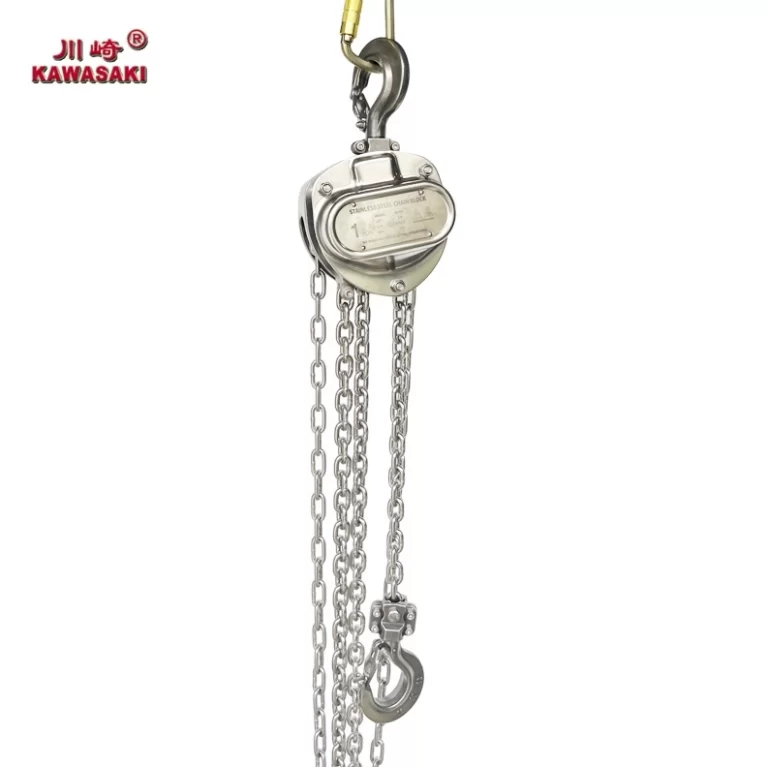
In industrial lifting tasks, efficiency means more than just quick pace. It focuses on steady motion, managed power, fewer stoppages, and dependable service over years. Chain hoists stay among the top reliable lifting devices in plants, storage buildings, job sites, and risky areas.
Knowing the way chain hoists operate, plus correct handling methods, brings real gains in everyday output. Drawing from solid operating basics and hands-on site knowledge, this guide shows practical steps to draw out stronger results from chain hoists, and it spotlights reliable choices from Apollo Hoist, a key supplier of KAWASAKI lifting equipment.
What Are The Key Working Principles Behind Chain Hoist Efficiency?
Before choosing or using any hoist, it helps to understand why some models perform better in real jobs. Chain hoist efficiency comes from a balance of mechanical design, load control, and safety systems working together. A closer look at the basics makes the following tips easier to apply in real operations.
Working Principles Of Chain Hoists
At the core, a chain hoist uses a simple but powerful system: gears, load chain, lifting hook, and brake mechanism. Manual chain hoists rely on human force multiplied through gear reduction, while electric chain hoists use motors to drive the same mechanical process.
High-quality gear machining and accurate alignment reduce friction during lifting. When friction stays low, lifting feels smoother, requires less effort, and causes less wear over time. This is one reason why industrial users prefer well-tested brands like KAWASAKI, which focus heavily on internal structure rather than just outer appearance.
Role Of Mechanical Advantage In Efficiency
Mechanical advantage allows a hoist to lift heavy loads using limited input force. The gear ratio directly affects lifting speed and operator effort.
A properly matched ratio avoids two common problems:
- Lifting that feels slow and tiring
- Lifting that feels fast but unstable under load
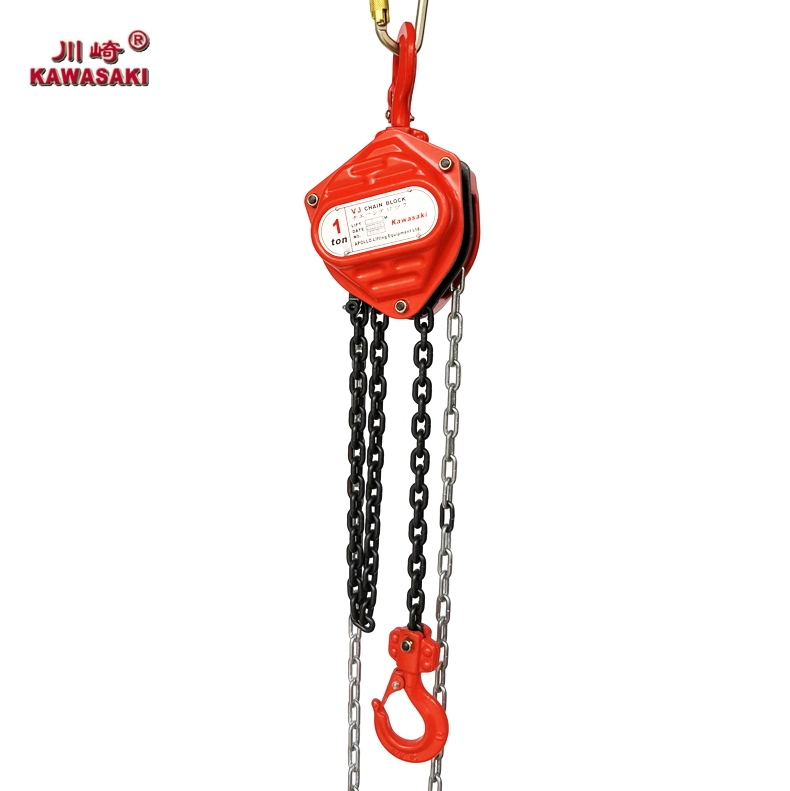
Manual hoists such as KAWASAKI VN 1T and VJ 1T are designed with balanced gear ratios that suit daily workshop and site use, especially where power supply is unavailable or unreliable.
Impact Of Load Control And Brake Systems
Load control is often overlooked until something goes wrong. Reliable brake systems keep the load steady when lifting stops, even mid-air.
KAWASAKI chain hoists use mechanical brake designs that engage automatically once force is released. This keeps loads from slipping and reduces stress on both the operator and the structure. Better load control often means fewer corrections during lifting, which saves time in real workflows.
How Can I Choose The Right Chain Hoist For Maximum Efficiency?
Choosing the right hoist is less about buying the biggest model and more about matching the hoist to the job. Capacity, environment, and usage frequency all matter.
Different working conditions call for different hoist types, and Apollo Hoist offers solutions for each case.
Product Overview Of Kawasaki Explosion-Proof Hoist HBSQ 1T
In hazardous environments such as chemical plants, oil facilities, or enclosed industrial spaces, safety rules are strict. Electrical sparks or overheating parts can cause serious risks.
The KAWASAKI Explosion-Proof Hoist HBSQ 1T is designed for these conditions. Its explosion-proof motor and sealed structure allow safe operation in flammable or dusty areas.
From an efficiency standpoint, this model reduces work stoppages caused by safety inspections or equipment limitations. Operators can keep lifting tasks moving without switching tools or slowing down due to environmental concerns.
Product Overview Of Kawasaki Manual Hoist Chain Hoist VN 1T
For general workshops, warehouses, and light industrial sites, manual hoists remain a practical choice. The KAWASAKI VN 1T is compact, easy to transport, and simple to operate.
Its stable hand chain movement and smooth gear engagement help reduce operator fatigue during repeated lifts. In places where jobs change often, this flexibility adds real value. Less setup time means more actual lifting time.
Product Overview Of Kawasaki Manual Hoist Chain Hoist VJ 1T
The KAWASAKI VJ 1T offers similar capacity but with reinforced components for tougher usage. It fits applications where loads are frequent and working hours are long.
Stronger hooks, durable load chains, and stable braking help keep performance consistent day after day. This consistency matters more than peak speed, especially in production lines or maintenance departments.
What Operating Practices Help Improve Chain Hoist Performance?
Even the best hoist performs poorly if used the wrong way. Daily habits often make the biggest difference.
Simple operating discipline can extend service life and improve job flow without extra cost.
Proper Installation And Regular Inspection Practices
Before lifting starts, the hoist must be installed correctly. Hooks should align with the load center, and chains must hang straight without twists.
Regular inspections help spot worn hooks, stretched chains, or unusual noise early. Catching these signs prevents sudden downtime and keeps work moving smoothly instead of stopping for emergency repairs.
Correct Load Handling And Safe Operating Techniques
Loads should be lifted vertically whenever possible. Side pulling creates uneven stress on chains and gears, slowing lifting and shortening equipment life.
Operators should lift smoothly rather than pulling fast in short bursts. Steady motion reduces shock load and keeps braking systems working as designed.
Routine Maintenance To Prevent Downtime
Lubrication of load chains and moving parts keeps friction low. Dry chains increase resistance and make lifting feel heavier than it should.
Apollo Hoist supports customers with spare parts, manuals, and video guidance. This support helps maintenance teams keep hoists in good condition without guessing.
What Environmental Factors Affect Chain Hoist Efficiency?
Work environments change how a hoist behaves. Ignoring these factors often leads to faster wear and lower efficiency. Choosing the right model for the environment saves time in the long run.
Operating In Hazardous Or Explosion-Risk Areas
In hazardous zones, standard hoists are not suitable. Explosion-proof designs like the HBSQ series reduce safety-related delays and allow continuous operation under strict rules.
This is not only about safety compliance but also about keeping work schedules on track.
Effects Of Temperature And Humidity On Hoist Life
High humidity can cause corrosion, while extreme temperatures affect lubrication performance. Using hoists with proper surface treatment and sealed components reduces these issues.
KAWASAKI hoists offer different chain finishes and protective coatings, which helps adapt to regional climate conditions.
Choosing Suitable Hoist Types For Specific Environments
Indoor workshops, outdoor construction sites, and chemical plants all demand different hoist features. Matching hoist design to environment avoids unnecessary wear and keeps lifting speed consistent over time.
How Can Safety Enhancements Boost Overall Operational Efficiency?
Safety and efficiency are closely connected. Unsafe equipment slows work because operators hesitate or need extra checks.
Brake System Quality And Load Control Mechanisms
A responsive brake holds the load exactly where needed. This reduces repositioning and repeated lifting attempts.
Stable load control also lowers mental stress for operators, which helps maintain a steady work pace throughout the shift.
Chain Quality, Lubrication And Wear Indicators
High-grade load chains resist stretching and surface damage. Clear wear indicators help maintenance teams decide when replacement is needed, instead of relying on guesswork.
Training Operators For Efficient And Safe Use
Long-time hands gain from gear-focused drills. Grasping bounds and traits of each hoist lets sharper use of its pluses.
Apollo Hoist gives tech tips and post-buy aid, which helps users shape safer and sharper raise ways.
FAQ
Q1: How often should a chain hoist be inspected in daily operations?
A: Eye checks should run before each turn starts. Full scans fit a steady plan tied to use rate and weight types.
Q2: Is a manual chain hoist still efficient compared to electric models?
A: For easy to mid weights and bendy sites, manual hoists keep strong use. They skip power needs and give solid grip.
Q3: Why choose an explosion-proof hoist if the environment seems normal?
A: Some job spots hold unseen traps like dust piles or gas clouds. Blast-safe hoists add guard layers and cut later rule snags.