
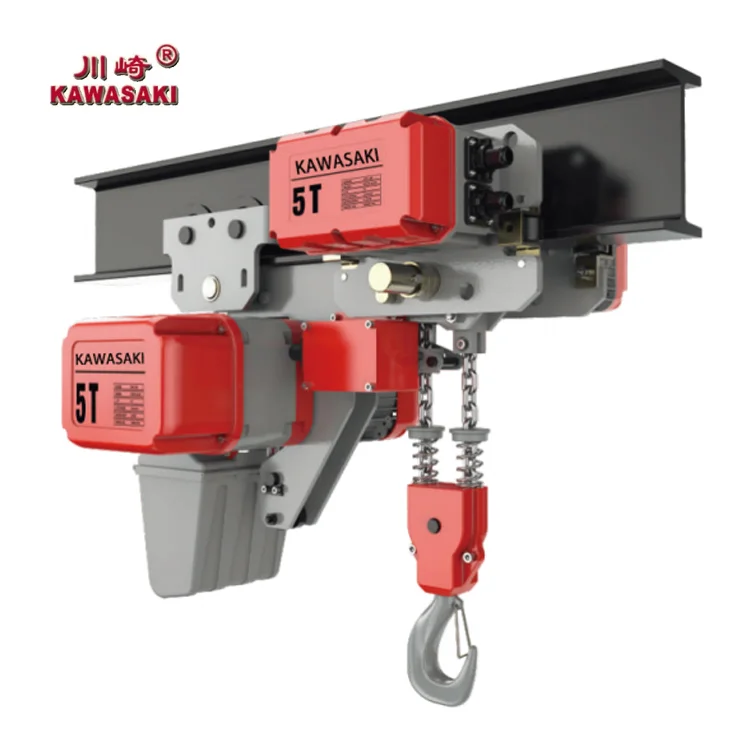
In the world of industrial material handling, the arrival of a new electric hoist at your facility is a significant event. Whether you are upgrading a production line, equipping a new warehouse, or expanding a mining operation, this equipment represents a critical investment in your operational efficiency and safety. However, the journey from electric hoist manufacturers to your loading dock is long, involving complex logistics that can sometimes compromise the product’s integrity.
For procurement managers, plant supervisors, and project engineers, the moment a hoist arrives is the last line of defense against accepting a unit that is damaged, incorrect, or potentially unsafe. A thorough receiving inspection is not just a formality; it is a critical risk management procedure. At Hangzhou Apollo Lifting Equipment Co., Ltd. , we believe that a successful partnership extends beyond the sale. It requires transparency and empowering our clients with the knowledge to verify they have received the heavy lifting solutions they specified. This guide serves as a comprehensive checklist for conducting a professional receiving inspection, ensuring your new equipment is ready for safe and reliable service.
Part 1: The Importance of a Methodical Approach
When a shipment arrives, the excitement to get the new electric chain hoist or wire rope hoist into operation can be overwhelming. However, skipping or rushing the receiving inspection can lead to severe consequences:
-
Safety Hazards: Undetected shipping damage can lead to mechanical failure or electrical faults, endangering operators.
-
Operational Downtime: Installing a damaged or incorrect unit leads to immediate stoppages, warranty claims, and costly reordering.
-
Financial Loss: Once you sign the delivery note acknowledging receipt in “good condition,” you may assume liability for damages that were actually caused during transit.
By adopting a systematic inspection protocol, you protect your investment and hold all parties—from the logistics provider to the original hoist manufacturers and suppliers—accountable.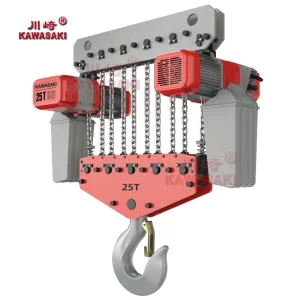
Part 2: Pre-Delivery Preparations
Before the truck even arrives, ensure you are prepared.
-
Review Documentation: Have your purchase order (PO) and the supplier’s packing list ready. Verify that the model numbers, specifications (capacity, lift height, voltage), and quantities match what you ordered.
-
Prepare the Area: Designate a clean, well-lit, and spacious area for the inspection. You will need room to uncrate and possibly perform a test hang.
Part 3: The Comprehensive On-Site Inspection Checklist
Once the package is in your designated area, follow this step-by-step guide.
Phase 1: Visual Inspection of Packaging
-
Exterior Condition: Before signing for the delivery, inspect the outer crate or packaging for signs of impact, crushing, water damage, or punctures. If the damage is severe enough to potentially harm the contents, note it on the delivery receipt and, if possible, photograph it before opening.
-
Open with Care: Remove packaging materials methodically. Retain all manuals, certificates, and parts lists included inside.
Phase 2: Model and Component Verification
-
Match the Nameplate: Locate the hoist’s nameplate. Compare the Model Number, Serial Number, Rated Capacity (SWL), Lifting Speed, Motor Power, and Power Supply (Voltage/Phase/Frequency) against your PO and the test certificate. This is a non-negotiable step. For heavy lifting hoist suppliers like us at Apollo, the nameplate is the product’s identity card.
-
Count Components: Verify that all ordered accessories are present. This might include the control pendant, remote control, chain or rope bag, manual trolley or motorized trolley, and any special lifting attachments.
Phase 3: Detailed Mechanical Inspection
-
The Hoist Mechanism:
-
For an Electric Chain Hoist: Examine the load chain. It should be clean, lightly lubricated from the factory, and free of rust. Ensure the chain is properly seated in the chain guide and sprocket. Check the chain bag for secure attachment.
-
For a Wire Rope Hoist: Inspect the wire rope for any kinks, bird-caging (where the strands separate), corrosion, or broken wires. Ensure it is spooled evenly on the drum.
-
-
The Hook Assembly: Inspect the top hook (for stationary models) and the bottom load hook. The safety latches should operate smoothly and spring back into place. Check the hook throat and saddle for any signs of deformation or cracks.
-
Fasteners and Castings: Scan all visible bolts, nuts, and end caps. Look for any signs that bolts have loosened during transit or that castings (like the gearbox or motor housing) have been struck and cracked.
Phase 4: Functional Test (Suspended)
Note: This test requires the hoist to be correctly and securely suspended from a beam or support structure with adequate capacity.
-
Electrical Connection: Connect the hoist to the correct power source, ensuring the main disconnect switch is readily accessible. Use a phase meter to check for correct phase sequence on three-phase units to prevent the motor from running in reverse.

-
Control Function Check:
-
Press the “Up” and “Down” buttons. The motions should be smooth and correspond correctly to the button labels.
-
Test the “Emergency Stop” button to ensure it cuts all power.
-
-
Limit Switches:
-
Upper Limit: Slowly raise the empty hook until it activates the upper limit switch. The hoist should stop automatically. Never rely solely on the limit switch as a routine stop; it is a safety backup.
-
Lower Limit: If applicable, lower the hook to its lowest point to test the lower limit function.
-
-
Brake Test:
-
Lift a test load slightly off the ground (ideally 100-110% of the rated capacity, but at least a significant load). Hold it in position. The brake should hold the load without any drifting.
-
Lower the load a short distance and stop abruptly. The brake should engage instantly and smoothly without a severe jolt.
-

Phase 5: Noise and Vibration Assessment
During the functional test, listen carefully.
-
Normal Operation: You should hear the smooth hum of the motor and the gentle meshing of gears. A leading crane hoist manufacturer designs for quiet operation.
-
Abnormal Sounds: Grinding, screeching, clicking, or irregular knocking sounds indicate potential problems like gear damage, bearing failure, or foreign objects in the mechanism. Note any such sounds immediately.
Part 4: Best Practices and Handling Non-Conformance
Your inspection is complete. Now, what do you do with the findings?
-
Best Practice: Document Everything. Take timestamped photos and videos throughout the process. This creates an indisputable record for any claims. Fill out an internal receiving report that logs all your checks.
-
If the Product is Correct and Damage-Free: Sign the delivery note, store the equipment properly, and proceed with installation by qualified personnel.
-
If There is a Problem (Damage or Incorrect Item):
-
Note it on the Delivery Receipt: Immediately write “Subject to inspection” or detail the visible damage on the carrier’s delivery receipt before signing.
-
Contact the Supplier Immediately: Notify your contact at the supplying company right away. Reputable hoist suppliers, like Hangzhou Apollo Lifting Equipment Co., Ltd., have clear procedures for handling transit damage or shipping errors. Provide them with your documentation and photos.
-
Do Not Attempt Repair: Do not try to fix damage yourself, as this will void the warranty.
-
Part 5: Future Trends in Hoist Delivery and Verification
The industry is moving towards greater transparency and digitalization. In the future, receiving inspections may be streamlined by:
-
Digital Twins: Manufacturers may provide a digital model of your specific hoist that you can scan upon arrival to verify every component.
-
IoT-Enabled Shipping: Smart sensors on crates could monitor impact, tilt, and humidity during transit, providing a “black box” data log upon delivery.
-
Augmented Reality (AR) Guides: AR apps could guide inspectors through the verification process, overlaying checklists and part numbers onto the physical equipment via a tablet or phone camera.
Conclusion: A Partnership in Quality and Safety
At Hangzhou Apollo Lifting Equipment Co., Ltd. , we view the delivery of your electric hoist not as the end of a transaction, but as the beginning of a partnership. Our commitment to heavy lifting solutions is underpinned by rigorous quality control at our facilities, ensuring that when our products leave the factory, they meet the highest standards. However, we also recognize the challenges of global logistics.
By empowering our clients with this receiving inspection guide, we aim to close the loop on quality assurance. Whether you require a robust electric chain hoist for a machine shop, a specialized wire rope hoist for demanding applications like mining operations, or a complete overhead crane manufacturers’ solution, a meticulous receiving inspection ensures that your investment arrives ready to perform safely and efficiently from day one.
Partner with Hangzhou Apollo Lifting Equipment Co., Ltd. , where we don’t just supply equipment—we deliver confidence, quality, and expertise directly to your door.