
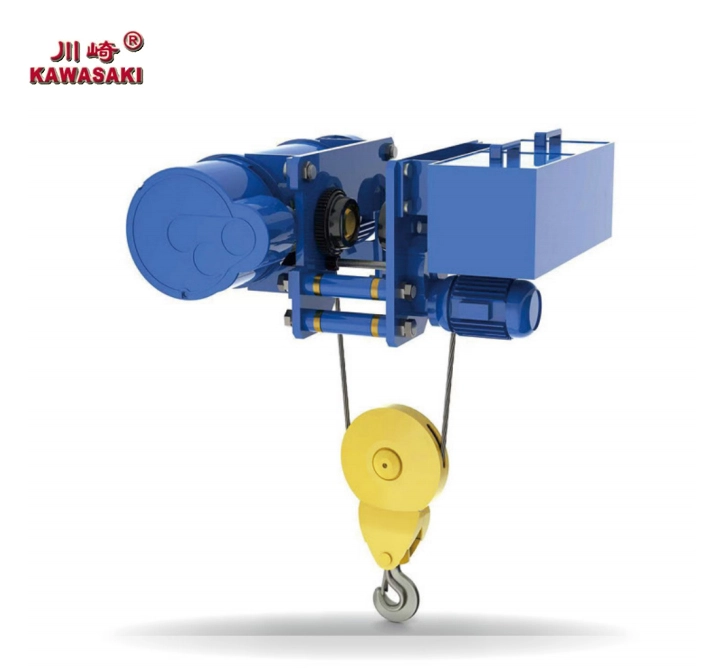
In the world of industrial lifting, reliability is non-negotiable. For plant managers and maintenance teams, an unexpected hoist failure can mean costly downtime and safety risks. However, long before a critical failure occurs, your equipment often sends out warnings. One of the most immediate and informative diagnostic tools available is simply your sense of hearing.
At Hangzhou Apollo Lifting Equipment Co., Ltd. , we have spent decades engineering and manufacturing hoisting solutions for global clients. Through our work with countless hoist manufacturers and suppliers, we have learned that the operators and technicians on the front lines are the best first line of defense against equipment failure. This guide provides a technical breakdown of how to interpret common acoustic signals from your equipment, helping you identify issues before they escalate.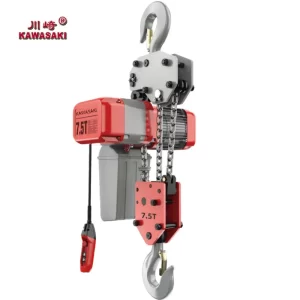
The Symphony of a Healthy Hoist
Before identifying trouble, one must understand what “normal” sounds like. A well-maintained electric hoist, whether from top hoist manufacturers or a standard industrial model, operates with a consistent, smooth hum from the motor and a rhythmic, quiet meshing of gears from the gearbox. Any deviation from this baseline—be it a new rattle, a grinding noise, or a high-pitched squeal—indicates a change in mechanical condition.
1. Motor Noises: Electrical vs. Mechanical Issues
The motor is the heart of the hoist. As leading electric hoist manufacturers, we design motors to withstand rigorous use, but they are susceptible to wear.
-
A Loud, Steady “Hum” with No Movement: If you hear the motor humming but the hook isn’t moving, this is a classic sign of a power supply issue, often referred to as “single-phasing” in three-phase systems. It can also indicate a seized brake or a failed capacitor in single-phase motors.
-
Intermittent “Buzzing” or “Chattering”: This often points to a faulty contactor in the control panel. The magnetic coil may be weak, or the contacts may be pitted or dirty, causing them to vibrate rather than hold firmly.

-
High-Pitched “Squealing” or “Screeching”: This usually indicates bearing failure. Bearings support the rotor, and when they lose lubrication or begin to fail, the friction generates a distinct, high-frequency noise. If ignored, this can lead to the rotor striking the stator, a catastrophic failure known as “motor sweep.”
2. Gearbox and Transmission Noises
The gearbox reduces the high motor speed to a controlled lifting speed. It is a common source of diagnostic sounds.
-
Rhythmic “Knocking” or “Clunking”: This is a serious red flag. It typically indicates a damaged gear tooth or a keyway that has sheared off. As the damaged tooth makes contact, it creates a repetitive impact. Heavy lifting hoist suppliers recommend immediate inspection, as this can lead to a complete loss of load holding capability.
-
Continuous “Grinding” or “Rumbling”: This often points to inadequate lubrication or contamination of the gear oil with debris. Over time, gears wear down, and the increasing backlash (clearance between gears) can amplify this noise.
-
Whining at High Speed: While some gear whine is normal, an excessively loud whine, especially in electric chain hoists, can indicate misaligned gears or excessive load on the system.
3. Wire Rope and Drum Anomalies
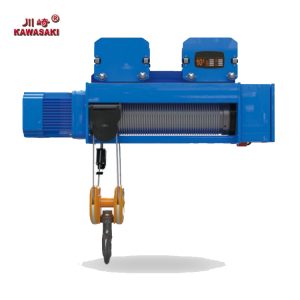
For wire rope hoist suppliers, the condition of the rope and drum is critical for safety. The sounds here are distinct.
-
Intermittent “Squeaking” or “Creaking”: This is often caused by the wire rope rubbing against the drum flanges or the guide roller. It can signal that the rope is not spooling correctly, a condition known as “fleet angle” issues. It can also mean the rope is dry and requires lubrication.
-
Loud “Snapping” or “Popping”: This is one of the most alarming sounds. It can occur when a wire rope strand breaks and snaps back against the drum or the hoist housing. If you hear this, the rope must be replaced immediately.
4. The Hoist Mechanism and Chain Drive
In chain hoist manufacturers’ designs, the lift chain interacts with the sprocket, creating specific acoustic signatures.
-
Rattling or Jerky Movement: If the electric chain hoist sounds like it is shaking or rattling during operation, the chain is likely not seated properly in the sprocket pockets. This could be due to a worn chain, a worn sprocket, or a “twisted” chain that has become kinked.
-
Scraping Noise: This usually means the chain is rubbing against the chain guide or the hoist housing. It can be caused by misalignment of the hoist or a deformed chain link.
A Practical Guide to Troubleshooting
When an abnormal noise presents itself, follow this systematic approach:
-
Isolate and Identify: Determine if the noise is coming from the motor, gearbox, drum, or chain mechanism.
-
Check the Obvious: Inspect lubrication levels. Many “grinding” noises are simply a cry for grease.
-
Observe Load Behavior: Does the noise happen under load, no load, or both? Brake issues are often most audible when stopping a load.
-
Consult the Experts: If the noise persists, consult the maintenance manual or contact the manufacturer. As one of the premier crane hoist manufacturers, Hangzhou Apollo provides detailed technical support to help clients worldwide.
The Future is Quiet: Smart Monitoring
The industry is moving towards predictive maintenance. Modern heavy lifting solutions are increasingly integrated with IoT sensors that monitor vibration and acoustic signatures in real-time. These systems can alert operators to bearing wear or gear degradation weeks before a human ear could detect it, moving from reactive repairs to truly proactive maintenance.
Conclusion
For operators of warehouse overhead crane systems and industrial hoists, the sound of your machinery is a direct line of communication. By learning to interpret these signals, you not only extend the life of your equipment but also safeguard your workforce.
At Hangzhou Apollo Lifting Equipment Co., Ltd. , we don’t just manufacture equipment; we engineer reliability. Our extensive range, from industrial lifting clamps to complex overhead crane manufacturers’ systems, is built with precision and backed by a commitment to global service. Whether you are sourcing electric winch suppliers for a mining operation or seeking material lift manufacturers for a new warehouse, choosing a partner who understands the mechanics—and the acoustics—of lifting is your guarantee of safety and performance.