
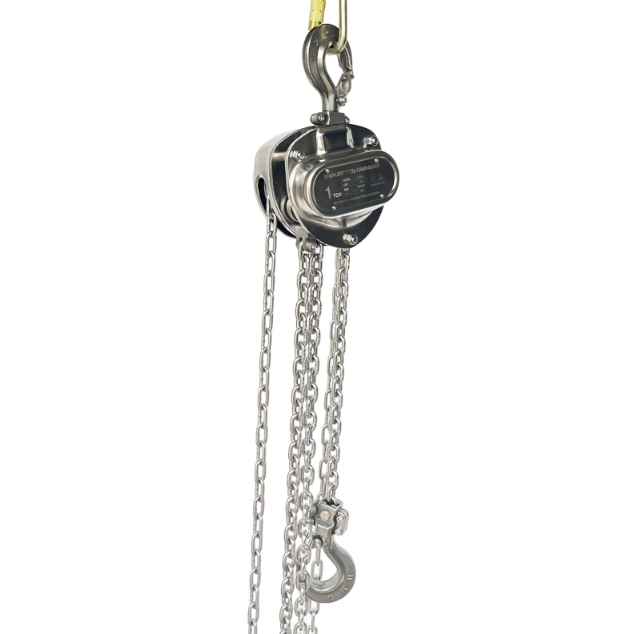
Picking between a hand-operated chain hoist and an electrically powered hoist comes up often in handling materials, repair shops, storage buildings, and factory settings. Both types see heavy use, but they tackle quite distinct challenges. Getting a grasp on their functions, the spots where they shine, and the areas where they lag helps steer clear of picking the wrong gear and throwing money away.
Apollo Hoist, as a steady provider of KAWASAKI lifting tools, supplies both hand and electric options, which include models built to handle tough surroundings. By looking at actual product cases, the gaps between chain hoist and motor operation stand out more plainly and prove simpler to put into practice on job sites.
What Is the Core Difference Between Manual Chain Hoists and Motor-Driven Hoists?
Prior to weighing the upsides and downsides, it pays to examine the main working principles of these two hoist varieties. The gap goes beyond just the energy source, and it touches on how tasks actually unfold in the field.
Power Source and Operation Method
A hand-operated chain hoist depends fully on human effort. The user tugs the hand chain, and that action turns the inner gears to raise or drop the weight. Such a basic setup renders items like the KAWASAKI Manual Hoist Chain Hoist VN 1T dependable and straightforward to manage, even in cramped spots.
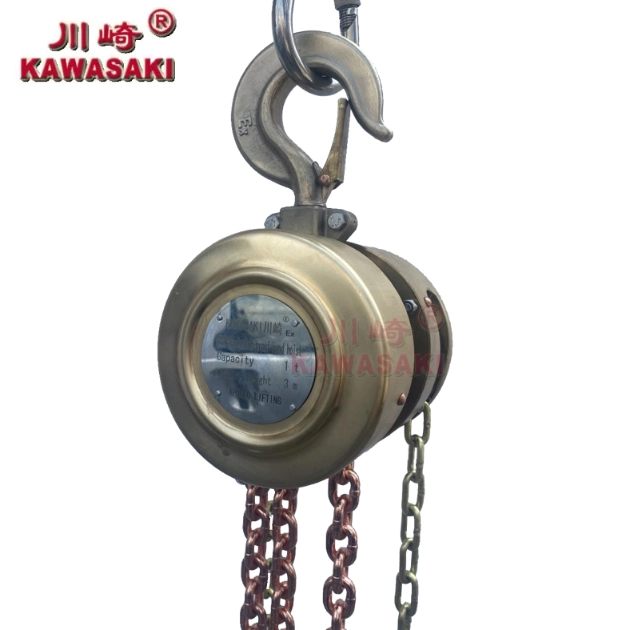
On the other hand, an electrically powered hoist employs an electric motor to raise the weight at a constant pace. The KAWASAKI Explosion-Proof Hoist HBSQ 1T serves as a standard case, drawing on electric energy along with integrated safety features. Users manage it via hanging controls instead of direct tugging. This fundamental split influences all other aspects, from output to protection.
Typical Load Range and Duty Cycle
Hand-operated chain hoists typically handle light to moderate weights, particularly in cases of sporadic raising. A 1-ton hand hoist suits maintenance areas, modest storage spots, or field fix-up work quite well.
Electrically powered hoists get made for tougher cycles. They manage comparable weights, but they do so time and again, for hours on end, without losing steam. In assembly lines or putting-together zones, electric hoists soon turn into the smarter pick. The weight limit by itself fails to reveal the whole picture; the frequency of use counts equally as much.
Common Industrial Application Scenarios
Hand hoists show up frequently in repair shops, stock rooms, and short-term raising arrangements. They also prove handy where power sources prove scarce or shaky.
Electric hoists take the lead in factories, treatment facilities, and shipping hubs. Models resistant to blasts, such as the HBSQ line from KAWASAKI, find broad application in chemical operations, fuel and gas sites, and further risky areas. With this base established, the particular strong points of hand-operated chain hoists come into sharper view.
What Are the Advantages of Using a Manual Chain Hoist?
Hand-operated chain hoists hold their ground for solid causes. Their gains prove down-to-earth, not just in theory, and they appear plainly in routine tasks.
Simple Structure and High Reliability
A hand-operated chain hoist contains only a handful of elements prone to breaking down. It skips the motor, the cables, and the control panel. This straightforward mechanics explains why goods like the KAWASAKI VN 1T earn trust for extended working spans.
After numerous years in service, output remains steady provided that routine oiling and checks occur. In settings with grit, dampness, or shifts in heat, having fewer pieces typically leads to fewer headaches.
Low Initial Cost and Easy Maintenance
Hand hoists run cheaper to buy and to keep up. They demand no electric setup or expert repair folks. For modest outfits or spare raising jobs, this money-saving edge proves tough to overlook.
Upkeep generally calls for eyeing the chains, the hooks, and the stops. Replacement bits stay basic and easy to find, which cuts idle time to a minimum.
Flexibility in Power-Limited Environments
At far-off locations or brief projects, energy access does not always hold steady. A hand-operated chain hoist functions wherever folks can plant their feet and yank a chain.
This adaptability positions hand hoists as a go-to for on-site fixes, building aid tasks, and urgent raising needs where electric energy falls short of assurance. Yet these pluses carry compromises that surface when raising turns more regular.
What Are the Limitations of Manual Chain Hoists in Daily Operations?
As job demands grow, the bounds of hand operation come into plain sight. These stem not from poor building, but from the plain outcomes of effort-driven raising.
Lower Lifting Speed and Efficiency
Hand raising moves at a naturally sluggish pace. Every tug shifts the weight just a brief way. For now-and-then use, this works fine. But for ongoing raises, it clogs the flow. In hectic routines, drawn-out raising can hold up processes and cut total yield.
Higher Physical Effort Requirement
Hand hoists lean on user power and staying power. As time passes, weariness turns into a genuine concern, above all with bulkier weights or greater raise heights. Such tiredness raises the chance of slip-ups, which can touch on protection just as much as results.
Unsuitable for High-Frequency or Heavy-Duty Tasks
Whenever raising occurs nonstop, day in and day out, hand hoists find it hard to match the pace. They lack the build for endless runs or quick-moving spots. This marks the point where electrically powered hoists begin to fit better.
Why Do Motor-Driven Hoists Improve Lifting Efficiency?
Electric hoists get constructed for quickness, steadiness, and drawn-out shifts. Their strong suits emerge most in organized factory setups.
Faster and More Consistent Lifting Speed
Electrically powered hoists raise at a firm, foreseeable rate. This evenness aids exact placement and fluid processes.
The KAWASAKI Explosion-Proof Hoist HBSQ 1T offers even raising output even amid regular runs, which holds key value in assembly lines.
Reduced Operator Fatigue and Labor Cost
Through button-based handling, users steer the weight rather than haul it. This cuts bodily stress and lets a single worker tackle jobs that might otherwise need extra hands. Less tiredness also spells out fewer slip-ups and steadier dealing.
Better Control for Repetitive Operations
Electric hoists fit well for ongoing raise loops. Traits like edge stops and excess weight guards back reliable running across lengthy turns. In spots where timing and evenness count, these traits draw a sharp line. That said, electric hoists also bring fresh factors into play.
What Are the Potential Drawbacks of Motor-Driven Hoists?
Though strong, electrically powered hoists do not always suit every case perfectly.
Higher Purchase and Installation Cost
Electric hoists carry a steeper starting price. Setup might call for wiring jobs, control lines, and safety reviews. For light-use cases, this outlay may lack warrant.
Dependence on Power Supply and Controls
Lacking electric flow, an electric hoist sits idle. Energy outages or wobbly levels can halt tasks flat. This reliance curbs adaptability in certain field or interim runs.
Increased Maintenance and Compliance Requirements
Engines, stops, and handling setups need steady checks. In controlled fields, rule reviews form part of everyday running. This stays handleable, yet it piles on layers versus hand gear.
Which Hoist Type Is Better for Hazardous or Special Environments?
Protection rules shift the picking process. In some surroundings, gear choice leaves no room for choice.
Explosion-Proof Design and Safety Standards
In burnable or gritty zones, regular electric hoists get barred. Blast-resistant types like the KAWASAKI HBSQ 1T aim to block sparks and excess heat. These hoists fulfill tough protection needs and see wide use in chemical and power sectors.
Environmental Resistance and Durability
Blast-resistant hoists often feature enclosed engines, beefed-up shells, and rust-proof coatings. This boosts staying power in rough spots.
Hand hoists manage hard surroundings as well, but they fall short of matching the guard level for powered raise demands.
Compliance With Industry Regulations
Plenty of fields demand approved gear. Picking the fitting hoist aids in dodging check snags and work halts. Apollo delivers KAWASAKI items that meet global rules, aiding more secure job rollout. Opting for the correct type goes beyond gear alone, and it ties into provider strength too.
How Can Apollo Help Choose the Right Hoist Solution?
Gear picking works best when item variety pairs with aid services.
Broad Product Range for Different Use Cases
Apollo supplies both hand and electric KAWASAKI hoists, spanning small hand chain units to blast-proof electric ones. This lets purchasers pick tools rooted in true job conditions, not guesses.
OEM and Customization Capability
Varied fields call for varied setups. Apollo backs tailoring choices like power levels, chain quality, finish work, and packing, which smooths fitting project needs.
Quality Control and After-Sales Support
Every hoist passes firm testing ahead of shipping. Apollo further offers replacement parts aid and tech advice, which aids in trimming idle spells post-setup. Through the proper mix of item pick and service, raising tasks grow more dependable and simpler to oversee.
FAQ
Q1: Is a manual chain hoist safer than an electric hoist?
A: Both stay safe under right use. Hand hoists bank on user handling, whereas electric ones draw on inbuilt guard systems. Protection rests on sound picking and upkeep.
Q2: When should an explosion-proof electric hoist be used?
A: Blast-proof hoists prove needed in zones with burnable gas, grit, or chemicals. The KAWASAKI HBSQ series gets built for such setups.
Q3: Can a small workshop use both manual and electric hoists?
A: Yes. Numerous repair shops employ hand hoists for sporadic jobs and electric ones for steady or weightier raises. Blending both boosts adaptability and money handling.