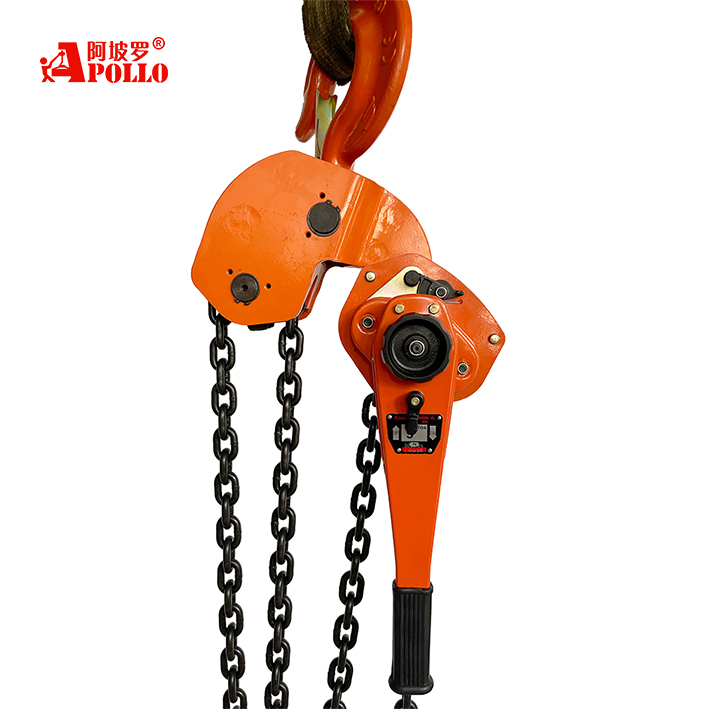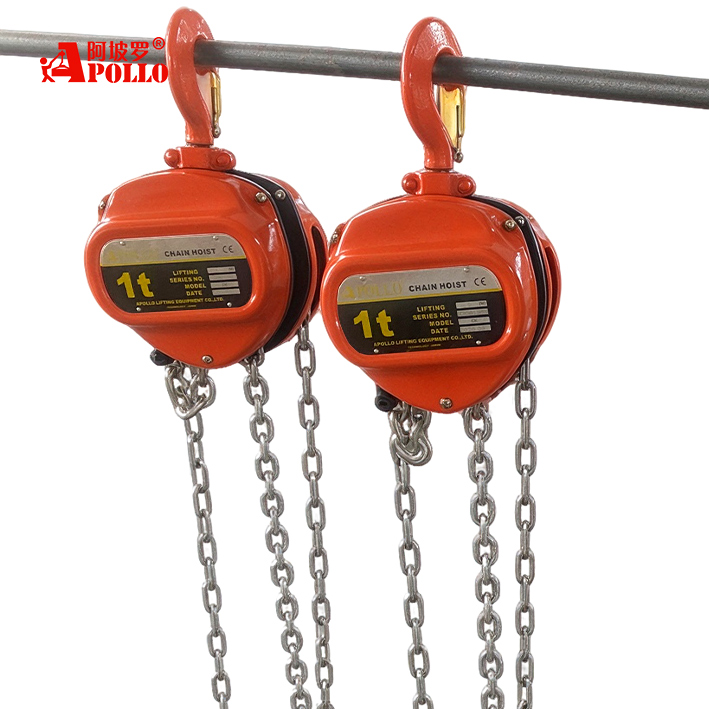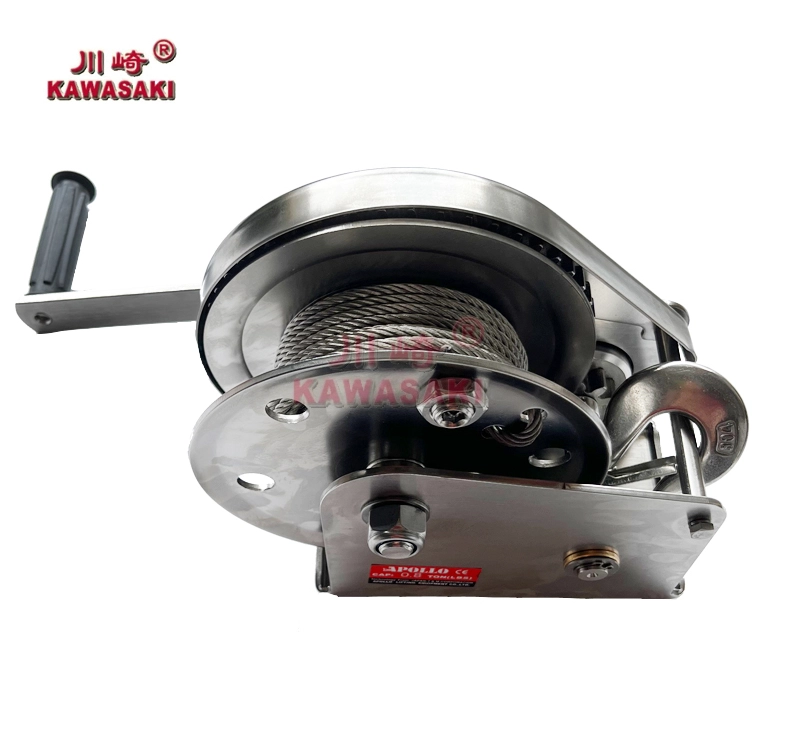
Hand winches continue to serve as one of the most useful pulling and lifting devices in areas like construction sites, workshops, farming, boat work, and service upkeep. Although basic in build, they provide strong power through manual effort, which works well without any need for electricity, thus proving reliable in cramped spots and far-off places.
That said, their straightforward nature does not eliminate potential dangers. Wrong use, faulty setup, or overlooking weight limits can soon result in mishaps or harm to the gear. This overview covers the way hand winches function, steps for safe handling, and how Apollo’s KAWASAKI hand winch options meet everyday lifting demands.
What Are The Key Features Of A Hand Winch?
Prior to covering use and protection measures, it pays to know what sets a hand winch apart for dependability. Various builds match specific jobs, and grasping the fundamentals avoids poor choices from the outset.
Core Components And Mechanisms
Fundamentally, a hand winch acts as a mechanical drawing setup centered on gears, a spool, and a stopping device. As the crank turns, the gear series boosts effort, enabling substantial weights to shift with consistent guidance.
The KAWASAKI hand winches from Apollo feature enclosed gear housings that shield inside elements from dirt, soil, and particles. This holds particular value on open-air locations, fields, and factory grounds where filth occurs often. A sturdy pawl mechanism secures the weight in position after the turn halts, thus avoiding any reverse movement.
Across various types, the framework might appear basic, yet minor build decisions—such as gear dimensions, spool breadth, and pawl form—create notable impacts in routine tasks.
Load Capacity And Performance Attributes
The weight limit goes beyond a mere figure on the label. It determines the secure performance of a winch across extended periods. Going beyond the limit might not trigger instant breakdown, but it cuts down operational duration rapidly.
Apollo’s KAWASAKI HAND WINCH GPW stands crafted for tougher drawing and raising duties. Its bigger pawl spool permits greater wire rope storage, rendering it fitting for extended pulls, deep shafts, or prolonged side shifts.
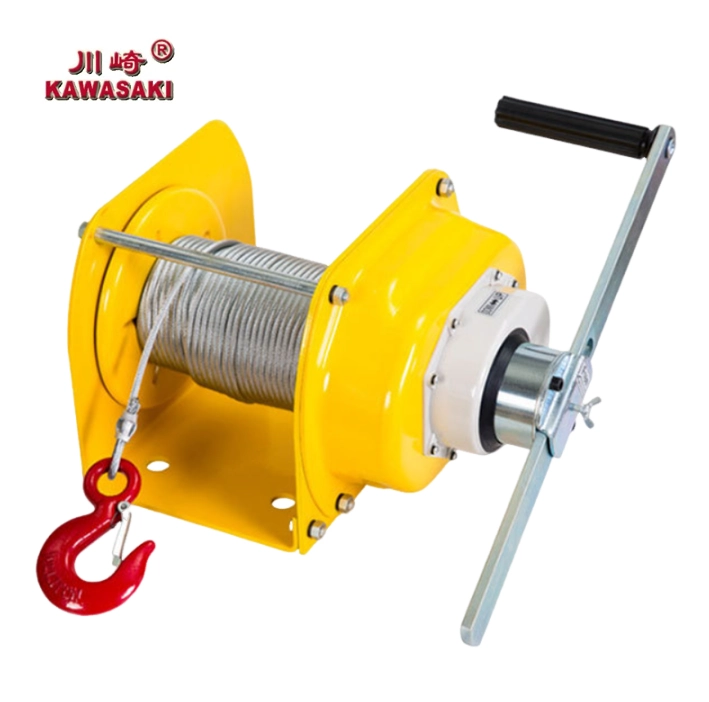
Conversely, the KAWASAKI HAND WINCH JC-E emphasizes small-scale power. It suits narrower setups where room remains scarce, yet reliable direction stays essential.
Safety Features In Modern Winches
Protection integrates directly into the framework, rather than tacking it on afterward. Current hand winches depend on firm stopping setups, strengthened latches, and non-slide cranks to lower hazards while in action.
KAWASAKI winches employ eco-conscious stopping substances that function effectively amid damp or tough surroundings. The updated pawl boosts securing firmness, particularly during halts in the midst of a draw. Additionally, the adaptable crank design lets users pick a suitable angle for work, which cuts tiredness and abrupt power drops.
How Do You Operate A Hand Winch Safely?
A top-notch winch can turn hazardous if handled wrongly. Correct procedure begins well before touching the crank.
Step-By-Step Operating Procedure
Begin by ensuring the winch attaches securely to a sturdy foundation. Fasteners need even tightening, and the base surface ought to bear the planned weight.
Then, guide the wire rope or band smoothly onto the spool. Bunched or irregular coiling leads to strain bursts that harm both the rope and the gears. After securing the weight, exert power gradually. Sudden yanks on the crank or abrupt shifts in path strain the stopping setup excessively.
In the course of raising or drawing, a regular pace counts more than haste. Hand winches aim for direction rather than rapid shifts.
Pre-Use Inspection Checklist
A brief review prior to every task averts many incidents. Verify the wire rope shows no frayed lines, twists, or rust. The latch on the hook must snap shut completely. During a no-load trial turn, tune in for odd gear sounds.
Apollo suggests examining the stopping function visually too. Should the stop fail to grip promptly upon crank halt, refrain from using the winch until repair occurs.
Post-Use Maintenance Routine
Following use, ease off the strain bit by bit and keep the winch in a dry spot if feasible. A touch of oil on visible moving sections aids in prolonging usability, although too much lubricant around the stopping area warrants avoidance.
Consistent care explains why KAWASAKI hand winches hold favor in factory settings. Their enclosed gear housing lessens the need for frequent cleaning and sustains inner components over more time.
Which Apollo Hand Winches Are Best For Your Needs?
Varied tasks call for distinct builds. Apollo provides several KAWASAKI hand winch types to align with weight needs and job environments.
Kawasaki Hand Winch GPW Overview
The KAWASAKI HAND WINCH GPW gets constructed for challenging jobs where draw length and weight steadiness play key roles. Its expansive pawl spool accommodates extra wire rope, thus making it appropriate for deep pit tasks, lengthy side draws, and location arrangements lacking easy repositioning.
The enclosed gear housing guards the stopping device against particles and dampness, whereas the enhanced pawl raises assurance in holding during breaks. Moreover, the flexible crank supports adaptable handling, even within confined or tricky areas.
Kawasaki Hand Winch JC-E Overview
The KAWASAKI HAND WINCH JC-E targets small power and simple fitting. It commonly appears on carts, minor raising structures, basic factory systems, and farm tools.
In spite of its reduced dimensions, the stopping setup stays solid and quick to respond. For users seeking a trustworthy winch absent from cumbersome form, the JC-E delivers a sensible mix of scale and output.
Comparison Of GPW And JC-E Strengths
The GPW aligns better with extended draws and weightier duties, whereas the JC-E matches snugger areas and slighter uses. Both types uphold KAWASAKI’s fundamental quality levels, encompassing enclosed gear housings and firm stopping builds, so picking relies more on the task than on lasting power.
What Safety Risks Are Common With Hand Winches?
Recognizing typical dangers aids in stopping them. The majority of winch incidents stem not from flaws but from incorrect application or inadequate preparation.
Overloading And Load Control Hazards
Surpassing the set limit marks the quickest path to harming a winch. Even minor excesses, if repeated, erode gears and stops over periods. Abrupt weight falls might happen if the stopping framework exceeds its planned bounds.
Direction of the weight also covers correct positioning. Drawing at steep tilts heightens lateral pressure on the spool and attachment fasteners.
Rope Or Cable Handling Risks
Wire rope holds tension energy. A broken line can lash backward with grave impact. Users ought to don gloves at all times, and they should position away from the straight draw path.
Irregular coiling poses yet another concealed threat. It prompts rope levels to dig into one another, resulting in unexpected freeing beneath weight.
Improper Mounting And Securing Issues
A robust winch fixed to a frail base remains hazardous. Attachment fasteners, supports, and fixing spots need ratings above the winch’s own capacity. Short-term fixing lacking suitable strengthening often causes location mishaps.
How Can You Prevent Accidents During Winch Use?
Stopping incidents involves everyday practices, not complex guidelines.
Proper PPE And Worksite Setup
Essential guard gear like gloves, secure footwear, and vision shields lowers harm chances. The task zone should lack onlookers, and alert markers prove helpful in common areas.
Straightforward exchange among users and close staff also averts abrupt shocks amid weight shifts.
Regular Inspection And Maintenance Practices
Planned reviews spot deterioration soon. Apollo backs post-purchase support, replacement piece provision, and handling advice, which simplifies ongoing care for sellers and final users.
Swapping out frayed rope or stopping elements promptly spares far more than addressing halts or harms.
Training And Operator Competency Measures
Basic devices still demand instruction. Users need to grasp weight limits, stopping responses, and crisis halt steps. Brief field sessions on location enhance protection beyond lengthy guides that few review.
Conclusion
Hand winches keep serving as a solid choice for guided raising and drawing in numerous fields. Secure handling relies on knowing the device, honoring weight bounds, and upholding sound routines at locations.
Apollo’s KAWASAKI HAND WINCH GPW and JC-E types embody years of raising device know-how, providing firm stopping, enclosed gear safeguards, and adaptable handling. Selecting the fitting type and applying it right results in safer tasks and extended usability.
For additional tech info and item specs, please contact us.
FAQ
Q1: Can a hand winch be used for vertical lifting?
A: Yes, but only if the winch is rated for lifting and properly mounted. Load capacity and braking reliability must always be respected.
Q2: How often should a hand winch be inspected?
A: A quick check before each use is recommended, with a more detailed inspection scheduled regularly depending on usage frequency.
Q3: What makes KAWASAKI hand winches suitable for harsh environments?
A: Their sealed gearbox design, stable brake system, and durable materials help protect internal parts from dust, moisture, and debris.