Introduction
Today’s warehouses deal with growing demands to speed up tasks, boost safety, and stay adaptable as shipping needs change. Each moment of stoppage can halt whole assembly lines or postpone deliveries. Beam trolleys stand out as key players in warehouse productivity. They form vital parts of overhead lifting setups, helping shift heavy items along beams with ease.
However, older trolley setups often drag on and call for various tools plus fine-tuning. Apollo quick install beam trolleys change that. Built for B2B warehouse settings, these units blend rapid setup, solid power, and strong protection to ease installation. At the same time, they maintain industrial-grade performance.
Overview of Beam Trolleys in Warehouse Operations
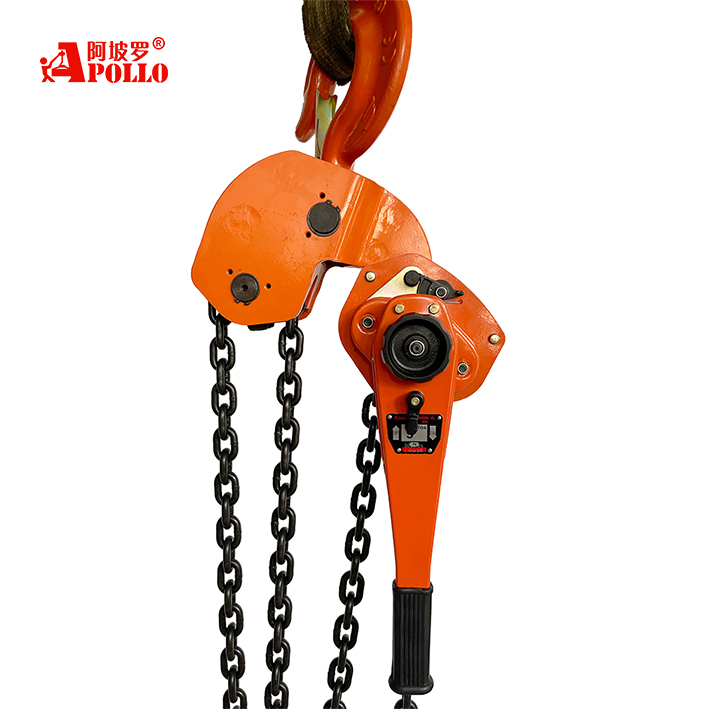
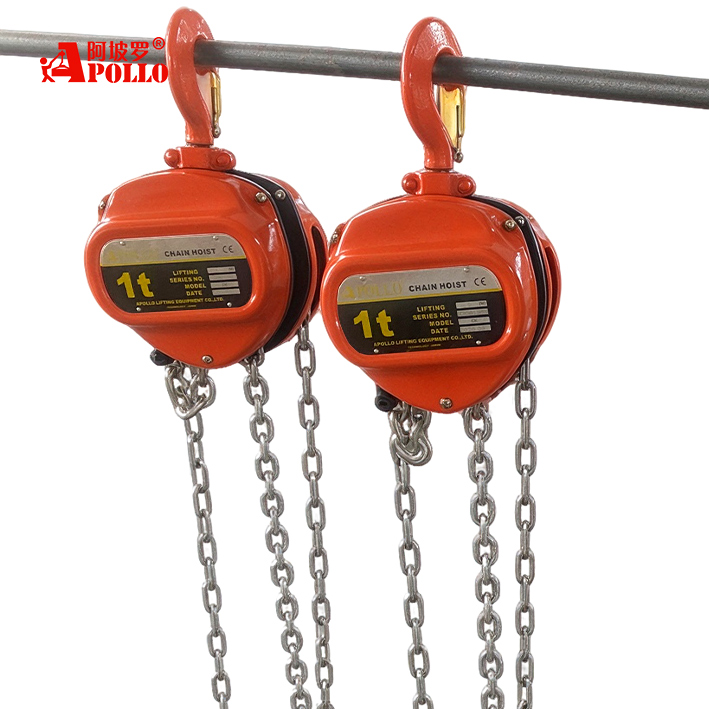
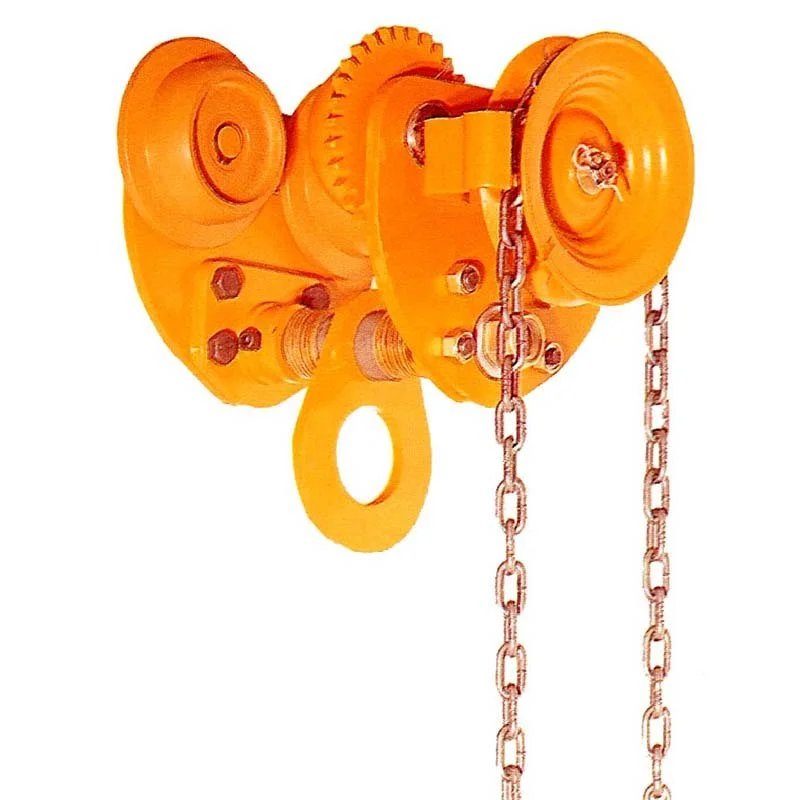
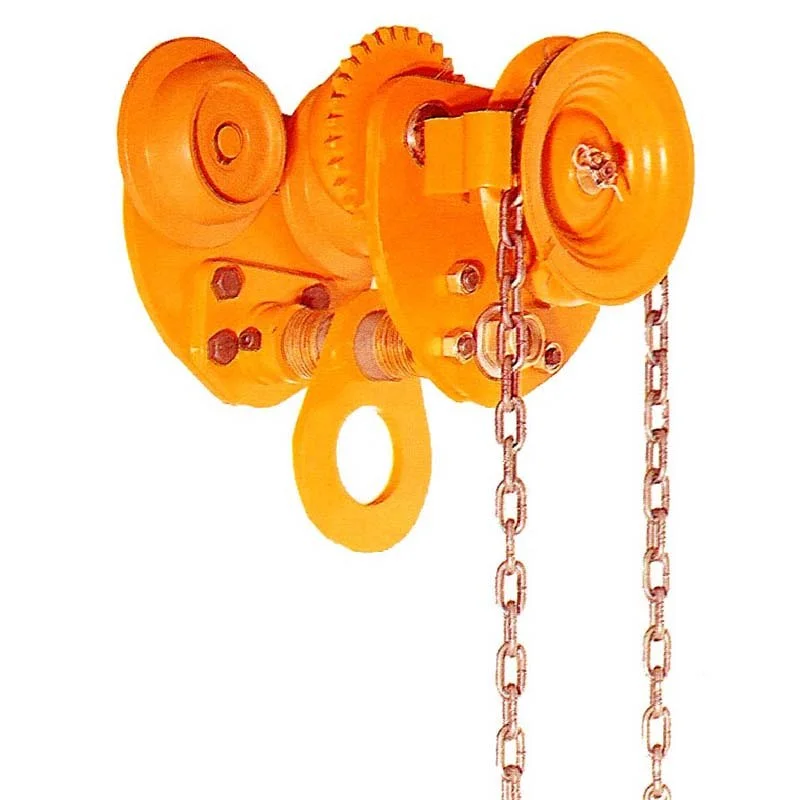
Beam trolleys act as the rolling base for lifting gear. They link right to lever hoists or chain hoists. This setup lets hanging loads travel sideways over an I-beam or H-beam path. In everyday warehouse work, they handle tasks like stacking and unstacking pallets. They also support putting together bulky parts on assembly lines. Plus, they aid repair jobs that need exact hoisting.
That said, old-school mounting methods create real holdups. Bolted trolleys usually require taking apart the whole unit before fitting it onto a beam. Then, workers must line it up carefully when putting it back together. Such steps eat up time and staff effort. As warehouse activities grow bigger, the need for simple, snap-in-place options has surged.
The company behind these products has a solid track record in Taiwan. It brings deep know-how in making and checking the quality of lifting gear. This background shows clearly in Apollo’s push to create easy-mount trolleys. These designs cut setup hassles yet keep up strong build quality.
What Defines a Quick Install Trolley
A quick install beam trolley focuses on one main aim: shorten mounting time. Yet, it holds firm on safety and accuracy. Key traits set it apart. First, it has adjustable width. This fits various beam sizes without added shims or special parts. Second, it uses tool-free or low-tool setups. Workers can lock it in place with hand-turned pins or levers, skipping heavy wrenches. Third, it comes with pre-assembled pieces. These reduce steps when handling it on-site.
Compared to standard bolted trolleys, quick install types slash assembly actions by almost half. This straightforward approach not only quickens the process. It also cuts down on worker mistakes. Such errors can prove costly when fitting many units in a vast warehouse. For instance, in a busy plant, one wrong alignment might delay a full shift.
The build of these trolleys points to a wider move in the field. It favors gear that’s easy for users yet sturdy for nonstop use.
Efficiency Gains in High-Throughput Warehouses
In busy spots where time matters most, quick mounting leads to real savings. A quick install trolley goes up in minutes, not hours. This drops labor expenses by as much as 40%. During growth spurts or shifts for busy seasons, such speed keeps things flowing smooth.
Picture a shipping hub gearing up for holiday rushes. It might need overhead lifts at many short-term spots in just a few days. Apollo adjustable beam trolley installation system makes this doable fast. Operations keep running without big pauses. In the end, this means less lost time and higher output in key stretches. Real-world cases from Taiwanese factories show setups that once took a day now wrap in under two hours.
Safety Advantages of Quick Install Designs
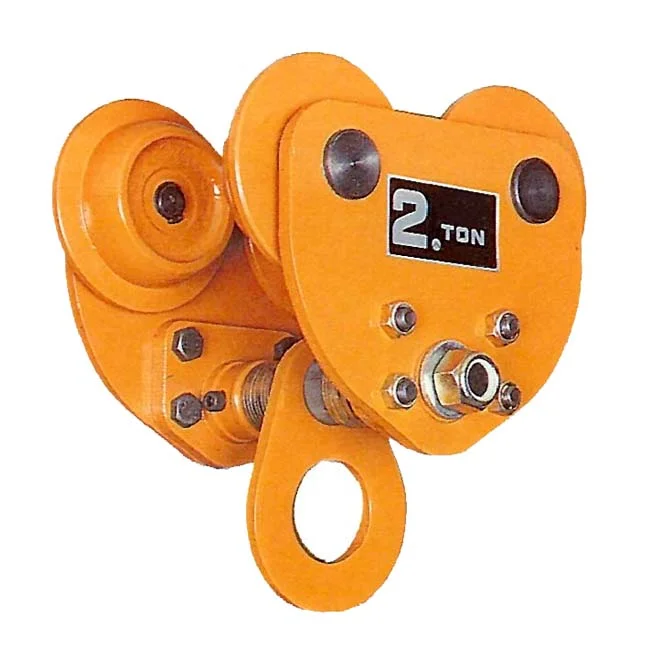
Speed doesn’t mean cutting corners on safety. New quick install styles include tight-locking parts. These stop any chance of the trolley slipping off the beam in use. Anti-drop elements hold it steady, even with off-balance weights.
Less fuss in setup also lowers mistake risks. Such slip-ups often spark accidents in older builds. Meeting safety rules like ISO9001 and CE marks remains vital for pro setups. The company has earned ISO9001 and ISO2000 quality approvals. It also holds European Community CE/GS safety nods. This backing confirms Apollo’s quick install trolleys match worldwide standards for safe load-moving tools.
Proper load distribution remains critical; adjustable side plates help align the trolley precisely with different beam widths to maintain balance under load.
Material and Structural Quality Considerations
The reliability of any warehouse hoist trolley system hinges on its build materials and make. Apollo relies on tough steel frames. These handle steady loads over years of service. Smooth-rolling wheel bearings allow easy gliding, even with big weights. This cuts down on grinding for wheels and beams alike.
Coatings such as powder finish or plating guard against rust. That’s crucial in moist or gritty warehouse spots. Kawasaki brand lifting gear faces tough checks before shipping out. Apollo sticks to the same careful review steps prior to delivery. In practice, this means units that last through thousands of cycles without failing, based on field tests in humid Asian plants.
Flexibility and Adaptability Across Applications
Current warehouses shift often with new product types or storage plans. A versatile trolley setup needs to match that pace. It works with various beam shapes, like I-beam or H-beam. Load limits can adjust as needed. It pairs well with hand chain hoists or powered ones. Plus, it fits shifting setups, such as adjustable shelving lines.
Apollo’s build ideas echo this flexible mindset. It’s much like top brands such as Kawasaki Hoist Systems. Those lines stress swap-in parts across gear—from powered chain hoists to hand lever kinds. This meets varied needs in spots around the world. For example, in auto parts warehouses, these trolleys move between lines without rework.
B2B Procurement Considerations
When picking gear like a warehouse hoist trolley system, buying teams look past just cost. They weigh several points.
| Evaluation Factor | Description |
|---|---|
| Load rating & safety factor | Determines maximum working load with built-in margin |
| Installation time | Impacts labor cost & project schedules |
| Certification & compliance | Must meet ISO/CE standards |
| Total cost of ownership | Includes maintenance & lifespan value |
| Supplier reliability | Ensures timely delivery & technical support |
“KAWASAKI” products stick to goals of top-notch quality, smooth efficiency, fair pricing, great service, and solid follow-up care. Apollo acts as a steady supplier with reliable after-support. This covers spare parts stock and how-to videos when required. Buyers in global trade often note this as a edge in long-term deals.
Common Challenges and How Quick Install Trolleys Address Them
Traditional installations often suffer from misalignment between wheels and beam flanges—a problem that causes uneven wear or jamming during operation. Quick install mechanisms solve this through self-centering adjustments that automatically align during tightening.
Big jobs hit snags when scores of trolleys need placing at once. Pre-built Apollo pieces speed up these stages a lot. Upkeep hassle counts too. Standard bolt links slack off from shakes over time. But clamp-style builds hold firm without constant tweaks.
All in all, clean designs hit head-on the snags that used to drag out growth work or fix rounds. Take a recent factory expansion: teams cut install days from five to two using these.
Future Trends in Warehouse Material Handling
Gazing forward, warehouse tech heads toward easy-swap parts and auto ties. Ready-to-use lifting tools will turn common as firms want change without fixed builds. Lighter but strong metals will swap in for bulkier steel where they fit.
Interest grows in comfort boosts too. These ease hand tasks while keeping workers at ease. Sensors in hoist lines will spot fix needs ahead. As auto features spread, adjustable beam trolley installation kits like Apollo’s will link hand work to half-auto lifts. Industry reports predict a 25% rise in such hybrid setups by 2026.
Conclusion
Quick installation capability is no longer just a convenience—it’s becoming central to how warehouses maintain agility under pressure. High-quality quick install trolleys enhance both safety and productivity while minimizing downtime during reconfiguration or expansion phases. By focusing on robust materials, user-oriented engineering, and certified manufacturing standards, Apollo delivers equipment aligned with modern B2B expectations for reliability and ease of deployment across diverse industrial settings.
Further inquiries or detailed technical specifications are available through official contact channels for professional procurement support.
FAQs
Q1: What are the key benefits of using a quick install beam trolley in warehouse operations?
A: The chief perks cover quicker setup periods, lower staff costs, little stoppage in plan shifts, and better safety via easier steps. All these prove vital for packed warehouses handling strict timelines.
Q2: How does an adjustable beam trolley improve installation efficiency and flexibility?
A: Adjustable kinds match many beam widths without hardware swaps. This range lets groups shift gear between areas with no extra changes or tools. In real shifts, it saves hours per move.
Q3: What safety features should be considered when selecting a hoist trolley system?
A: Seek anti-drop guards, firm lock pins, right load limits under ISO/CE rules, and fits with approved hoists like powered or hand chain types.
Q4: How can B2B buyers evaluate the quality and durability of a warehouse trolley system?
A: Review build details (such as tough steel), coating info (rust shields), check approvals (ISO9001/CE), and seller history on support steadiness. Long-term tests in tough spots back these checks.
Q5: Are quick install trolleys compatible with both manual and electric hoists?
A: Yes. Apollo quick install trolleys work across hand chain hoists and powered lift units in full warehouse hoist trolley systems.