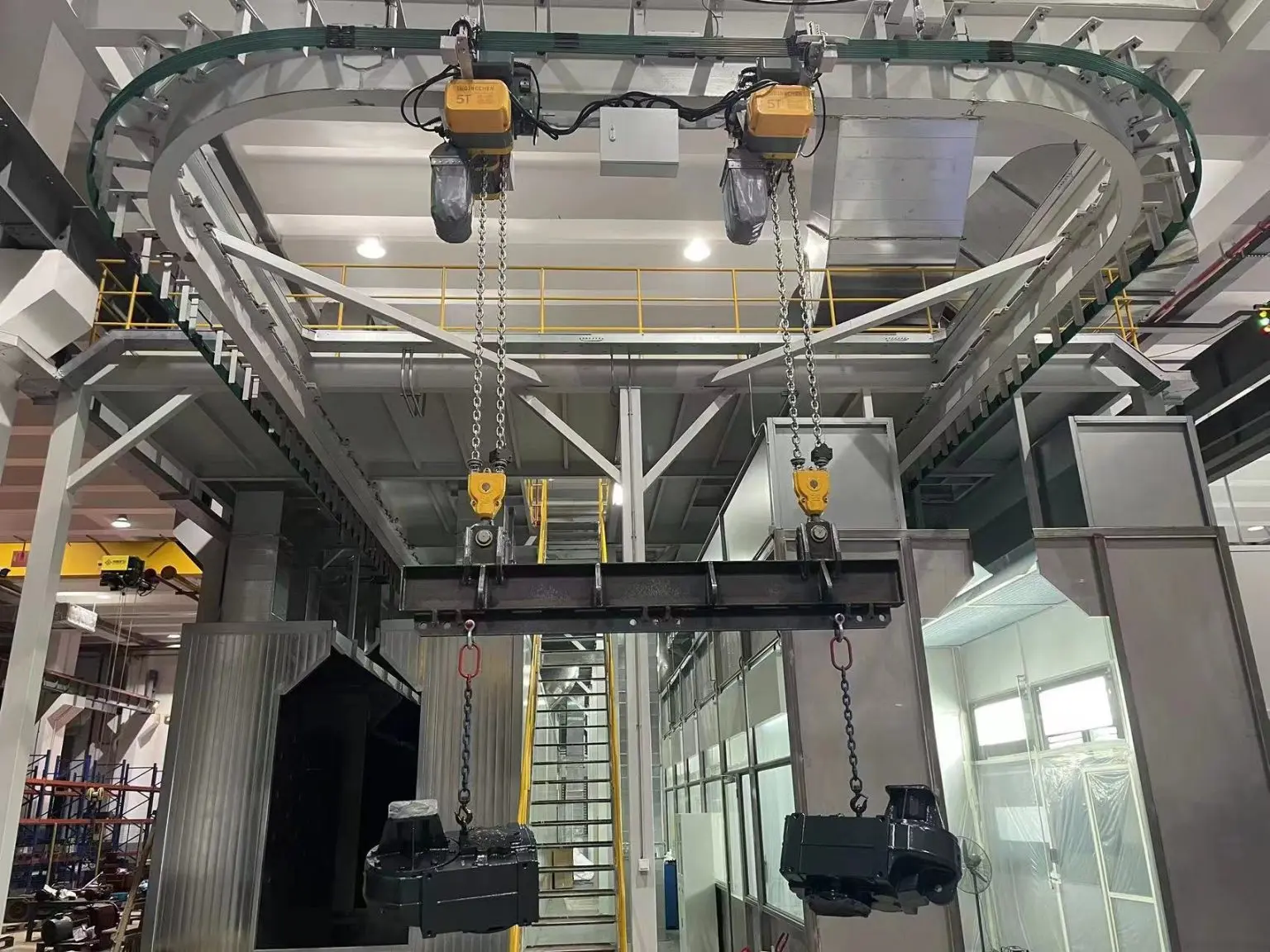
In steel mills and manufacturing workshops, lifting equipment is closely tied to production flow, where downtime quickly turns into real operational cost. Equipment selection is rarely about a single product—it is about matching duty conditions, load behavior, and long-term stability.
Apollo is a China-based industrial lifting equipment manufacturer supplying electric hoist, wire rope hoist, chain hoist, winches, trolleys, lifting clamps, and rigging solutions for global industrial applications. The brand supports OEM and ODM customization for different working environments and procurement needs.
Within this system, the Kawasaki series operates as an extended product line under Apollo, covering chain hoists, wire rope hoists, manual lifting tools, and related material handling equipment. It is positioned to support broader industrial use cases beyond standard configurations, helping buyers source multiple lifting solutions within one coordinated supply structure.
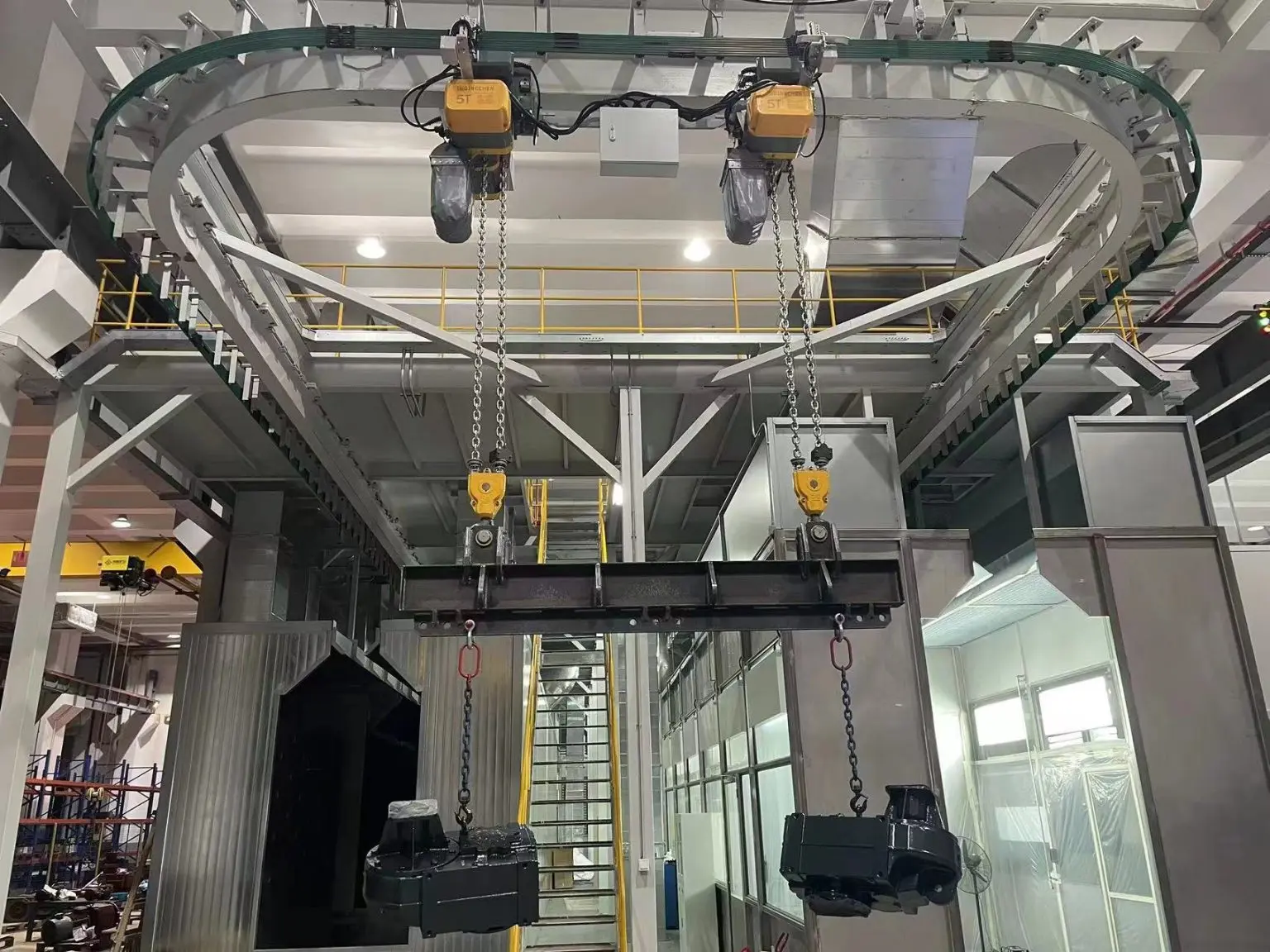
Industrial Lifting Reality in Steel Mills and Workshops
Technical brochures often describe hoists in neat load ratings. Real plants do not operate that way.
In a typical steel mill environment, lifting equipment may face:
- Continuous coil handling in storage yards
- Heat exposure near furnaces and rolling lines
- Fine metallic dust accumulating on motors and brakes
- Long operating shifts, often 16–20 hours per day
- Repeated near-rated-load lifting cycles
A 10-ton hoist in this setting is not “occasional use equipment.” It becomes a routine workhorse.
Wire rope hoists are commonly selected here because load behavior stays more stable under repeated high-duty cycles. Chain hoists still appear in auxiliary zones, but usually not in the core heavy lifting area.
Manufacturing workshops look different, but not easier:
- Frequent repositioning of lifting points
- Mixed light and medium load tasks
- Limited overhead space
- Changing production layouts over time
In such spaces, installation speed and flexibility often matter as much as rated capacity.
Apollo Industrial Hoist Range in Real Applications
Apollo’s lifting equipment is structured around different working intensities rather than a single universal design approach.
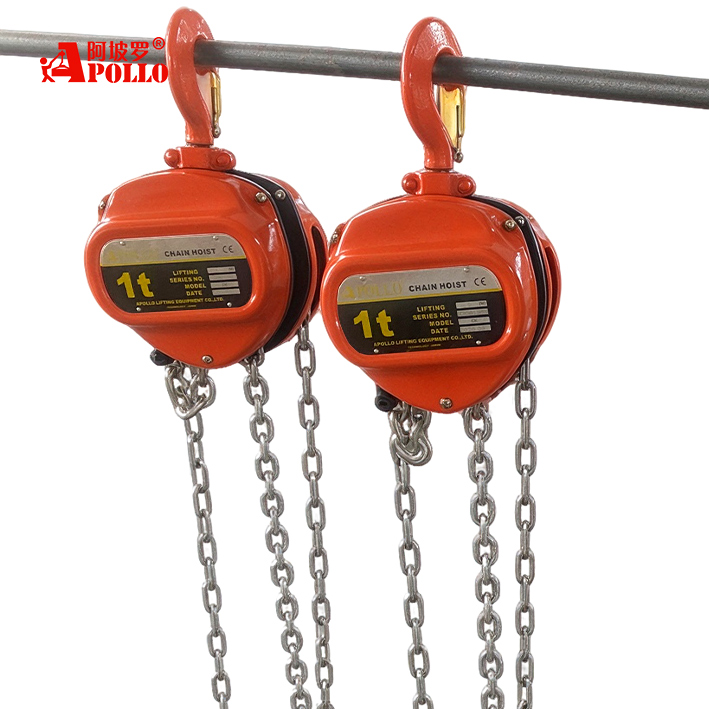
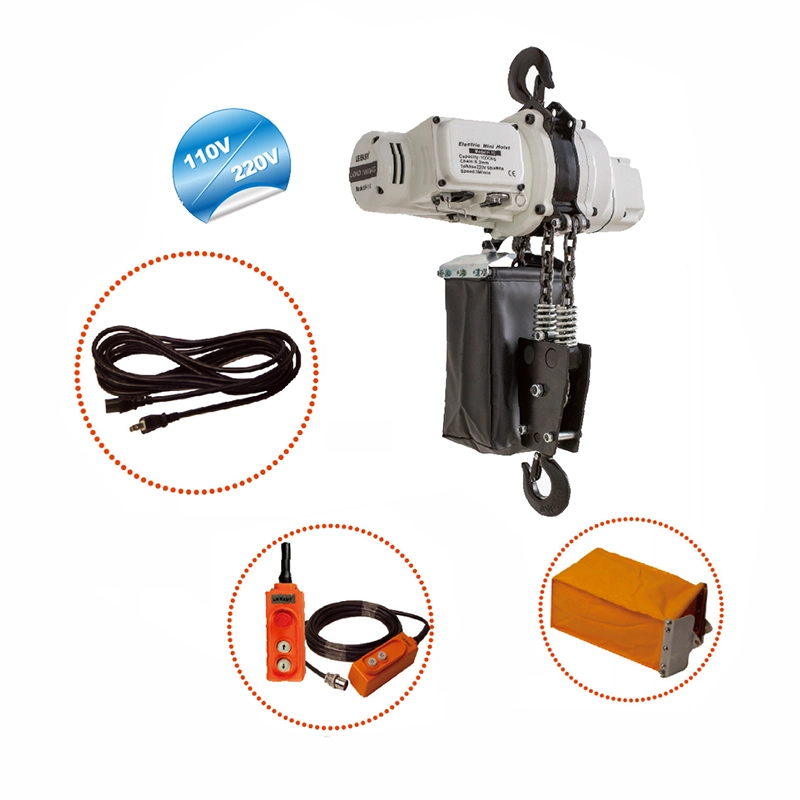
Electric Chain Hoist – Flexible Workshop Tool
Chain hoists are commonly used in:
- Assembly stations
- Maintenance bays
- Light fabrication lines
Typical real-world behavior:
- Short lifting cycles
- Frequent start-stop operation
- Easy relocation along beam systems
In small workshops, it is not unusual to see the same hoist moved between two workstations depending on production demand that week.
Wire Rope Hoist – Core Equipment for Steel Production
Wire rope hoists are generally used where failure is not an option during production flow.
Typical applications include:
- Steel coil transfer (often 5–20 ton working range depending on line design)
- Heavy machinery installation
- Continuous production handling systems
A detail often mentioned by plant engineers is positioning control. In coil yards, operators frequently slow down the final lifting stage—not because the hoist cannot move faster, but because alignment tolerance is tight and mistakes are expensive.
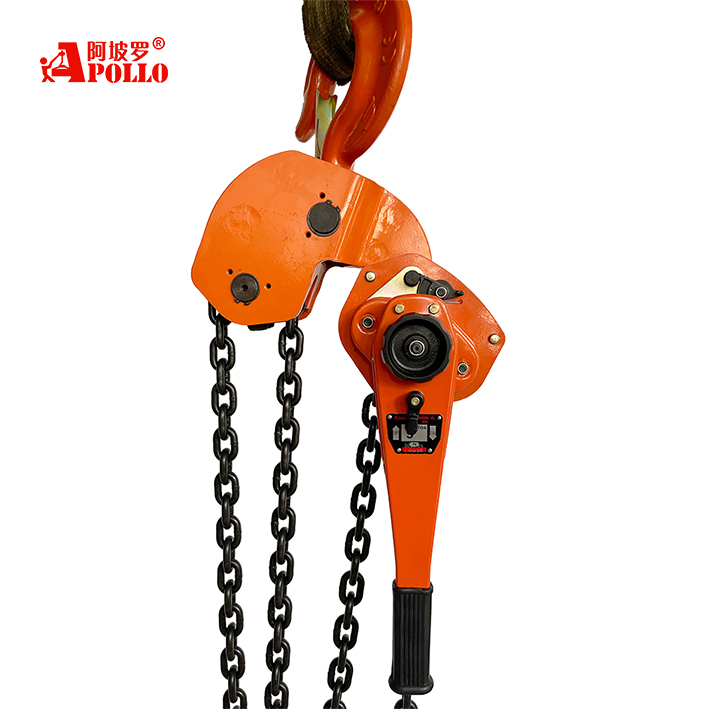
Manual and Lever Hoists – Backup and Maintenance Layer
Even highly automated facilities still keep manual lifting tools.
Common uses include:
- Emergency lifting during downtime
- Maintenance inside confined equipment zones
- Areas without stable power access
They rarely appear in production flow diagrams, but they are always present in maintenance reality.
Kawasaki Series as a Multi-Layer Industrial Supply System
The Kawasaki product line extends Apollo’s ecosystem into a wider industrial tooling structure. It includes chain hoists, wire rope hoists, manual hoists, winches, trolleys, lifting clamps, G80/G100 chains, magnetic lifters, pallet trucks, and rigging accessories.
From a procurement standpoint, this is not just “more products.”
It changes how sourcing is managed:
Instead of:
- One supplier for hoists
- One supplier for rigging
- One supplier for accessories
It becomes:
- One coordinated supply system for multiple lifting layers
In real projects, especially steel plant upgrades, this reduces mismatch risks between components—something that often shows up only during installation, not during quotation.
How Hoist Selection Actually Happens in Industrial Projects
On paper, selection starts with load capacity. In real procurement meetings, it starts with risk.
Load Behavior Is More Important Than Rated Load
Two hoists with the same 10-ton rating can behave very differently depending on:
- Frequency of lifting cycles per hour
- Average load vs peak load difference
- Continuous duty expectations
A steel production line may run near peak load several times per shift, which changes maintenance cycles more than specification sheets suggest.
Speed Is a Safety and Workflow Variable
Lifting speed is not just about productivity.
In real workshop environments, it affects:
- Collision risk in narrow storage zones
- Precision placement of heavy loads
- Operator fatigue during long shifts
This is why dual-speed configurations are commonly preferred in heavy industrial zones. Fast travel is used for movement; slow speed is reserved for final positioning.
3. Environmental Stress Is Often Underestimated
Equipment lifespan is heavily influenced by conditions that do not appear in procurement sheets:
- Heat radiation near steel processing lines
- Metal dust affecting braking systems
- Outdoor humidity in yard operations
- Continuous vibration from nearby machinery
These factors slowly change maintenance intervals, even when load ratings remain unchanged.
Quality Control and Factory-Level Testing Discipline
Apollo production follows structured inspection procedures aligned with export industrial standards such as ISO and CE requirements.
Before shipment, typical testing procedures include:
- Rated load lifting test under controlled conditions
- Brake system response verification under load
- Motor temperature rise checks during continuous operation
- Multi-cycle endurance testing
- Final inspection before packaging and export release
Kawasaki series products follow similar inspection logic, particularly for export orders where batch-to-batch consistency is critical for distributors.
In industrial procurement, this consistency often matters more than peak specification numbers. A hoist that behaves differently across batches creates long-term operational uncertainty.
RFQ Process in Real Industrial Procurement
RFQ in lifting equipment projects is less about price comparison and more about technical alignment.
Most engineering teams prepare the following inputs:
- Load capacity range (minimum and maximum working load)
- Lifting height and working span
- Duty cycle classification (light / medium / heavy duty)
- Power supply specification (voltage and frequency)
- Environmental conditions (heat, dust, indoor/outdoor)
- Project quantity and phased delivery timeline
One practical issue appears often: early-stage RFQs are incomplete. Even a rough sketch of the workshop layout can significantly improve quotation accuracy and reduce engineering clarification cycles.
Conclusion
Industrial lifting systems in steel mills and manufacturing workshops directly affect production stability, safety, and overall workflow efficiency. Selecting the right equipment is not only about load capacity, but also about duty cycle, working environment, and long-term operational reliability.
Apollo, together with its Kawasaki product series, provides a structured industrial lifting portfolio covering electric hoist, wire rope hoist, and chain hoist solutions for different application scenarios. This combined system allows buyers to match heavy-duty production requirements and flexible workshop operations within a single sourcing framework.
For bulk procurement, OEM customization, or project-based installation planning, detailed technical requirements and working conditions are essential for accurate configuration and quotation support. When specifications are clearly defined, moving forward with RFQ submission becomes the practical next step toward a stable and efficient lifting system.
FAQ
Q1: What is the main difference between electric chain hoist and wire rope hoist in industrial use?
A: Chain hoists suit flexible workshop tasks, while wire rope hoists handle heavier continuous steel mill operations.
Q2: How to choose hoist capacity for steel mill applications?
A: Selection depends on maximum load, duty cycle, and frequency of lifting close to rated capacity.
Q3: What working conditions affect hoist lifespan most?
A: Heat, dust, and continuous operation cycles significantly reduce component lifespan over time.
Q4: Can Apollo support OEM customization for industrial projects?
A: Yes, Apollo provides OEM and ODM options including voltage, lifting height, and control system adjustments.
Q5: Why do buyers choose Kawasaki series products?
A: Kawasaki series helps consolidate multiple lifting tools under one supply system for easier procurement management.