Introduction
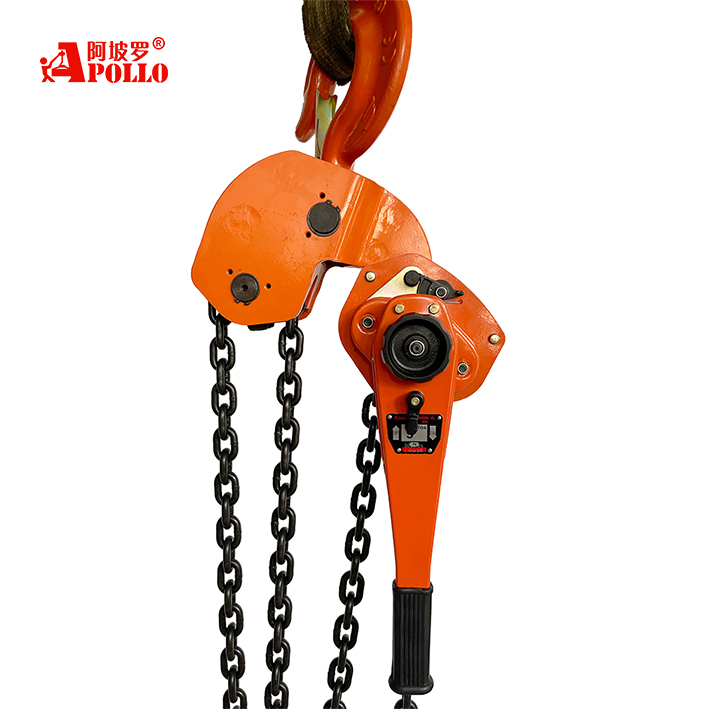
In the current industrial world, sectors like construction, manufacturing, and logistics all seek more dependable lifting gear. The need for lever hoists that manage heavy loads with accuracy and security has risen quickly. These small lifting devices play a vital part in positioning loads, rigging, and upkeep tasks. In those jobs, accuracy and control matter as much as raw strength.
The link between lever hoist material quality and working efficiency is straightforward. Tougher materials lead to bigger load limits, extended working periods, and stronger match with safety rules. Apollo, a professional manufacturer in the B2B lifting equipment market, has built its reputation on consistent material standards and precision manufacturing processes that meet industrial-grade expectations.
Core Materials Used in Lever Hoists
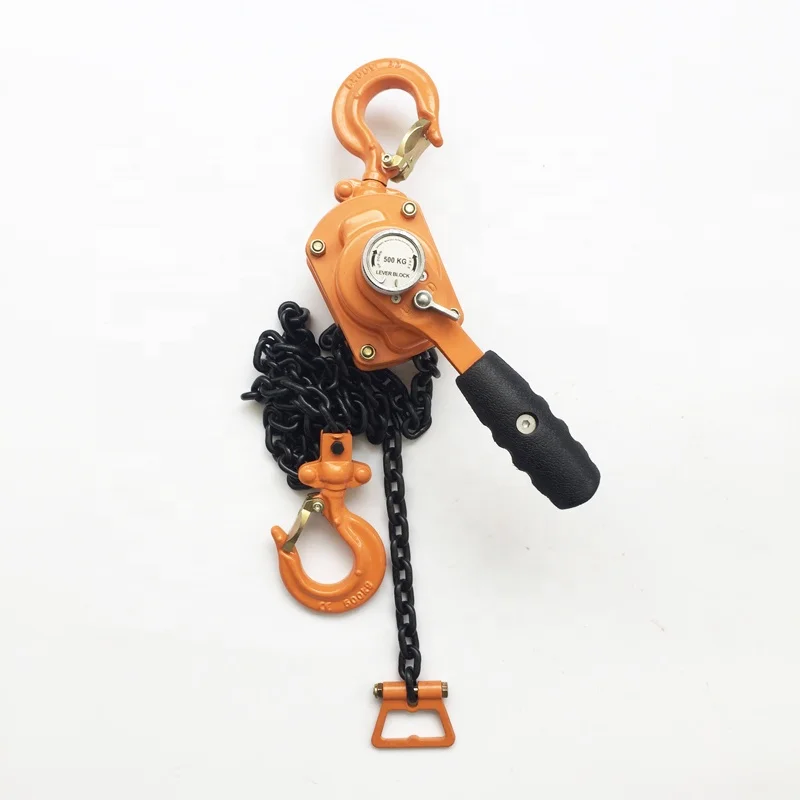
A lever hoist’s output starts with the stuff built into it. Strong alloy steel usually goes into main load-carrying parts. Think hooks, gears, and chains. This stuff gives better pulling power than regular carbon steel.
Heat-treated alloy steel gets careful heat handling. That boosts its toughness and resistance to wear from repeated stress. It’s key for steady or sudden loading. On the other hand, raw carbon steel might bend or split in those same situations.
Surface protection also matters. Galvanization puts a zinc coat on to fight rust. Black oxide offers light protection from corrosion. It keeps a smooth look at the same time. Powder coating brings lasting visual guard against scrapes.
Apollo has passed ISO9001, ISO2000 quality system certification, and obtained European Community CE/GS safety certification. This kind of certification ensures traceability in procurement—buyers can verify that every component meets international standards before deployment.
Impact of Material Quality on Load Capacity and Safety
The makeup of materials sets how much load a lever hoist can lift without risk. Greater pulling strength lets it handle more weight. And it does so without adding too much bulk. For instance, G80 or G100 grade chains appear often in factory lever hoists. They provide high break power and good stretch control.
Resistance to bending stands out in fast or jolt loading. Such events happen a lot in building hoists or dock repair work. Weak metals might crack or stretch too much under pressure. That leads to quick breakdowns. These endanger workers and damage property.
Apollo’s approach emphasizes consistent sourcing from certified suppliers to maintain uniform mechanical properties across production batches. This consistency guarantees predictable heavy duty lever hoist performance even under extreme working conditions.
Durability and Wear Resistance in Continuous Operations
Steady use puts inside parts like gears, pawls, and chain pieces under rubbing wear. The toughness of these items shapes how long they last. A well heat-treated alloy gear fights off dents much better than a cheap option.
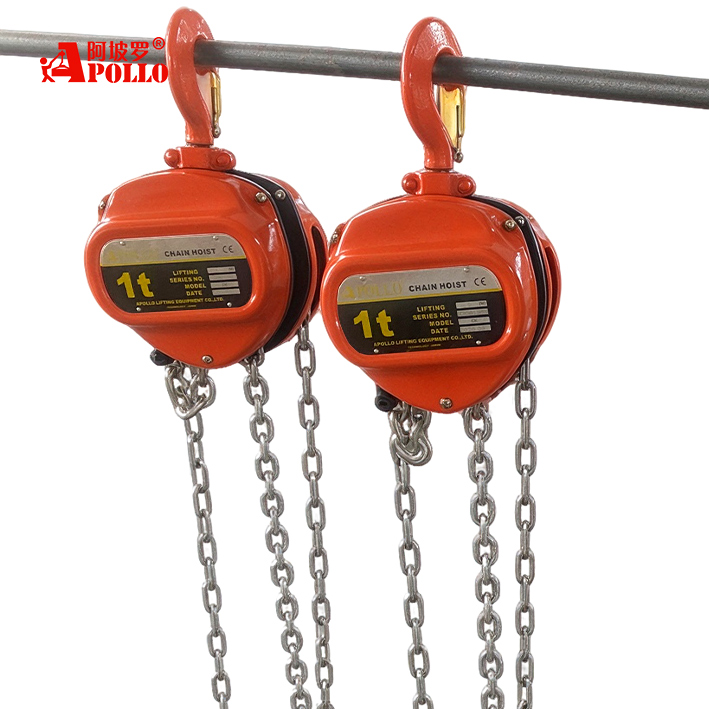
Finishing the surface helps as well. Polished or nickel-plated chains cut down on rubbing between pieces. This lengthens use time. It also lowers the need for oiling.
Corrosion Resistance and Environmental Adaptability
Lever hoists often face outdoor spots or areas with harsh chemicals. Think docks by the sea or plant sites with fumes. Rust here isn’t just a surface issue. It weakens chain bend and brake trust over periods.
Coats against rust, like Dacromet or galvanization, can greatly lengthen work life. They stop rust at tiny split spots. Stainless-steel parts suit seaside jobs best. Salt speeds up rust there.
Precision Engineering and Material Consistency
Even grain setup from right heat work ensures steady physical acts under weight. Uneven metal traits might mess up gear fitting or uneven brake hold. Those problems hit user safety right away.
Keeping limits tight in cutting work assures easy running. It avoids extra rubbing or loose play. Check methods like sound wave scans and group checks make sure each piece hits plan marks before going to customers around the globe.
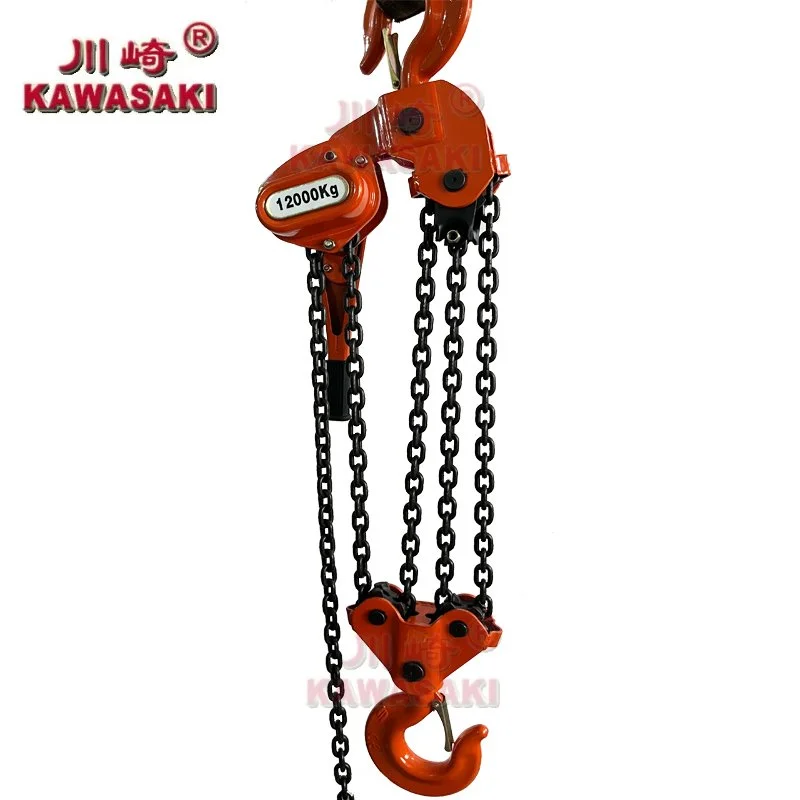
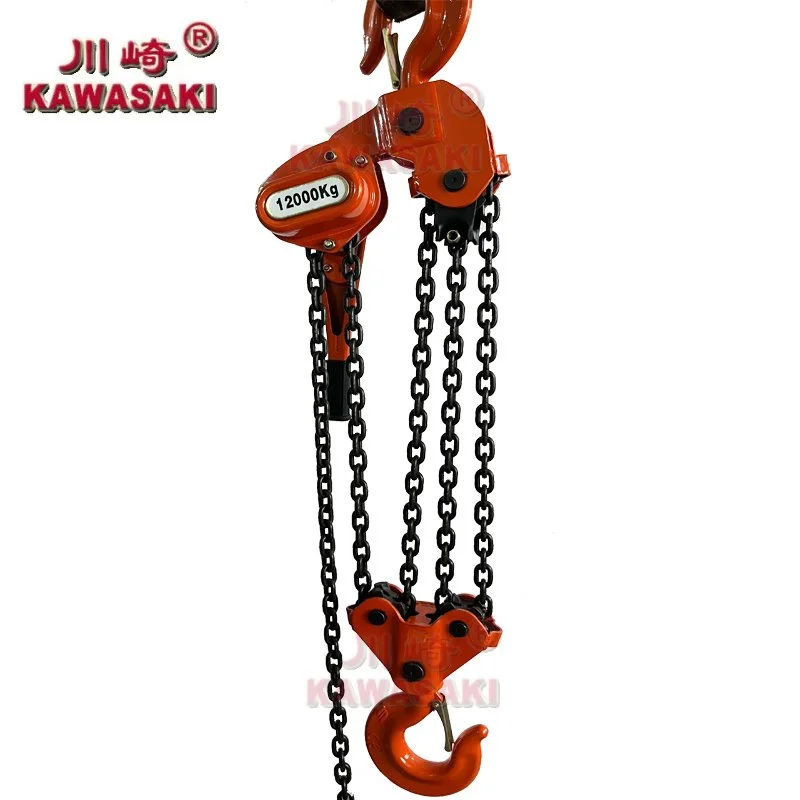
Kawasaki brand lifting machinery must undergo strict testing before leaving the factory. Such rigorous inspection routines reflect Apollo’s dedication to maintaining tight quality control at every stage of production.
B2B Quality Evaluation Criteria for Lever Hoists
When getting lever hoists for factory jobs, buyers should skip just looking at costs. Main check points include:
| Evaluation Factor | Description |
| Material Certifications | ISO9001 / CE / GS confirm compliance with global standards |
| Load Testing Reports | Verifies rated capacity under controlled conditions |
| Chain Grade | G80/G100 indicates tensile strength classification |
| Hook Strength Ratings | Confirms forged hook integrity |
| Supplier Transparency | Documentation on material traceability |
Providers without right papers raise warnings. This holds true especially when no test notes come with deliveries. In B2B buying, aiming at full life costs over starting price stops pricey lost time from early breaks.
Application-Specific Material Considerations
Various fields put special loads on lever hoist stuff:
- Construction & Infrastructure: Need sturdy alloy steel cases that stand up to hits.
- Manufacturing Lines: Like exact-cut gears for steady moves.
- Warehousing & Logistics: Gain from light aluminum frames that ease worker strain. They keep safety edges too.
Fitting material level to job strength aids firms in mixing speed with lasting trust. It’s a core idea in Apollo’s product view.
Future Trends in Lever Hoist Material Technology
Looking forward, better alloys with stronger power per pound should lead the next wave of lever hoists. Mixed stuff joining fiber shells with steel insides might boost handle ease. And it won’t cut load marks.
Rust-proof tiny coats could push upkeep gaps further in rough outside spots. Plus, digital follow tools built into chains may log stress past for ahead upkeep warnings. It’s a rising path in smart factory gear lines.
Green ways will shape coming builds too. Through reuse metals and power-saving making steps. These fit world green aims.
Conclusion
Stuff quality builds the base of every solid lever hoist. It sets safety, lasting power, and output over years of work. Factory buyers putting money in top stuff get lower fix costs and less stoppages in time. Choosing a manufacturer like Apollo means teaming with a group set on planned steadiness. It’s backed by firm test rules like those in world papers such as ISO9001 and CE/GS nods in trusted brand setups.
FAQs
Q1: What material grades are commonly used in industrial lever hoists, and how do they affect performance?
A: Most high-quality models use G80 or G100 grade alloy steel chains known for their high tensile strength and fatigue resistance. These grades directly enhance heavy duty lever hoist performance by supporting greater loads safely over extended use cycles.
Q2: How can B2B buyers verify the material quality of a lever hoist before purchase?
A: Buyers should request ISO9001 or CE certifications along with factory load test reports confirming rated capacities under controlled conditions—these documents validate true lever hoist material quality claims.
Q3: Why is alloy steel preferred over carbon steel in heavy duty lever hoists?
A: Alloy steel offers superior hardness after heat treatment while maintaining ductility under stress; carbon steel tends to deform faster when repeatedly loaded at high tension levels typical of construction applications.
Q4: How does corrosion resistance influence the lifespan of lever hoists in outdoor environments?
A: Rust weakens structural integrity over time; coatings like galvanization or Dacromet prevent oxidation that could otherwise stiffen chain movement or compromise braking mechanisms during long-term field use.
Q5: What certifications or standards indicate reliable material quality in lifting equipment?
A: Reliable manufacturers hold ISO9001 quality management certification along with CE/GS safety marks recognized across Europe—both signify adherence to rigorous testing protocols ensuring consistent product reliability across global markets.