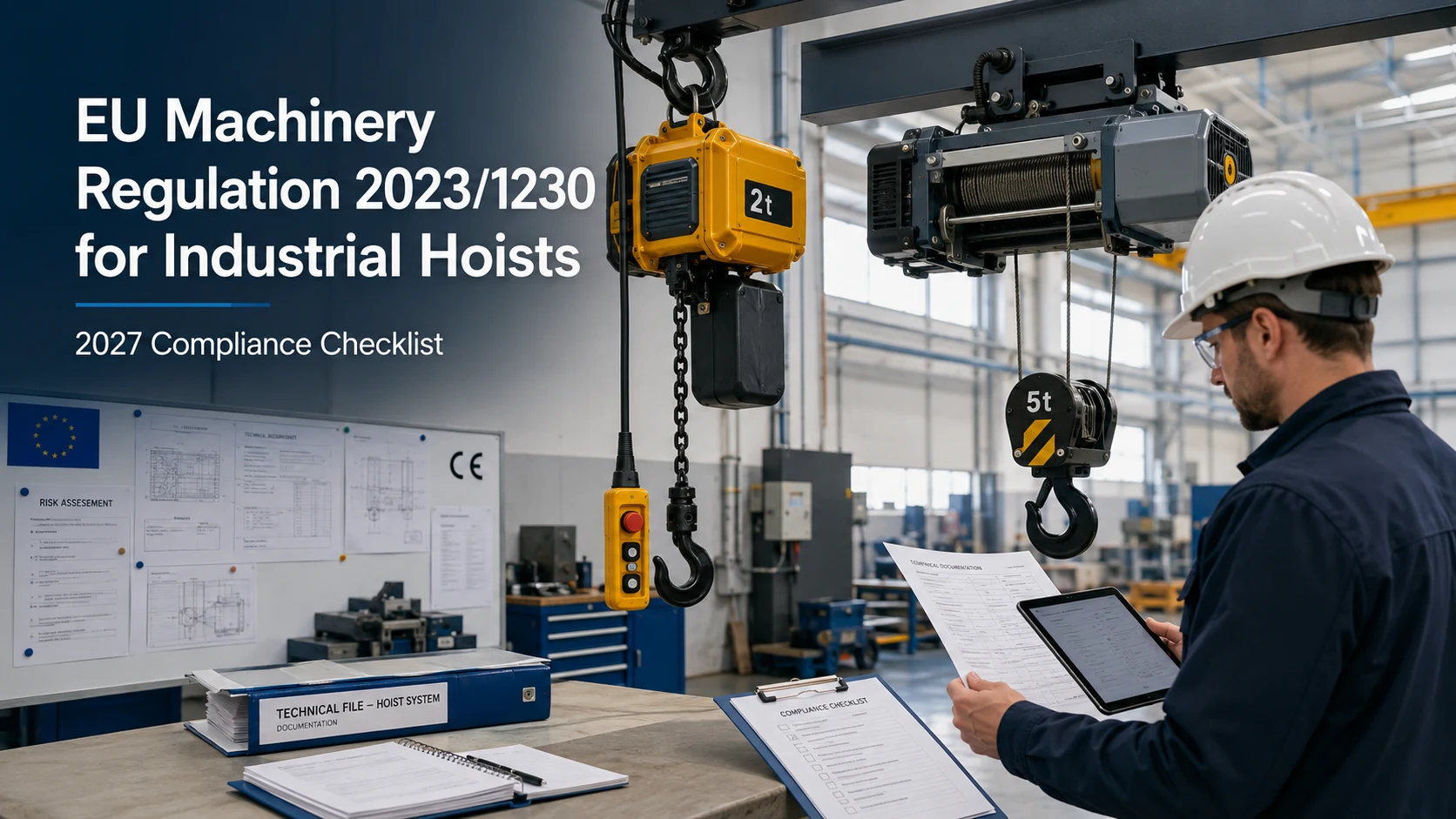
Regulation (EU) 2023/1230 will apply from January 20, 2027, replacing Machinery Directive 2006/42/EC for machinery first placed on the EU market from that date. For industrial hoist manufacturers, importers, distributors, and technical buyers, the practical question is not simply whether a product carries a CE mark. The real task is to confirm the product’s regulatory scope, identify the responsible economic operator, and verify that every document matches the exact hoist configuration being purchased.
The Regulation covers machinery and related products, including lifting accessories, chains, ropes, and webbing. Electric hoists, manual hoists, integrated lifting systems, and separately sold lifting accessories therefore require product-specific review rather than one general compliance assumption.
Does EU Machinery Regulation 2023/1230 Apply to Your Industrial Hoist?
An industrial hoist should be reviewed according to how it is supplied, branded, integrated, and used—not only by its commercial name. A standalone electric chain hoist, a wire rope hoist built into an overhead crane, a manual chain block, and an independently sold lifting accessory can create different product boundaries and responsibilities.
Which Hoists and Lifting Products Require a Scope Review?
A buyer sourcing electric chain hoists should confirm whether the quoted unit is complete machinery, part of a larger lifting system, or a customized assembly that another company will complete.
For electric wire rope hoists, integration becomes especially important when the hoist, trolley, controls, supporting structure, and crane system come from different suppliers. The party responsible for the completed lifting system may need information that goes beyond the documents supplied with the hoist itself.
Manual hoists, clamps, chains, ropes, and other lifting accessories should not automatically inherit the compliance status of the main lifting machine. Each separately marketed product should have appropriate identification, intended-use information, instructions, traceability, and a clearly identified responsible manufacturer.
Passenger lifts, personnel-lifting equipment, mobile cranes, and construction hoists involve different applications and should not be treated as interchangeable with industrial material-handling hoists.
Four Questions to Confirm Product Scope
Before starting a compliance review, establish four facts:
- What is the product’s intended use and foreseeable operating environment?
- Is it supplied as complete machinery, partly completed machinery, a related product, or a component?
- Whose name or trademark will appear on the finished product?
- Who controls the final configuration, safety functions, instructions, and declaration?
Additional review is advisable when a hoist is integrated into a custom crane, rebranded by an importer, supplied with third-party controls, or modified after shipment. In those situations, asking only “Does the hoist have CE?” does not establish who is responsible for the completed configuration.
Which Rules Apply Before and After January 20, 2027?
The applicable legislation depends mainly on when the machinery is placed on the EU market, not simply when it was designed, ordered, manufactured, or shipped.
Machinery Directive 2006/42/EC remains applicable through January 19, 2027. Regulation (EU) 2023/1230 applies from January 20, 2027, without a general period in which manufacturers can freely choose between the two regimes.
Use the Placing-on-the-Market Date
Long-lead industrial projects need an early compliance decision. A hoist ordered or manufactured in 2026 but first placed on the EU market after January 20, 2027 may require documentation prepared under the new Regulation.
Purchase orders should identify:
- Destination country
- Expected market-placement date
- Legal manufacturer
- Importer or distributor
- Final product brand
- Final electrical and control configuration
- Required declarations, instructions, and supporting records
Equipment already placed on the market or in service is different from unsold inventory awaiting its first EU sale. Normal repair is also different from a change that affects rated capacity, braking, control logic, load paths, intended use, or safety functions.
When a modification changes the original risk profile, the parties should assess whether it may constitute a substantial modification and whether new manufacturer responsibilities could arise. That decision should be documented rather than assumed.
What Changes Matter Most for Industrial Hoists?
Most procurement teams do not need a clause-by-clause summary of the entire Regulation. They need to understand which requirements affect supplier qualification, technical documentation, product identification, digital information, and final handover.
Documentation, Traceability, and Digital Instructions
Manufacturers must keep technical documentation and the EU Declaration of Conformity available to market-surveillance authorities for at least ten years after machinery or a related product is placed on the market or put into service.
Product information must support identification of the model, series or type, year of construction, and any available batch, serial number, or other traceability element. The Declaration of Conformity must also identify the machinery or product model it covers.
Instructions may be supplied digitally under the Regulation, but they must clearly identify the applicable model and remain accessible for the required period. Buyers should also confirm:
- Required languages
- Document revision
- Access method
- Availability during the expected product lifetime
- Procedure for requesting a paper copy
- Responsibility for updating online documents
A generic PDF or QR code is not sufficient evidence if it cannot be matched to the delivered model and configuration.
Connected Controls and Safety-Related Cybersecurity
Cybersecurity becomes relevant when software, programmable controls, remote access, network connections, or updates can affect a safety function.
A conventional pendant-controlled hoist does not automatically require the same assessment as a connected lifting system. Procurement teams should first define the control boundary and confirm who is responsible for the PLC, remote-control system, software version, access permissions, updates, and configuration changes.
Added connectivity should serve an actual operating requirement. Unnecessary digital functions may introduce additional interfaces, maintenance duties, and documentation risks.
2027 Compliance Checklist for Hoist Manufacturers and Importers
Manufacturer Actions
A manufacturer preparing an industrial hoist for the EU market should:
- Define the product boundary, intended use, and foreseeable misuse.
- Identify applicable EU legislation and product-specific requirements.
- Complete and document the risk assessment.
- Select the appropriate conformity-assessment procedure.
- Verify safety functions and supporting test evidence.
- Prepare model-specific technical documentation.
- Issue the applicable EU Declaration of Conformity.
- Supply instructions and safety information in the required language and format.
- Apply the required CE marking and traceability information.
- Control design changes, document revisions, complaints, and corrective actions.
CE marking follows the applicable conformity-assessment process. It is not a stand-alone certificate that can replace product evaluation, technical documentation, and the manufacturer’s declaration.
Importer and Distributor Actions
EU importers and distributors are not passive resellers. They should verify that the product carries the required marking, is accompanied by the appropriate declaration and instructions, identifies the responsible manufacturer, and can be traced to the supplied model.
European Commission guidance states that importers and distributors must understand the applicable legal requirements and help prevent noncompliant products from entering the EEA market.
An importer should also confirm who can make technical documentation available to authorities and who will manage complaints, corrective action, withdrawal, or recall if a product issue is discovered.
Hoist-Specific Evidence Buyers Should Review
The quotation, nameplate, instructions, declaration, and test records should describe the same configuration. Buyers should review:
- Rated load and lifting height
- Voltage and frequency
- Mounting and trolley arrangement
- Control method
- Braking and load-holding functions
- Upper and lower limit functions
- Overload protection, where applicable
- Hook, chain, wire rope, and drum configuration
- Electrical protection and environmental limits
- Model, serial, or batch identification
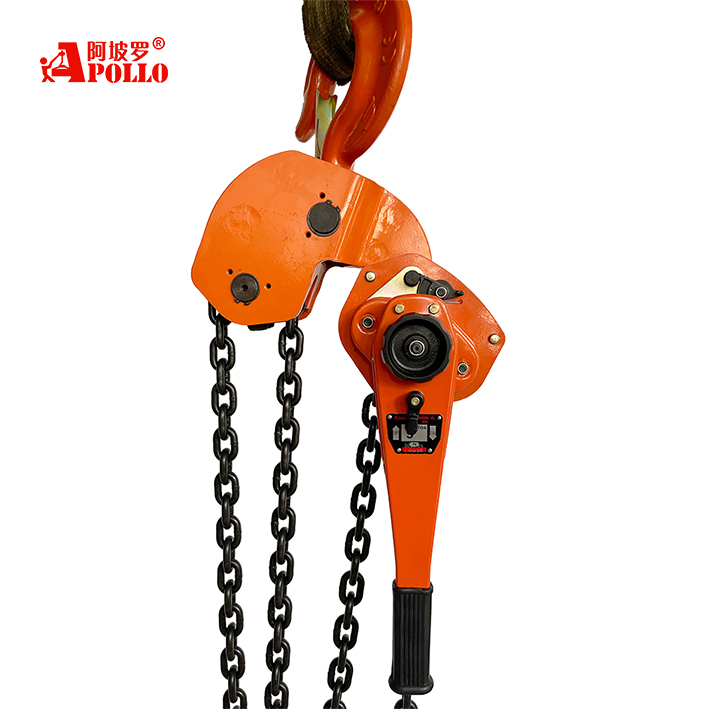
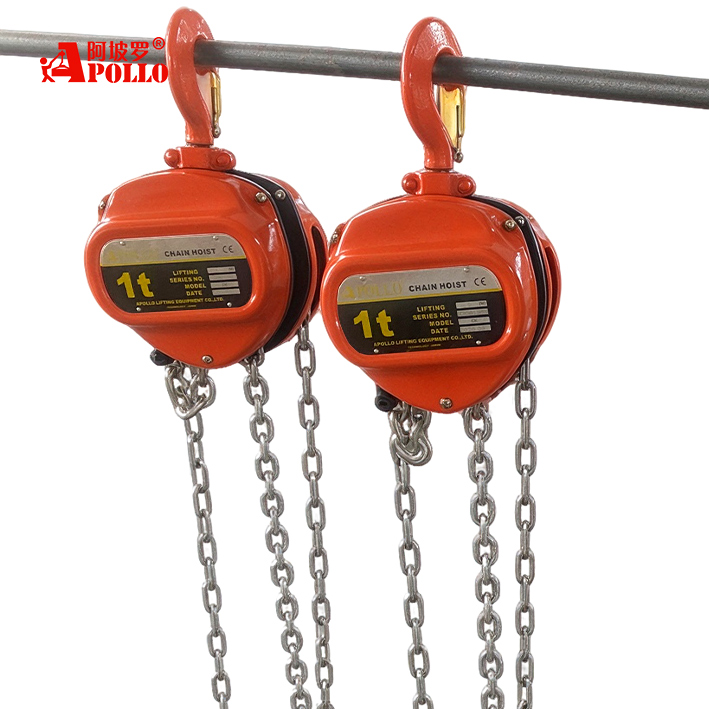
Product features may vary by series, size, application, and configuration. Hangzhou Apollo Lifting Equipment Co., Ltd. publishes separate product categories for chain and wire-rope designs, so buyers should compare the offered model against its relevant specification instead of assuming that every hoist uses the same protection devices or operating limits.
What Documents Should an EU Hoist Buyer Request?
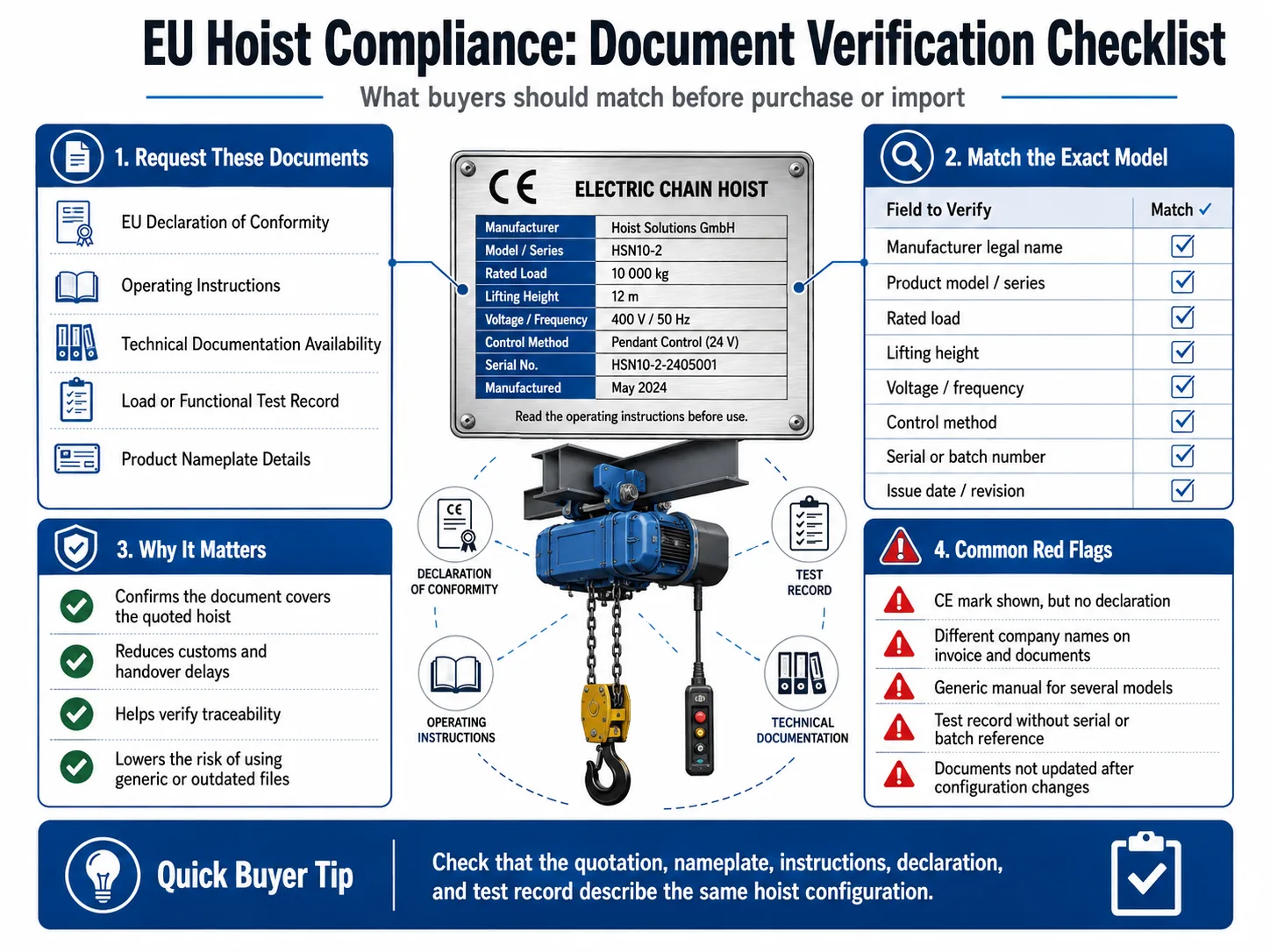
A common purchasing error is treating every document containing a logo, stamp, or test value as equivalent proof of legal compliance.
| Document | Purchasing purpose | Key verification point |
|---|---|---|
| EU Declaration of Conformity | Records the manufacturer’s formal conformity declaration | Must identify the exact model and applicable legislation |
| Operating instructions | Supports safe installation, use, and maintenance | Correct model, language, and revision |
| Technical documentation | Supports the conformity assessment | Availability and responsible document holder |
| Load or functional test record | Records results for a unit, batch, or model | Traceability to the supplied product |
| ISO certificate | Describes management-system certification | Does not prove product-level conformity |
| Third-party certificate | Provides evidence within a defined scope | Product, standard, issuer, and validity must match |
Match Every Document to the Exact Hoist Model
Check the manufacturer’s legal name, product designation, model, rated load, voltage, frequency, lifting arrangement, controls, serial or batch reference, applicable legislation, listed standards, signature, and issue date.
OEM branding and customized electrical configurations require particular attention. A declaration created for a manufacturer’s standard model may not accurately describe a rebranded unit or a product supplied with different controls, voltage, brakes, limits, or protective devices.
- Warning signs include:
- A declaration covering only a similar model
- Test records with no traceable batch or serial reference
- Different company names on the invoice, nameplate, and declaration
- Missing document revisions after configuration changes
- Certificates whose scope does not identify the purchased product
- Generic instructions covering several incompatible designs
How to Choose an EU-Ready Hoist Supplier
Supplier selection should begin with complete application information, not a request for the lowest unit price.
The RFQ should state the destination country, rated load, lifting height, duty or operating frequency, power supply, mounting arrangement, working environment, controls, branding arrangement, required language, expected market-placement date, quantity, and requested documentation.
A qualified industrial lifting equipment manufacturer should clearly identify the offered product, explain what is included in the supply boundary, and state which documents will accompany the shipment.
Buyers evaluating Hangzhou Apollo Lifting Equipment Co., Ltd. can review about Hangzhou Apollo Lifting Equipment for the company’s published focus on lifting equipment and OEM/ODM services. Project-specific claims should still be checked against the quotation, final specification, and model documentation.
Before issuing a purchase order, ask:
- Who will be named as the legal manufacturer?
- Who will sign the declaration?
- Does the declaration cover the final configuration?
- How are test records linked to the supplied units?
- How are document revisions controlled?
- What changes require updated documentation?
- Which instructions and languages will be supplied?
- Who is responsible after OEM rebranding?
- How will missing or incorrect documents be corrected?
Red flags include offering a CE logo as the only evidence, using one declaration for unrelated products, refusing to identify the legal manufacturer, or failing to update documents after changing safety-related components.
Conclusion
Regulation (EU) 2023/1230 creates a clear 2027 decision point, but effective industrial hoist compliance begins with product scope and supply-chain responsibility.
Manufacturers need model-specific risk assessment, technical documentation, declarations, instructions, marking, traceability, and change control. Importers and buyers need to verify that those records match the exact hoist they intend to place on the EU market.
For a project review, submit the hoist type, rated load, lifting height, voltage and frequency, mounting arrangement, control method, operating environment, destination country, branding requirements, quantity, and requested documents through contact Apollo Hoist. All information should be checked against the final quotation and product specification before purchase.
Frequently Asked Questions
Does EU Machinery Regulation 2023/1230 apply to electric hoists?
Industrial electric hoists generally require a scope review under EU machinery law. The precise obligations depend on whether the product is complete machinery, partly completed machinery, a related product, or part of a larger system, as well as how it is branded and placed on the market.
Is a CE mark enough when buying an industrial hoist?
No. Buyers should also verify the EU Declaration of Conformity, operating instructions, model identification, traceability information, and availability of supporting technical documentation. The documents must match the delivered configuration.
Do existing hoists need recertification after January 20, 2027?
Equipment already placed on the market or in service is not treated in the same way as a new product first placed on the EU market after that date. Unsold inventory and materially modified equipment require separate review.
Can hoist operating instructions be provided digitally?
The Regulation permits digital instructions under specified conditions. They must identify the applicable model and remain accessible for the required period. Buyers should also confirm language, version control, access arrangements, and the procedure for obtaining a paper copy.
What should be included in an EU hoist RFQ?
Include the application, rated load, lifting height, operating frequency, power supply, mounting method, controls, environment, destination country, branding, expected market-placement date, quantity, and required compliance documents. Complete input reduces selection errors and document mismatches.