The Job No Chain Hoist Can Do
A pipe fitter stands in a pump room where the walkway is barely 1.2 metres wide. The flange he has to join will not line up, there is no beam overhead, and the only hoist in the workshop is a chain hoist, which is no help here, because a chain hoist needs a vertical drop above the load and this room has none. The pipe has to move sideways, maybe 40 mm, while somebody holds a gasket in place.
For a crew that only owns vertical lifting gear, the job stops right there. Every alternative is worse than the problem. You can cut the pipe and reweld it. You can haul in a hydraulic porta-power, only to find there is nothing to anchor it to. Or you can leave the flange pulled out of square and hope the joint holds. An Apollo lever hoist gets this done in about twenty minutes, provided someone on the crew has one and actually knows how to rig it.
Confined space work tends to pile four problems on you at the same time:
- There is often no vertical lifting point at all, so anything that only lifts straight up is dead weight.
- Powered equipment is out, because a powered hoist needs clearance, a power feed and a stable frame, and none of those exist in a tight space.
- Loads have to move sideways or on an angle, whether that is lining up flanges, pulling pipe or nudging components into place.
- And the clock is running, because confined space jobs almost always sit on the critical path of a shutdown.
If you plan or run this kind of work, as a maintenance supervisor, a mechanical contractor or the shutdown planner who has to spec the right manual tool before the crew is standing in the pump room, this guide is aimed at you. It walks through what an Apollo lever hoist actually does, how to size it, how to set up a pull that holds, and what to look for on the quotation.
Want a second opinion on sizing? Send your load weight, pulling direction and the space you are working in to sales@apollohoist.com, and you get a matched Apollo tool recommendation back within one business day.
What Makes a Lever Hoist the Right Tool Indoors
An Apollo lever hoist, known as a lever block or a come-along depending on where you grew up, is a manual tool you drive with a handle instead of a hand chain. Pull the handle and a gear train moves the load chain through the body of the unit. That one design choice gives it two things a chain hoist simply cannot do.
First, it pulls in more than one direction. Apollo lever hoists are rated from vertical all the way out to about 60 degrees off vertical, which happens to cover the awkward pulling and tensioning angles you meet in confined space work. Second, you anchor both ends, one to a certified point and the other to the load, so a sideways pull becomes a controlled move instead of a tug of war.
The unit is compact and the chain free-wheels when it is unloaded, so one technician can rig it alone in a space where two people could not even swing a chain hoist. That matters a lot when opening the access hatch alone eats thirty minutes.
| Confined space job | Why a chain hoist cannot do it | How a lever hoist solves it |
| Flange alignment | No vertical drop point above the joint | Anchors to the opposite flange and pulls the joint into line |
| Pipe pulling | Needs horizontal movement, not vertical lift | Pulls at up to 60 degrees from vertical with controlled gearing |
| Equipment positioning | Machine base blocks the lifting path | Anchors low and pulls the unit into position along the floor |
| Cable or bracing tensioning | Requires sustained pull, not a lift | Holds tension mechanically while the crew fixes the connection |
Matching Capacity and Hand Force to the Job
Three numbers tell you whether an Apollo lever hoist is right for a confined space job: how much it will hold, how hard the operator has to pull, and how heavy it is to carry in.
Capacity and the margin rule
Size the tool above the load, not at it. On a pulling job the load really means the resistance to movement, which is rarely the same as the object’s weight. A pipe sitting on rollers takes a fraction of the pull that the same pipe needs dragged over concrete. Plan on a working margin of at least 1.5 times the heaviest force you expect, and remember that a stuck load lurches, so there is a short peak at the very start that runs higher than the steady pull.
The standard Apollo range runs from 750 kg up to 9 tonnes, and every model is tested above its rated capacity, so these are verified numbers rather than assumed ones.
Hand force at full load
Hand force is the number the operator actually feels, and it settles whether the job takes one person or two. Across the Apollo range, the effort at rated load goes from roughly 140 newtons on the smallest unit to about 360 newtons on the biggest, the gap between a comfortable one-handed pull and a deliberate two-handed grunt. Do the comparison simply: if your heaviest pull needs 340 newtons and the operator can only sustain about 200 in whatever posture the space allows, the fix is a larger tool or a different anchor point, not a stronger operator.
Weight and chain size
In a confined space, weight matters as much as capacity. An Apollo 750 kg unit weighs about 7.5 kg and runs a 6 mm chain, so one technician can carry it through a hatch and hold it overhead while he positions the hook. The Apollo 9 tonne unit weighs around 47 kg and uses a 10 mm chain; that one needs two people to install and really belongs on a skid or trolley, not in your hands. Match the tool to the access route, not just to the load.
Free-wheeling for fast setup
On an Apollo free-wheeling lever hoist you can pull the chain through the body by hand while the hook is unloaded, then engage the handle for the loaded pull. When the anchor point sits a fair way from the load, that saves you ratcheting slack chain through the mechanism one stroke at a time. On a shutdown where you need ten pulls in a day, the setup time you claw back is often bigger than the time saved on the pulls themselves.
Full capacities, chain sizes and hand-force figures for the Apollo lever hoist range are on the lever hoist category page (https://www.apollohoist.com/product-category/manual-hoist/lever-hoist/).
Not sure on capacity or anchoring? Send the pull direction, expected resistance and the anchor points you actually have through the inquiry page, and Apollo’s engineers will confirm the right capacity and anchoring method at no cost.
Setting Up a Pull That Holds
A lever hoist is only as safe as the way it is rigged. In a confined space it is usually the setup, not the tool, that decides whether you finish with a seated flange or an incident report.
- Check both anchor points before you pull. The load anchor and the fixed anchor each have to be rated above the pull force, and the usual answer is structural steel, not pipework or handrails.
- Stay inside the rated angle range. For Apollo lever hoists that means from vertical out to about 60 degrees off vertical; pull outside that and you are loading the tool in a direction it was never designed for.
- Run a corner protector over any sharp edge. A chain that gets nicked or bent down a tight space is a chain you will be replacing.
- Do not leave it holding the load permanently. A lever hoist holds while it is set, and the load has to be secured mechanically before anyone works under or beside it.
- Control the release, especially under tension, because the release stroke is where a rigging load moves fastest.
A pull plan written before the shutdown is worth more than any tool spec. It should say where the anchors are, which direction the load has to move and how far, and who inspects the setup before the first stroke of the handle.
What Separates a Quality Lever Hoist from a Cheap One
Almost any heavy-duty lifting equipment maker can wave certification documents at you. That is the entry ticket, not the reason to buy. On an Apollo lever hoist, the differences that actually matter sit in five places, and all five you can check before you pay.
- A double-pawl brake: two independent mechanical locks hold the load, so no single component failure can release it.
- A heat-treated gear train and load plates, so tooth engagement stays precise under the repeated shock loading lever work throws at it.
- Forged hooks with safety latches at both ends, meeting the latch requirements of EN 13157 instead of leaning on a bent wire hook.
- High-tensile alloy load chain in 6 mm to 10 mm diameters, sized for the combined tensile and bending stress that lever-driven pulling puts on it.
- A free-wheeling mechanism, the feature economy units usually leave off to save a few cents, and you pay for it in setup time on every single job.
Confined space crews usually carry a mix of manual lifting gear, and a team with both an Apollo lever hoist and an Apollo hand chain hoist covers vertical lifts and horizontal pulls under one documentation set. For the vertical half of that pairing, see how Apollo hand chain hoists work where there is no power at all (https://www.apollohoist.com/product-news/manual-lifting-without-power-how-apollo-hand-chain-hoists-work-apollo-lifting-equipment-manufacturer/).
Three Questions to Ask Any Supplier
Before you order from any lever hoist supplier, get these three answered:
- What is the rated working range for pulling, not just lifting? That tells you the angles the tool was actually designed for. Apollo rates its lever hoists from vertical out to about 60 degrees off vertical, and publishes hand force at rated load for every model.
- What is the hand force at rated capacity, and how much does the unit weigh? Those two numbers decide whether one technician can run it in a tight space. Apollo publishes both across the range.
- Which certification and test documents ship with the unit? That is what keeps the shutdown inspection file complete. Apollo supplies EN 13157 conformity documentation, and every unit is tested above its rated capacity.
Apollo has built lifting equipment for more than 20 years, exports to over 50 countries, and runs factory-direct production with OEM support. The full range is on the product overview page (https://www.apollohoist.com/product/).
How to Buy from Apollo: Choose Your Channel
Plant, shutdown, and project procurement
Get a free load assessment: send the load weight, pull direction, access route and anchor points. Within one business day you will get a matched Apollo lever hoist recommendation with capacity and hand-force figures, a formal quotation, and the certification documents your inspection team needs.
Distributors and dealers
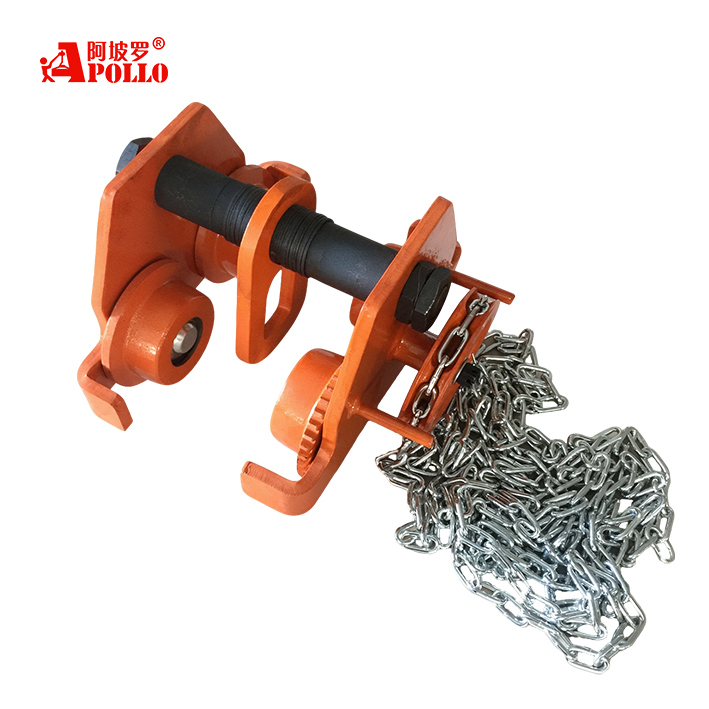
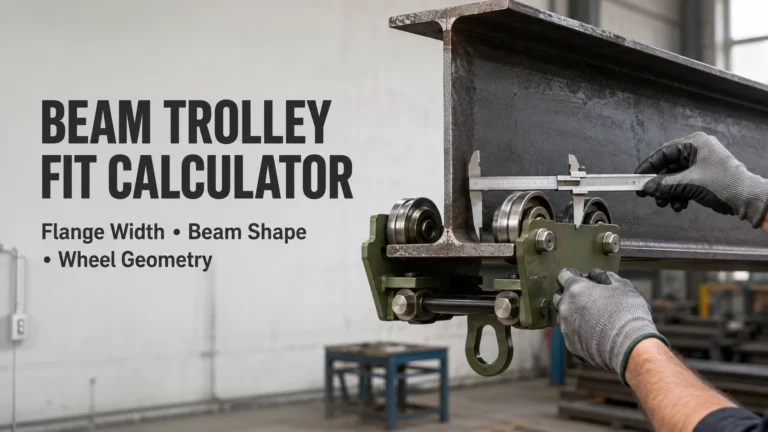
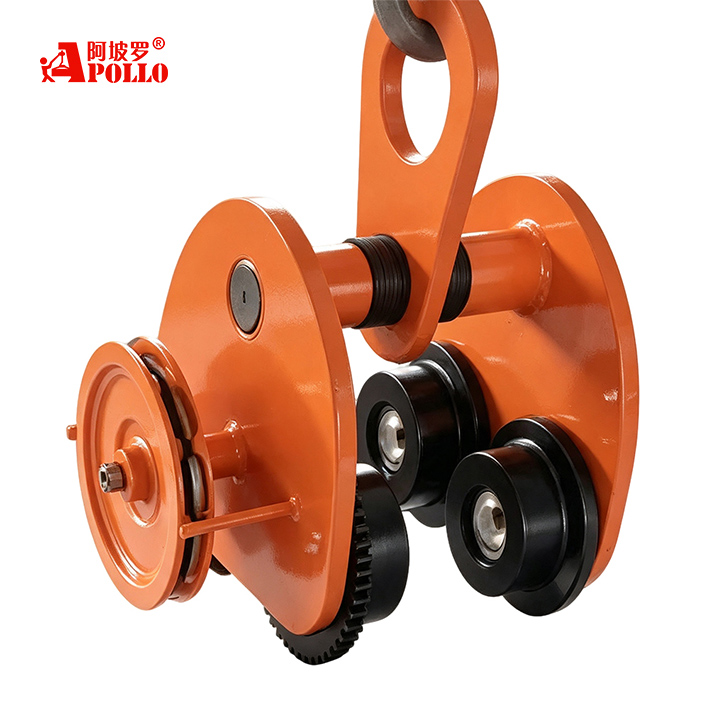
Stock the whole 0.75 to 9-tonne range under a single EN 13157 documentation package, and you can quote contractors who work across lifting and pulling jobs from one product family. Combining Apollo lever hoists with Apollo hand chain hoists and beam trolleys in one quote protects your margin and simplifies ordering for the customer.
OEM and private label
From the Apollo factory you can get custom branding, packaging and documentation, built to the compliance requirements of your market.
Request EN Certificate Samples Now
- Get a free load assessment via WhatsApp / Phone: +86 18989488615
- Request EN certificate samples by email: sales@apollohoist.com
- Submit an online inquiry: https://www.apollohoist.com/contact-us/
- Browse the full product range: https://www.apollohoist.com