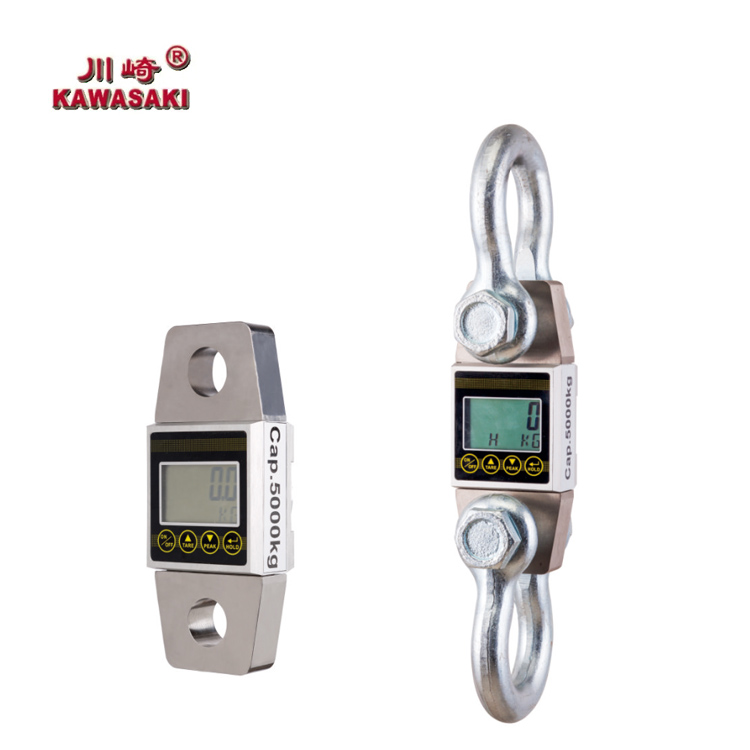
A crane scale may look like a simple lifting accessory, but one wrong reading can slow down a full working line. In a warehouse, inaccurate weight data may affect shipping records. In a steel workshop, a wrong load value may delay beam or pipe handling. In heavy lifting work, a reading error may also hide overload risk.
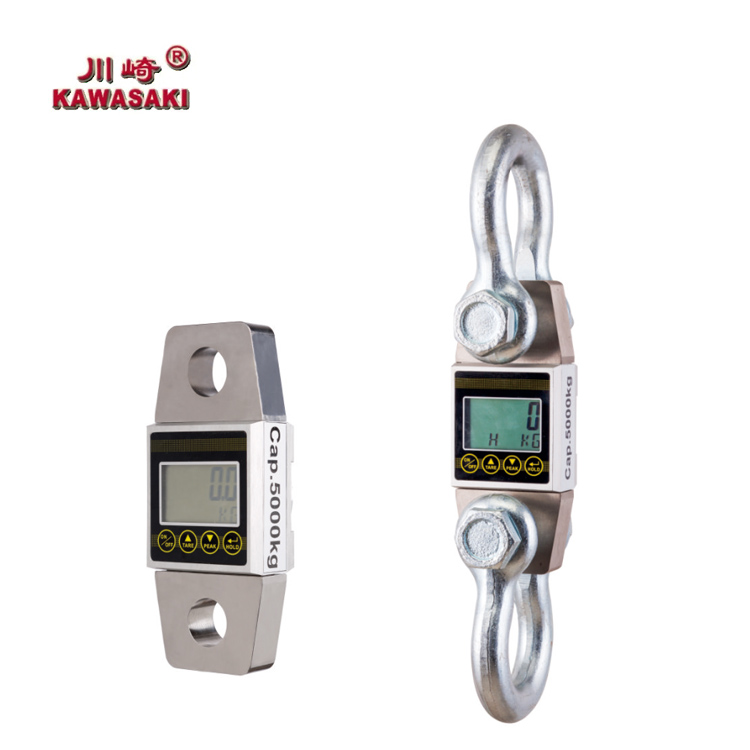
For B2B buyers, crane scale troubleshooting is not only a repair topic. It is also linked to product selection, supplier quality, calibration support, and long-term service. If a digital crane scale often shows unstable readings, zero drift, or slow display response, the reason may come from daily use, harsh working conditions, poor calibration, overload shock, or weak product quality.
Apollo supplies crane scales and related industrial lifting equipment for warehouses, workshops, steel fabrication, equipment maintenance, and distributor projects. For bulk orders and OEM crane scale supply, stable readings, factory testing, safe packaging, and responsive service all matter before an RFQ is confirmed.
Common Crane Scale Reading Errors in Industrial Lifting
Reading errors often appear in daily work before a full failure happens. Some problems are easy to notice, while others only show up after repeated lifting.
Unstable or Jumping Readings
A jumping reading means the displayed weight keeps moving even when the load appears still. This often happens when the load is swinging, the hook is not vertical, or nearby equipment creates vibration. A bundle of round pipes lifted by an electric hoist, for example, may move slightly after leaving the floor. The display may need a few seconds to settle.
A short settling time can be normal. A value that never becomes stable is a warning sign.
Zero Drift After Unloading
Zero drift appears when the crane scale does not return to zero after the load is removed. Small movement may come from temperature changes or long working hours. Larger drift may point to calibration problems, load cell stress, or impact damage.
In industrial lifting, zero drift affects every following record. If the starting point is wrong, later weighing data may also be wrong.
Wrong Readings After Unit Switching
Many export warehouses use both kilograms and pounds. A digital crane scale may support kg/lb switching, but mistakes happen when the active unit is not checked. A value in pounds may be recorded as kilograms, causing packing list errors, customer disputes, or loading delays.
For distributors, unit display clarity is worth checking during incoming inspection.
Frozen Display or Slow Response
A frozen screen, dim display, delayed value, or sudden shutdown often relates to battery power, display board faults, loose wiring, or internal electronic issues. Outdoor yards may see this more often because moisture, dust, and rough transport can affect the housing and circuit parts.
Main Causes Behind Crane Scale Troubleshooting Problems
A reading error rarely has one single cause. A practical check looks at the lifting method, crane scale condition, power supply, environment, and supplier quality.
Calibration Drift from Repeated Use
A crane scale lifts, swings, settles, unloads, and repeats the same cycle many times. After long service, calibration may drift. Heavy-use sites such as steel plants, logistics yards, repair workshops, and equipment warehouses need regular calibration checks.
For procurement teams, calibration support is also a supplier selection point. A reliable crane scale supplier usually provides clear operation guidance, stable product batches, and service support when reading errors appear.
Load Cell Stress or Overload Shock
The load cell is the key weighing part inside a crane scale. Sudden loading, side pulling, dropping a load into the hook, or exceeding rated capacity may damage it. Sometimes the unit still powers on and looks normal, but the displayed value begins to drift or jump.
This problem is common in busy workshops where speed takes priority over careful lifting.
Poor Hook, Shackle, or Load Alignment
A crane scale should carry load vertically. Side force may affect the hook, shackle, and sensor, which can reduce reading accuracy. If the scale works with an electric hoist, manual chain hoist, beam trolley, lifting clamp, or sling, the full connection method needs checking.
A correct model still performs poorly when the rigging method is wrong.
Battery, Display, and Site Condition Problems
Low battery, dust, humidity, heat, and rough transport may affect display response, battery contacts, buttons, and circuit stability. An industrial crane scale should be selected by working condition, not only capacity and price.
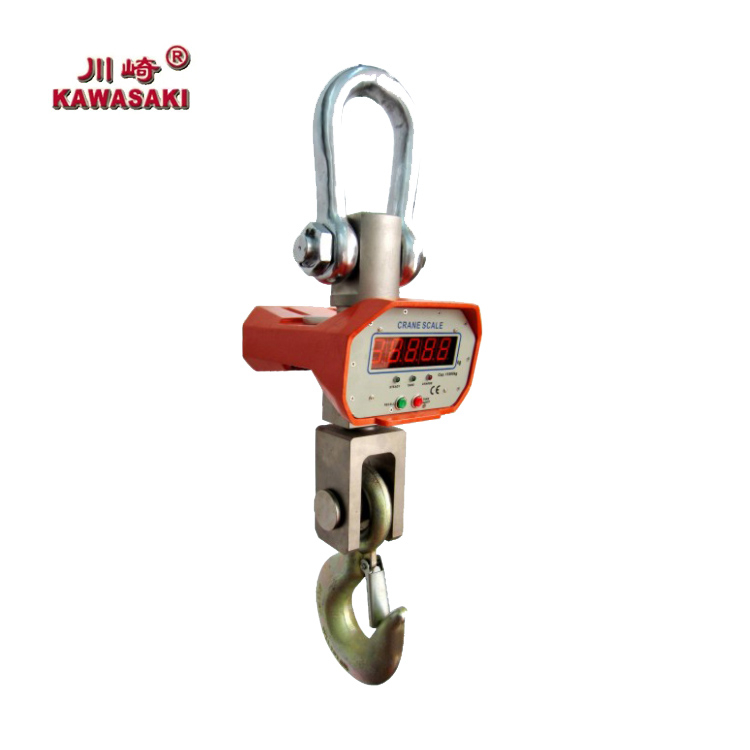
How to Fix Crane Scale Reading Errors
Crane scale troubleshooting should start with simple visible checks. If the problem remains, calibration or supplier service is safer than opening internal parts without training.
Check Zero Status Before Loading
Before lifting, the crane scale should return to zero. If the unloaded value keeps changing, the scale should not be used for important weight records. Restarting the unit may help, but repeated zero drift needs further inspection.
Inspect Hooks, Shackles, Housing, and Display
Visible inspection catches many field problems. Check the hook, pin, shackle, housing, battery cover, display, and buttons. Cracks, bending, corrosion, loose screws, or impact marks should be taken seriously. In lifting work, small damage can become a larger safety issue quickly.
Test Battery Power and Screen Response
Recharge the battery or replace it with a qualified spare. Then check whether the display turns on smoothly, holds brightness, and responds to buttons. If values disappear or freeze again, the fault may sit in the display module or internal circuit.
Compare Readings with Known Test Loads
A known weight or certified test load helps confirm whether the crane scale is reading correctly. If the error is consistent, recalibration may solve it. If the value changes each time, the sensor or signal may be unstable.
Recalibrate or Request Supplier Service
If basic checks do not solve the issue, professional recalibration or supplier service is needed. For distributors and bulk order buyers, after-sales response is part of product value. A low-cost crane scale with no service support may become expensive once field complaints begin.
Quality Control Factors That Reduce Crane Scale Errors
Good troubleshooting starts before delivery. A crane scale manufacturer should control key functions before the product reaches a buyer.
Load Testing Before Shipment
Factory load testing helps check whether the crane scale can hold stable readings under rated working conditions. It may also find display instability, weak hooks, abnormal sensor response, or assembly issues before shipping.
Calibration and Display Verification
Calibration check, zero status verification, unit switching, and display response should be reviewed during production inspection. For export buyers, kg/lb settings, label clarity, and manual accuracy can prevent local sales and service problems.
Hook, Housing, Battery, and Packaging Inspection
Hooks, housings, batteries, and packaging all affect field performance. Export packaging is especially important because a crane scale may be handled several times before reaching a distributor warehouse. Durable products, repairable parts, and fewer early replacements also support safer use and reduce unnecessary waste.
What B2B Buyers Should Check Before Ordering Crane Scales
A useful RFQ gives the crane scale supplier enough details to recommend a suitable model, not just the lowest price.
Rated Capacity and Safety Margin
Capacity should match real lifting conditions. A site that often lifts 2.8 tons should not select a 3-ton crane scale only because the unit price is lower. A reasonable safety margin helps protect the sensor and extend service life.
Accuracy, Display Division, and Unit Options
Warehouse checking, production records, cargo handling, and commercial weighing may require different accuracy levels. Buyers should confirm accuracy, display division, readable screen size, battery life, and unit options such as kg and lb.
Match Crane Scale Models with Real Lifting Conditions
Indoor warehouse use is different from outdoor port handling. A steel fabrication plant may face dust and impact. A repair shop may need flexible lifting with hoists, clamps, and trolleys. Model selection should follow load type, lifting frequency, environment, and connection method.
Factory Testing, Certification, and Supplier Reliability
A crane scale supplier should provide more than a catalog. QC records, load testing, display checks, warranty terms, spare parts support, and stable delivery help reduce purchasing risk. For B2B buyers, reliable supply is often more valuable than a slightly lower unit price.
OEM Crane Scale Supply for Distributors and Importers
Distributors may need logo printing, custom labels, market-specific manuals, color options, packing design, or private model codes. OEM crane scale supply should cover both product function and local sales needs. Apollo supports OEM and ODM requirements for lifting equipment buyers, including distributor and bulk order projects.
Apollo Crane Scale Solutions for Industrial Lifting Buyers
Apollo crane scales are used for suspended weighing in warehouses, logistics yards, workshops, steel structure projects, and equipment maintenance. They support material checking, cargo weighing, machinery handling, and heavy component movement.
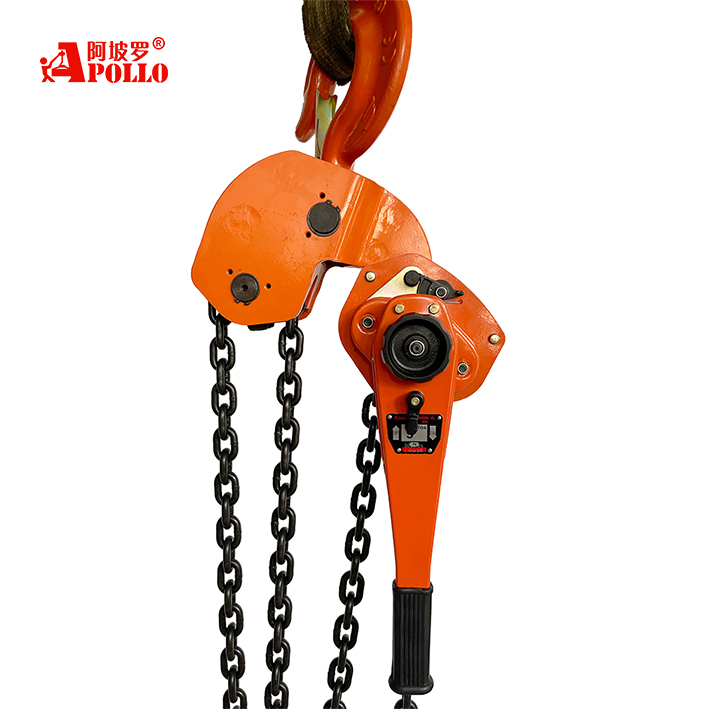
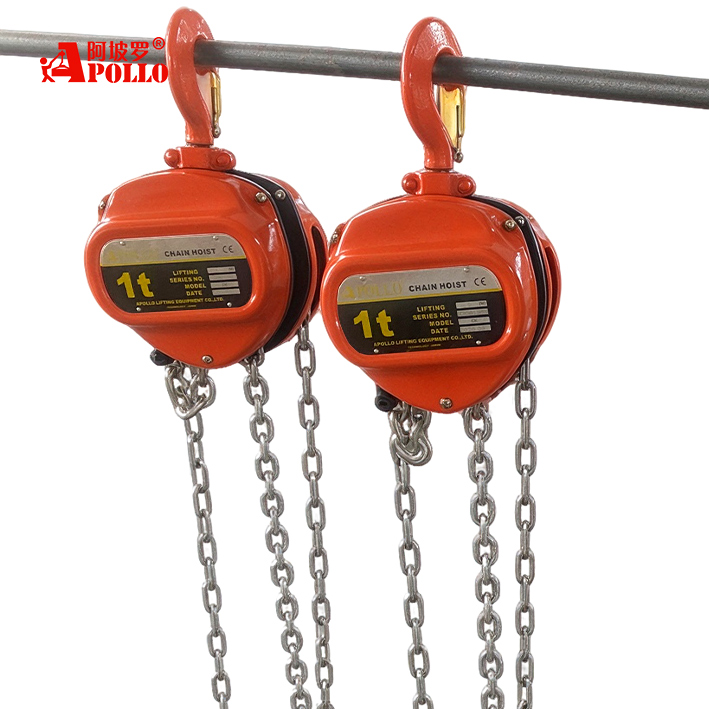
A crane scale often works together with electric hoists, manual hoists, beam trolleys, lifting clamps, or slings. Correct matching helps reduce side pulling, unstable readings, and overload risk. Apollo can also support capacity, application, packaging, and OEM discussions for broader industrial lifting purchases.
Procurement Checklist Before Sending an RFQ
| RFQ Item | Why It Matters |
| Rated capacity | Matches real lifting weight and safety margin |
| Accuracy and division | Affects record quality and weighing purpose |
| Working environment | Helps select indoor, outdoor, dusty, or humid-use models |
| Hook and shackle size | Affects connection safety and vertical loading |
| Unit setting | Supports local markets using kg or lb |
| Battery and display | Affects daily operation and reading visibility |
| OEM requirements | Covers logo, label, manual, packaging, and model code |
| Order quantity | Helps confirm MOQ, lead time, and price level |
| Testing/QC records | Supports quality review and distributor sales |
Conclusion
Crane scale troubleshooting is closely linked to lifting safety, warehouse records, supplier quality, and purchasing decisions. Reading errors may come from calibration drift, overload shock, poor alignment, weak batteries, harsh working conditions, or unsuitable model selection. For B2B buyers, routine inspection should be combined with smarter procurement. Rated capacity, accuracy, working site, factory testing, OEM support, packaging, and after-sales service all deserve attention before a bulk order is placed.
Apollo supplies crane scales and related industrial lifting equipment for distributors, workshops, warehouses, and project buyers that need reliable products and practical support. For crane scale models, OEM options, or RFQ details, contact Apollo for a suitable sourcing plan for the next industrial lifting order.
FAQs
Q1: What are the most common causes of crane scale reading errors?
A: Common causes include calibration drift, low battery power, overload shock, side pulling, poor hook alignment, moisture, dust, and incorrect unit settings.
Q2: How can crane scale troubleshooting improve industrial lifting safety?
A: It helps detect unstable readings, zero drift, damaged hooks, weak batteries, and calibration problems before they affect load control.
Q3: What should buyers check when choosing a crane scale supplier?
A: Buyers should check rated capacity, accuracy, certification, factory testing, OEM options, MOQ, delivery time, warranty, and spare parts support.
Q4: When should a crane scale be recalibrated?
A: Recalibration is needed when zero drift appears, test loads show wrong values, overload shock occurs, or the scale is used frequently.
Q5: Does Apollo support OEM crane scale orders for distributors?
A: Apollo supports OEM and ODM services for lifting equipment buyers, including branding, packaging, labels, manuals, and distributor customization needs.