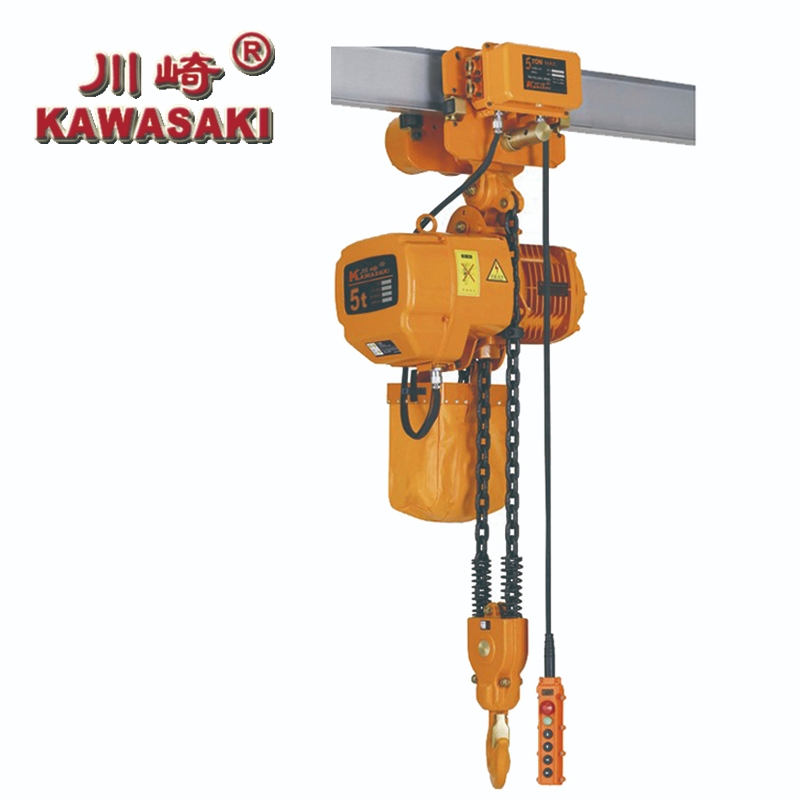
Global lifting equipment buyers are not only comparing prices anymore. Delivery time, OEM flexibility, product safety, and factory response speed often decide whether an order moves forward or gets stuck in the quotation stage. For distributors, contractors, and industrial equipment suppliers, a delayed chain hoist shipment can affect warehouse schedules, machinery installation, repair work, and even a whole project handover.
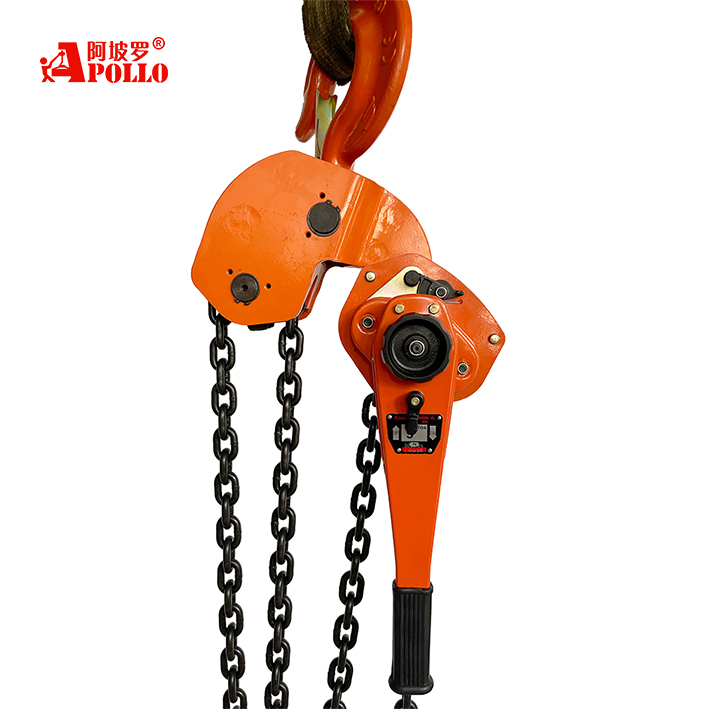
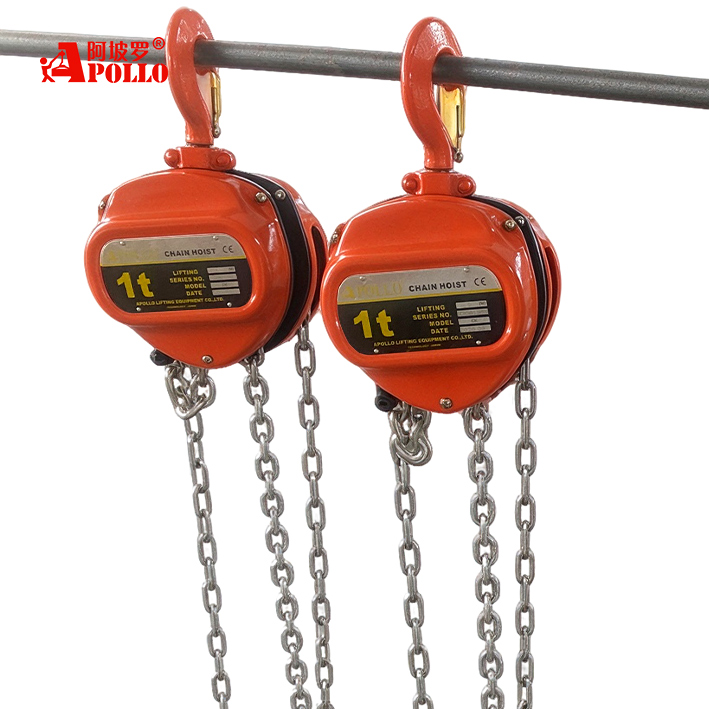
Apollo focuses on lifting equipment manufacturing for global B2B buyers, with product lines covering electric chain hoist, manual chain hoist, lever hoist, beam trolley, lifting clamp, winch, jack, and related lifting tools. When buyers look for a China chain hoist manufacturer, they mainly care if the factory can provide reliable products, handle custom needs, and meet shipping deadlines without issues.
Why Global Buyers Look for a China Chain Hoist Manufacturer
China stands as a major center for industrial equipment manufacturing. The chain hoist segment follows the same pattern. Global buyers who source lifting solutions gain from direct contact with a solid chain hoist manufacturer in China. They gain scale, room for custom work, and competitive prices.
Faster Delivery for Bulk Orders and Project Schedules
Speed is critical in industrial procurement. Construction contractors, shipyards, and logistics firms often work under tight project deadlines. Apollo’s output level allows quick handling of big orders. Supply capacity reaches 5,000 units of chain hoists a month and 500 electric hoists per month. This volume helps distributors handle several regional projects at once.
Factory Pricing and Stable Supply for Distributors
Working with a direct factory eliminates middleman costs. Distributors receive steady prices that hold their margins even when material costs shift. A chain hoist manufacturer like Apollo keeps supply lines steady through long-term ties with steel and motor sources across eastern China.
Apollo Chain Hoist Factory Strength for B2B Procurement
As the sole Chinese manufacturer authorized to produce Kawasaki brand hoisting machinery, Apollo combines international technology with robust domestic production capacity. Apollo serves global lifting equipment buyers with both electric and manual hoist products. Its product structure is suitable for distributors, wholesalers, machinery suppliers, warehouse equipment companies, and industrial project buyers.
OEM and ODM Support for Different Market Needs
OEM customization is one of the main reasons buyers search for a China chain hoist manufacturer. Different markets have different preferences. Some buyers need private label packaging. Some need a specific color. Others need voltage options, chain length changes, or model combinations for local distribution.
Common OEM needs may include:
- Brand logo on product body or nameplate
- Custom color for market positioning
- Carton and label design
- Different voltage options for electric chain hoist
- Chain length and lifting height adjustment
- Product manuals and packing details
For distributors, these small changes can make products easier to sell. A chain hoist with local-language labeling or a cleaner retail carton often looks more professional in the warehouse.
Quality Control, Testing, and Export Experience
Lifting equipment cannot rely only on appearance. A painted shell and neat packaging do not prove safety. Buyers normally care about load capacity, brake performance, chain strength, hook quality, gear durability, and operating stability.
For a chain hoist manufacturer, inspection should cover both parts and finished products. Electric chain hoist models require special attention to motor performance, control system, voltage matching, limit switch function, and running noise. Manual chain hoist models need careful checks on brake system, hand chain operation, load chain smoothness, and hook deformation resistance.
In export trade, documentation and communication also matter. A factory with global experience usually knows how to handle mixed orders, shipping marks, packing lists, and distributor requirements. That saves time, especially when several product models are shipped together.
Electric Chain Hoist for High-Frequency Industrial Lifting
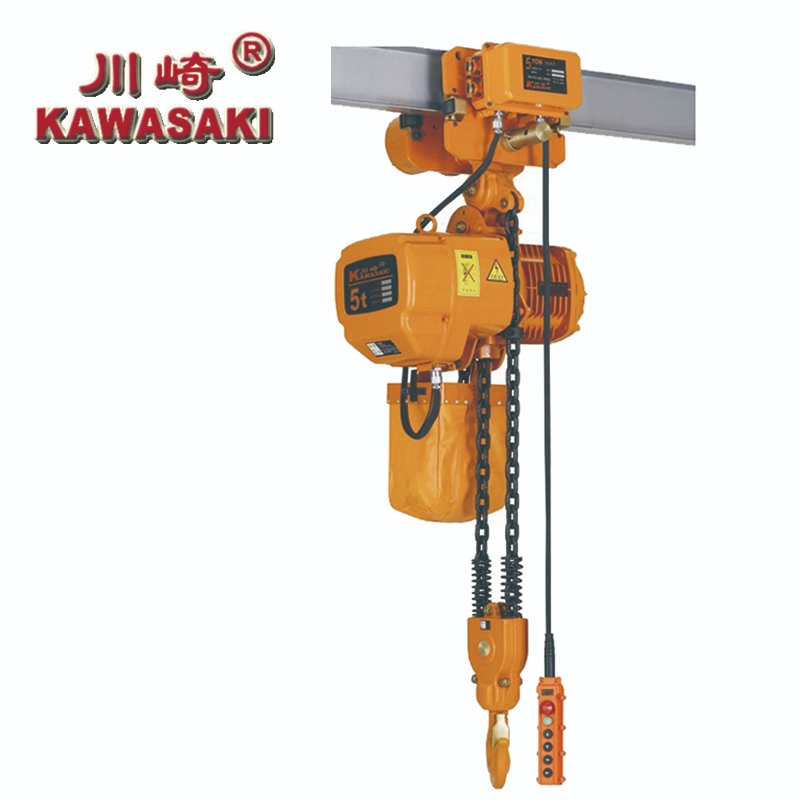 An electric chain hoist is usually selected when lifting work is frequent, loads are repeated, or manual operation would slow down production. It is common in warehouses, assembly areas, machinery workshops, maintenance stations, and light crane systems.
Suitable Applications for Electric Chain Hoist
Electric chain hoists are useful in applications where operators need steady lifting speed and less physical effort. For example, a warehouse handling motors or metal parts may lift the same weight many times each day. A manual hoist can do the job, but it may be slower and harder for workers.
Typical electric chain hoist applications include:
- Warehouse material handling
- Equipment maintenance
- Machinery assembly
- Mold lifting
- Steel structure fabrication
- Workshop crane systems
Key Parameters Buyers Should Check Before Ordering
Before ordering an electric chain hoist, procurement teams should compare more than the rated load. The working environment and installation method are also important.
| Selection Point | Why It Matters |
| Rated load | Matches actual lifting weight and safety margin |
| Lifting height | Affects chain length and working range |
| Voltage | Must match local power supply |
| Lifting speed | Impacts work efficiency |
| Control method | Pendant control or other control options |
| Duty rating | Helps match the hoist to work frequency |
| Mounting method | Fixed type, trolley type, or crane system use |
A 1-ton electric chain hoist used once a week and a 1 ton unit used daily in a workshop may require different buying decisions.
Manual Chain Hoist for Flexible and Cost-Controlled Lifting
Manual chain hoist products still have strong demand in many markets. They are simple, portable, cost-friendly, and easy to use where power supply is limited.
Suitable Applications for Manual Chain Hoist
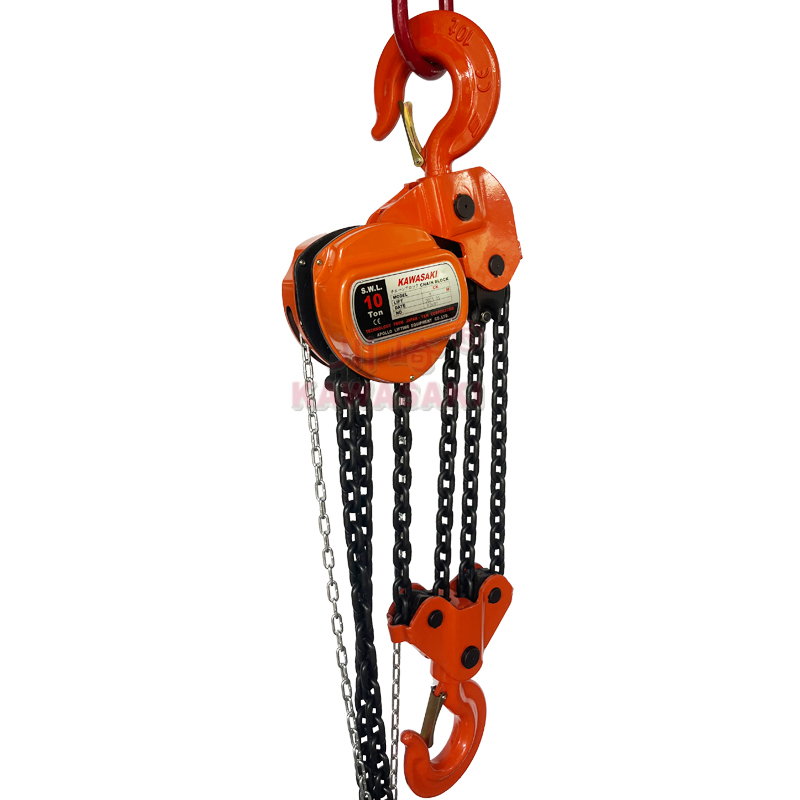
A manual chain hoist is widely used in repair shops, construction sites, farms, small factories, and equipment maintenance work. It does not need electricity, which makes it useful for temporary jobs or outdoor locations.
Common manual chain hoist uses include:
- Machine repair
- Pipe installation
- Steel part positioning
- Small workshop lifting
- Construction maintenance
- Field service work
Manual models are also easier to store and transport. For wholesalers, this can reduce inventory pressure because several load capacities can be stocked in a compact space.
Key Parameters Buyers Should Compare Before Purchase
A manual chain hoist should be selected by load capacity, lifting height, chain quality, brake design, hook structure, and operating feel.
Important buying points include:
- Rated load
- Standard lifting height
- Hand chain length
- Load chain grade
- Brake structure
- Hook safety latch
- Surface treatment
- Spare parts support
For markets with heavy jobsite use, durability is often more important than a slightly lower unit cost.
OEM Customization Options for Global Buyers
Logo, Color, Voltage, Chain Length, and Packaging
Apollo offers broad custom options. Appearance customization covers color and logo on the electric hoist to match buyer taste. Buyers can set brand colors or pick voltage setups from 110V to 575V. Packaging can also follow local brand rules.
Custom Support for Distributors, Wholesalers, and Contractors
Different buyers focus on different points. Distributors often want private labels. Contractors stress delivery speed. Wholesalers like modular packs to cut freight space. Apollo’s OEM team matches each order to these needs while keeping minimum order quantities depending on hoist types.
How Apollo Supports Faster Turnaround and Stable Delivery
Fast delivery depends on more than shipping speed. It starts from quotation accuracy, model confirmation, production planning, inspection, and packing.
Production Planning for Repeat Orders
Repeat buyers often need the same product models several times a year. A factory that tracks common specifications can respond faster. For example, standard manual chain hoist models or common electric chain hoist capacities can be easier to schedule than fully customized products.
This helps distributors keep inventory moving and avoid long gaps between purchase orders.
Communication Support from RFQ to Shipment
Export managers follow each RFQ from quote to shipment booking. Live updates on build progress let buyers plan inland transport or storage space before goods arrive.
How to Choose the Right Chain Hoist for Your Market
A good buying decision starts with real working conditions. Price is important, but it should not be the only factor.
Electric Chain Hoist vs Manual Chain Hoist
Electric chain hoist products suit frequent lifting, heavier workflow, and fixed work areas. Manual chain hoist products suit flexible lifting, lower purchase cost, and places without stable power supply.
| Product Type | Best Fit |
| Electric chain hoist | Repeated lifting, workshops, warehouses, crane systems |
| Manual chain hoist | Maintenance, field work, construction, cost-controlled lifting |
| Lever hoist | Pulling, positioning, tight spaces |
| Beam trolley | Moving hoists along beams |
Matching Load Capacity, Working Conditions, and Buyer Budget
Industrial buyers begin by selecting a rated load that strictly accommodates the heaviest expected lift, ensuring the hoist is never operated beyond its certified capacity. Instead of arbitrarily upgrading the tonnage, site conditions—such as moisture or outdoor exposure—and the hoist’s duty rating should guide the final decision. This determines the necessity of specialized coatings like nickel plating or Dacromet, with chain finishes customizable in galvanized, nickel-plated, or blackened options. Matching specs directly to the actual application avoids paying for unnecessary features while maintaining full regulatory compliance.
Conclusion
Global buyers searching for a chain hoist manufacturer usually need more than a product catalog. Fast turnaround, stable quality, OEM customization, and clear product selection all affect purchasing results.
Apollo offers a comprehensive range of lifting solutions, including electric chain hoists, manual hoists, lever hoists, and related rigging equipment for distributors, wholesalers, contractors, and industrial lifting buyers. For upcoming bulk orders, custom branding, or RFQ planning, contact Apollo for practical factory support, detailed specifications, and tailored chain hoist solutions.
FAQs
Q1: What should buyers check when choosing a chain hoist manufacturer?
A: Check product range, certifications, testing process, OEM ability, delivery time, and export experience.
Q2: Is electric chain hoist better than manual chain hoist for industrial use?
A: Electric chain hoist suits frequent lifting, while manual chain hoist fits flexible and lower-cost jobs.
Q3: Can Apollo support OEM chain hoist orders?
A: Yes, Apollo can support OEM needs such as logo, color, packaging, voltage, and chain length.
Q4: What details should be included in a chain hoist RFQ?
A: Load capacity, lifting height, quantity, voltage, application, packaging, and customization requirements.
Q5: Why do global buyers choose China chain hoist factories?
A: China factories often offer broad product options, OEM support, bulk supply, and competitive manufacturing cost.