In workshops, warehouses, construction sites, and maintenance areas, manual lifting tools still hold a significant place. Even though electric hoists exist, many workers keep using manual systems because they remain straightforward, reliable, and straightforward to handle.
People often bring up two tools side by side: the manual hoist and the chain pulley block. At first look, they seem alike, and both employ chains to raise loads. So, this raises a frequent query: do they truly vary, or are they merely alternative terms for one item?
The response holds more weight than numerous purchasers realize. Picking the incorrect tool might delay tasks, heighten tiredness, or compromise lifting security. This piece examines the actual distinctions, describes ideal spots for each tool, and highlights how Apollo Hoist’s KAWASAKI lifting items back both choices.
What Are Manual Hoist And Chain Pulley Block?
Prior to assessing performance and applications, it proves useful to grasp plainly what each tool aims to achieve. Although both fall under manual lifting types, their build and function in lifting arrangements differ notably.
Definition Of Manual Hoist
A manual hoist, frequently known as a hand chain hoist, serves as a complete lifting apparatus built for upright raising. It employs a hand chain to power an inner gear setup, which lets operators lift or drop loads in a steady manner.
Workers commonly apply manual hoists in plants, storage areas, stage setups, and gear upkeep. Folks value them for their solid stopping mechanism and exact load handling.
The KAWASAKI Manual Hoist Chain Hoist CK from Apollo Hoist stands as a common instance. It includes tough load chains, a dependable mechanical brake, and possible adjustments like surface coating, chain substance, and load-limit features. Thus, it fits both routine factory jobs and unique cases where dependability outweighs quickness.
From this part to the following one, it turns evident that a manual hoist acts as the primary lifting piece, rather than merely a helper part.
Definition Of Chain Pulley Block
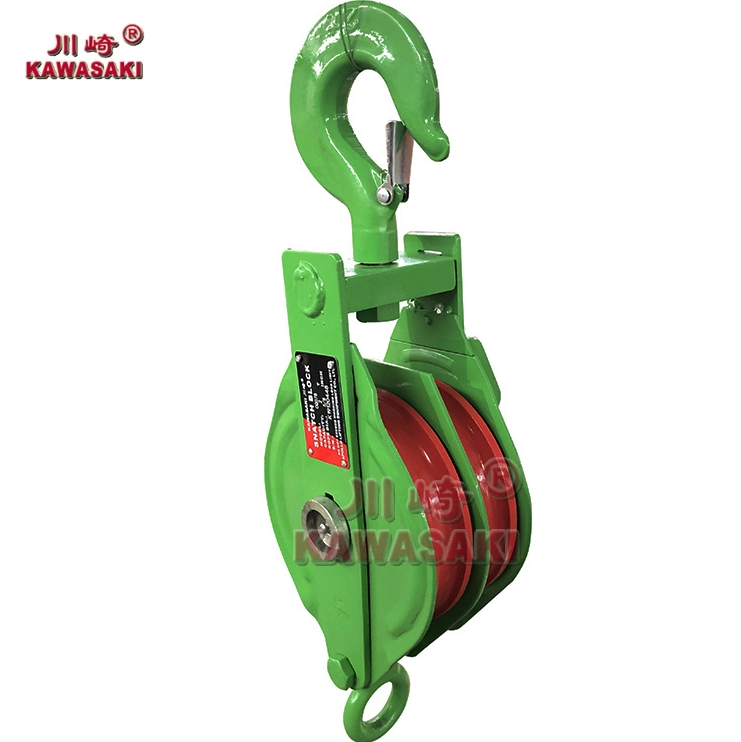
A chain pulley block functions as a lifting device that utilizes one or several wheels (pulleys) to alter force direction and lessen the work required to hoist substantial loads. Rather than depending on an inner stopping device like a hoist, it emphasizes leverage benefits.
Folks typically use chain pulley blocks for setup work, load guiding, or cases where items require direction more than constant up-and-down motion.
Apollo Hoist provides sturdy versions like the KAWASAKI Pulley Block CQ and KAWASAKI Pulley Block WTS. These units boast high load limits, with capacities from several tons to very heavy lifting needs. Traits such as coated surfaces, ISO-approved production, and excess load checks prepare them for harsh settings.
Grasping this variation lays groundwork for a closer look at how these tools perform in actual job scenarios.
Auxiliary Equipment For Lifting Applications
In various lifting configurations, neither tool operates solo. Add-ons hold a key role in boosting motion and placement.
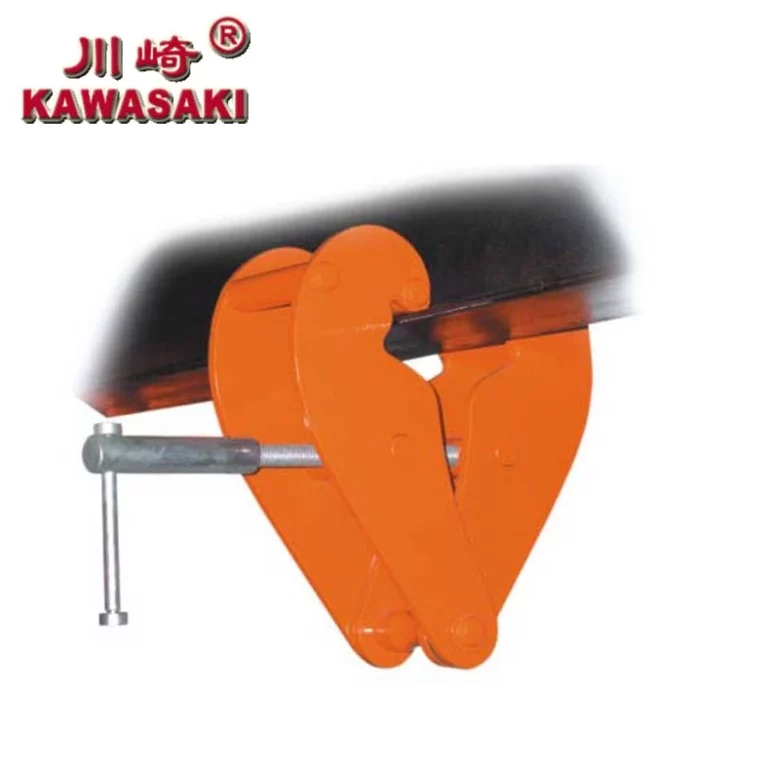
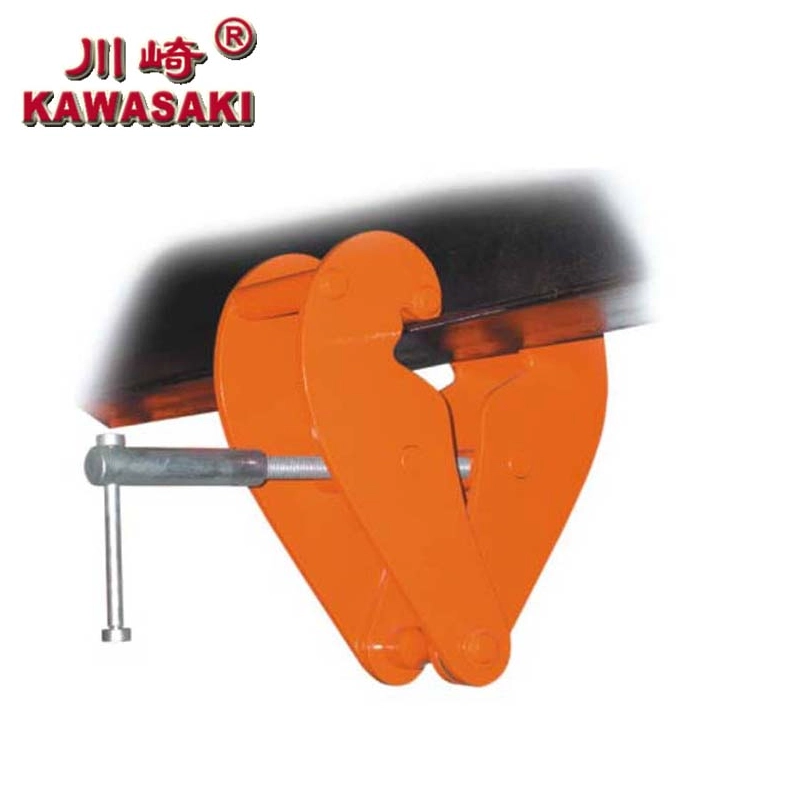
For instance, the KAWASAKI Beam Trolley TBC enables manual hoists or pulley blocks to move easily along an I-beam. Consequently, this changes a stationary lift spot into a versatile overhead arrangement, cutting down on hand adjustments and preserving time during multiple raises.
Now that the core explanations stand clear, focus can move to how these tools vary in everyday tasks.
How Do They Differ In Operation And Use?
Even if both tools involve chains and hand power, their on-the-job feel differs greatly. Such variations impact output, worker exhaustion, and protection.
Operation Mechanism And Load Control
Manual hoists depend on a sealed gear and brake arrangement. After raising the load, the brake secures it right away. As a result, upright lifting stays firm and foreseeable, particularly during brief halts.
In contrast, chain pulley blocks lean more on worker guidance and leverage gains. They excel at sharing load mass but pay less attention to detailed upright placement.
That is precisely why operators pick manual hoists for regular raising jobs, whereas they prefer pulley blocks for preparation, setup, or sporadic strong tugs.
Mobility And Installation Requirements
Manual hoists come in small sizes and mount simply. Workers can attach them to hooks, beam holders, or carts with little preparation.
On the other hand, pulley blocks demand more forethought. Setup spots, anchor durability, and load directions all require review. Although this lengthens prep time, it also lets pulley blocks manage intricate lift routes that a basic hoist cannot handle.
This difference clarifies why the two tools cannot swap places directly.
Load Capacity And Efficiency Comparison
Chain pulley blocks generally manage very large loads with reduced hand work, particularly in setups with several wheels. Manual hoists, although robust, prioritize a mix of raise pace and command.
Apollo’s KAWASAKI Pulley Block CQ, featuring load levels up to vast amounts, gets chosen for intense factory raising where power ranks first. At the same time, the KAWASAKI Manual Hoist CK provides even smoother handling for ongoing raises inside its set limits.
Bearing these variations in view, selecting the proper tool turns more about the job than personal taste.
When Should You Choose Manual Hoist?
Manual hoists perform best in cases where command, protection, and repetition count heavily.
Simple Vertical Lifting Needs
For direct upward and downward raising, manual hoists prove tough to surpass. Their stopping setup maintains loads firm, even amid breaks.
Limited Space Or Portability Required
Since manual hoists stay small and simple to carry, they suit upkeep groups and on-the-go repair duties well.
Cost Sensitive Applications
Lacking engines or power setups, manual hoists deliver extended use with minimal upkeep expenses. Therefore, they form a sensible pick for operations watching budgets closely.
Yet, as job settings shift, certain duties require an alternate method.
When Is Chain Pulley Block The Better Option?
Chain pulley blocks fit best when raising issues exceed basic upright shifts.
Heavy Duty And High Load Tasks
In cases of massive loads, pulley blocks cut physical strain and divide force over various spots.
Extended Continuous Use Scenarios
Pulley blocks manage fixed or gradual loads effectively, above all in prolonged prep phases.
Integration With Trolley Systems
When paired with beam carts, pulley blocks permit side-to-side travel over wide areas, aiding adaptable setup frameworks.
Knowing these advantages aids in steering clear of unfit gear at work sites.
How To Choose The Right Lifting Gear For Your Project?
Deciding between a manual hoist and a chain pulley block hinges on actual job settings, beyond just load mass.
Evaluate Load And Frequency Requirements
Ongoing raises with average loads suggest manual hoists. Rare heavy raises lean toward pulley blocks.
Consider Working Environment
Factors like dirt, moisture, heat levels, and room limits all shape tool selection. Apollo’s KAWASAKI items feature lasting coatings and checked parts to cope with rough conditions.
Match With Accessories And Safety Needs
Carts, holders, and setup add-ons frequently decide which tool suits a framework best. Apollo Hoist supplies a broad array of matching options to assemble full lifting systems.
Conclusion
Manual hoists and chain pulley blocks do not represent identical tools under varied labels. Each carries its distinct aim, advantages, and fitting job settings.
Manual hoists center on command, protection, and repeated upright raising. Chain pulley blocks stand out in intense setup work and leverage edges. Through Apollo Hoist’s KAWASAKI lifting lineup, purchasers avoid trade-offs. One can pick the suitable tool per duty, supported by established standards, approvals, and ongoing aid.
FAQ
Q1: Can a chain pulley block replace a manual hoist?
A: Not usually. A pulley block misses the exact stopping and command essential for regular upright raising.
Q2: Are manual hoists safe for heavy industrial use?
A: Indeed, if correctly rated. KAWASAKI manual hoists undergo rigorous quality tests and fit numerous factory duties.
Q3: Should a beam trolley be used with both tools?
A: Beam trolleys boost movement for both manual hoists and pulley blocks, particularly in overhead raising systems.