In the field of lifting and material handling, deciding between a manual chain hoist and an electric hoist impacts daily output, worker expenses, and future equipment strategies. Places like warehouses, shops, building sites, and assembly lines often wonder if a manual chain hoist suffices or if switching to electric lifting makes sense.
As a trusted supplier of hoisting equipment under the KAWASAKI brand, Hangzhou Apollo Lifting Machinery offers both manual and electric options with complete OEM and customization services. Supported by years of expertise and ISO9001 quality control, the firm aids worldwide dealers and project teams who seek dependable lifting gear that performs reliably.
What Are Manual Chain Hoists?
Prior to examining the contrasts, it proves useful to grasp what a manual chain hoist truly is and how it suits routine lifting duties.
Definition And Basic Principle
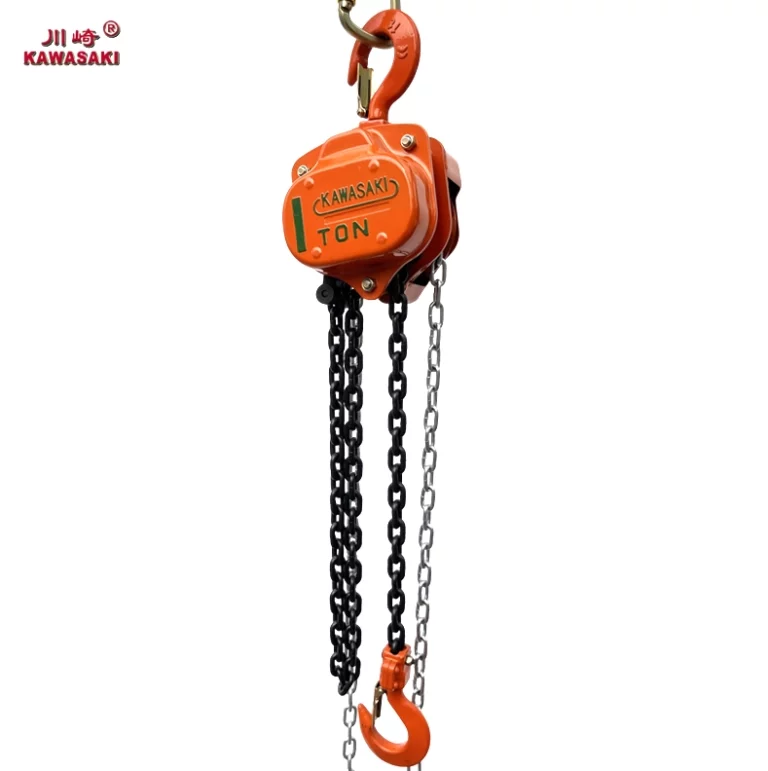
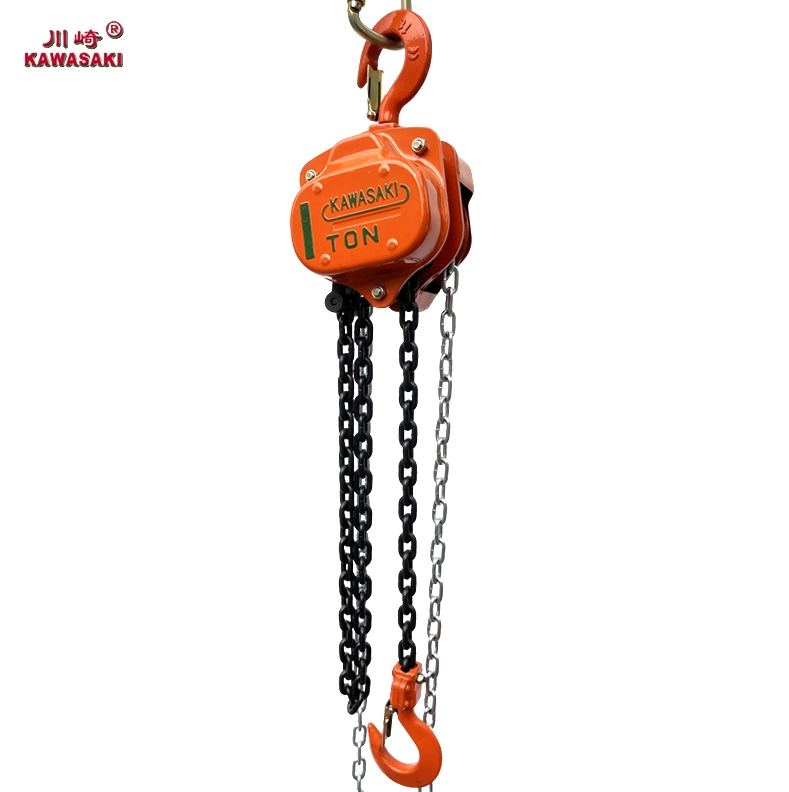
A manual chain hoist serves as a mechanical lifting tool that works by pulling a hand chain. As the user tugs the chain, inside gears turn and raise the load chain via a braking setup. Thus, the load ascends gradually through manual effort.
It lacks a motor, power line, or control board. Instead, it features only gears, hooks, load chain, and a brake arrangement. Due to this straightforward build, manual chain hoists find broad use in spots without power or for infrequent rather than ongoing lifts.
Key Features Of Manual Hoisting
These hoists stand out for their small footprint and robust build. Moreover, they transport easily, mount simply on beam trolleys, and require little upkeep. Upkeep often involves just chain oiling and brake checks.
Options such as the KAWASAKI MANUAL HOIST CHAIN HOIST TD and KAWASAKI MANUAL HOIST CHAIN HOIST VC from Hangzhou Apollo Lifting Machinery allow tailoring of chain materials (T80, T100), finishes like galvanizing or blackening, and extras including load limits or scale integration. Such adaptability appeals to OEM purchasers.
Applications In Industry
Manual chain hoists commonly appear in storage areas, modest plants, farm shops, and repair zones. They also suit short-term sites and fix-up jobs where weights stay moderate and lifts occur at a fair pace.
For builders focused on expense management and toughness, these hoists provide a sensible choice. Since they avoid electricity dependence, they prove handy in distant or tough settings.
What Are Electric Chain And Wire Rope Hoists?
When lifting needs grow, manual handling turns sluggish and taxing on the body. At that point, electric hoists step in effectively.
Definition And How They Work
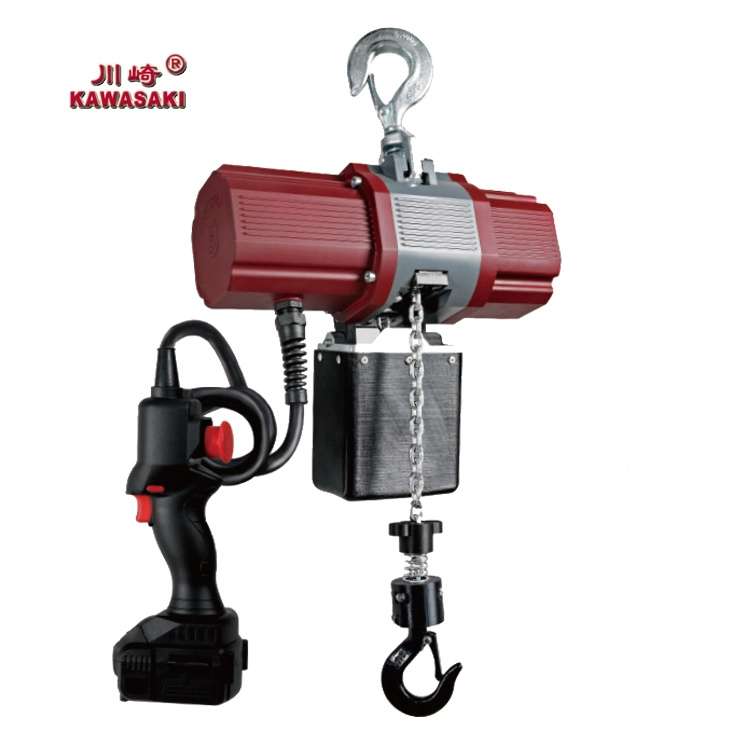
An electric hoist employs a motor to power either a load chain or wire rope. The user directs the lift via a pendant or remote device. Upon pressing a button, the motor spins and drives the lifting part.
Electric chain hoists handle mid-range weights well, whereas electric wire rope hoists manage bulkier loads and taller lifts.
Models like the KAWASAKI ELECTRIC HOIST ELECTRIC CHAIN HOIST KKBB and KAWASAKI ELECTRIC HOIST ELECTRIC WIRE ROPE HOIST DC from Hangzhou Apollo Lifting Machinery accommodate single-phase or three-phase power from 110V to 575V, plus choices for explosion-proof, dust-resistant, and variable speed features.
Electric Hoist Advantages
Electric hoists provide quicker ascent rates and superior output. They handle multiple tons with little strain on the user. In factories, performing lifts many times hourly would prove impractical manually.
Furthermore, electric hoists incorporate safeguards like overload guards, end stops, and brakes. Automated options such as dual-speed or inverter controls ensure gentler handling.
Common Uses In Modern Lifting Tasks
Electric hoists see frequent use in assembly lines, metalworking areas, shipping hubs, and building ventures. Often, they attach to overhead cranes or single-rail setups for ongoing lifts.
In big operations, electric hoists go beyond mere aid. They become essential tools.
How Do Manual And Electric Hoist Working Principles Differ?
While both raise loads straight up, their main inner workings vary notably.
Manual Hoist Mechanical Operation
Manual hoists use gear systems powered by the puller’s strength. The brake holds the load steady once pulling ceases. This setup stays basic yet reliable. Without a motor, ascent pace relies fully on the user’s power and timing.
Electric Hoist Motorized Drive System
Electric hoists depend on a motor paired with gears. Electrical energy turns the lifting parts at set rates. As a result, they deliver steady results even as the user tires. For instance, the wire rope hoist DC model fits taller rises and weightier factory loads.
Energy Source And Effort Comparison
Manual hoists draw on bodily energy. Electric ones use grid power. This core contrast alters output, tiredness levels, and task flows entirely.
For sporadic raises of fair weights, manual hoists work fine. Yet for repeated, demanding jobs, electric hoists ease bodily stress and hasten work notably.
How Do Manual And Electric Hoists Compare In Performance?
Real-world output highlights the gaps clearly.
Load Capacity And Speed
Electric hoists typically bear larger weights and reach greater heights. Certain electric units manage dozens of tons and climb meters swiftly.
Manual hoists suit lighter capacities and gentler paces. They remain stable but lack quickness.
Operating Efficiency And Labor Requirement
Manual hoists demand steady tugging. Over extended periods, this builds user weariness.
Electric hoists cut down on bodily work. Thus, a single user handles lifts more easily, particularly in frequent scenarios.
Precision, Control And Safety Performance
Electric hoists enable finer placement with speed adjustments. Additions like overload safeguards boost security further.
Manual hoists offer mechanical reliability through brakes, though they miss automatic defenses.
Which Hoist Type Should You Choose For Your Application?
Selection hinges on lift rate, funds, surroundings, and weight needs.
Best Scenarios For Manual Hoists
Manual hoists fit low-rate lifts, upkeep jobs, farm areas, and brief setups. They save money and shift locations readily.
The TD and VC manual chain hoists from Apollo use sturdy alloy steel and include tailoring choices that rivals often skip.
Best Scenarios For Electric Hoists
Electric hoists suit assembly lines, busy storage spots, and tough lift projects. The KKBB electric chain hoist works for mid-level factory raises, while the DC wire rope hoist tackles bulkier weights and extended reaches.
Factors To Consider When Selecting
Weigh capacity for lifts, height of raises, task frequency, power access, and ongoing costs. Factor in tailoring requests too. Apollo delivers OEM labels, power choices, finish options, and packing setups. Such versatility aids dealers crafting their gear ranges.
Summary: Manual Vs Electric Hoist Key Takeaways
Manual chain hoists stay basic, tough, and budget-wise. They handle small or rare lift needs well.
Electric chain and wire rope hoists yield better output, larger capacities, and stronger results in tough factory settings.
The proper pick relies on your task load and site factors. For numerous firms, both sorts serve varied units. A mixed gear plan often beats sticking to one alone.
FAQ
Q1: Is a manual chain hoist safer than an electric hoist?
A: Both stay secure with proper use. Manual types use mechanical brakes, whereas electric ones include overload blocks and end limits. Overall, electric hoists bring more integrated safeguards for intense work.
Q2: When should a wire rope hoist be chosen instead of a chain hoist?
A: Wire rope hoists suit bulkier weights and taller raises. They appear often in vast plants and crane arrays needing fast, firm lifts.
Q3: Does Apollo provide OEM services for hoists?
A: Yes. Hangzhou Apollo Lifting Machinery supplies OEM and ODM aid, with label work, power tailoring, packing plans, and finish choices. This aids dealers shaping their own lifting gear lines