
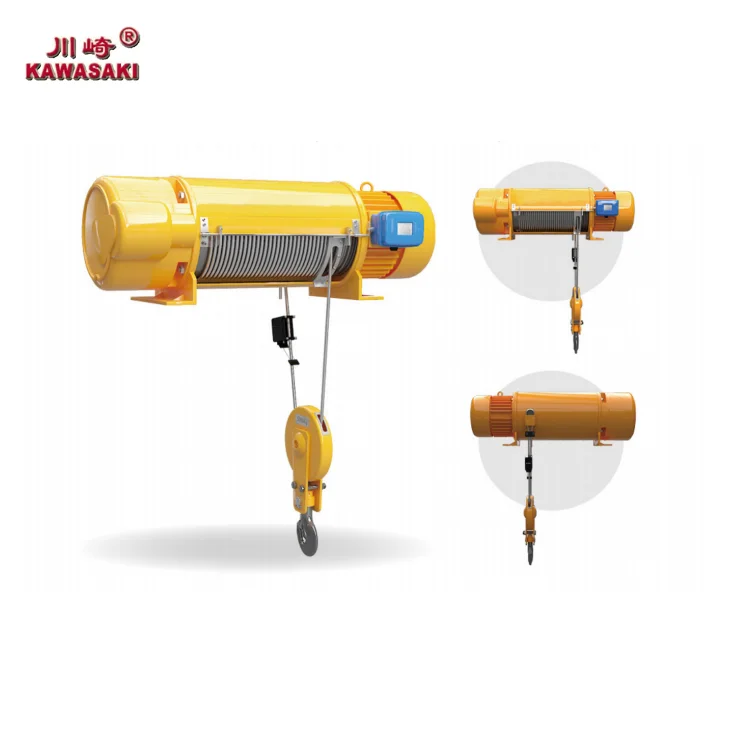
Introduction: Why Proactive Maintenance is a Strategic Imperative
In the demanding environments of manufacturing, construction, warehousing, and heavy industry, the wire rope hoist stands as a workhorse of material handling. As leading hoist manufacturers and wire rope hoist suppliers, we at Hangzhou Apollo Lifting Equipment Co., Ltd. understand that your hoist is more than just a tool—it is a critical asset driving productivity, ensuring workplace safety, and impacting your bottom line. Unplanned downtime due to hoist failure can halt production lines, delay projects, and incur significant repair costs and safety risks.
This guide moves beyond basic operational instructions to delve into the comprehensive framework of wire rope hoist maintenance. Our goal is to empower you, the operational leaders, project engineers, and procurement managers, with a professional, actionable blueprint. By adopting a systematic maintenance regimen, you transform from reactive fixers to proactive reliability managers. For over [Number] years, Apollo has not only been at the forefront as electric wire rope hoist manufacturers but also as partners committed to providing lifelong industrial lifting solutions through knowledge sharing and unparalleled support.
Chapter 1: The Pillars of Effective Hoist Maintenance – A Structured Approach
Effective hoist maintenance is not a random checklist; it is a hierarchical strategy built on three pillars:
-
Routine Daily/Pre-Use Inspections: Conducted by operators, focusing on immediate safety and function.
-
Periodic Scheduled Maintenance: Performed weekly, monthly, or quarterly by trained in-house technicians, focusing on wear and adjustment.
-
Professional/Annual Thorough Inspection: Executed by certified specialists or the manufacturer’s service team, involving in-depth analysis, load testing, and component certification.
This structure ensures that minor issues are caught before they escalate, optimizing the performance of every electric chain hoist or electric wire rope hoist in your facility.
Chapter 2: The Operator’s Duty – Daily and Pre-Use Checks
Before the first lift of the day, a trained operator should perform these critical visual and functional checks. This is the first and most crucial line of defense.
-
Wire Rope Inspection: Look for signs of wear, broken wires, kinking, crushing, or corrosion. Follow the ASME/ISO standards for discard criteria (e.g., number of broken wires in a strand lay).
-
Hook and Latches: Check for deformation, cracks, or excessive throat opening. Ensure the safety latch springs back properly and is not damaged.
-
Limit Switches: Test both upper and lower limit switches to ensure they automatically stop the hoist at its defined travel endpoints.
-
Control Operation: Test the pendant or remote control for responsive and correct directional movement. Listen for unusual sounds.
-
Brake Performance: Perform a “brake check” by lifting a light load a short distance and stopping. The load should hold without drifting.
-
General Condition: Look for loose bolts, leaks (hydraulic or gear oil), and damage to the housing or cord.

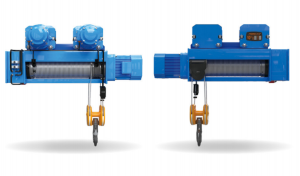
Chapter 3: The Technician’s Role – Periodic Scheduled Maintenance
This involves more detailed inspections and preventive actions, typically documented on a maintenance log. Key tasks include:
-
Lubrication: Follow the manufacturer’s manual to lubricate the wire rope (with the specified type of lubricant), gearbox, and bearings. This is vital for heavy lifting hoist suppliers‘ equipment, which endures high stress.
-
Electrical Components Inspection: Check motor terminals, contactors, and overload protections for signs of arcing, overheating, or loose connections. For electric hoist for mining operations or other harsh environments, this includes checking conduit seals and IP ratings.
-
Mechanical Alignment & Fasteners: Verify the alignment of the hoist on its beam (for warehouse overhead crane applications) and ensure all structural fasteners are torqued to specification.
-
Load Test (Periodic): Conduct functional tests with a load at or near capacity to verify performance under stress, a practice equally critical for industrial hand winch and motorized units.
-
Detailed Brake Adjustment: Measure brake lining wear and adjust the braking torque as per technical specifications to ensure safety margins are maintained.
Chapter 4: Professional Service – The Deep Dive Inspection
Annual or semi-annual inspections by qualified personnel are non-negotiable for safety and warranty compliance. This is where the expertise of your hoist suppliers and original crane hoist manufacturers becomes invaluable. Apollo’s global service network provides this critical layer, which includes:
-
Disassembly and Internal Inspection: Examining gears, bearings, and shafts for wear not visible externally.
-
Electrical Integrity Testing: Insulation resistance (megger) tests on the motor and circuit testing to prevent future failures.
-
Calibration: Precise calibration of all safety devices, including limit switches and overload sensors.
-
Documentation and Certification: Providing a formal inspection report and certificate, a key requirement for compliance and insurance. This professional audit is what sets apart top hoist manufacturers in their commitment to client lifecycle value.
Chapter 5: Beyond the Hoist – Integrating Maintenance into a Holistic System
A wire rope hoist often works as part of a larger system. Effective maintenance extends to:
-
The Crane Structure: Inspecting the overhead crane manufacturers‘ bridge and end trucks for alignment, rail wear, and wheel conditions.
-
Supporting Components: Checking lifting clamp manufacturers‘ products or magnetic lifter suppliers‘ devices if used with the hoist.
-
The Operating Environment: Managing factors like dust, moisture, and temperature extremes that accelerate wear, a consideration we emphasize as electric wire rope hoist manufacturers for diverse global industries.
Chapter 6: Leveraging Technology and Best Practices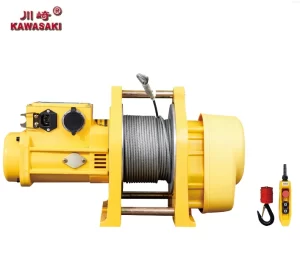
The future of maintenance is predictive. Leading industrial crane manufacturers are integrating sensors for condition monitoring. While not yet universal, best practices today include:
-
Digital Logbooks: Moving from paper to digital records for better tracking and trend analysis.
-
Spare Parts Strategy: Partnering with reliable crane parts suppliers to ensure genuine, compatible parts are available, reducing downtime. Apollo maintains a robust supply chain for this exact purpose.
-
Operator Training: Continuous training is the cheapest form of maintenance. A skilled operator is the best diagnostic tool.
Conclusion: Partnering for Peak Performance and Safety
A meticulously maintained wire rope hoist is a safe, productive, and cost-effective asset. It reflects a culture of safety and operational excellence. As one of the leading crane manufacturers and dedicated hoist lift manufacturers, Hangzhou Apollo Lifting Equipment Co., Ltd. offers more than just premium equipment—from robust Industrial manual hoists to sophisticated electric wire rope hoists. We offer a partnership grounded in engineering expertise, stringent quality control from our factories, and a global service ethos.
Whether you are evaluating crane for warehouse upgrades or complex construction crane projects, let this guide be your foundation. For tailored maintenance schedules, genuine parts, or expert service, reach out to the Apollo team. Let us help you lift your operations, safely and efficiently, for years to come.