Introduction
Why Electric Hoist Lifespan Matters in Modern Industrial Lifting
The worldwide drive toward automation and accuracy has turned electric hoists into essential tools for industrial lifting. In places like factories and logistics centers, these machines manage countless lifting tasks each day. But as 2026 draws near, the need to cut downtime and repair expenses keeps growing. Plenty of sites deal with unexpected halts just because their electric hoists lack good care or get pushed past safe boundaries.
Improper operation—such as overloading or neglecting lubrication—can quickly shorten equipment life. Every hour of downtime means lost productivity and higher repair bills. For this reason, businesses are picking strong options like Apollo electric hoists. These are made for tough industrial lifting jobs, with toughness and strong performance as key focuses.
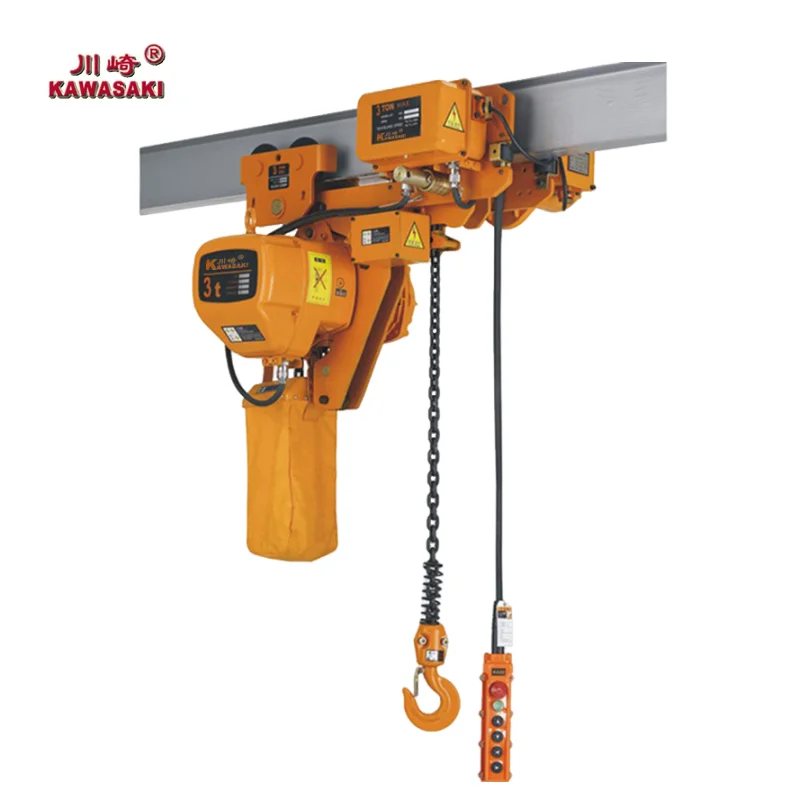
Electric hoists offer these benefits compared to hand chain hoists: greater lifting power, higher lifting height, higher work efficiency, worse working environment adaptability, higher degree of automation, and stronger safety. Such traits suit them well for steady industrial work, especially when combined with solid hoist maintenance habits.
The Relationship Between Hoist Efficiency, Safety, and Maintenance
Overheating, overloads, and skipped inspections rank high among reasons for hoist breakdowns. In modern factories using smart production setups by 2026, spotting problems early through maintenance is turning into a common method to lower dangers before they grow. Good running practices—like sticking to work cycles and watching load states—not only boost safety but also lengthen the life of each electric hoist in use.
Mistake #1 – Overloading Beyond Rated Capacity
Why Overloading Remains One of the Biggest Hoist Problems
Workers frequently go over the set load limits in busy times or misjudge the true weight of items being raised. In quick-moving industrial lifting spots, like metal workshops or building sites, this error happens often and brings high costs.
How Overloading Damages Electric Hoists
Using a hoist with too heavy a load speeds up motor damage. It pulls wire ropes or chains past their planned stretch. Brakes wear out, and gearboxes suffer harm. Steady overloads can cause major system breakdowns.
How Modern Safety Features Help Prevent Overload Risks
Today’s electric hoists include weight sensors and overload guards that stop work automatically if conditions turn risky. Limit switches serve as extra protections against travel-too-far mishaps. Steady checks on capacity keep things dependable over the years.
Mistake #2 – Ignoring Duty Cycle Requirements
Understanding Duty Cycle in Electric Hoist Applications
Each electric hoist is designed for a specific duty cycle—some for intermittent use (like warehouse loading), others for continuous production lines. Ignoring these specifications leads to overheating and reduced efficiency.
What Happens When Duty Cycle Limits Are Ignored
If workers keep a basic-duty hoist going without breaks, motors get too hot. Electrical parts tire out quicker. This leads to slower raises and early breakdowns.
Choosing the Right Electric Hoist for Different Workloads
- Warehouses: Pick mid-level models that handle many starts and stops well.
- Manufacturing lines: Go for steady-duty types with good cooling setups.
- Heavy industry: Select powerful units with toughened motors and brake systems.
Mistake #3 – Improper Use of Lifting Angles and Load Positioning
Why Proper Load Alignment Matters
Rules for straight-up lifting are there for good cause. Pulls at odd angles put uneven strain on hooks and hanging spots. Keeping hooks lined up right brings steady balance during the whole raise.
Common Lifting Mistakes Operators Still Make
Even skilled workers at times do side pulls or raise loads that sit unevenly. Quick tugs or wrong hook spots can lead to mismatches between drum slots and wire ropes.
Structural Damage Caused by Incorrect Lifting Practices
Wrong angles cause drum rubbing, wire rope scraping, extra strain on bearings, and weaker running safety. All this can be avoided by placing loads correctly.
Mistake #4 – Neglecting Routine Inspection and Lubrication
Critical Components That Require Regular Inspection
Everyday looks should cover:
- Load chains or wire ropes for signs of wear or rust
- Bearings for odd sounds or shakes
- Brakes for quick response
- Hooks for bends
How Poor Lubrication Shortens Hoist Lifespan
Lacking good oiling raises friction and heat in gears and bearings. This speeds up metal tiredness. It also brings rust, mainly in damp areas. That leads to stiff chains or uneven moves.
Building an Effective Hoist Maintenance Schedule
A structured schedule includes daily visual inspections combined with periodic preventive maintenance intervals (weekly or monthly). Documentation helps track wear patterns over time—a cornerstone of predictive maintenance strategies in 2026 factories.
Mistake #5 – Ignoring Wire Rope or Chain Replacement Intervals
Why Worn Lifting Components Create Serious Risks
Rust spots cut down strength; tiny cracks from tiredness grow quietly until a big break happens in key lifts. This brings big safety threats.
Warning Signs That Indicate Immediate Replacement
Look for snapped strands in wire ropes, chain stretching past allowed points, surface splits from heavy use, or bent links from bad winding.
Best Practices for Replacement and Compliance
Stick to maker-suggested swap times based on run hours, not just dates. Hold onto check logs that meet ISO9001 rules. This quality mark guides many makers, including Apollo’s partners.
Apollo has passed ISO9001 quality system certification and obtained European Community CE/GS safety certification.
Mistake #6 – Exposing Electric Hoists to Harsh Operating Environments
Environmental Factors That Reduce Equipment Durability
Strong dampness encourages rust. Dust blocks air paths. Wild temperatures harm covering. Outside air speeds up decay. These all trim down working years if not handled.
How Harsh Conditions Affect Hoist Performance
Dust buildup can seal motor air holes. Water soaks into wire coils, sparking shorts. Bearings dry out faster in hot swings, wearing gears down.
Protective Measures for Industrial Hoist Systems
Using IP-rated protection systems, corrosion-resistant materials, and regular cleaning procedures can improve long-term operational reliability. Extending equipment lifespan through proper environmental protection also supports more sustainable industrial maintenance practices by reducing unnecessary component replacement and material waste.
Apollo can provide customized chain surface treatments, including galvanized, nickel-plated, and blackened finishes, to improve corrosion resistance in demanding industrial environments.
Mistake #7 – Bypassing Safety Systems and Poor Electrical Management
Common Electrical and Safety Management Errors
Power swings from shaky grids hurt control wires. Skipping limit switches turns off key guards. Turning off locks risks overload crashes. All these can be dodged with steady electrical care.
How Electrical Problems Damage Electric Hoists
Often power jumps scorch switchers. Bad ground heats motors. Uneven phase setup causes auto stops in big raises. Each cuts trust over time.
Why Safety Systems Should Never Be Ignored
Limit switches block travel-too-far accidents. Overload relays guard worker safety and gear strength. This stays a must in all pro lifting jobs now.
How Predictive Maintenance Is Changing Hoist Management in 2026
The Rise of Smart Hoist Monitoring Systems
Sensors linked to the internet now track live details like heat jumps or shake issues before failures hit. This marks a big step to no-stop lifting in factories.
Benefits of Predictive Maintenance for Industrial Facilities
Spotting ahead cuts urgent fixes by up to 40%. It trims total care costs by timing part swaps right. Energy use drops with even motor runs. Overall gear life stretches a lot.
Why Skilled Operator Training Matters More Than Ever
Even with smart monitoring tools in place, human expertise remains irreplaceable. Trained workers stick to set steps that cut wrong uses. They keep safety sharp across work turns.
Why Apollo Electric Hoists Support Long-Term Industrial Performance
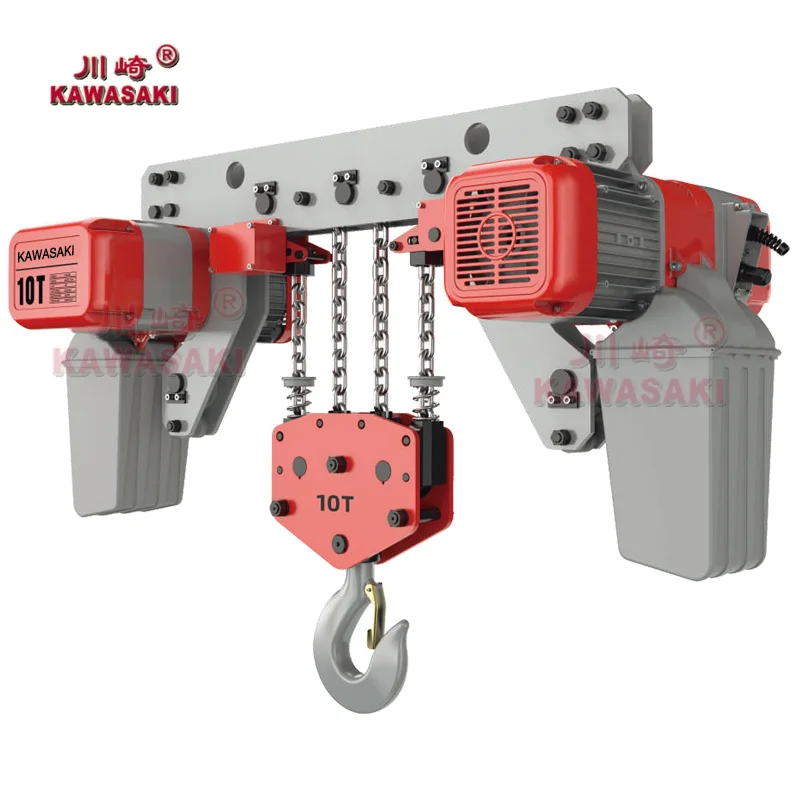
Features Designed for Heavy-Duty Industrial Lifting
Apollo’s electric hoists have solid overload guards, lasting lift parts from top alloys, firm brake setups for steady runs, and simple-reach designs for easy fixes. All built for long use in hard spots.
Apollo’s products are of reliable quality and fashionable style, and are favored by customers at home and abroad.
Apollo Electric Hoist Solutions for Different Industries
From manufacturing facilities with repeat weights to metal shops needing exact raises in rough spots—Apollo’s lineup fits smoothly in storage shipping or building material tasks around the world.
Electric hoists are usually equipped with safety devices such as safety limit switches and overload protection devices which can improve safety.
Long-Term Benefits of Choosing Reliable Hoist Equipment
Steady hoists cut stop times with less breaks. They ease care through piece-by-piece builds. Output rises with smooth controls. In the end, they give reliable work year after year, even in tough loads common in today’s industrial lifting fields.
Conclusion
Extending electric hoist lifespan in 2026 requires more than routine operation. Proper load management, preventive maintenance, environmental protection, and operator training all play important roles in reducing downtime and improving industrial lifting safety.
As lifting operations become more demanding, businesses are increasingly focusing on reliable, maintenance-friendly hoist systems that support long-term productivity and sustainable equipment management. Apollo provides electric hoist solutions designed for modern industrial lifting applications. For factories seeking safer and more efficient lifting systems, Apollo’s team can help identify suitable hoist solutions based on specific operational requirements.
FAQs
Q1: How often should an electric hoist undergo preventive maintenance?
A: Preventive maintenance should occur monthly under normal workloads but weekly under heavy-duty cycles where continuous operation is common in industrial lifting environments.
Q2: What are the early signs that an electric hoist requires servicing?
A: Unusual noise during operation, slower lifting speeds, visible chain corrosion or oil leakage around gearboxes indicate immediate inspection needs within standard hoist maintenance schedules.
Q3: Can voltage fluctuations affect electric hoist lifespan?
A: Yes—unstable voltage leads to contactor damage and overheating motors which shorten overall lifespan dramatically if not stabilized using proper surge protection devices.
Q4: What protection measures are recommended for outdoor electric hoists?
A: Use weatherproof covers combined with corrosion-resistant coatings such as galvanized chains plus regular cleaning intervals especially during humid seasons to preserve durability outdoors.
Q5: Why is proper load positioning important in industrial lifting operations?
A: Correct vertical alignment prevents side loading stress that causes drum wear or rope distortion ensuring safer lifts while prolonging component life within any electric hoist system used professionally today.