
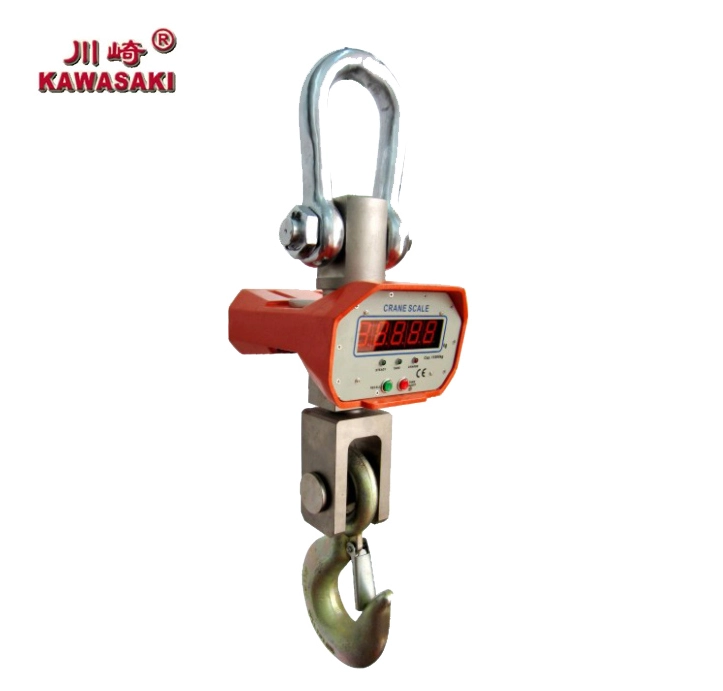
Precise crane scale calibration serves a subtle yet vital function in lifting tasks. In places like factories, shipping areas, metal working facilities, or building sites, these scales influence safety choices, expense management, and routine productivity. A minor inaccuracy in weight measurements might cause overload dangers, turned-away deliveries, or regulatory issues.
For businesses handling substantial loads, trustworthy gear counts as much as proper calibration routines. Apollo Hoist, via its KAWASAKI crane scale lineup, delivers industrial clients with solid weighing options crafted for tough settings. Grasping how calibration functions, its significance, and how suitable crane scales aid precision cuts down errors before they appear on location.
What Are The Key Steps In Crane Scale Calibration?
Crane scale calibration goes beyond a simple button push. It forms a managed procedure that begins well before test weights come into play and extends after measurements get noted. A straightforward, sequential method ensures outcomes stay consistent and reproducible.
Prior to exploring the steps, it pays to recognize that many calibration flaws arise from overlooked fundamentals instead of defective devices. Solid practices yield the greatest impact.
Essential Pre-Calibration Checks
Prior to starting calibration, the crane scale requires a brief condition review. Inspect the power source, screen visibility, and attachment points for any obvious harm. Dirt, grease traces, or dampness accumulation might disrupt detectors and alter measurements.
Surrounding factors count more than numerous workers anticipate. Intense airflow, shakes from close equipment, or irregular suspension spots can all bring minor inaccuracies. Perform calibration in a quiet, steady space when feasible.
Devices such as the KAWASAKI CRANE SCALE OCS+ feature a built-in load framework and protected control interface, which minimizes outside disruptions. Options like excess load alerts and power level indicators enable users to detect troubles soon, even prior to calibration initiation.
Standardized Calibration Procedures
After finishing pre-checks, calibration ought to adhere to a set routine with verified test weights. Verify zero and reset features before adding loads, and place weights slowly rather than in one go.
Reliability plays a key role at this point. Employing identical weight order and attachment locations every instance fosters dependable outcomes. Altering approaches during the task frequently leads to mix-ups when figures vary a bit.
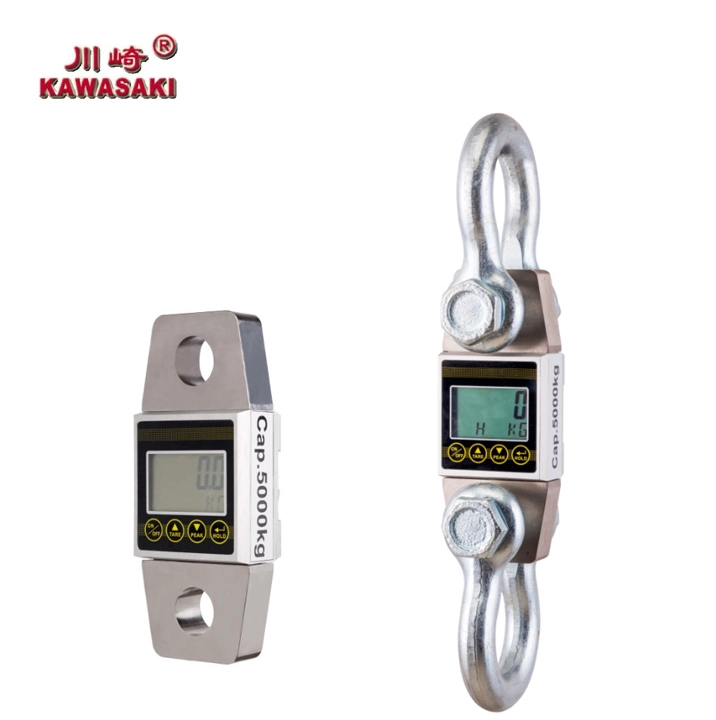
The KAWASAKI CRANE SCALE OSC+ facilitates steady calibration due to its bright LCD screen and detail adjustment capability. This lets experts adjust measurements and verify correctness over various load levels without speculation.
Post-Calibration Verification Practices
Calibration wraps up not merely when figures appear correct. A confirmation phase ensures the scale operates precisely under multiple loads. Reapply test weights in varied orders to assess reliability.
Documenting findings forms another element of the routine. Maintaining calibration records aids in monitoring extended patterns and identifying slow sensor shifts before they turn into major concerns. In operations across several locations, such information often backs reviews and safety evaluations.
Apollo’s crane scales prioritize on-site usability, which simplifies post-calibration reviews without needing intricate outside tools.
Why Is Calibration Important For Crane Scale Accuracy?
Certain workers view calibration as merely a regulatory duty instead of a capability enhancer. In truth, steady calibration bolsters secure lifting, fluid operations, and reduced sudden halts.
Comprehending calibration’s effects aids in validating the effort invested in it.
Ensuring Precision And Safety
Exact weight data ties straight to lifting security. Excess-loaded cranes or lifts heighten stress on cables, fasteners, and drives, boosting chances of abrupt breakdowns.
A well-tuned crane scale offers assurance that shown weights align with actual burdens. Elements like surplus load notifications on the KAWASAKI CRANE SCALE OCS+ serve as an additional safeguard, alerting users before thresholds get exceeded.
Reducing Operational Downtime
Sudden gear interruptions frequently stem from faulty load details. Wrong weight estimates result in denied lifts, harmed items, or structural stress that demands repair pauses.
Ongoing calibration prevents such hitches. When crane scales yield firm readings, workers devote less time to re-verifying burdens and more to shifting goods.
Optimizing Load Measurement Performance
Although “flawless precision” seems perfect, practical output focuses on steadiness. Calibration maintains figures foreseeable across periods, personnel, and work areas.
The KAWASAKI CRANE SCALE OSC+, equipped with detail shift and screen retention, aids straightforward exchange among workers and managers. When all view matching values, choices speed up and conflicts decrease.
How Often Should You Calibrate Your Crane Scale?
Calibration timing hinges on usage method and location. No universal standard suits all tasks, yet certain principles hold true in diverse fields.
Scheduling calibration ahead cuts uncertainty and abrupt pauses.
Routine Calibration Schedule
In typical work settings, calibrate crane scales at minimum every 6 to 12 months. Sites with intense activity or substantial burdens might need closer intervals.
Apollo clients in metal processing, transport, or assembly typically sync calibration timelines with gear assessments. This renders pauses foreseeable rather than spontaneous.
Event-Triggered Calibration Guidelines
Specific occurrences demand prompt retuning. These encompass excess load events, unintended falls, noticeable harm, or shifts in suspension setups.
Even moving a crane scale across work zones can warrant retuning. Jolts and tremors in travel could impact inner parts, particularly in aged units.
Long-Term Maintenance Planning
Calibration fits within a wider upkeep plan. Merging calibration notes with review details assists in pinpointing when a scale approaches its operational limit.
KAWASAKI crane scales from Apollo boast sturdy builds and undergo rigorous quality trials, which prolong tuning firmness over periods.
What Tools And Products Improve Calibration Results?
Calibration correctness relies on skill as well as device construction. Robust crane scales ease the task and lower mistake chances.
Apollo Hoist provides crane scales tailored for work dependability over sterile lab scenarios.
KAWASAKI CRANE SCALE OCS+ Features And Benefits
The OCS+ unit sees broad application in standard lifting and measurement duties. Its combined load setup lessens positioning troubles in tuning, while the water-resistant interface suits external or moist conditions.
Useful capabilities such as reset, format change, and automatic shutdown streamline everyday use. In tuning, the vivid LCD screen permits experts to validate figures without confusion.
For tasks emphasizing direct trustworthiness, OCS+ strikes a firm mix of output and ease.
KAWASAKI CRANE SCALE OSC+ Advantages
The OSC+ targets users needing greater command over detail assessment. Detail adjustment enables tuning over varied load spans, handy in combined-weight tasks.
Screen retention and surplus load alerts boost security and sight during tuning and active lifts. These elements cut assessment flaws from motion or suboptimal angles.
Accessory And Support Tools For Better Calibration
Verified test weights stay crucial, but staff instruction and defined routines hold equal weight. Apollo aids clients with expert advice and follow-up aid, assisting groups in using right tuning approaches in actual settings.
Paired with tough scale builds, this aid method enables clients to uphold correctness without elaborate arrangements.
What Common Calibration Mistakes Should Be Avoided?
Numerous tuning issues originate from routines over components. Sidestepping several typical errors can sharply enhance outcomes.
Improper Load Distribution Errors
Placing test weights off-balance or hastily can skew figures. Burdens must suspend loosely and hold firm during the entire routine.
Ignoring Environmental Influences
Breezes, quivers, and heat shifts impact detector responses. Tuning near running devices often yields uneven results.
Skipping Routine Verification Steps
Halting tuning once figures seem proper marks a frequent oversight. Confirmation reviews ensure correctness persists in ongoing application.
FAQ
Q1: Can crane scale calibration be done on site, or does it require a lab?
A: Most industrial crane scales, including KAWASAKI OCS+ and OSC+, are designed for on-site calibration using certified weights. A controlled environment is more important than a laboratory setting.
Q2: Does frequent calibration shorten the life of a crane scale?
A: No. Proper calibration does not damage the scale. In fact, regular calibration often helps identify issues early, extending service life.
Q3: What makes Apollo crane scales suitable for industrial calibration?
A: Apollo supplies KAWASAKI crane scales that are factory tested, CE approved, and designed with practical features like overload warnings, sealed panels, and stable load structures, making calibration simpler and more reliable in real work environments.