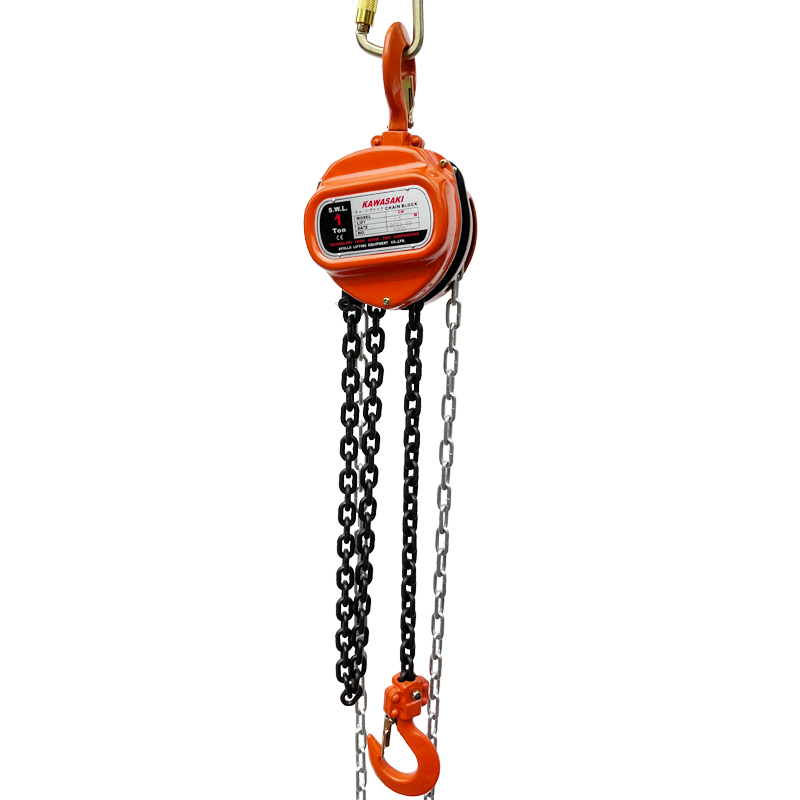
Load Capacity Is Not a Fixed Number in Real Industrial Work
In factory environments, chain hoist capacity is often treated as a simple label—1 ton, 2 ton, 5 ton. That number looks absolute, but in real lifting operations, it rarely behaves that way.
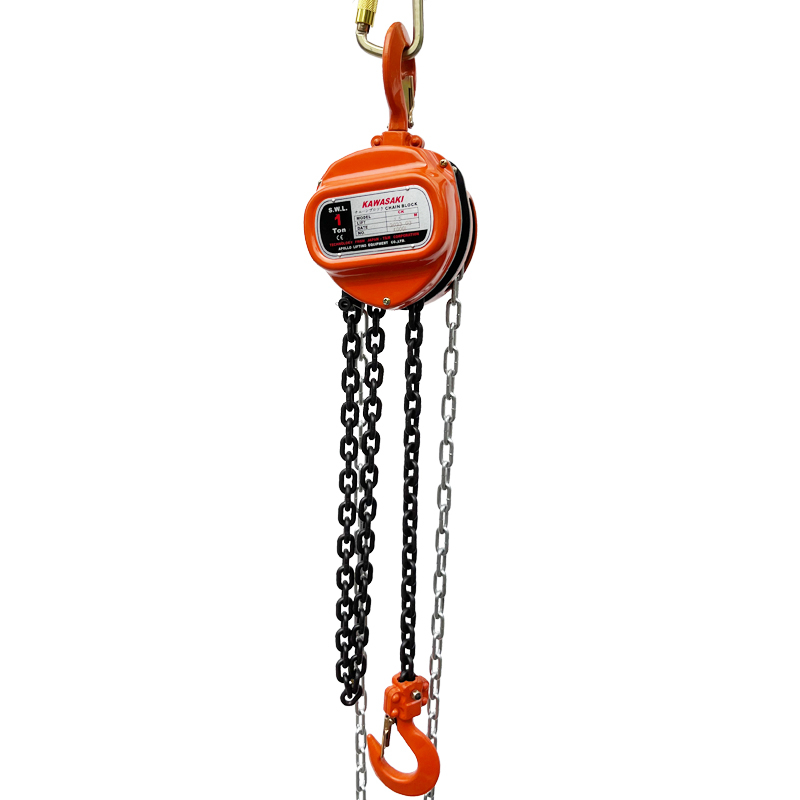
Once a load is attached, things start to change quietly. Rigging adds weight. Movement creates impact. Structural conditions reshape force distribution. Even operator behavior has an effect.
This is why industrial standards such as ISO 4301 and ASME B30 do not treat capacity as a standalone figure. Instead, they define it within operating conditions, duty classifications, and system boundaries.
Apollo manufactures chain hoists, electric chain hoists, lever hoists, and beam trolley systems for warehouse, construction, and industrial production environments, with ISO9001-controlled manufacturing and batch-level load testing before shipment.
Engineering Load Definition and Classification
Before any calculation begins, capacity must be interpreted correctly. In engineering practice, three load layers are always involved:
- Rated Load: nominal capacity under controlled test conditions
- Working Load Limit (WLL): operational maximum under defined conditions
- System Load: combined load of hoist, rigging, and structural support
In ISO 4301 classification logic, equipment is grouped according to load spectrum and usage intensity rather than static weight. ASME B30 series follows a similar principle, focusing on safe working boundaries under defined lifting behavior.
This means capacity is not a single number—it is a condition-based system value.
Core Calculation Model for Chain Hoist Capacity
Effective Load Formula in Industrial Applications
Effective Load = (Actual Load + Rigging Load) × Dynamic Behavior Factor
Where:
- Actual Load = object weight
- Rigging Load = hooks, slings, lifting accessories
- Dynamic Factor = motion and duty adjustment
Engineering Meaning of Each Load Component
Each part affects real lifting behavior:
- load weight defines base force
- rigging adds hidden structural load
- dynamic factor reflects motion impact
This is why static weight alone is not sufficient for selection.
Practical Warehouse Calculation Example
- Machine weight: 1.8 tons
- Rigging: 0.2 tons
- Dynamic factor: 1.2
Result: (1.8 + 0.2) × 1.2 = 2.4 tons
A 2-ton hoist becomes undersized under real working conditions.
Dynamic and Structural Adjustment Factors in Capacity Calculation
Once the base load is known, adjustments must reflect real working conditions.
Load Behavior Under Movement Intensity
In engineering practice, dynamic behavior is not a fixed constant. It changes with usage intensity:
- stable lifting with minimal movement creates low dynamic influence
- frequent start-stop operations introduce moderate impact
- continuous production cycles generate higher load variation
This is why capacity selection cannot rely on a single fixed multiplier. It must reflect how the hoist is actually used.
Structural Load Transfer Through Beam Systems
Chain hoists never operate alone. The load always passes through a structural system.
Key transfer points include:
- beam trolley movement path
- I-beam deformation under stress
- welding joints and connection points
- anchor integrity over repeated cycles
In older warehouse structures, the beam system often becomes the limiting factor before the hoist itself.
Environmental Influence on Working Capacity
Industrial environments introduce long-term variation in performance:
- dust increases friction inside chain links
- humidity accelerates corrosion on load-bearing parts
- temperature changes affect motor stability
- outdoor exposure increases braking wear
These factors do not immediately reduce rated capacity, but they affect usable lifespan and consistency.
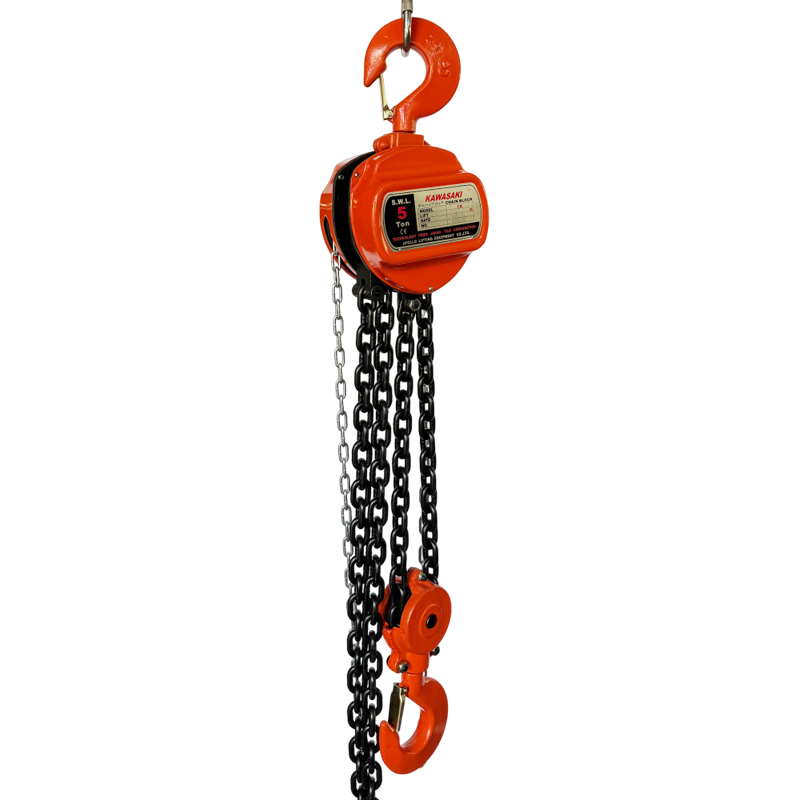
System Capacity Integration: Beam, Trolley, and Hoist Interaction
A common mistake in procurement is evaluating hoists in isolation.
In real engineering systems, capacity is shared across components:
- hoist unit defines lifting force
- trolley defines horizontal movement limit
- beam structure defines total system stability
If any one of these components is under-rated, the entire system inherits that limitation.
This is why system capacity is always lower than individual component ratings.
Capacity Selection Model for Industrial Applications
Once effective load is calculated and system factors are included, selection becomes a classification step rather than guesswork.
Light Duty Applications
Typically involve occasional lifting tasks with low cycle frequency. Manual chain hoists are commonly used due to simplicity and reliability.
Medium Duty Warehouse Operations
In warehouse logistics, lifting is repetitive but controlled. Electric chain hoists are preferred due to consistent cycle performance and reduced operator fatigue.
Heavy Duty Industrial Production
In fabrication or assembly lines, lifting is continuous. System design must prioritize thermal stability, cycle resistance, and structural reinforcement.
Apollo electric chain hoist systems are commonly applied in these environments where consistency matters more than isolated peak performance.
Procurement Engineering Requirements for RFQ Preparation
In industrial procurement, quotation accuracy depends entirely on input clarity.
Instead of generic specifications, RFQ documents must reflect real engineering conditions.
Load Definition in Procurement Terms
Not just “maximum weight,” but actual working load including rigging and movement behavior.
Electrical System Definition
Voltage, phase stability, and control method must match site infrastructure rather than catalog preference.
Installation Definition
Fixed mounting, trolley-based movement, or crane integration changes the entire load path.
Operational Definition
Duty cycle expectation determines whether the system behaves as maintenance equipment or production equipment.
Commercial Definition
OEM branding, packaging, and batch delivery requirements affect production planning but should not override engineering limits.
Manufacturer Capability Proof: Apollo Industrial Manufacturing System
In industrial lifting equipment, consistency across batches is more important than isolated performance values.
Apollo operates under structured production control systems including:
- ISO9001 quality management framework
- CE and GS certification support for export markets
- batch-level load verification before shipment
- assembly inspection for each production unit
- OEM and ODM customization for industrial distributors
In practice, the key engineering value is not just rated capacity compliance, but repeatability across multiple units installed in the same facility.
Variation between units is often what creates operational instability in large warehouse systems.
Failure Cases and Engineering Mistakes in Capacity Planning
Most lifting issues in industrial environments do not come from equipment failure. They come from planning assumptions.
Common patterns include:
- selecting hoist based only on static peak load
- ignoring beam and structural limitations
- mixing manual and electric systems in the same workflow
- skipping duty cycle evaluation during procurement
- submitting incomplete technical parameters to suppliers
These mistakes usually do not cause immediate breakdown. They create gradual inefficiency, higher maintenance frequency, and unexpected downtime.
Conclusion
Chain hoist capacity calculation is not an isolated formula. It is a system-level engineering process that combines load behavior, structural interaction, duty cycle classification, and environmental conditions.
International standards such as ISO 4301 and ASME B30 reinforce a key principle: capacity must always be evaluated under real working conditions, not static assumptions.
For factories, warehouses, distributors, and engineering contractors, Apollo provides chain hoist and electric lifting systems designed around real industrial behavior, supported by structured manufacturing control and batch-level testing. Providing complete project parameters during procurement helps ensure correct system matching, safer installation, and more stable long-term operation.
FAQ
Q1: How is chain hoist capacity determined in engineering applications?
A: Capacity is determined using effective load calculations that include actual weight, rigging components, and dynamic behavior under real working conditions.
Q2: Why is rated load not equal to usable working capacity?
A: Rated load is defined under controlled conditions, while real environments include movement, load shifts, and duty cycles that increase effective stress.
Q3: What role do ISO 4301 and ASME B30 standards play in capacity selection?
A: ISO 4301 defines duty classification based on usage intensity, while ASME B30 provides operational safety boundaries for lifting equipment under working conditions.
Q4: Why must beam and trolley systems be included in capacity planning?
A: Because lifting systems operate as a whole, and structural components can limit overall capacity even if the hoist itself is correctly rated.
Q5: What makes factory load testing important for chain hoists?
A: Load testing ensures consistency across production batches and verifies that each unit performs within rated parameters under controlled inspection conditions.