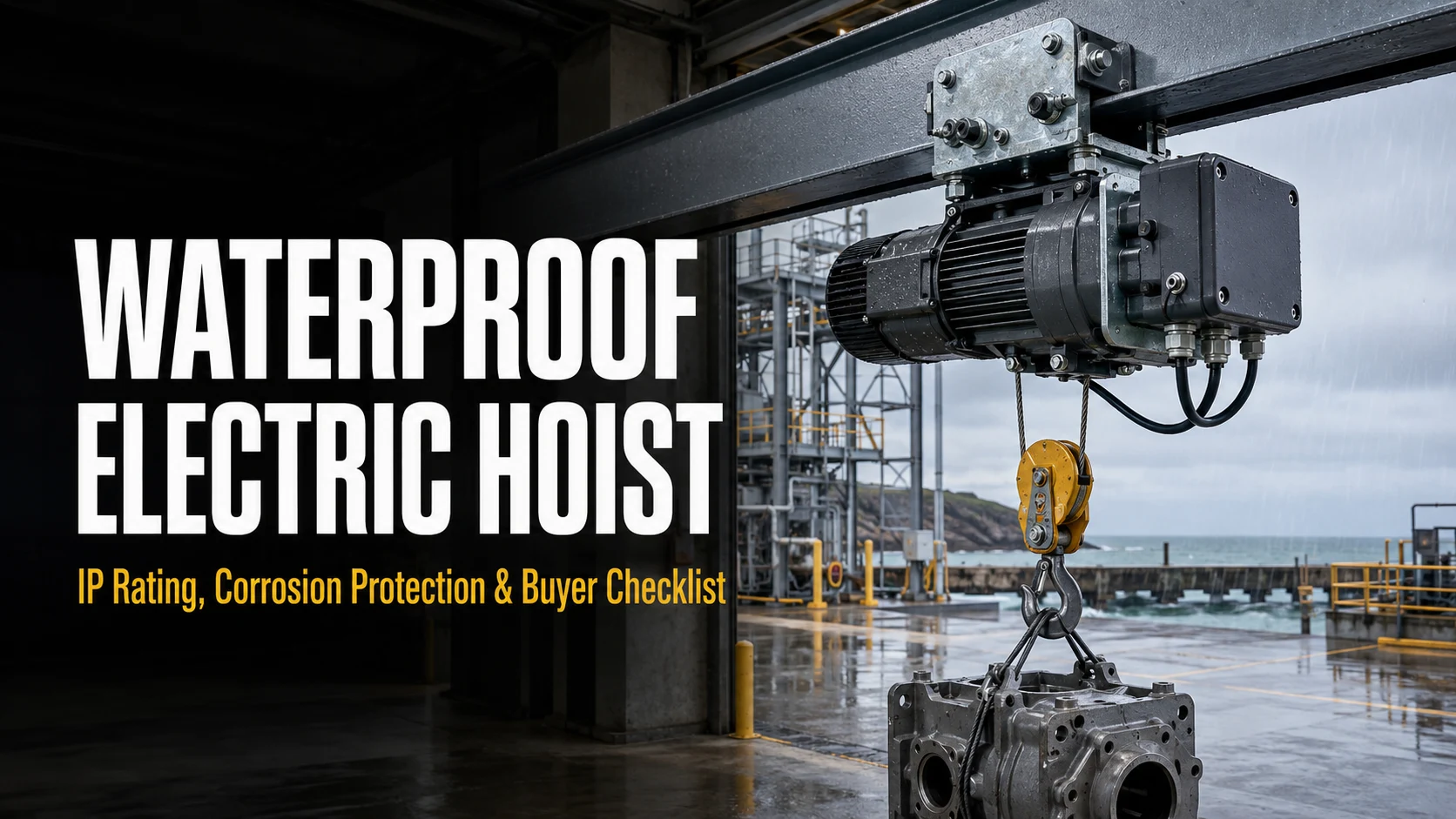
A waterproof electric hoist is often requested when a lifting system must work near rain, humidity, washdown areas, coastal air, or partially open industrial buildings. For B2B buyers, the real question is not simply whether a hoist is “waterproof.” The more important question is whether the hoist, control system, lifting medium, brake, housing, and supporting structure match the actual operating environment.
There may be a number of hazards associated with outdoor or wet lifting operations, including water ingress, condensation, corrosion, degradation of insulation, wear on chains or wire rope, and inadequate braking. A good specification should first define the conditions under which the equipment is to operate, then identify the appropriate IP, corrosion protection, duty cycle, voltage, control, and maintenance requirements.
Can an Electric Hoist Be Used Outdoors or in Wet Environments?
Electric hoists can be used in some outdoor or humid environments, but the suitability depends on the application. A hoist installed under a roof in a humid workshop faces different risks from one exposed to direct rain, seawater mist, or routine washdown. Buyers should avoid treating “outdoor electric hoist” as a single standard product type.
First thing that should be done is defining the exposure. Is it covered by the canopy, mounted in the outdoor gantry crane, working close to the area for wastewater treatment, or installed in the coastal warehouse? Does water contact only the housing or it could contact the pendant control, cable entry, brake, trolley, hook block, chain, or wire rope?
Why Rain, Condensation and Washdown Create Different Hoist Risks
Rain mainly affects exposed housings, controls, cable entries, and electrical connections. Condensation is less visible but can damage components over time, especially when a hoist moves between warm and cold conditions. Washdown areas create higher water impact and may require stronger sealing around electrical enclosures and controls.
Wet environments also affect mechanical parts. Load chains may lose lubrication faster. Wire rope may require more frequent inspection. Hooks, fasteners, trolley frames, and bottom blocks may need corrosion-resistant treatment depending on the environment. For outdoor lifting equipment, the buyer should confirm not only the hoist body protection, but also how the entire lifting system will be installed and maintained.
When a Standard Indoor Electric Hoist Is Not Enough
A normal indoor hoist will not be ideal if the equipment is subjected to weathering due to rain exposure, humidity, chemical fumes, salty air, or temperature changes. Some typical symptoms include rust on the chain or wire rope, moisture on the control box, malfunctioning pendant controls, erratic brake performance, and visible deterioration near the fasteners or cable entries.
In case of failure of an indoor hoist due to moisture or corrosion, maintenance personnel should first identify the root cause before replacing the hoist with another normal model. The exposure should form part of the next RFP rather than the capacity and lift heights alone.
What IP Rating Should Buyers Specify for a Waterproof Electric Hoist?
The IEC 60529 IP rating system describes protection against solid particles and liquids for electrical enclosures. The first digit relates to solid particle protection, and the second digit relates to liquid ingress protection. For hoist buyers, this rating is useful, but it should not be used alone.
An IP rating may apply to a motor, control box, pendant, or enclosure. Buyers should ask which part of the hoist the rating covers. A hoist with a protected motor but a poorly protected control pendant may still fail in wet service.
| Requirement | Buyer Should Confirm |
|---|---|
| Rain or outdoor exposure | Hoist body, motor, pendant, cable entry and control enclosure protection |
| Dust and moisture | IP rating, sealing method and inspection requirements |
| Coastal or corrosive area | Coating, galvanizing, chain or wire rope protection and maintenance interval |
| Washdown area | Whether water jets, cleaning chemicals or temperature changes are involved |
| Long-term outdoor use | Installation cover, drainage, electrical protection and spare parts support |
IP54/IP55 vs IP65/IP67/IP68: What the Numbers Mean for Hoist Buyers
IP54 and IP55 ratings are often associated with protection against dust and water spray conditions, while higher ratings such as IP65, IP67, or IP68 relate to stronger protection levels, depending on the defined test condition. However, higher is not automatically better for every lifting system.
A buyer should confirm:
- Which hoist component has the stated IP rating
- Whether the rating applies to the complete hoist or only selected parts
- Whether the pendant control and electrical cabinet have matching protection
- Whether the installation exposes the hoist to water jets, direct rain, or standing water
- Whether the supplier recommends a protective cover or special installation method
Why IP68 Is Not Always the Right Requirement
Some buyers search for an IP68 electric hoist because they assume IP68 means “safe for all wet environments.” That assumption can create specification errors. IP68 relates to continuous immersion conditions defined by the manufacturer, but a marine electric hoist or coastal outdoor hoist may fail from corrosion even if the enclosure resists water ingress.
IP68 does not automatically mean salt spray resistance, chemical resistance, washdown suitability, explosion protection, or underwater lifting capability. If the hoist is used near coastal air, acid vapor, alkaline mist, or industrial wastewater, corrosion protection and material compatibility may matter as much as the IP rating.
Corrosion Protection Matters as Much as Waterproof Design
A corrosion resistant electric hoist is specified not only to keep water away from the motor, but also to reduce damage to exposed metal components. In wet industrial lifting, corrosion can affect load-bearing parts, moving parts, and control reliability.
Chain, Wire Rope, Hook and Housing: Which Parts Need Corrosion Protection?
For electric chain hoists, the load chain, chain guide, chain container, hook, and bottom block need attention. For wire rope electric hoists, the wire rope, drum, rope guide, hook block, trolley frame, and fasteners should be reviewed. In both cases, buyers should ask whether the selected hoist is suitable for humidity, outdoor installation, or a corrosive environment.
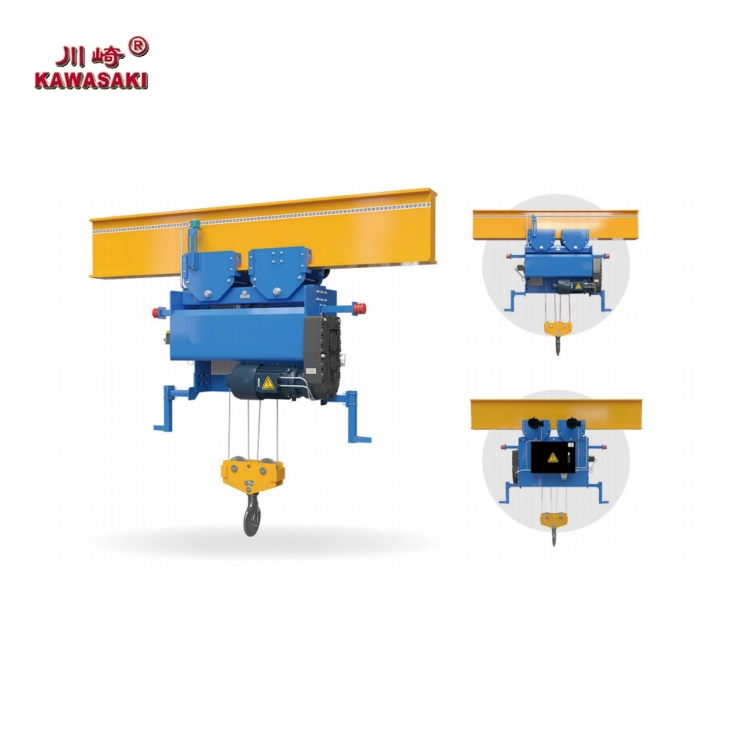
The corrosion-resistant wire rope electric hoist from Apollo’s Kawasaki European electric wire rope hoist series is a relevant internal reference for this topic because its product page describes a European pickling and galvanizing process, IP54/IP55 protection grade, and options related to anti-corrosion or acid and alkali resistance. These details should still be verified against the final product specification, because suitability may vary by load, environment, configuration, and application.
Coastal, Marine and Chemical Areas Require More Than a Waterproof Label
Coastal storage facilities, shipbuilding yards, docks, wastewater treatment plants, plating shops, and chemical process areas generate an environment that is even more difficult than standard outdoor rain conditions. Salt, moisture, and chemicals may reduce the lifespan of the equipment if the wrong hoist is purchased.
In such environments, the buyer must determine if the supplier can offer coating, galvanizing, chain/wire rope coating, protection of enclosures, and maintenance schedules. Simply placing a waterproof sticker on the hoist is not adequate. This information must be included in the Request for Quote.
How to Choose Between Electric Chain Hoist and Wire Rope Hoist for Wet Applications
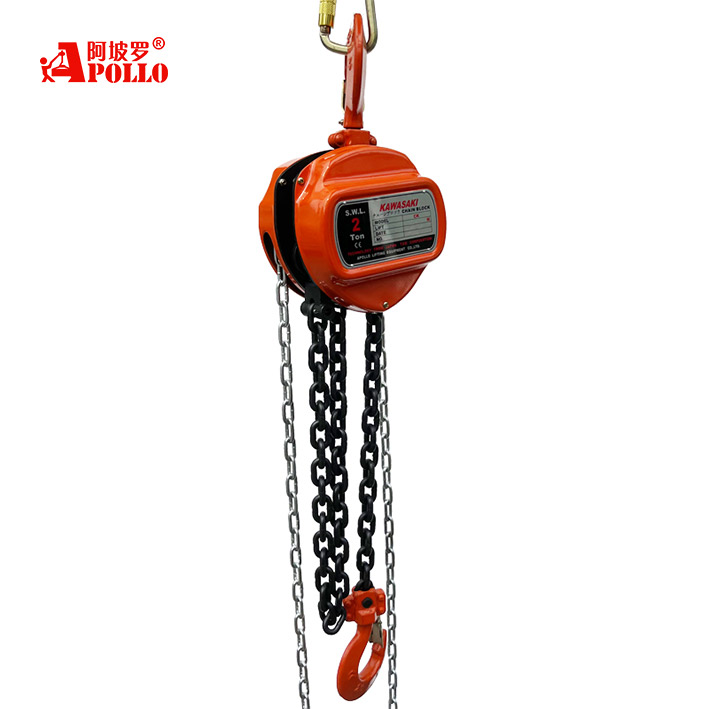
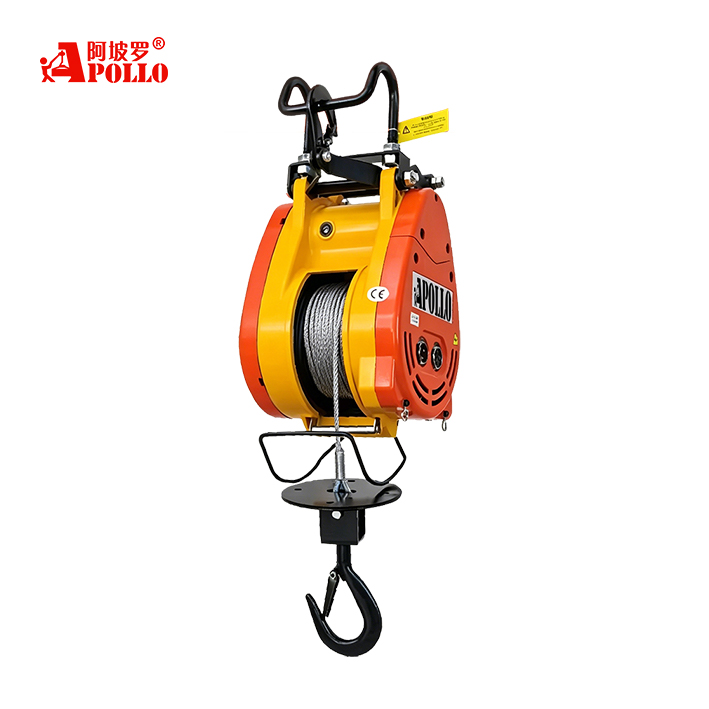
A wet environment does not determine the hoist type by itself. The correct choice depends on load capacity, lifting height, duty cycle, installation space, travel requirements, and maintenance conditions. The electric hoist product range can help buyers compare electric chain hoists, wire rope hoists, electric winches, and related lifting equipment before choosing a final configuration.
When an Electric Chain Hoist Is More Practical
The electric chain hoist can be a good choice if the usage place is a maintenance station, small working area, short to medium lift height, and precise lifting in a vertical manner is required. This type of hoist can be selected if the workplace is humid or partially open when the protection class and chain lubrication suit the conditions.
In addition, it is necessary to check the load capacity, lifting height, power voltage, way of controlling, chain strength, chain storage, way of installation, and protection class. For the hoist that would work outside, the RFQ should state whether it works under cover or in rain.
When a Wire Rope Electric Hoist Is a Better Fit
The electric chain hoist can serve as an option where the usage site is a maintenance shop, small operating space, short/medium lift height, and vertical lifting in an accurate manner is needed. This hoist can be considered where the work environment is humid or partly open provided the protection class and chain lubrication are appropriate for the application.
It is also important to take into account the following criteria: load capacity, lifting height, power voltage, control mode, chain strength, chain storage, installation method, and protection class. In case of the outside operation, the RFQ should contain information about whether the hoist operates sheltered or under the rain.
Buyer Checklist: What to Specify Before Requesting a Quote
A complete RFQ reduces the risk of receiving a standard indoor hoist when the application requires outdoor or wet-environment protection. Buyers should provide clear working data instead of only asking for a waterproof electric hoist supplier.
Include the following information:
- Load capacity and lifting height
- Power supply voltage and frequency
- Indoor, outdoor, semi-outdoor, coastal, or washdown environment
- Whether the hoist is exposed to rain, spray, condensation, salt air, acid, or alkali
- Required control method, such as pendant, remote control, or automatic system
- Hoist type preference, chain or wire rope
- Installation method, hook suspension, trolley, crane system, or fixed structure
- Operating frequency and expected duty condition
- Photos, drawings, target quantity, and replacement model if available
A supplier can give a more accurate quotation when the application is described in engineering terms rather than broad marketing terms.
How to Choose a Reliable Electric Hoist Supplier for Wet and Outdoor Environments
For wet, outdoor, or corrosive environments, buyers should look for a supplier that can discuss both product type and application risk. The supplier should be able to explain which parts require IP protection, which parts require corrosion treatment, and which conditions should be avoided.
HANGZHOU APOLLO LIFTING EQUIPMENT CO., LTD. provides electric hoists and related lifting equipment, including electric chain hoists, wire rope hoists, electric winches, and other lifting products. For buyers comparing outdoor electric hoist manufacturer options, Apollo can be considered when the application requires product selection support, OEM/ODM discussion, or matching a hoist type to a specific industrial use case.
For wet-environment projects, buyers should send the application details, drawings, site photos, target quantity, operating condition, and any existing failure photos through contact Apollo for application review. The supplier response should be checked against the final technical specification before purchase.
Conclusion
A waterproof electric hoist should not be selected by IP rating alone. Outdoor and wet lifting applications require a combined review of water exposure, corrosion risk, load, lifting height, duty cycle, control protection, chain or wire rope condition, and maintenance access.
For B2B buyers, the strongest RFQ is specific: describe the environment, state the lifting requirement, identify corrosion risks, and ask the supplier to confirm whether the proposed hoist configuration matches the application. This approach helps reduce misselection, maintenance issues, and premature replacement.
FAQs
Can electric hoists be used outdoors?
Yes, electric hoists can be used outdoors when the hoist configuration, IP rating, electrical protection, installation method, and corrosion resistance match the application. Buyers should confirm whether the unit is under cover or exposed to direct rain.
What IP rating is needed for an outdoor electric hoist?
The required IP rating depends on the exposure. Light humidity, rain, water spray, washdown, and immersion are different conditions. Buyers should confirm the rating for the hoist body, motor, control box, and pendant, not just one component.
Is IP68 necessary for a waterproof electric hoist?
Not always. IP68 may relate to immersion conditions, but many outdoor electric hoist applications are affected more by rain, condensation, salt air, corrosion, and maintenance access. IP68 should not replace a full application review.
How do I prevent corrosion on an outdoor electric hoist?
Confirm coating, galvanizing, chain or wire rope treatment, hook and fastener protection, lubrication requirements, and inspection intervals. In coastal or chemical environments, corrosion protection should be specified before quotation.
What should I include in an RFQ for a wet environment electric hoist?
Include load capacity, lifting height, voltage, hoist type, installation method, rain or washdown exposure, salt or chemical conditions, operating frequency, drawings, photos, target quantity, and any existing equipment issues.