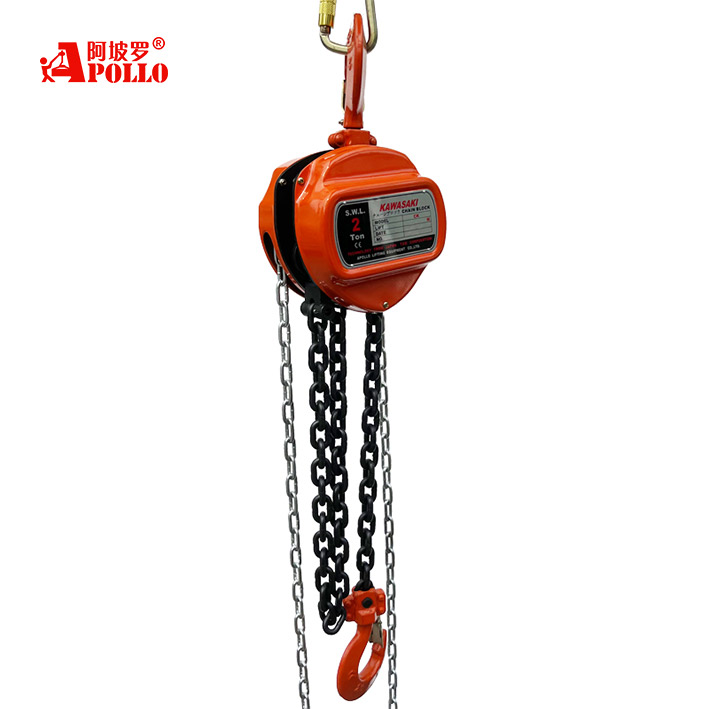
For distributors, importers, and wholesale lifting equipment buyers, a manual chain hoist OEM project is rarely just about adding a logo. The real buying decision usually depends on MOQ, load chain grade, chain finish, packaging method, product identification, sample approval, and whether the supplier can support repeat orders with consistent specifications. If these details are not confirmed early, a private label manual chain hoist order can face quotation delays, packaging errors, mismatched market positioning, or avoidable rework before shipment.
This guide explains what buyers should specify before requesting an OEM manual chain hoist quotation and how to reduce purchasing risk when building a branded lifting product line.
Why Distributors Need a Clear OEM Plan Before Ordering Manual Chain Hoists
A private label manual chain hoist program is suitable when a distributor wants to build stronger local brand recognition, control product presentation, and create repeatable SKUs for industrial buyers. It is especially relevant for wholesalers selling to workshops, construction suppliers, maintenance contractors, machinery dealers, and regional lifting equipment distributors.
However, OEM requirements should match the actual sales channel. A buyer selling to project contractors may care more about durable cartons, clear nameplates, and stable spare parts support. A buyer supplying retail or dealer networks may need color boxes, branded manuals, model labels, and consistent visual identity. The wrong customization scope can raise MOQ or cost without adding real sales value.
Standard Branding vs Deeper Product Customization
Standard branding usually includes logo placement, nameplate content, carton labels, instruction manuals, and outer packaging. This is often enough for distributors who need a private label chain hoist but do not want to change the product structure.
Deeper customization may involve chain grade, chain finish, housing color, special packaging, lifting height combinations, or function-related options. This can be useful when the buyer understands the target application clearly, but it is not ideal for every first order. If the market is still being tested, standard models with controlled branding are often safer than complex customization. Before moving forward, buyers should define the target capacity range, operating environment, expected order quantity, and brand presentation requirements.
What Determines the MOQ for OEM Manual Chain Hoists?
MOQ for OEM manual chain hoists depends on more than the product name. It may vary by model, capacity mix, logo method, packaging type, chain finish, and the number of customized components. A simple label or carton mark may have a different MOQ from a fully customized color box, branded nameplate, special chain finish, or multi-model private label order.
Instead of asking only “What is your MOQ?”, buyers should provide the supplier with model range, target quantity, packaging plan, branding requirements, destination market, and whether samples are needed. This helps the supplier quote a realistic MOQ and avoid later changes.
How Model Mix, Logo Method and Packaging Affect MOQ
A single-model order is usually easier to manage than a mixed order covering many capacities, lift heights, and packaging styles. If a distributor requests 1-ton, 2-ton, 3-ton, and 5-ton units with different carton designs, MOQ and production planning may become more complex.
Logo method also matters. A sticker, printed carton, customized nameplate, and color manual may each require different preparation. Packaging can add another layer: yellow board cartons, color boxes, wooden cases, and shipping marks all affect material preparation and approval steps. Buyers should confirm whether MOQ applies per model, per capacity, per packaging design, or per full order.
When to Request a Sample Before a Bulk Order
A sample is useful when the buyer is working with a new supplier, launching a new brand, changing packaging, choosing a special chain finish, or selling into a market with strict product presentation expectations. The sample should not be checked only for appearance. Buyers should review chain movement, hook condition, safety latch, nameplate information, logo clarity, carton strength, instruction manual language, and whether the finished product matches the approved specification.
A sample may not be necessary for every repeat order, but it is valuable before the first private label batch. Once approved, photos, specifications, packaging artwork, and marking requirements should be recorded so the bulk order can follow the same reference.
How to Specify Load Chain Grade, Material and Finish
The load chain is one of the most important parts of a manual chain hoist. For B2B buyers, chain specification should be tied to working load, application environment, market price level, and expected product positioning. Chain grade, diameter, number of falls, surface treatment, and corrosion resistance all need to be checked against the product specification.
Different markets may prioritize different points. A dry indoor warehouse may not need the same chain finish as an outdoor jobsite, coastal storage area, or wet industrial environment. If the chain finish is selected only by appearance or lowest cost, the product may not match customer expectations after storage or field use.
Choosing Chain Grade Based on Application and Market Positioning
A distributor should confirm rated capacity, standard lift, chain grade, chain diameter, and working environment before placing a bulk manual chain hoist order. T80 and T100 chain options may be relevant in some product lines, but the right choice depends on model design, load requirement, and supplier specification.
If the buyer serves price-sensitive general maintenance users, a standard configuration may be enough. If the target customers work in tougher industrial sites, outdoor environments, or frequent lifting conditions, chain grade and surface treatment should be reviewed more carefully. Buyers should also avoid changing chain-related specifications without confirming compatibility with the hoist body, pocket wheel, brake system, and safety requirements.
Comparing Common Chain Finishes for Distributor Orders
| Chain Finish | Suitable Use Case | Buyer Should Confirm |
|---|---|---|
| Polished and oiled | General indoor use and standard warehouse storage | Rust prevention, storage condition, maintenance guidance |
| Electro-galvanized | Light corrosion protection and cleaner appearance | Coating consistency and target environment |
| Nickel-plated | Markets needing improved appearance and corrosion resistance | Cost impact and availability by model |
| Blackened | Industrial appearance or darker product positioning | Anti-rust method and storage condition |
| Dacromet | More demanding anti-corrosion requirements | Application suitability and supplier specification |
A buyer comparing galvanized vs nickel-plated hoist chain should not look only at appearance. The decision should consider humidity, storage time, market expectations, cost target, and whether the finish is available for the selected model and quantity.
What Should Buyers Confirm for Logo, Nameplate and Documentation?
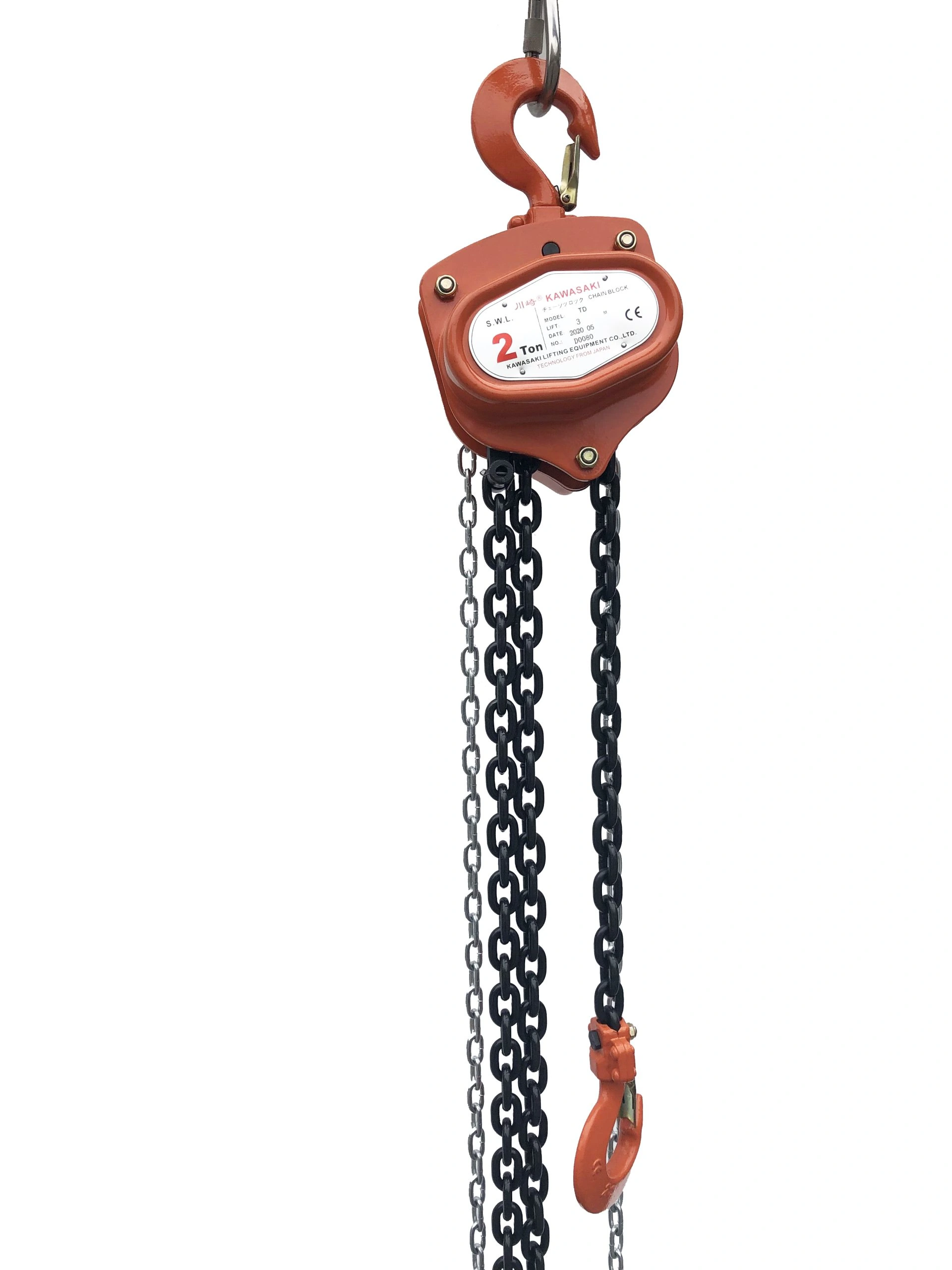
Private label chain hoist customization should be treated as a product identification project, not just a design request. The logo, model code, rated capacity, warning label, manual language, carton label, and shipping mark must all match the order.
Before production, buyers should confirm the logo file format, color reference, nameplate content, manual language, carton layout, SKU system, and any market-specific labeling requirements. If the artwork is not approved clearly, errors may appear across the product body, packaging, and documentation.
A good approval process should include product photos, nameplate draft, carton design, manual cover, and shipping mark before mass production. This reduces the risk of wrong model labels, unclear branding, or mismatched cartons during warehouse receiving.
How to Choose Packaging for Manual Chain Hoist Distribution
Packaging affects more than appearance. It influences transport protection, warehouse sorting, retail presentation, distributor branding, and after-sales identification. A bulk manual chain hoist order may need different packaging from a retail-ready private label order.
Cartons are suitable for many standard wholesale shipments. Color boxes can help distributors selling through dealer networks or retail-style channels. Wooden cases may be considered when heavier units, long transport routes, or stronger protection are required. The right choice depends on product size, shipping method, handling conditions, and target sales channel.
For custom chain hoist packaging, buyers should confirm carton size, unit weight, label placement, barcode needs, pallet arrangement, shipping marks, moisture protection, and whether the packaging must display the buyer’s brand or remain neutral.
How to Evaluate a Manual Chain Hoist OEM Supplier
A manual chain hoist supplier should be evaluated by more than price. For distributor orders, the supplier should understand product selection, branding workflow, packaging control, sample approval, repeat order consistency, and basic after-sales support.
Buyers reviewing a manual chain hoist product range should check whether the supplier offers suitable capacities, product styles, and related manual lifting equipment for the intended market. If a buyer needs a more specific conversion path, a product page such as an OEM manual chain hoist can help connect the article topic to an actual product option and RFQ discussion.
Product Samples, Quality Records and Pre-Shipment Checks
For first orders, buyers should ask how samples are confirmed and what pre-shipment checks can be provided. Useful checks may include appearance, chain movement, hook and latch condition, brake feel, nameplate information, carton marking, and packaging consistency. The exact inspection scope depends on product type, order size, and buyer requirements.
Photos before shipment are also useful for private label projects because branding and packaging errors are often easier to correct before goods leave the factory. Buyers should confirm whether product photos, carton photos, label photos, or packing details can be shared before shipment.
Reorder Consistency, Spare Parts and After-Sales Support
Distributors usually care about repeat orders. A supplier should be able to maintain model consistency, packaging references, logo files, and product documentation for future shipments. If a buyer plans to sell the same manual chain hoist line over several seasons, reorder stability matters more than a small one-time price difference.
Spare parts and after-sales communication should also be discussed early. Buyers should confirm whether the supplier can support accessories, manuals, product photos, and technical clarification when local customers ask questions.
Manual Chain Hoist OEM RFQ Checklist for Distributors
A clear RFQ helps the supplier quote faster and reduces the risk of missing details. For a custom manual chain hoist order, include:
- Product type: manual chain hoist, hand chain hoist, or chain block
- Capacity range and target models
- Standard lift height
- Load chain grade or material request
- Chain finish requirement
- Logo, color, nameplate, and manual requirements
- Packaging type: carton, color box, wooden case, or customized option
- Target quantity by model
- Sample requirement
- Destination market and application environment
- Required photos, documents, or inspection expectations
- Expected shipment plan and reorder forecast
If the order involves private label packaging, artwork files and approval rules should be included before the quotation is finalized.
Working With a Manual Hoist OEM Supplier That Understands Distributor Needs
A qualified OEM supplier should help buyers connect product selection with branding, packaging, and RFQ confirmation. HANGZHOU APOLLO LIFTING EQUIPMENT CO., LTD. provides manual hoist products and OEM/ODM service options for buyers who need custom color, logo, packaging, labels, and instruction manuals.
For distributor-focused manual chain hoist orders, HANGZHOU APOLLO LIFTING EQUIPMENT CO., LTD. can be considered when buyers need to discuss model selection, chain options, packaging style, and private label requirements in one sourcing process. Buyers can start from HANGZHOU APOLLO LIFTING EQUIPMENT CO., LTD. for company context, review the relevant product range, then prepare an RFQ with model, quantity, chain finish, branding, packaging, and target market information.
Conclusion
A successful manual chain hoist OEM order starts with clear specifications. Distributors should confirm MOQ factors, chain grade, chain finish, logo method, nameplate content, packaging, sample approval, and RFQ details before placing a bulk order. The right supplier should support both product selection and the practical details that affect private label distribution.
For upcoming OEM manual chain hoist projects, buyers can prepare the required capacity, lift height, chain material, chain finish, packaging design, logo file, target quantity, application environment, and sample requirements, then request a manual chain hoist OEM quote for specification-based discussion.
FAQs
Can manual chain hoists be private labeled for distributors?
Yes. Private label manual chain hoists may include logo, nameplate, color, instruction manual, carton label, and packaging customization. The available options depend on the selected model, order quantity, packaging plan, and supplier confirmation.
What is the MOQ for OEM manual chain hoists?
MOQ depends on the model, capacity mix, logo method, packaging type, chain finish, and customization depth. Buyers should provide a detailed RFQ instead of asking for a single MOQ without specifications.
Which chain finish is better for manual chain hoists?
The right chain finish depends on the environment and market position. Polished and oiled chains may suit general indoor use, while galvanized, nickel-plated, blackened, or Dacromet finishes may be considered when appearance or corrosion resistance matters.
What should distributors include in a manual chain hoist RFQ?
A strong RFQ should include capacity, lift height, chain grade, chain finish, branding needs, packaging method, order quantity, sample request, destination market, and application environment.
How do buyers choose between a standard manual chain hoist and an OEM version?
A standard model is suitable for first testing, small trial orders, or price-sensitive projects. An OEM version is more suitable when the distributor has a defined sales channel, brand plan, repeat order expectation, and clear packaging or identification requirements.