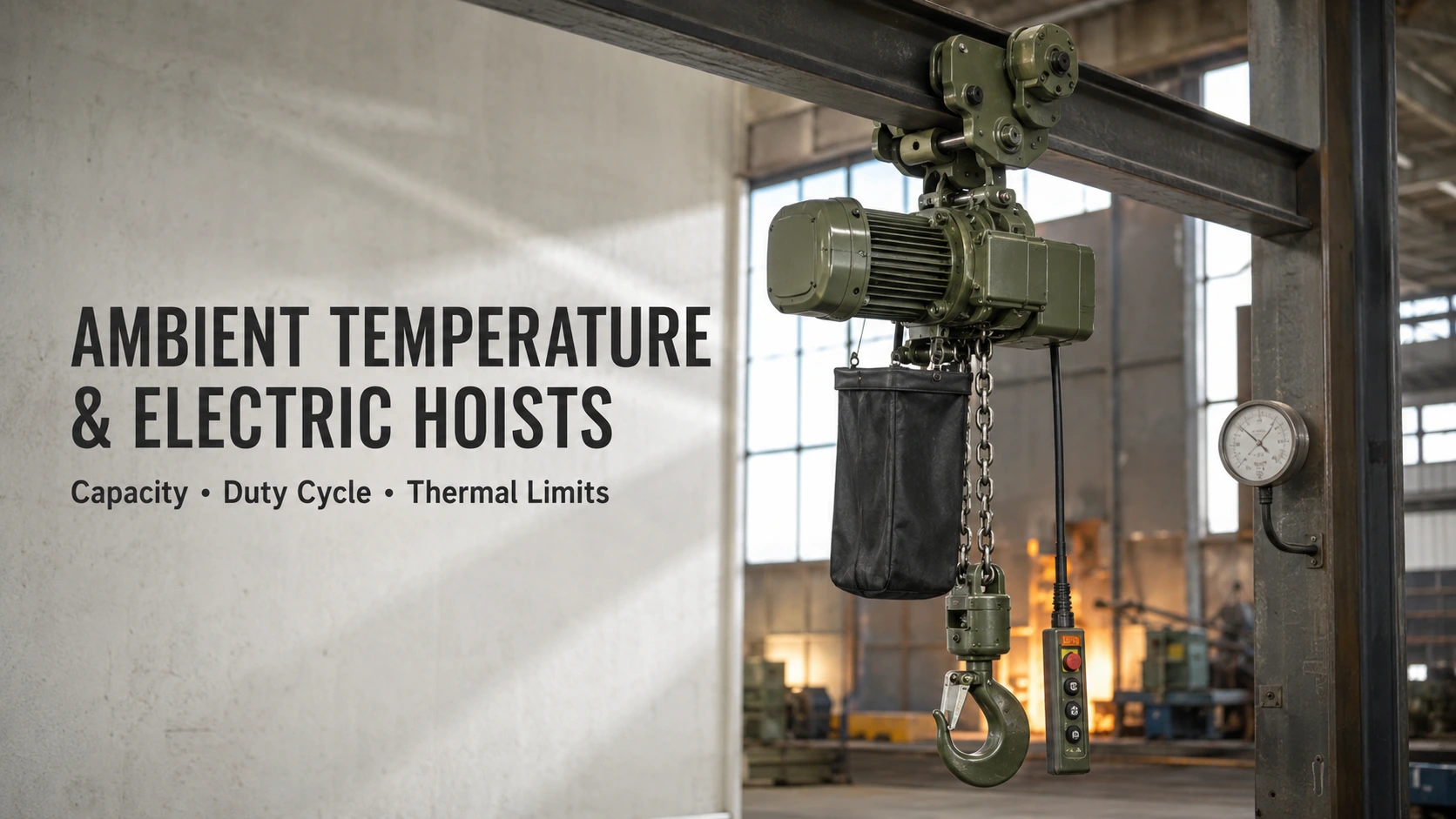
Ambient temperature changes how quickly an electric hoist can shed heat, how easily its lubricant moves, and how stable its electrical components remain. The rated capacity on a nameplate does not automatically increase or decrease with the weather, but the allowable duty cycle can change when operating conditions move outside the reference conditions used for the hoist design. In practice, a safe lifting decision considers capacity, load spectrum, operating time, temperature, humidity, ventilation, and the manufacturer’s specification together.
This distinction matters in factories, outdoor yards, cold stores, foundries, and vehicle-mounted lifting systems. A hoist may be mechanically able to lift a load while its motor, brake, gearbox, or control enclosure is approaching a thermal or environmental limit. Treat temperature as a selection and inspection input, not as a reason to apply an improvised derating percentage.
Capacity and duty cycle are different limits
Capacity is the maximum permitted working load for a defined configuration. It is tied to components such as the load chain or wire rope, drum or sheave, hook, gearbox, brake, suspension, and supporting structure. Duty cycle describes the work pattern the hoist can perform over a stated period, taking account of energized time, starts, stops, travel, load spectrum, and rest or cooling time. A 40% duty cycle, for example, is meaningful only with the reference period and operating class stated in the applicable documentation.
Temperature primarily affects the thermal side of this equation. When a motor runs under load, electrical losses become heat. If the surrounding air is already hot, the temperature difference that drives cooling is smaller, so the same lifting pattern can produce a higher internal temperature. A cold environment usually improves heat rejection, but it can create other problems: grease thickening, brittle seals, condensation during warm-up, and reduced battery or control performance.
OSHA’s overhead-crane requirements can be used as a baseline safety reference, while the hoist manual and local rules govern the specific equipment.
What heat does to an electric hoist
Motor and electrical components
Higher ambient temperature reduces the motor’s cooling margin. Winding insulation, contactors, variable-frequency drives, rectifiers, and control boards may experience faster aging when exposed to repeated high temperatures. Frequent starts are especially important because inrush current and acceleration losses add heat even when the lifted load is below the rated capacity. A thermal overload may trip earlier, or a protection device may prevent a restart until the motor cools.
Brake, gearbox, and lubricant
Heat changes lubricant viscosity and can accelerate oxidation. That can affect gear mesh, bearing life, and brake response if the product is not lubricated for the environment. A hot load, radiant furnace heat, or restricted airflow can make the hoist’s local temperature much higher than the weather-service reading. Measure the environment at the hoist and identify radiant, process, and enclosure heat separately.
Why cold conditions still require planning
Low temperatures can increase starting torque, slow lubricant flow, and make moisture freeze in exposed mechanisms. Moving a hoist from a cold outdoor area into a warm building can create condensation on electrical parts. A controlled warm-up, dry storage, cold-rated lubricant, and inspection for ice or water are often more important than simply asking whether the motor can start. Exact limits must be confirmed for the selected model.
How temperature changes the practical duty cycle
Duty cycle is a thermal budget. If a hoist is rated for a given intermittent service under a reference ambient condition, hotter air consumes part of that budget before the next lift begins. The effect is not linear and cannot be inferred safely from a single temperature reading. Load percentage, lifting speed, starts per hour, reeving, travel distance, enclosure ventilation, and rest intervals all interact. A lightly loaded hoist in moving air may run cooler than a heavily loaded hoist in a stagnant enclosure at the same ambient temperature.
Operators should log the actual pattern: load, lift duration, lowering duration, starts, pauses, and ambient or process temperature. Compare that record with the duty class, motor insulation, thermal protection, and permissible operating range in the manual. If protection trips, the hoist slows, the brake smells hot, or the gearbox becomes unusually noisy, stop and investigate rather than extending the rest period by guesswork.
A practical temperature check before selection
- Define the load pattern. Record maximum load, typical load, lifts per hour, average lift time, starts per hour, and whether the load is suspended or positioned repeatedly.
- Map the real environment. Note minimum and maximum ambient temperature, radiant heat, humidity, dust, rain, corrosive vapors, altitude, airflow, and whether the hoist is enclosed.
- Separate capacity from thermal suitability. Confirm the working load limit and mechanical configuration first, then confirm duty class, motor rating, insulation, control method, and temperature range.
- Verify protection and maintenance. Check overload and thermal protection, brake adjustment, lubricant specification, ventilation, cable condition, and inspection intervals. Protection is not permission to exceed the stated duty cycle.
- Request a written fit check. Give the supplier the model or product family, load, lift, speed, cycles, temperature profile, power supply, installation arrangement, and any hot or cold process exposure.
Choosing an electric hoist for variable climates
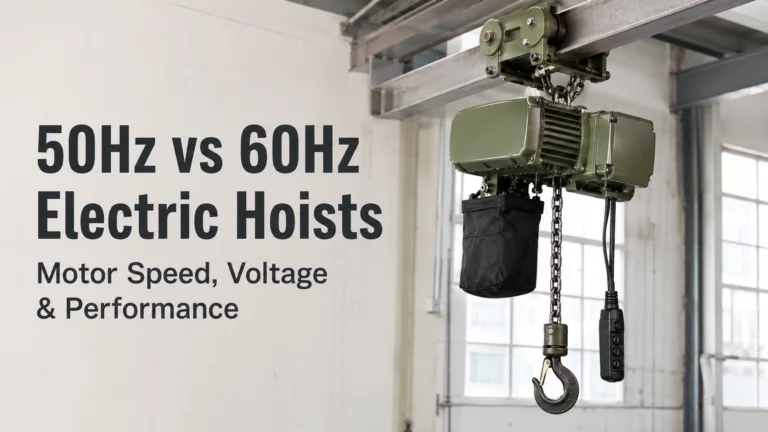
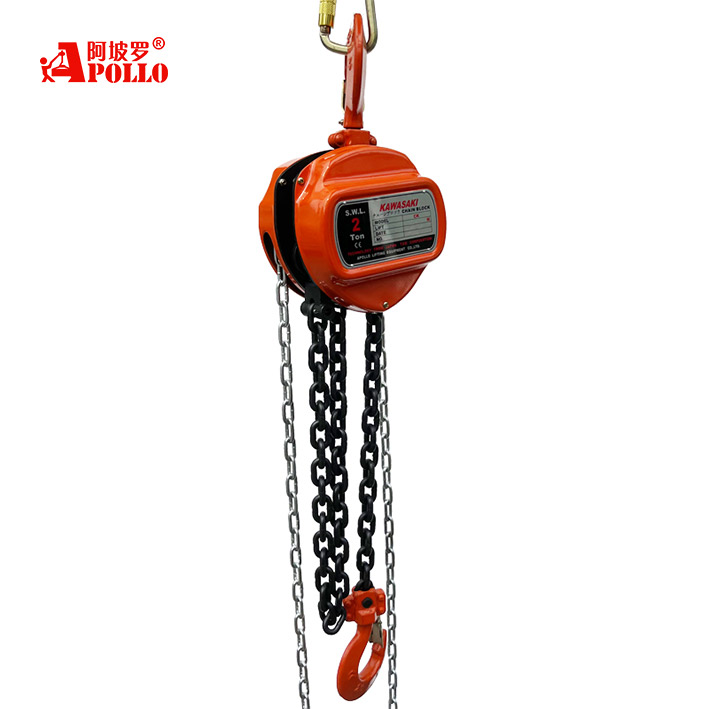
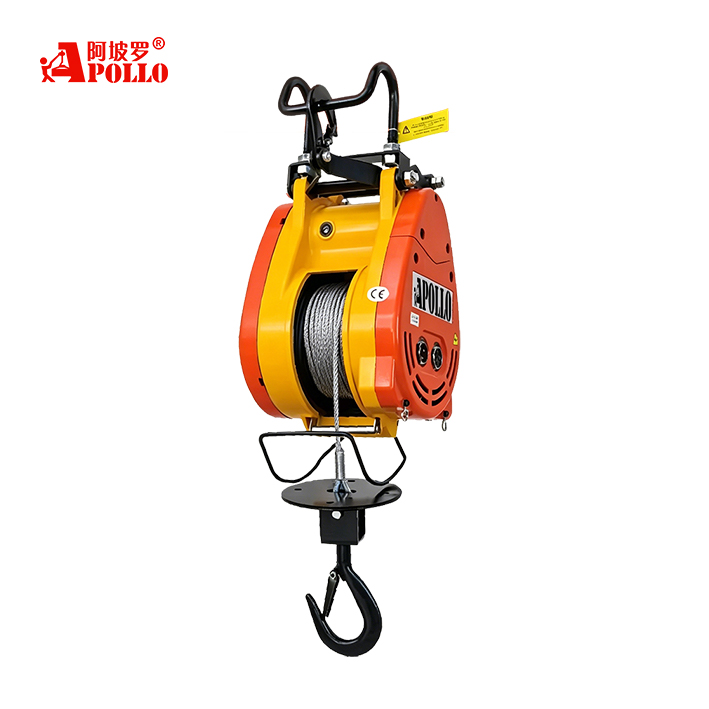
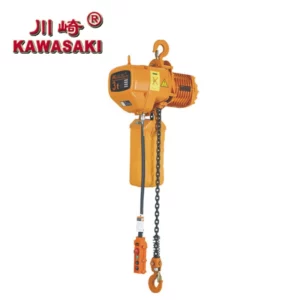
For general indoor lifting, an appropriately selected electric chain hoist may be sufficient when the ambient range and duty pattern remain within its documentation. Apollo’s electric hoist category includes electric chain, wire-rope, mini wire-rope, European wire-rope, electric winch, and explosion-proof families. The correct family depends on load path, lift, speed, installation, and environment; a category label alone is not a temperature rating.
For a configuration that needs customization, the KKBB electric chain hoist page identifies options such as single- or three-phase voltage, two-speed or frequency-conversion functions, and different chain or surface treatments. These are product options, not blanket approvals for hot, cold, wet, or hazardous locations. Confirm the finished configuration and its limits in the quotation and technical documents.
When the process environment is demanding, ask for the temperature assumptions behind the duty rating, the required enclosure or protection level, compatible lubricant, control-panel limits, and any restrictions on hot workpieces. Apollo’s services and customization capability can be used as a starting point for documenting these requirements, while the final acceptance decision should remain tied to the supplied specification.
Procurement and operating checklist
A useful RFQ should state the maximum and minimum ambient temperature at the hoist, radiant heat from nearby equipment, humidity or washdown exposure, indoor or outdoor installation, duty cycle or starts per hour, load spectrum, lifting speed, voltage and frequency, control arrangement, and supporting beam or trolley. Ask the supplier to identify any required derating, cooling interval, special lubricant, heater, canopy, ventilation, enclosure, or inspection change.
At commissioning, record the as-installed conditions and run a controlled test across the expected load pattern. Verify that the brake holds, the thermal protection behaves as documented, controls remain responsive, and no abnormal heat or noise appears. Repeat the check when seasons change or when production adds cycles, speed, enclosure, or radiant heat.
Conclusion
Ambient temperature rarely changes the steel hook’s working load limit by itself, but it can change the thermal margin that makes the rated duty cycle achievable. The reliable method is to define the load spectrum, measure the actual environment, separate mechanical capacity from thermal service, and obtain a model-specific fit check. With that information, an electric hoist can be selected for predictable performance instead of being operated at the edge of an unknown limit.
FAQs
Does hot weather automatically reduce hoist capacity?
No. Do not apply an invented percentage. Confirm whether the manufacturer specifies a temperature-based derating or a reduced duty cycle for the exact model and configuration.
Is duty cycle the same as lifting capacity?
No. Capacity concerns the permitted load; duty cycle concerns how often and how long the hoist performs work within a reference period. Both limits must be satisfied.
Can an electric hoist work below freezing?
Some models and configurations can, but cold-rated lubricant, seals, controls, condensation management, and starting limits must be checked in the product documentation.
What information should I send for a temperature fit check?
Send model or product family, load, lift, speed, cycles per hour, power supply, installation, minimum and maximum temperature, radiant heat, humidity, and any drawing or enclosure details.
For a model-specific review, contact Apollo’s technical team with the operating profile and RFQ information so the proposed configuration can be checked against its documented limits.