Introduction
The industrial lifting sector is heading toward a defining moment in 2026. Global manufacturers and distributors are preparing for a wave of stricter safety mandates and rapid smart-tech adoption. In this climate, smart Apollo electric hoists emerge as the benchmark for B2B buyers who demand reliability, traceability, and compliance-ready performance.
Apollo has built its reputation on designing IoT-integrated hoisting systems that merge real-time data with advanced safety engineering. The company’s approach—anchored in Apollo hoist IoT real-time monitoring B2B technology—empowers partners to exceed the upcoming electric hoist safety standards compliance 2026, cutting downtime, reducing accident risks, and improving ROI across industrial operations.
2026 Electric Hoist Market & Safety Standards: Key Drivers and Requirements
The worldwide electric hoist market should grow at a compound annual rate of about 3.4–5.7% until 2030–2034. Smart or linked models will drive this rise. This speed-up links directly to stricter global safety setups like OSHA, ANSI B30.16, ISO, CE, and GS approvals. All focus on overload guards, emergency halt circuits, smart upkeep warnings, and digital tracking features.
Failure to follow rules will not just be a small error anymore. It will bring money fines, work halts, and harm to reputation for industrial operators. For wholesalers and distributors handling big groups of lifting gear, being ready for rules has turned into a top buying goal. That is why smart Apollo electric hoists get built from the start to fit these changing needs. Their IoT parts log work data on their own for records ready for checks. This makes sure smooth electric hoist safety standards compliance 2026 over various places or areas.
The Rise of Smart Technology: Why IoT Integration Is Non-Negotiable in 2026
By 2026, basic electric hoists lacking links will count as old gear. The fresh batch of clever lifting tools mixes sensors for weight checks, wireless parts for data sending, and online panels for watching work measures right away. These setups give:
- Instant weight following
- Upkeep warnings that predict issues
- Sway-stop control for exact handling
- Distant checks for quicker problem fixes
Industry studies show that IoT-enabled hoists can reduce workplace accidents by up to 27% while cutting downtime by as much as 15%. For fields like shipping centers or building sites where time matters a lot, these figures mean clear profit boosts. Apollo hoist IoT real-time monitoring B2B tools tackle these issues head-on. They handle upkeep planning on auto and ease rule-reporting tasks that once needed hours of hand notes.
Strategic B2B Benefits of Apollo Smart Electric Hoists
For sellers and big buyers overseeing hundreds of units over many spots, Apollo’s linked lifting tools bring real business gains:
| Benefit | Description |
| Predictive Maintenance | Reduces unplanned outages by identifying wear patterns early |
| Centralized Fleet Management | Cloud dashboard enables unified control across sites |
| Instant Fault Alerts | Boosts worker safety with immediate overload notifications |
| Compliance Automation | Simplifies documentation for CE/GS/OSHA audits |
| Financial ROI | Typical payback period under 12 months |
These gains turn smart Apollo electric hoists into safer and smarter money choices. Sellers can charge more through top-shelf items supported by clear safety gains. This often leads to cheaper insurance costs thanks to proven risk cuts.
Spotlight on Apollo Products: Engineered for 2026 Smart Safety
Apollo’s range of products shows how tech and machine building join to fit future rules without add-on troubles.
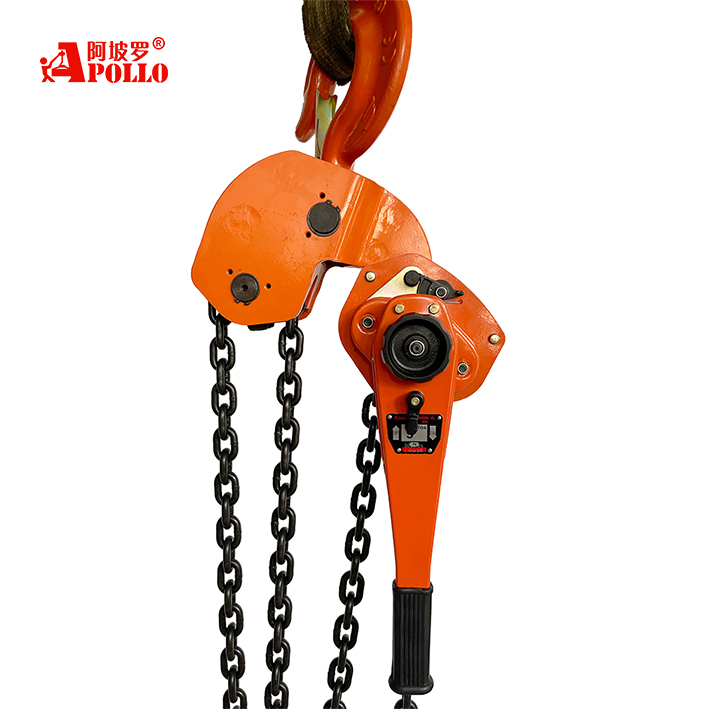
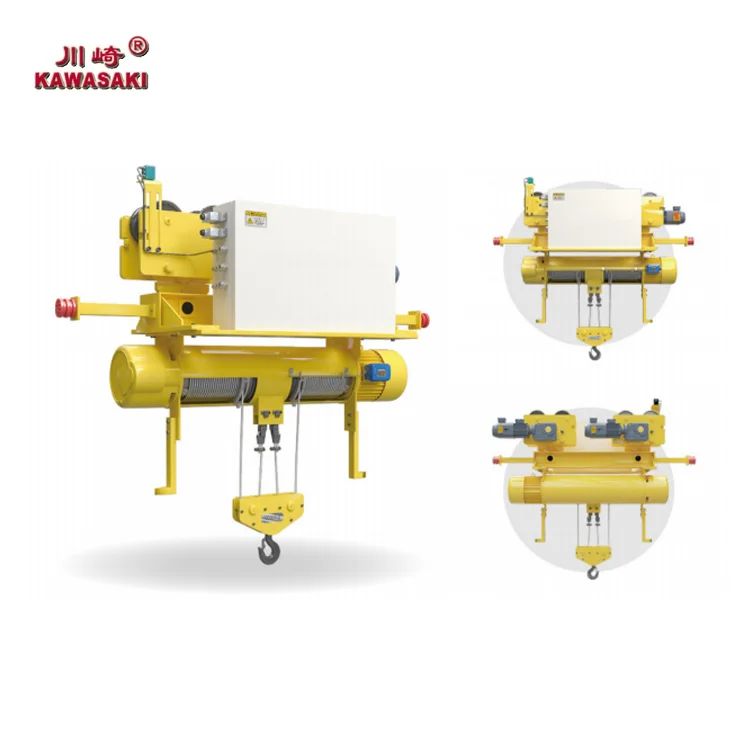
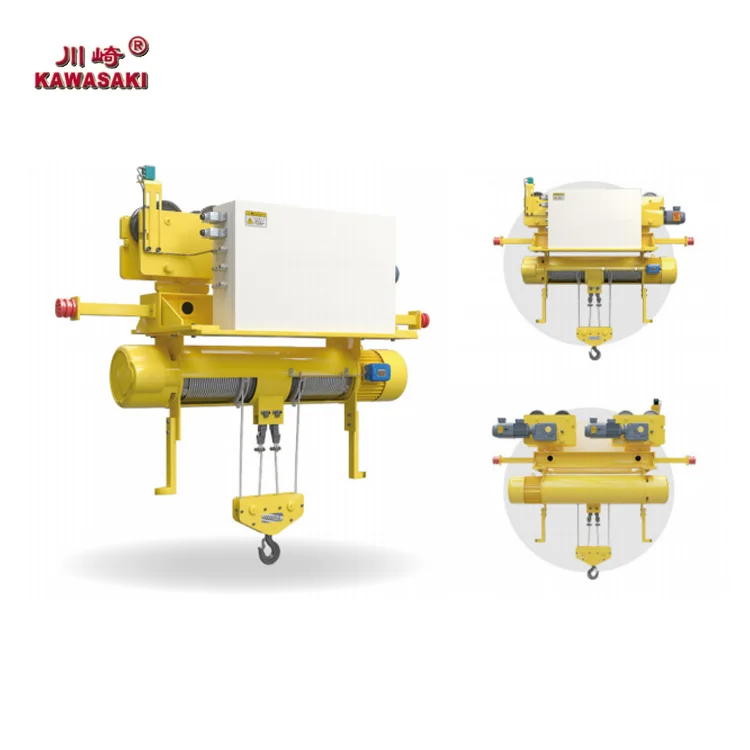
Apollo Electric Wire Rope Hoists
These tough models mix smart control setups with sway-stop tech and auto run steps. Overload guards are basic. Built-in IoT links send live work data to online panels for upkeep planning that looks ahead.
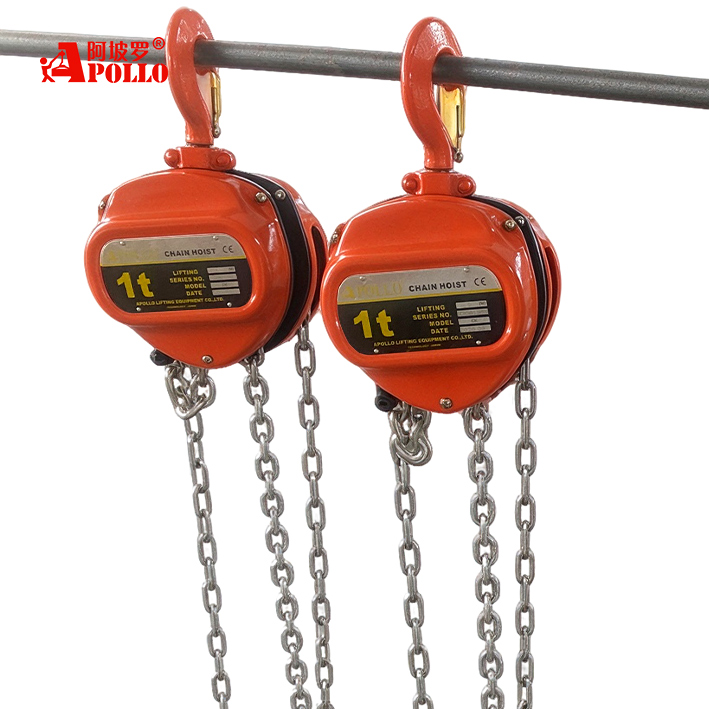
Apollo Electric Chain Hoist Series
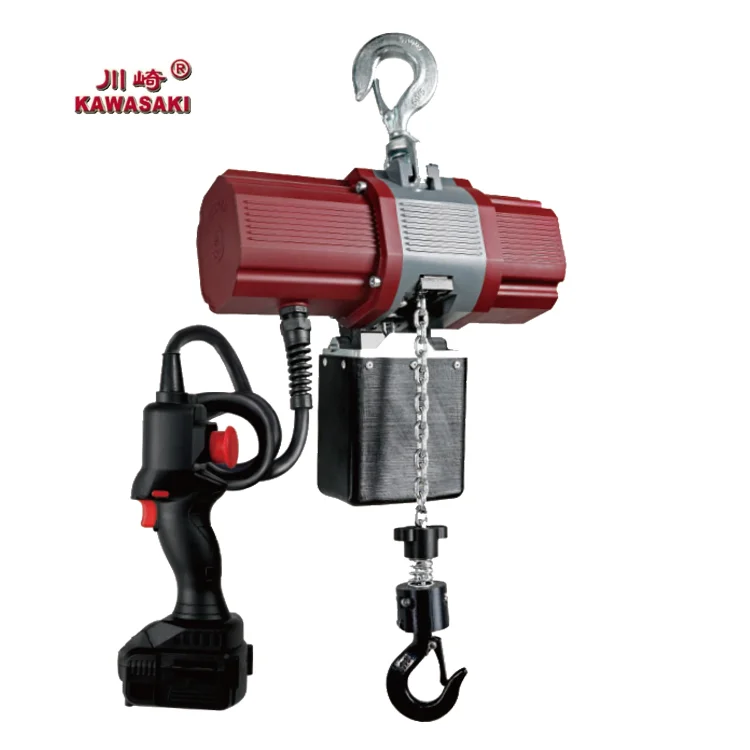
Small but strong, these pieces give steady lift precision even during ongoing work rounds. Better sensors watch weight spread. Emergency halt mixing keeps operators safe in every case. They fully match CE/GS/OSHA orders set for electric hoist safety standards compliance 2026 rules.
The company has cleared ISO9001 and ISO2000 quality system checks. It also holds European Community CE/GS safety approvals. This base strengthens Apollo’s building skills. Each model faces strict setup checks and plant work tests before shipping to promise steady running.
Factory performance testing: Run full checks on the whole machine’s work. This covers lift power, running steadiness, safety work, and more. It makes sure the item meets country rules and firm quality needs. These steps confirm every shipped unit fits global standards that buyers around the world expect.
Partnering with Apollo: End-to-End B2B Support for Smart Hoist Deployment
Apollo’s business setup reaches past making items. It gives full-range business-to-business aid from planning to setup. The firm offers OEM/ODM tweak choices on functions like blast-proofing or speed change. It covers power from 110V–575V, look branding with logos or colors, surface finishes like spray or plating, box types in carton or wood, and low order starts at 50 units each setup.
The company holds many sales reps in Singapore, Japan, Malaysia, Thailand, Indonesia, and South Korea. It serves as an OEM provider too. This global footprint allows rapid fulfillment across markets while maintaining consistent quality assurance through certified production lines.
Business-to-business partners gain from ready-to-use rule document sets like CE/GS/ISO9001. They get on-site setup training clips, software update aid, and long warranty plans. This makes Apollo the top choice for sellers growing clever lifting lines in 2026.
Future Outlook: Preparing for Evolving Safety and Automation Trends
From 2026 to 2030, factory auto-work will shift to AI-based guess analytics. These can spot part breakdowns weeks ahead. Hybrid manual/smart control interfaces will become standard as operators demand both tactile precision and digital oversight. At the same time, cybersecurity protocols will tighten around connected devices as factories adopt more networked machinery.
Sustainability will also shape buying choices. Power-saving motors with recovery braking will aid firms in hitting carbon cut goals. Those who adopt smart Apollo electric hoists early position themselves ahead of these shifts—combining operational efficiency with long-term regulatory resilience.
Conclusion
The next phase of material handling is defined by intelligent systems that optimize performance in real time. The latest generation of smart Apollo electric hoists integrates Apollo hoist IoT real-time monitoring B2B capabilities with full alignment to electric hoist safety standards compliance 2026. As industries move toward zero-incident operations and data-driven asset management, these solutions support higher productivity while enhancing on-site safety.
For distributors and project operators seeking durable, compliant lifting equipment backed by advanced technology and global certifications, upgrading to smart hoisting systems has become a strategic priority. Further information or tailored solutions can be obtained by contacting Apollo.
FAQs
Q1: What are the primary 2026 safety standards and regulations that electric hoists must meet for industrial B2B use?
A: Electric hoists must line up with fresh OSHA guides plus ANSI B30.16 build codes and CE/GS match checks. These stress overload guards, emergency halts, predict check skills, and trackable run logs. All form key parts of electric hoist safety standards compliance 2026 setups.
Q2: How does IoT real-time monitoring in smart Apollo electric hoists improve predictive maintenance and reduce downtime?
A: Built-in sensors send live use measures to online panels via Apollo hoist IoT real-time monitoring B2B. Possible oddities like heat build-up or uneven weights get noted early. Techs can fix parts before they break. This trims stoppages by about 12–15%.
Q3: What technical features distinguish Apollo electric wire rope and chain hoists in the 2026 smart safety landscape?
A: Both lines hold sway-block motion plans, auto edge shut-offs, overload warnings built into circuit boards, and far check access. All get made around full smart Apollo electric hoists work tuned for ongoing heavy rounds.
Q4: How do Apollo hoist IoT capabilities help B2B distributors and end-users achieve regulatory compliance?
A: Each linked unit keeps digital run pasts open via safe online panels. These ease check prep under CE/GS/ISO setups. They also prove sticking to needed check times in coming world rules.
Q5: What key considerations should industrial buyers evaluate when selecting smart electric hoists for 2026 safety requirements?
A: Buyers ought to check approval reach like CE/GS/OSHA, mix ease in current ERP/WMS nets, power save measures per lift round, plus maker aid like software updates. All spots where smart Apollo electric hoists shine by build.