Introduction
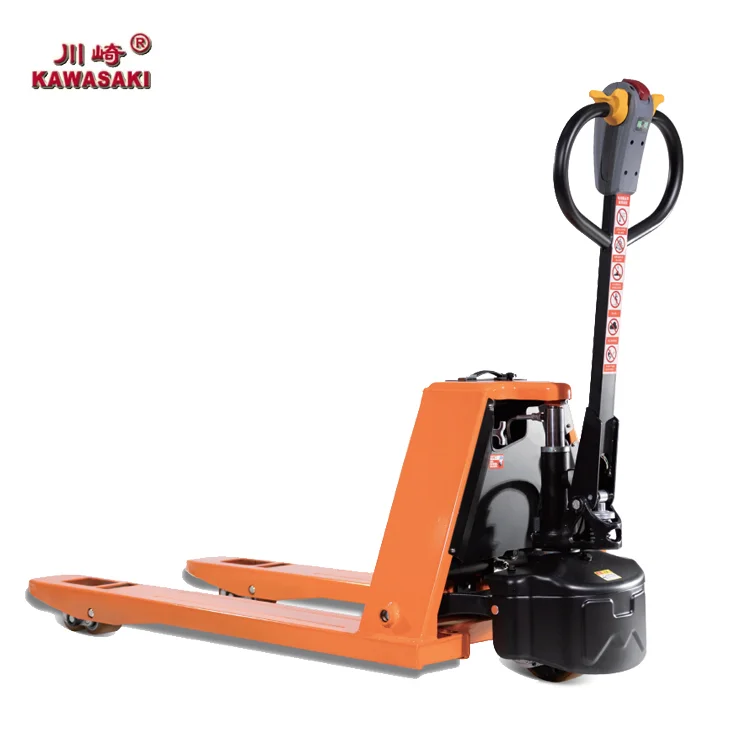
In the quickly changing field of logistics, warehouse productivity stands out as a key concern for firms eager to remain ahead. Each second cut from shifting materials boosts output and trims running expenses. Pallet trucks—also known as pallet jacks—serve a vital yet quiet part in this setup. They haul massive loads each day, linking storage shelves to shipping areas.
Apollo, known for its user-friendly and strong warehouse gear, keeps expanding what pallet trucks can do. The brand’s approach centers on ease, toughness, and smart building—ideas that match worldwide shifts toward safer and more effective job sites. Hangzhou Apollo lifting machinery handles various packing types, like paper, wood boxes, and barrels—a minor point that shows its adaptability and focus on buyers.
Why Ergonomics Matters in Warehouse Operations
Ergonomics goes beyond mere comfort. It ties into output and protection. Warehouses demand workers repeat lifting and tugging for long stretches. Small tweaks in design can yield clear results on work. An ergonomic pallet truck grip eases wrist pressure. It also makes steering through slim paths simpler.
Tiredness hides as a sneaky expense in logistics. Badly made tools slow down efforts as time passes. They raise chances of muscle and bone injuries too. Apollo’s ergonomic pallet trucks cut these dangers. They match grip height, surface feel, and button spots to normal body moves. Over weeks or seasons, this leads to fewer health complaints and steadier staff keeping.
From a money angle, putting cash into ergonomic gear pays off later. Shorter breaks from hurts mean steadier work flow. Less body stress also lifts worker spirit—a point often missed but crucial in fast-changing fields like storage handling.
Key Features of Apollo Pallet Trucks
Apollo pallet trucks blend careful engineering with user focus. Every part aids easier use and longer lasting. Take the handle, for instance—it’s shaped to fit long work hours without tiring hands quickly.
| Feature | Description |
| Ergonomic Handle & Controls | Built for ease in extended shifts; simple button setup cuts training time for fresh workers. |
| Durable Construction | Tough steel build fights warping under heavy weights; fits rough spots where dependability counts most. |
| Smooth Mobility | Exact bearings and sturdy wheels make rolling over bumpy ground or ramps straightforward. |
| Energy Efficiency (Electric Models) | Battery-powered types use modest energy engines that stretch power pack duration. They keep strong lift power all the same. |
The company holds ISO9001 and ISO2000 quality checks, plus European CE/GS safety nods. This solid backing covers Apollo’s pallet truck range too. It promises meeting world rules for safety and steadiness.
Efficiency Gains with Apollo Pallet Trucks
Warehouse output gets gauged by speed in moving items. This covers unloading ships to stocking goods or readying sends. Apollo pallet trucks aid these steps right away.
Their even hydraulic setups speed up raise times in loading tasks. A tight turn circle lets drivers weave through packed lanes in today’s dense storage spots. Low fix needs cut idle periods. Workers focus more on shifting loads than fixing breaks.
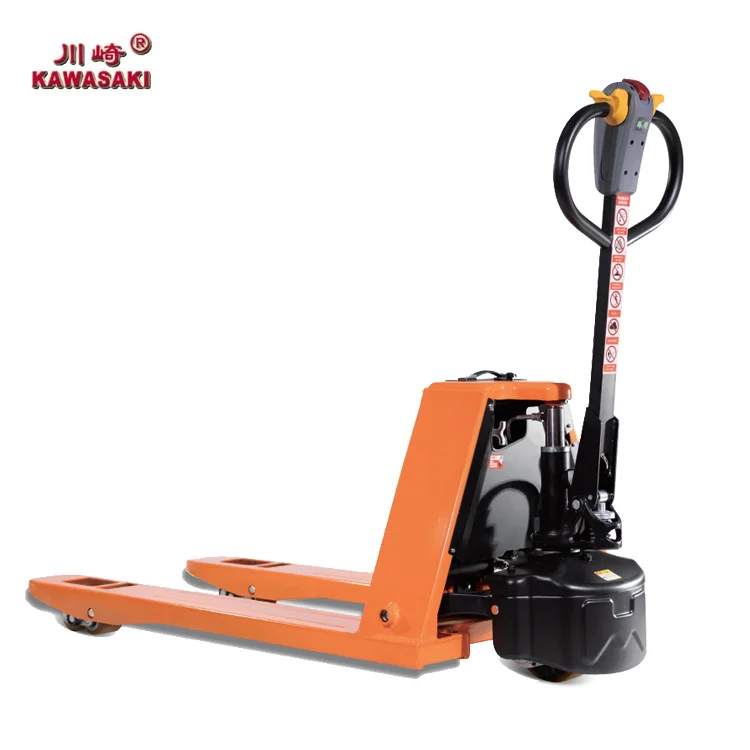
High-capacity pallet truck variants (e.g., 2–3 ton load range) are designed for continuous-duty applications, enabling bulk handling in distribution hubs. These configurations can be highlighted with direct product links for buyers comparing load capacities and performance specs.
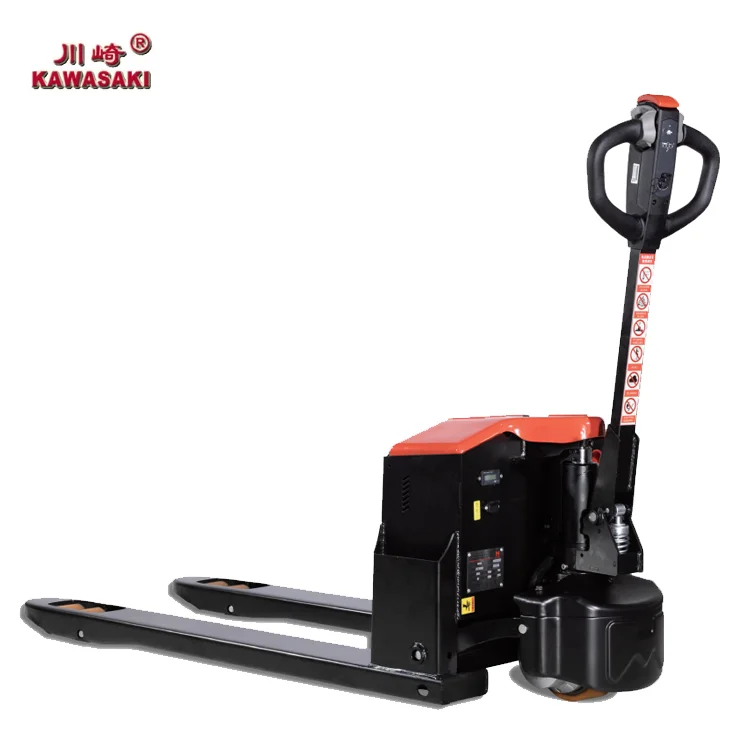
For battery models, energy-recapturing brakes grab power on slowdowns. This trick saves juice and eases part strain as days roll on. In one busy distribution center, say, switching to these cut energy use by about 15% over a year—real numbers from the floor.
Applications Across Industries
Pallet trucks prove essential in many areas:
- Warehousing & Distribution Centers: Speed up picking orders and quick transfers.
- Manufacturing Facilities: Shift raw stuff or done products between lines without hassle.
- Retail & E-commerce Logistics: Aid fast restocking in packing hubs.
- Food & Beverage Handling: Move fragile items safely under clean rules.
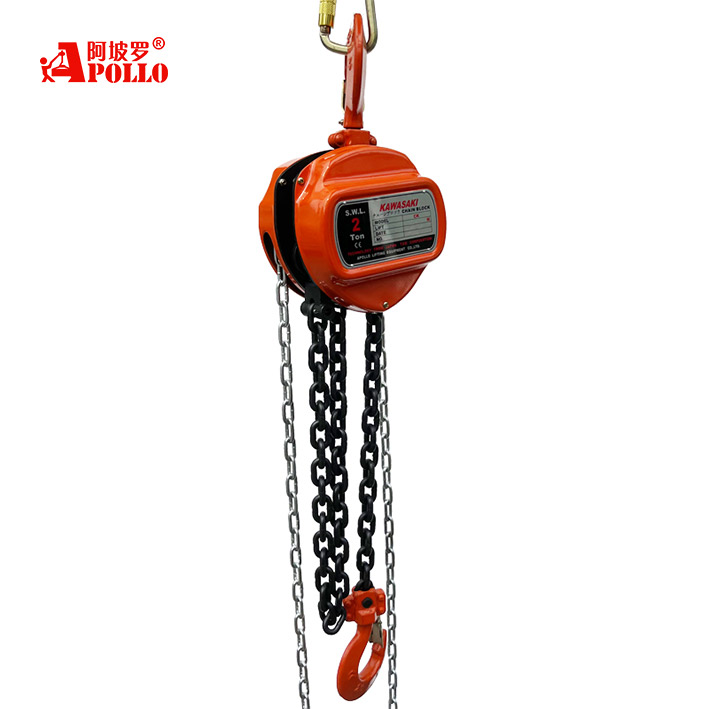
Chain hoists see broad use in factories, farms, and homes. Apollo pallet trucks fit similar spots. They link hand work with machine help wherever big lifts or shifts occur. Picture a food plant where quick moves keep perishables fresh—pallet trucks make that routine smoother.
Choosing the Right Apollo Pallet Truck
Picking the best model hinges on a few things:
- Manual vs. Electric: Hand-pushed ones work well for close hauls or light weights. Battery ones fit big spaces with constant trips.
- Load Capacity & Lift Height: Think about usual weights—basic types manage 2–3 tons with no sweat.
- Warehouse Layout: Narrow setups need small frames with sharp turn skills.
- Safety Compliance: Seek CE-approved gear that follows work safety laws.
For specialized operations, Apollo also offers narrow-body pallet trucks and low-profile designs tailored for confined warehouse layouts or non-standard pallet sizes, making them ideal for linking to niche product pages.
The company’s goods boast solid build and modern looks. They draw fans from local and far-off markets. This trust explains why logistics heads pick Apollo for fleet updates. Not every upgrade shines, but these often do, based on shop talk.
Maintenance and Best Practices
Steady upkeep keeps pallet trucks running top-notch:
- Regular Inspection: Look at hydraulic liquid, wheel state, and arm straightness each week.
- Lubrication Schedule: Add oil to links every 100 work hours to stop rub damage.
- Operator Training: Teach teams right load methods to dodge overloads or off-balance stacks.
- Battery Care (Electric Models): Recharge just when needed. Skip full drains that cut pack life short.
Kawasaki brand lifting machinery faces tough tests before shipping. Apollo follows suit—checking each piece prior to dispatch. This ensures steady work across the lineup.
Future Trends in Pallet Truck Design
New pallet truck styles are emerging around three main ideas:
- Smart Automation: Adding detectors for instant checks on weight, path length, or fix warnings.
- Sustainability Focus: Builders shift to reusable stuff and low-energy engines to ease eco harm.
- System Integration: Easy links with Warehouse Management Systems (WMS) boost teamwork between people and machine groups.
As tech changes logistics worldwide, ergonomic builds stay basic. They aren’t just nice-to-haves anymore. They’re musts for daily ops. Trends like these might speed things up, but hands-on tweaks still rule the warehouse game.
Conclusion
Warehouse output doesn’t come only from big machines. Often, the small daily tools—the ones grabbed every few minutes—drive real change. Apollo pallet trucks mix user-friendly thinking with hardy builds for reliable daily runs. For outfits juggling pace, guard, and budget, this mix spells a wise buy, not a drain. Further information and business inquiries can be directed to Apollo for comprehensive support and product details.
FAQs
Q1: What are the main benefits of ergonomic pallet trucks?
A: Ergonomic pallet trucks cut worker tiredness by fitting buttons to body norms. This boosts work speed and lowers hurt risks in repeated warehouse jobs.
Q2: How do Apollo pallet trucks improve warehouse efficiency?
A: They ease item flow with even roll traits, strong builds that trim fix waits, and power-saving battery picks for nonstop runs.
Q3: What industries can benefit most from pallet trucks?
A: Fields like making goods, shop shipping, food moves, storage, and send hubs all count on pallet trucks for fast shifts in tight rooms.
Q4: How to choose between manual and electric pallet trucks?
A: Hand types suit small spots or rare pulls. Battery kinds give better flow for wide areas with steady long hauls or big weights.
Q5: What maintenance is required for long-term performance?
A: Weekly checks on fluids and wheels, grease on parts when due, team lessons on safe loads, and sticking to maker fix times all stretch gear life a lot.