Introduction
Apollo lifting clamps stand as tough, dependable tools crafted for the harshest industrial lifting tasks. They see frequent use in steel fabrication yards, heavy manufacturing sites, and metal processing facilities. There, workers handle steel plates, beams, and structural parts on a daily basis. Precision and safety remain essential. They are not optional. Proper handling of these clamps during vertical and horizontal jobs stops dropped loads. It also avoids worker injuries and expensive downtime. Such issues can disrupt production schedules badly.
Apollo‘s design approach focuses on sturdy build and smart safety elements. These meet OSHA and ASME B30.20 standards. The clamps tackle rough conditions in steel mills and fabrication shops. Every lift matters there. This guide covers the contrasts between vertical and horizontal load handling. It details simple steps for safe operation. Plus, it outlines main precautions for steel manufacturing uses. And it shares upkeep tips that prolong clamp lifespan. In busy plants, like those processing 500-ton steel batches weekly, these practices cut risks sharply.
Understanding Vertical vs Horizontal Loads in Steel and Manufacturing
High-volume steel operations rely on load orientation. It decides the right clamp type and application method.
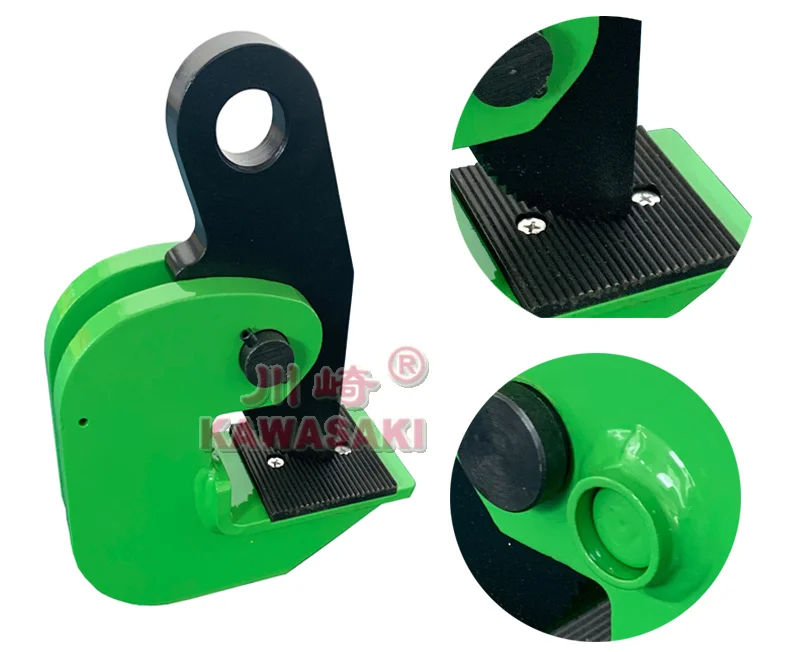
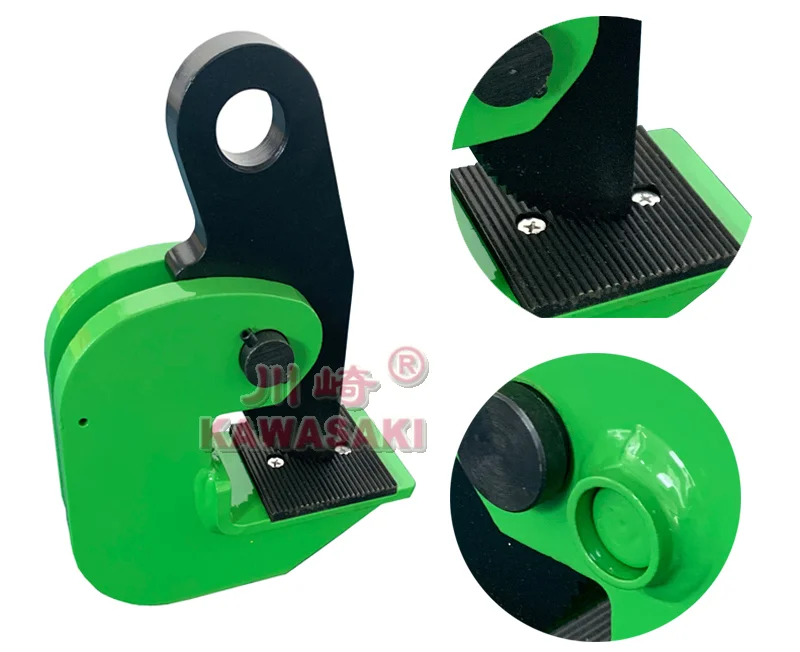
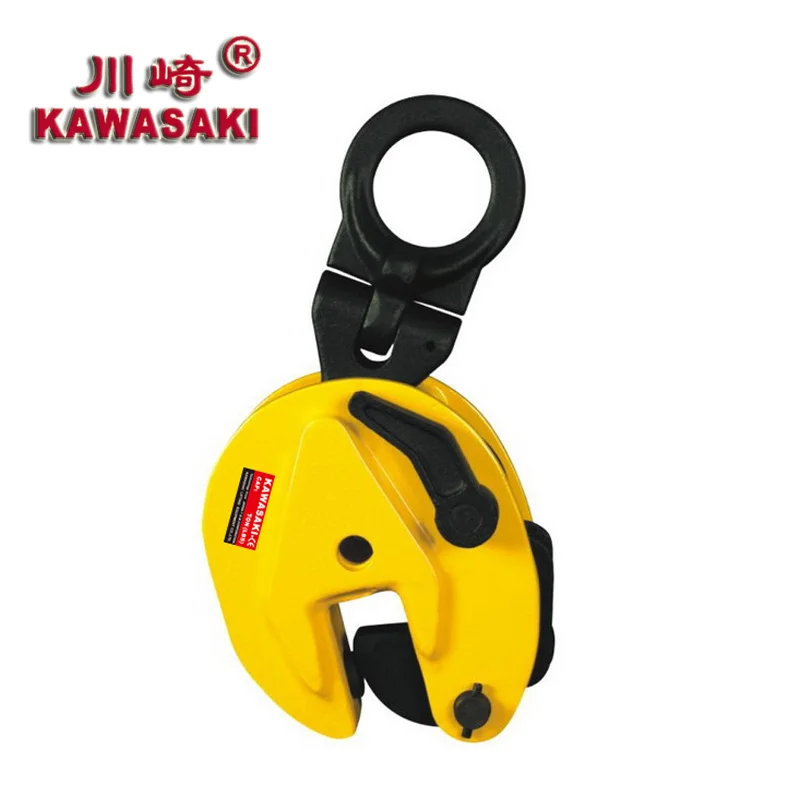
Vertical loads pop up often when raising steel plates from stacks. Or when setting upright beams in place. Gravity helps the clamp’s grip here. This makes securing the plate edge straightforward.
Horizontal loads happen during moves of flat plates over shop floors. Or when feeding items into fabrication lines. These jobs usually need two horizontal clamps. They work as a team to keep balance. This prevents tilting or sliding in mid-air. Take a typical mill scenario: a 2-ton plate sliding into a cutting machine demands even pull from both sides, or it twists.
For instance:
- Vertical lifting: Apollo vertical plate clamps suit upright steel plate jobs. They manage typical thicknesses from 10–100 mm.
- Horizontal transport: Apollo horizontal plate clamps work best in matched pairs. They handle large sheet shifts in manufacturing flows.
Pair each clamp’s Working Load Limit (WLL) with the real weight. Also, factor in surface issues like oil or rust. Safety margins stay narrow in steel plants. Skipping this can lead to slips, as seen in rainy outdoor yards where rust builds fast.
Safe Usage Guidelines for Vertical Loads
Operators must inspect before any lift starts. This catches problems early.
- Look at jaw teeth for wear or harm.
- Test that the safety lock works right.
- Match the WLL rating to the load weight.
- Make sure the plate thickness fits the clamp’s range.
Step-by-step procedure:
- Set the clamp straight on the plate edge. Avoid any slant.
- Lock the mechanism tight before crane or hoist tension.
- Raise slowly at first. Test the grip’s hold.
- Watch closely for slips or odd shifts while going up.
These habits fit Apollo vertical clamps well for single-plate raises at steel service centers. Or on construction hoists in plant assembly lines. They handle vertical tasks smoothly. But side loading or multi-plate lifts with one clamp spell trouble. They mess up grip and push beyond design limits. In one shop incident, a tilted clamp dropped a beam—luckily no one got hurt, but repairs cost a shift’s worth of time.
Key warnings: Stay under rated capacity always. Get full jaw contact on clean surfaces. No oil or scale. That’s a common snag in heavy manufacturing spots.
Safe Usage Guidelines for Horizontal Loads
Horizontal jobs pose distinct hurdles. Balance and timing between paired clamps top the list.
Recommended types: Apollo horizontal plate clamps suit dual setups. They manage balanced sheet transport nicely.
Operational steps:
- Fix both clamps evenly on opposite plate edges.
- Link them with an equalizing beam or spreader bar. Do this if the load’s width calls for it.
- Add tag lines to steer swing in crane moves. This helps in cramped plant areas.
- Keep tension level on both sides during the lift. It stops twisting on clamp bodies.
Such arrangements shine when shifting big flat plates. These might weigh a few tons. They cross fabrication floors or cutting lines. Precision in placement beats speed here. Picture a welding bay: uneven clamps once caused a plate to sag, delaying a whole crew by hours.
Hazards often stem from uneven weight spread. One clamp then takes too much strain. Or shock loading hits from quick crane starts. Both come from poor team coordination. But good planning dodges them.
General Safety Precautions for Steel and Manufacturing Environments
Industrial sites vary. Temperature changes, dust, and dampness wear gear over time.
Pick Apollo lifting clamps by:
- Material type: mild steel versus stainless versus structural alloy.
- Surface finish: smooth polished versus mill scale coated.
- Environmental factors: heat or cold swings, oil mess, outdoor yard exposure.
Training for operators stays vital. Every lift needs PPE like gloves, helmets, and sturdy boots. Set clear no-go zones near hanging loads too. In humid Gulf Coast mills, for example, extra rust checks prevent grip failures that plague standard setups.
Top practices cover:
- Pair clamps for all horizontal lifts.
- Skip sudden pulls or shocks in hoist action.
- Don’t leave hanging loads alone any longer than needed.
For special spots like hot rolling mills or shipyard work outside, think about heat-proof coatings or rust guards. These add real value in tough spots.
Maintenance and Inspection to Ensure Long-Term Safety
Quick daily looks before shifts spot minor flaws. They stop big breakdowns down the road.
Check for:
- Worn jaw serrations that cut grip power.
- Bent frames showing past overloads.
- Hurt springs that mess with locking.
Tag out any bad clamp right away. Keep it out until fixed or swapped.
Set a routine: daily scans plus monthly deep dives. This suits busy spots with constant heavy lifts. Data from one fabrication firm shows such checks slashed failures by 40% over a year.
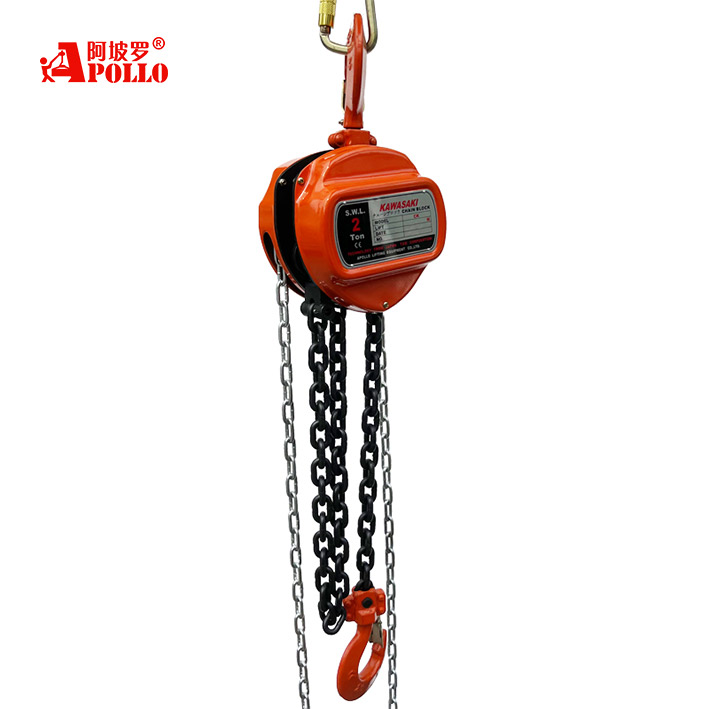
Kawasaki brand lifting machinery must undergo strict testing before leaving the factory. Factory performance testing includes comprehensive evaluation of lifting capacity, operational stability, and safety performance to ensure compliance with national standards. These same principles apply when maintaining Apollo products—consistent testing preserves reliability under industrial duty cycles.
Storage counts too. Keep clamps dry. Dab light lube on pivot spots after jobs. This fights rust in steamy shops. Honestly, forgetting lube once led to a sticky lock in a rainy season—small hassle, but it taught the crew.
Swap times depend on use rate. Tie them to safety audits or maker advice. This keeps things compliant all year.
Conclusion
Sticking to these vertical and horizontal tips aids firms using Apollo Lifting Clamps. It lowers workplace dangers. At the same time, it boosts efficiency in steel fabrication lines and heavy manufacturing areas. Smart clamp picks, combined with steady upkeep, shield workers and key materials. Both matter hugely in high-pressure industrial scenes.
For more information on Apollo lifting clamps or tailored solutions for steel handling needs, please contact the Apollo team.
FAQs
Q1: What is the main difference between vertical and horizontal lifting with Apollo lifting clamps in steel manufacturing?
A: Vertical clamps manage plates raised straight up. They use gravity for grip aid. Horizontal models team up in pairs. They handle balanced side moves for flat material transport in fabrication zones.
Q2: Which Apollo lifting clamps are recommended for vertical loads in steel service centers?
A: Apollo vertical plate clamps do well lifting single upright plates. Always check each unit’s Working Load Limit against the batch’s weight and thickness specs.
Q3: Can one Apollo lifting clamp be used interchangeably for both orientations?
A: It’s usually not smart. Each style fits specific needs. Vertical ones count on down pull. Horizontal types need two-point balance for safe heavy lifts in different shapes.
Q4: How frequently should Apollo Lifting Clamps be inspected in high-throughput manufacturing plants?
A: Do a fast visual before each use. Add a full weekly check per plant safety rules. Spotting wear soon avoids surprise halts in key production stretches.
Q5: Why does proper load type selection matter so much when operating Safe Lifting Clamps?
A: Right models match load direction. This cuts slip chances. It spreads stress evenly over jaws. In the end, it protects folks near construction hoists or heavy-lift gear in vertical jobs.